Orgullosamente Americano
Feb 9, 2026
Nací en América. No en los EE.UU., sino en el continente americano, donde vive una enorme población que habla español como lengua materna. Ahora, no soy muy gran fan del fútbol americano, pero no se puede negar que sus shows de medio tiempo son legendarios, así que tenía curiosidad acerca de la presentación del puertorriqueño Bad Bunny.
Su música no es algo que normalmente escucho, pero no se puede negar que ese artista es extremadamente popular y es muy bello ver lo orgulloso que está de su herencia puertorriqueña y cómo sus interpretaciones son exclusivamente en español.
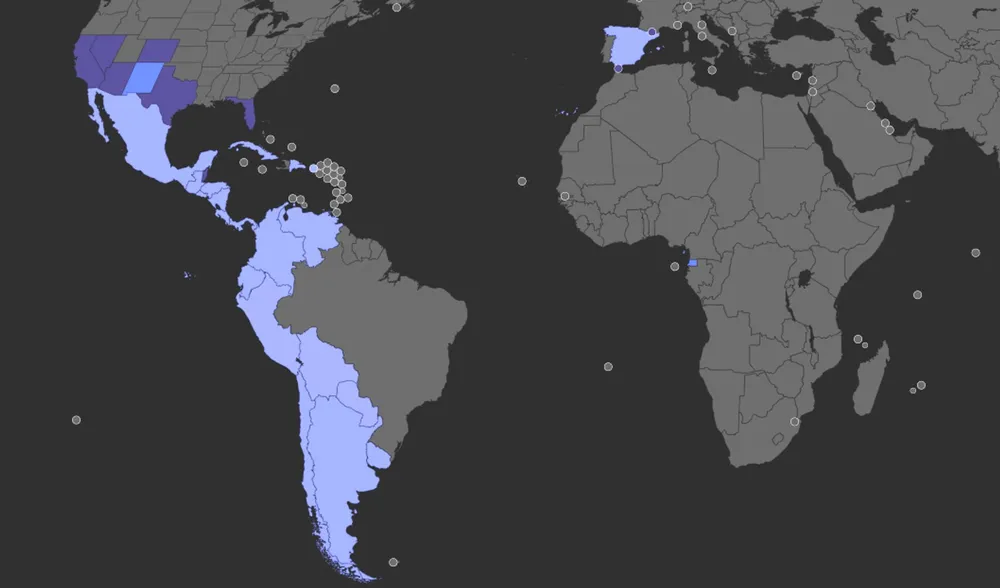
Así que vi ese espectáculo hace un rato en YouTube y fue realmente bastante entretenido, pero hubo un momento que en verdad me tocó el corazón: El final, cuando recordó a los espectadores que América no es solo los Estados Unidos, sino una multitud de países que van desde el Cono Sur hasta el río Grande, donde el español es su lengua materna. Esa es una proporcion enomr del continente americano. ¡Y Estados Unidos tiene más hispanohablantes que mi patria natal!
Así que, como ya compartí antes con mi amiga irlandésa, estoy orgulloso de ser un Americano de habla hispana, un sudamericano, pero Americano al fin y al cabo!
| Bandera | País / Territorio | Hispanohablantes (aprox.) | Estatus del español |
|---|---|---|---|
| 🇲🇽 | México | ~138.000.000 | Oficial / lengua principal |
| 🇺🇸 | Estados Unidos | ~65.500.000 | Segunda lengua muy extendida |
| 🇨🇴 | Colombia | ~53.100.000 | Oficial |
| 🇪🇸 | España | ~48.900.000 | Oficial |
| 🇦🇷 | Argentina | ~47.500.000 | Oficial |
| 🇵🇪 | Perú | ~30.600.000 | Oficial |
| 🇻🇪 | Venezuela | ~29.400.000 | Oficial |
| 🇨🇱 | Chile | ~20.200.000 | Oficial |
| 🇬🇹 | Guatemala | ~16.700.000 | Oficial |
| 🇪🇨 | Ecuador | ~16.500.000 | Oficial |
| 🇧🇴 | Bolivia | ~12.100.000 | Oficial (junto a otras lenguas) |
| 🇨🇺 | Cuba | ~11.000.000 | Oficial |
| 🇩🇴 | República Dominicana | ~10.700.000 | Oficial |
| 🇭🇳 | Honduras | ~9.800.000 | Oficial |
| 🇵🇾 | Paraguay | ~7.600.000 | Oficial (con guaraní) |
| 🇳🇮 | Nicaragua | ~7.100.000 | Oficial |
| 🇸🇻 | El Salvador | ~6.300.000 | Oficial |
| 🇨🇷 | Costa Rica | ~5.300.000 | Oficial |
| 🇵🇦 | Panamá | ~4.000.000 | Oficial |
| 🇺🇾 | Uruguay | ~3.300.000 | Oficial |
| 🇵🇷 | Puerto Rico (EE. UU.) | ~1.600.000 | Lengua principal de facto |
| 🇬🇶 | Guinea Ecuatorial | ~1.000.000 | Oficial |
Ahora el gran número de hablantes de español en Estados Unidos se explica por una combinación de colonización histórica e inmigración, y esa mezcla es clave.
El español ya estaba presente siglos antes del inglés en amplias zonas del actual territorio estadounidense, y cuando el país se expandió en el siglo XIX (ejem colonización!), muchas poblaciones hispanohablantes no se desplazaron: fue la frontera la que cambió.
A esto se suman grandes oleadas de inmigración desde México, el Caribe, Centroamérica y Sudamérica, además de la transmisión familiar del idioma, una demografía joven y un fuerte apoyo educativo y cultural.
Por eso, el español en EE. UU. no es solo una lengua de inmigrantes, sino una lengua patrimonial que se renueva y mantiene generación tras generación.
El español llegó temprano, se quedó, y sigue creciendo… así que deal with it FFS 😌!!.
Filandia: Beautiful town in the coffee region
Aug 19, 2025
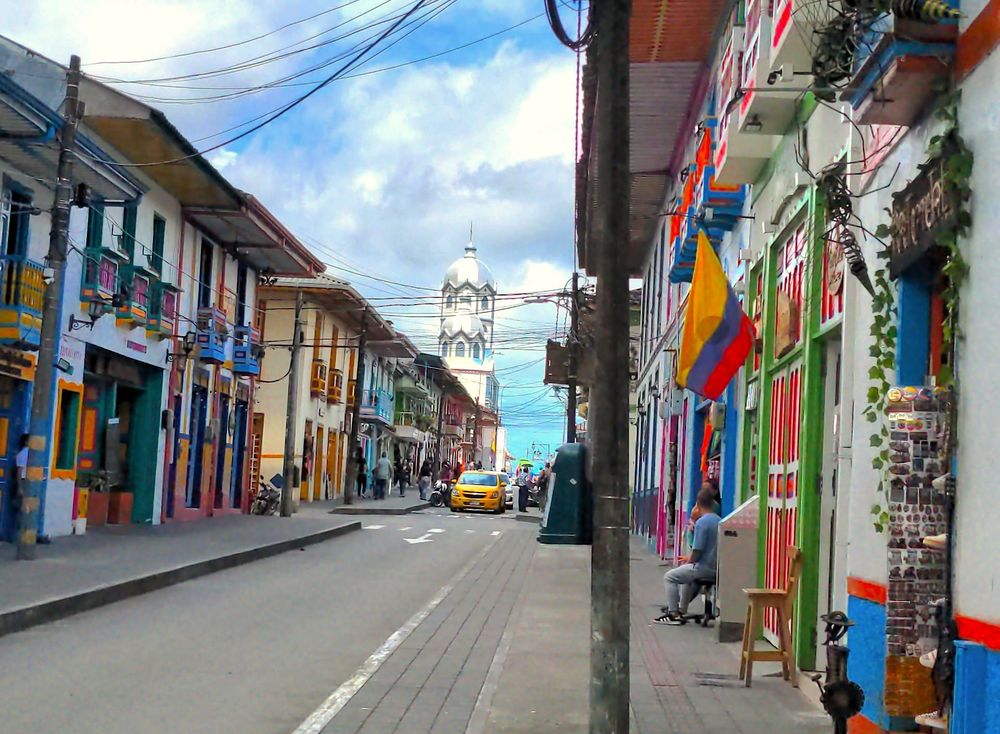
One of the towns we had the opportunity to visit last month was the colorful town of Filandia, located in the hills of Colombia’s Coffee Triangle. It was my first time visiting this place, which truly captures the essence of the region’s cultural and natural heritage.
This town is as beautiful as Salento, but it felt more authentic and less touristy, with its cobblestone streets, brightly painted balconies, and sweeping views of rolling coffee plantations.
Just before arriving in town, we stopped at the Mirador Colina Iluminada, a tall wooden lookout that offers 360-degree views across the Andes and stunning perspectives of the surrounding regions of the famous Colombian Eje Cafetero. And of course, we couldn’t miss stopping by one of the Café Quindío stores to enjoy a delicious Colombian coffee and take a break before continuing our walk around the town.
Above you can see a representative picture of the beautiful town of Filandia.
Muisca Raft at the gold museum
Aug 15, 2025
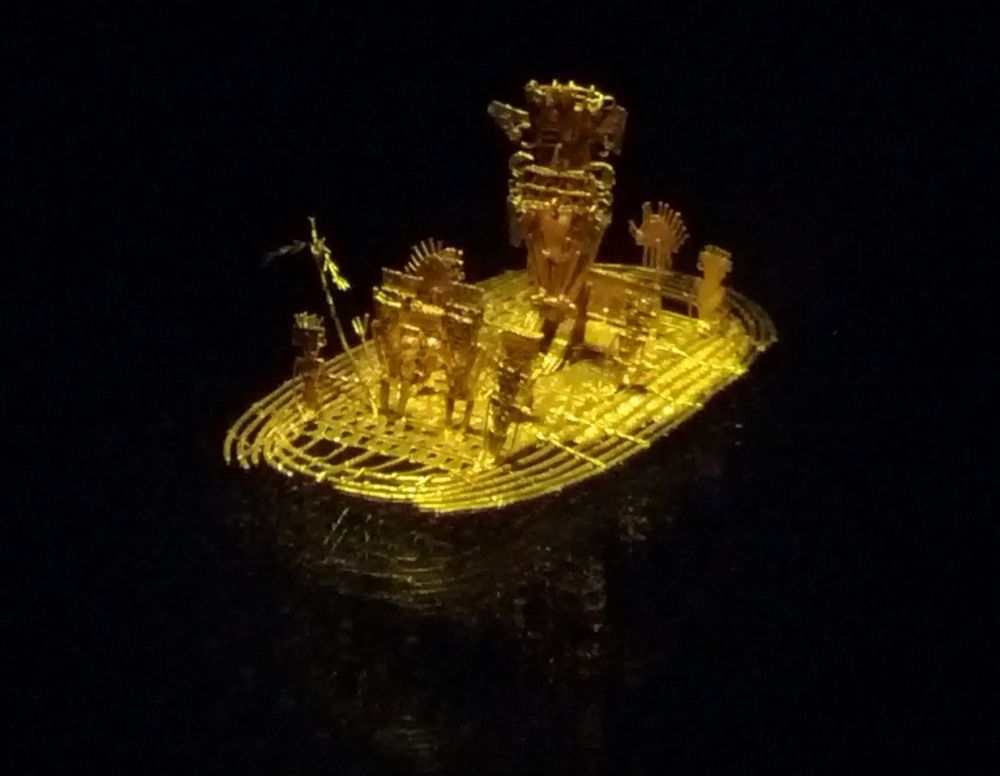
In the city center of Bogotá, the Museo del Oro (Gold Museum) is one of Colombia’s most fascinating cultural treasures. Home to over 55,000 pieces of gold and other materials from pre-Hispanic cultures, it offers visitors a comprehensive journey through the artistry, beliefs, and traditions of the ancient peoples who once called this land home. Among its star attractions is the iconic Muisca Raft — a masterpiece of pre-Columbian goldwork that embodies one of the country’s most enduring legends: El Dorado.
The Muisca Raft is more than just an extraordinary work of art; it is a window into the ceremonial life of the Muisca people. Created between 600 and 1600 CE using the lost-wax casting technique, this intricate gold sculpture depicts a ritual at Lake Guatavita, where a new chief — his body covered in gold dust — offered gold and emeralds to the gods. Measuring just under 20 cm in length, the raft features the central figure of the chief surrounded by attendants, banners in hand, sailing into legend. Today, it remains one of the museum’s most celebrated pieces — a vivid reminder of the myth that defines Colombia’s pre-Columbian heritage.
Bogota from Monserrate
Aug 13, 2025
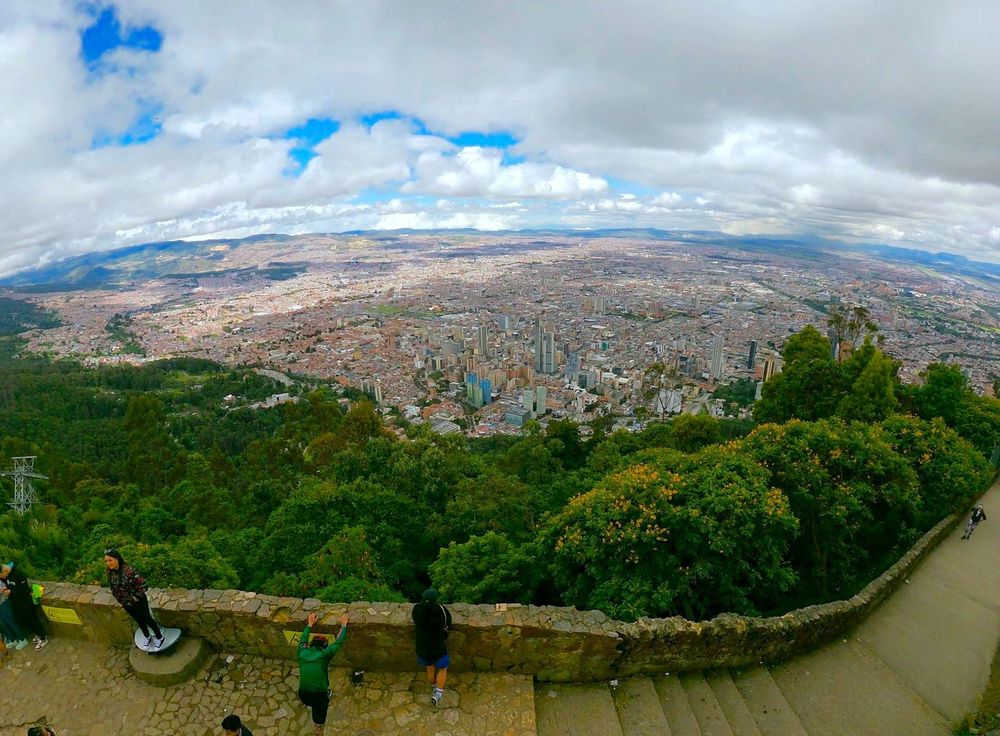
At the end of our Colombian trip, we were lucky with a really pleasant, sunny day, so we made our way up to one of Bogotá’s most iconic landmarks: Monserrate. Located over 3,150 meters above sea level, this mountain has been watching over the city for centuries, and today it’s not just a religious site but also one of the best vantage points you can find in the Capital District. You can get there by taking the cable car (which we did), riding the funicular train, or climbing up the steep walking trail. The reward is always the same — a sweeping view of the capital that seems to go on forever and allows you to grasp the magnitude of the city.
It's hard to capture the full scale of Bogotá even from this height, but I tried my best with my GoPro camera to get a fisheye view of the city. The picture shows the sprawling urban landscape, with its mix of colonial architecture, modern skyscrapers, and vast neighborhoods, particularly in the southern part of Bogotá.
Now, being at more than 3,100 meters above sea level is no joke, and the air is definitely thinner than what we’re used to in Europe, so it was a good idea to take it easy and enjoy the view rather than rush around. The altitude was a bit challenging for two of our family members, but the experience was well worth it. Here you can visit the official site and get additional information
Aerial view of San Andres Island
Aug 10, 2025
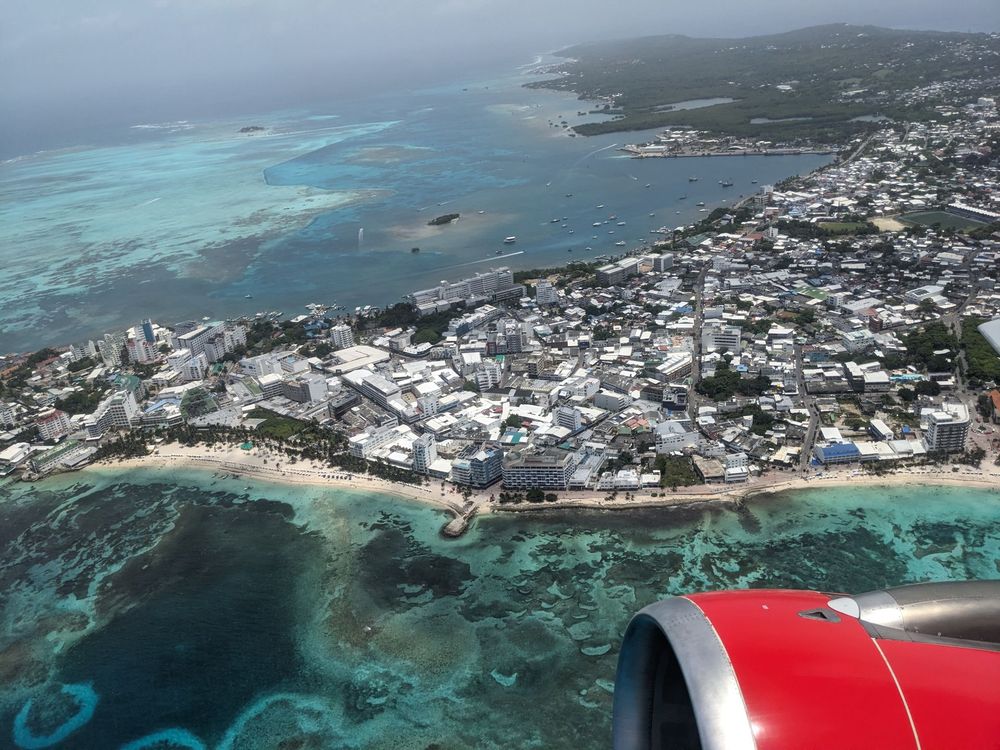
Last month, I had the chance to explore a place that many people don’t even realize belongs to Colombia: The islands of San Andrés and Providencia, located in the Caribbean Sea. Even though they are closer to Nicaragua than to mainland Colombia, they’ve been part of the country since colonial times, when they were administered from the Viceroyalty of New Granada (today’s Colombia) rather than from Central America.
We spent a few days on San Andrés, the largest island, and it was a wonderful experience. The water has more shades of blue than you could ever imagine, and the Raizal culture gives the island its own unique rhythm. This is definitely Colombia, but a very different part from the mainland. When I was flying out of the island, I managed to take the snapshot you see above, showing the downtown and northern part of San Andrés — and, of course, the incredible sea that makes this place so special.
Amazing Valle del Cocora
Aug 6, 2025
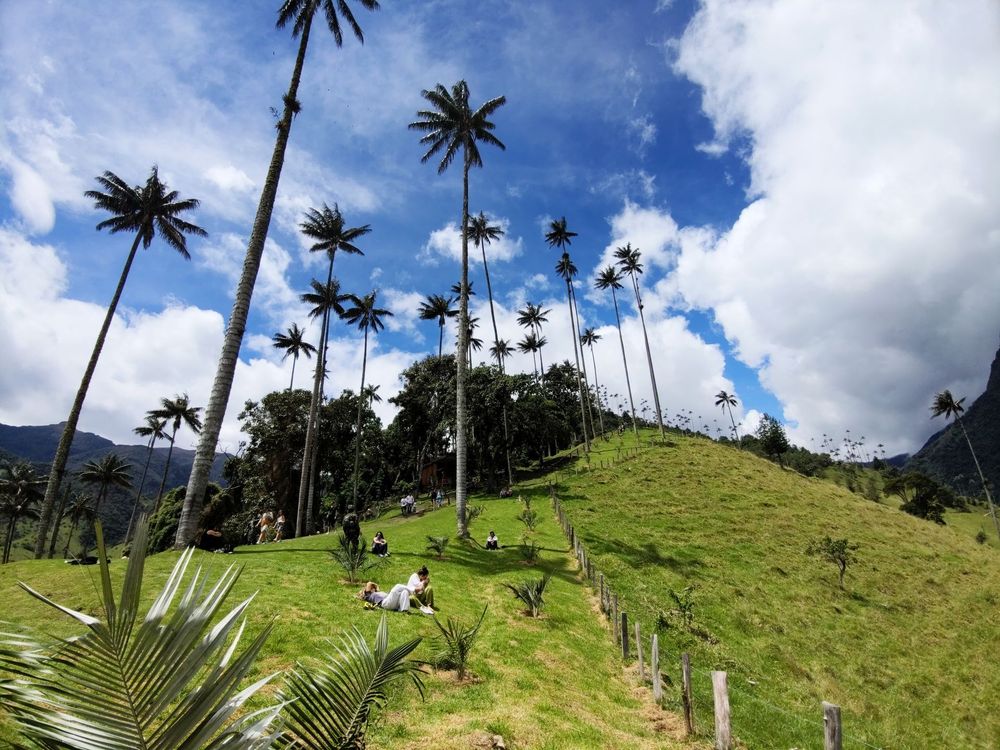
Last month, I had the privilege of returning to one of my home countries with my family, and we used this trip to visit some of the most beautiful places Colombia has to offer. I always tell my friends and acquaintances that if they visit the country, one of the most memorable spots is the coffee-growing region — in particular, the "Valle del Cocora" (Cocora Valley) with its unique wax palm trees.
I've had the chance to visit several countries around the world, and this spot is still one of my favorites. During that trip, we visited Salento and took a Willys jeep to the Valle del Cocora. Once I was there, hiking uphill through the wax palm tree forest, I remembered why this place is truly special. I would definitely recommend it to anyone visiting Colombia.
If you want to check out the exact place where that picture was taken, this is the point on the map.Colombia Decriminalizes Abortion
Feb 22, 2022
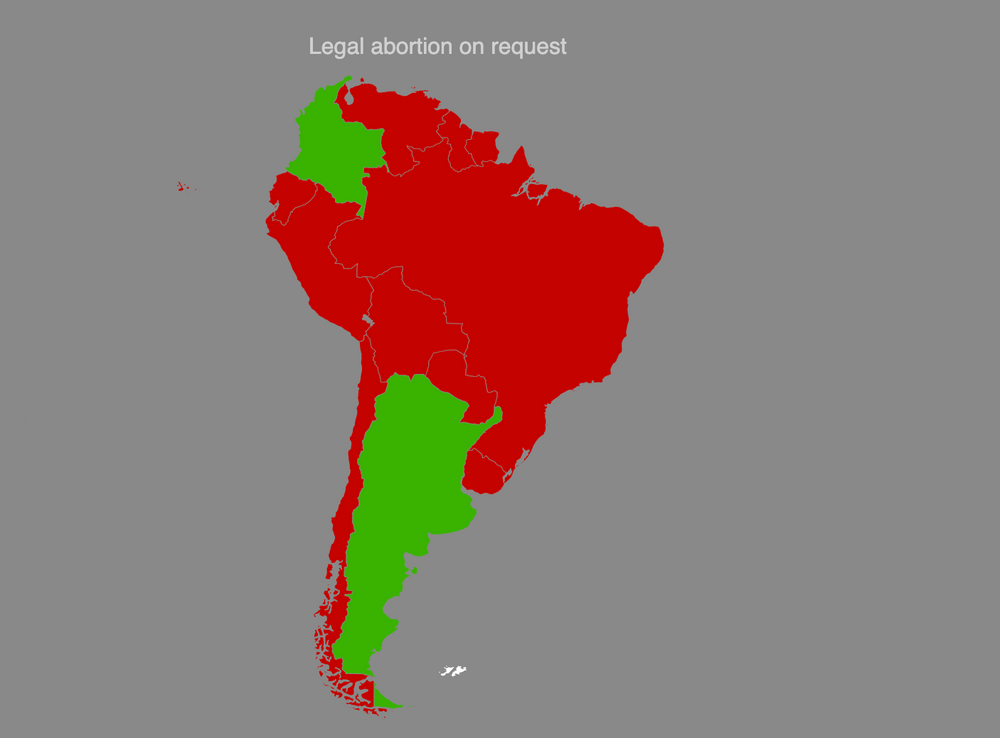 With five votes in favor and four against, Colombia's constitutional court issued a ruling yesterday decriminalizing abortion in this South American republic. Given that like many of its neighbors, Colombia is a Catholic country, where the church and right-wing parties exert a strong influence in the judicial decisions, this is undoubtedly a landmark ruling that continues a trend that has already set its pace in Mexico and Argentina.
I am aware that the issue of abortion is quite contentious and generates many conflicting opinions, but that a woman who wishes to have an abortion (and who is going to do it in any case), can do it in a safe way, is a huge achievement, Well done!
With five votes in favor and four against, Colombia's constitutional court issued a ruling yesterday decriminalizing abortion in this South American republic. Given that like many of its neighbors, Colombia is a Catholic country, where the church and right-wing parties exert a strong influence in the judicial decisions, this is undoubtedly a landmark ruling that continues a trend that has already set its pace in Mexico and Argentina.
I am aware that the issue of abortion is quite contentious and generates many conflicting opinions, but that a woman who wishes to have an abortion (and who is going to do it in any case), can do it in a safe way, is a huge achievement, Well done!Tropical Storms per year in the atlantic
Sep 06, 2017
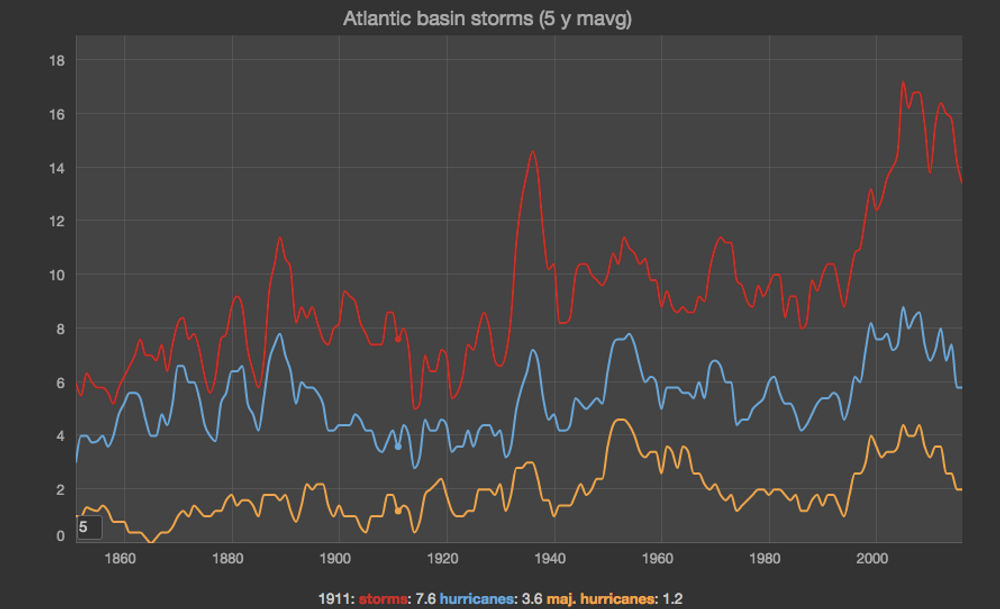
In a couple of week we have in the news stories about Harvey and now Irma. Harvey caused a lot of havoc in Texas and now Irma seems to be on the same path in the caribbean islands and florida. The Hurricane Division of the Atlantic Oceanographic and Meteorological Laboratories track on their website the number of storms per year and based on the data it looks like the number is steadly increasing. sigh ... climate change.
Update on the Zika virus in America
Jun 18, 2016
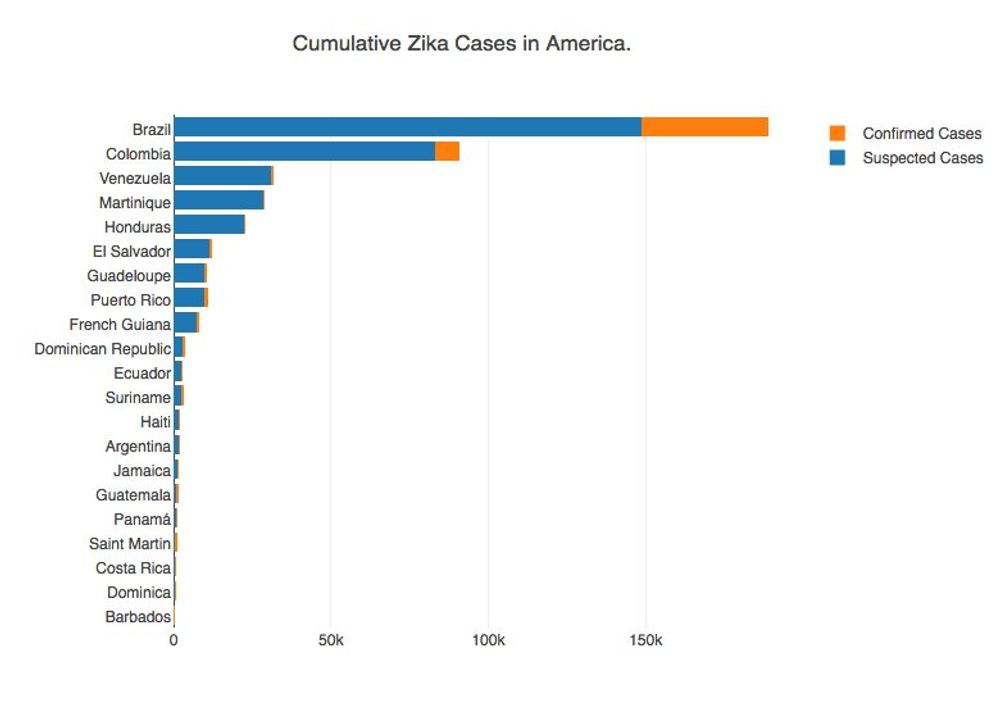
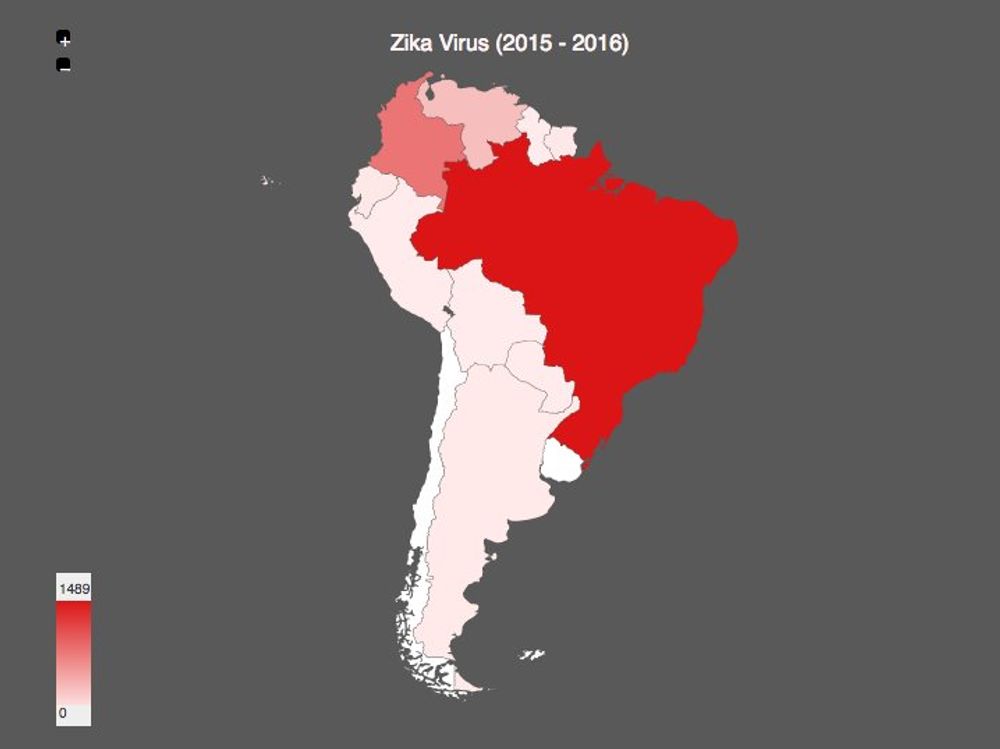
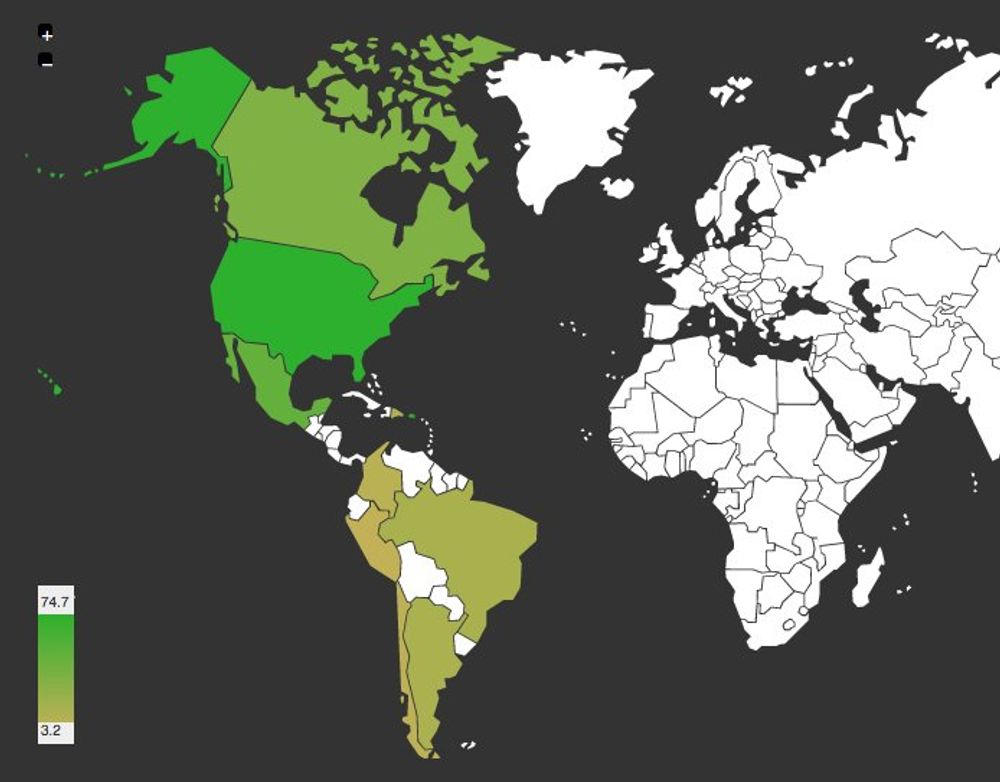
According to the Panamerican Health Organization, Brazil, Colombia, Venezuela and Martinique are the countries most affected by Zika, based on the cummulative incident suspected and confirmed cases. Brazil is by far the most affected country with more than 148k cases suspected and almost 40k cases confirmed.
Inflation in Venezuela
May 22, 2016
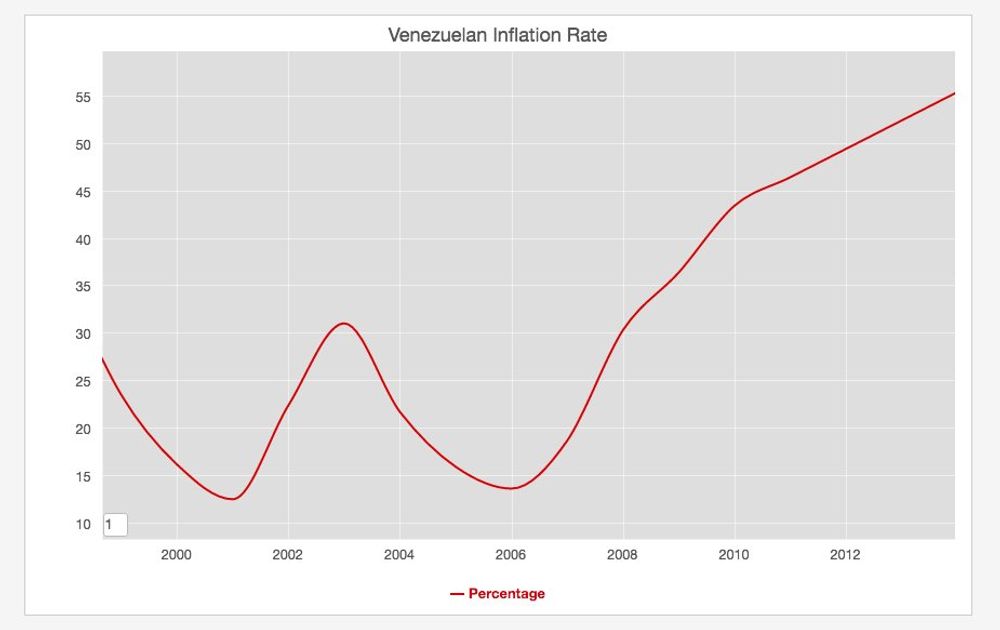
I was reading today in the news that the Vezuelan economy is in real troubles with an inflation going up to the roof and a lot of shortages even in the most basic products. It's sad that the country with one of the biggest oil reserves in the world is in such a bad shape. The IMF publishes data about the inflation and even if the newest data is from 2014 you can see the upward trend.
Tourism In The American Continent
Mar 21, 2016
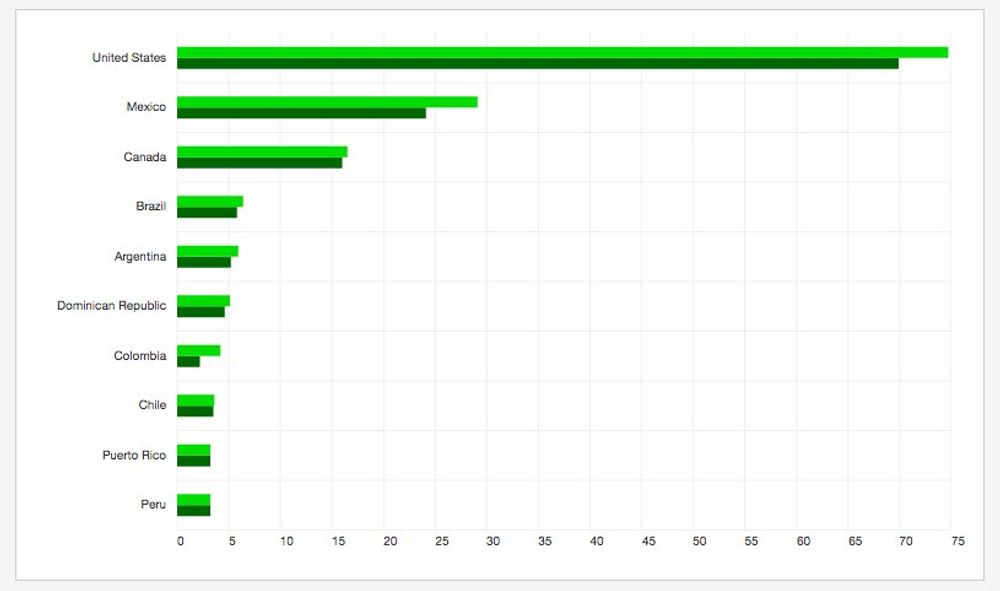
Last weekend I was checking out different alternatives for holidays in the American continent and I started to wonder what is the most visited country on that region. US and Mexico are the most visited countries. Brazil and Argentina are the most visited in South America and the Dominican Republic in the Caribbean.
The following chart shows the number of visitors in millions during 2014 (light green) and 2013 (dark green)
Prevalence Of Aids / HIV
Feb 21, 2016
I saw an editorial piece last weekend on the guardian where the author asked the question: If condoms are OK for Zika, why not Aids, Pope Francis? and I thought it's true the HIV Virus / AIDS infection is rarely mentioned in the news nowadays. There have been a huge progress in the HIV / Aids treatments, since the times I was a medical student, but the prevalence of HIV (the percentage of a population that is affected with a the virus at a given time), is still bad, particularly in Subsaharian Africa:

South Americans In Berlin
Jan 31, 2016
The Statistical Office of Berlin-Brandenburg publishes some very interesting reports including: Einwohnerinnen und Einwohner im Land Berlin (Residents in the State of Berlin, 31 December 2014). One of the remarkable sections of this document is about the country of origin of the foreign residents living in Berlin. It offers a breakdown by continents, regions, and countries, so I was curious about the top countries in South America:

I'm not surprised to discover Brazil (3948 people) is the top #1 on the list, but I wasn't expecting that Colombia (1527) was going to be the second one in that region. Interesting.
2016 Outbreak Of The Zika Virus.
Jan 29, 2016
I have to confess I had never heard about the Zika virus until I started reading about it in some Colombian newspaper articles a couple of weeks ago. The outbreak of this virus in South America and the Caribbean has been in the international news lately because infection in pregnant women is unfortunately associated with microcephaly cases.
The incidence of those malformations has increased substantially in Brazil and it is apparently related to Zika, so there are now travel warnings in place to the countries affected by this virus:
