Hanta is not Covid


A couple of days ago a colleague shared one of those "infection tracker" maps about the Andes hantavirus outbreak linked to the MV Hondius cruise ship, which was quarantined shortly after. I have to admit, for a second it genuinely felt like early 2020 again — cruise ship, international passengers, severe respiratory illness, deaths. That COVID-era anxiety is still there, just under the surface.

But this is really not the same thing! Andes hantavirus is already well understood, and unlike COVID it doesn't spread easily — it usually requires close and prolonged contact. Authorities acted quickly once the ship arrived in Tenerife, passengers were monitored and repatriated, and the ECDC considers the risk to the general EU population to be very low. Something to keep an eye on, but not something to panic about.

Swiss Health Insurance Premiums Mounting Costs


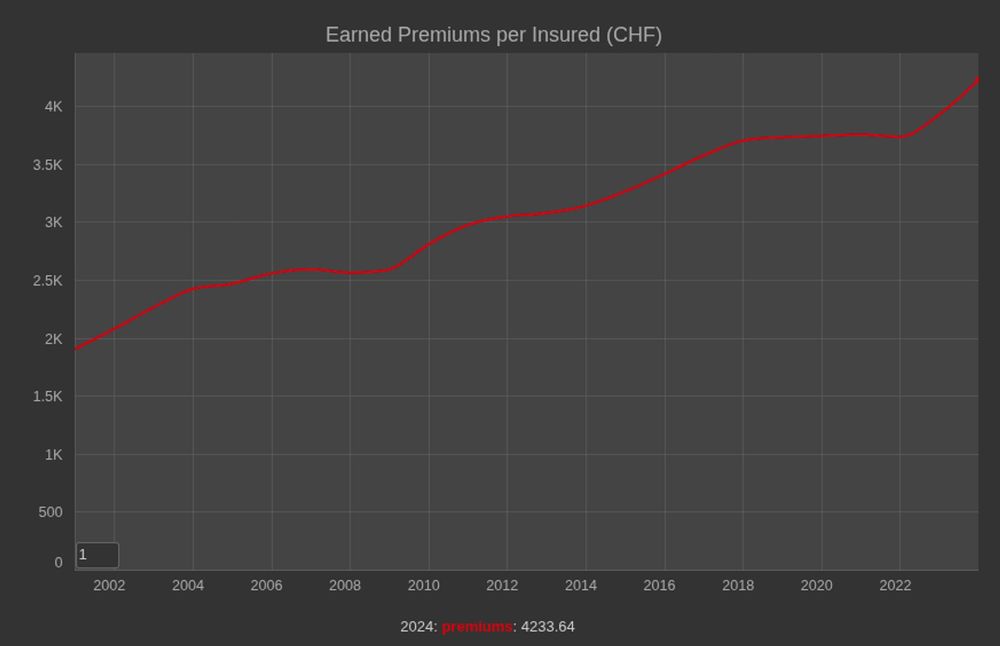
Every year when the health insurance renewal letters arrive, I get that familiar sinking feeling. Premiums going up again? Of course they are. I finally decided to look at the actual numbers, and yeah, the data confirms what we all suspected.

Back in 2001, the average earned premium per insured person was 1,911 CHF. Fast forward to 2024, and we’re looking at 4,234 CHF. That’s a 121% increase over 23 years, or about 3.5% annual growth. Not exactly a surprise, but seeing it spelled out still stings a little.

This year I had to switch to another provider in order to keep my premium increase manageable, and I know I’m not alone in that. Every year the effort of comparing plans and switching providers becomes more of a necessity than a choice. I wonder if a public option could curb these rising costs.

Source: Dashboard de l’assurance-maladie

COVID-19 Surges in CA, FL and TX


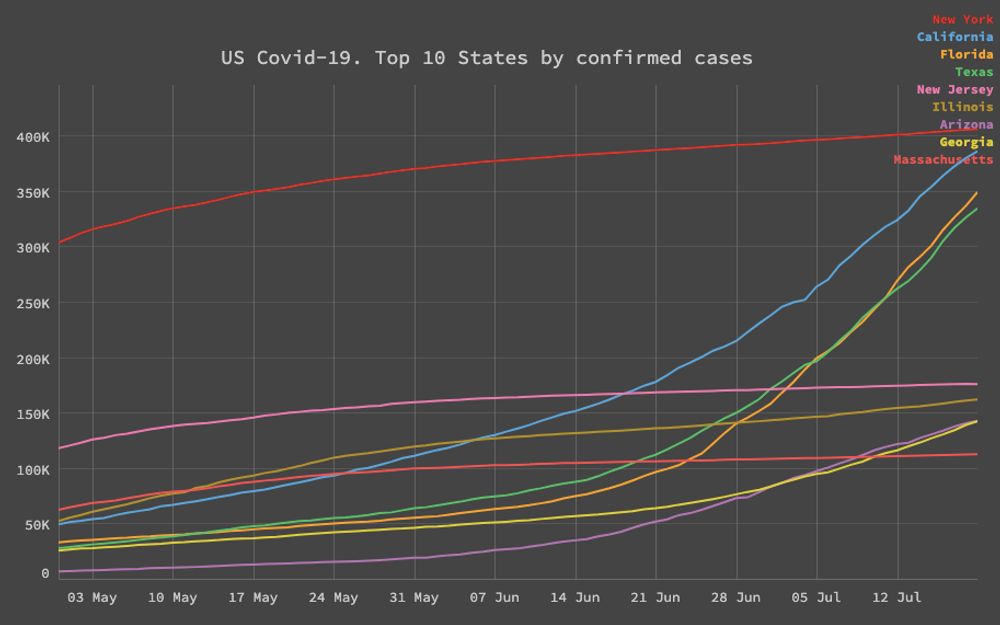
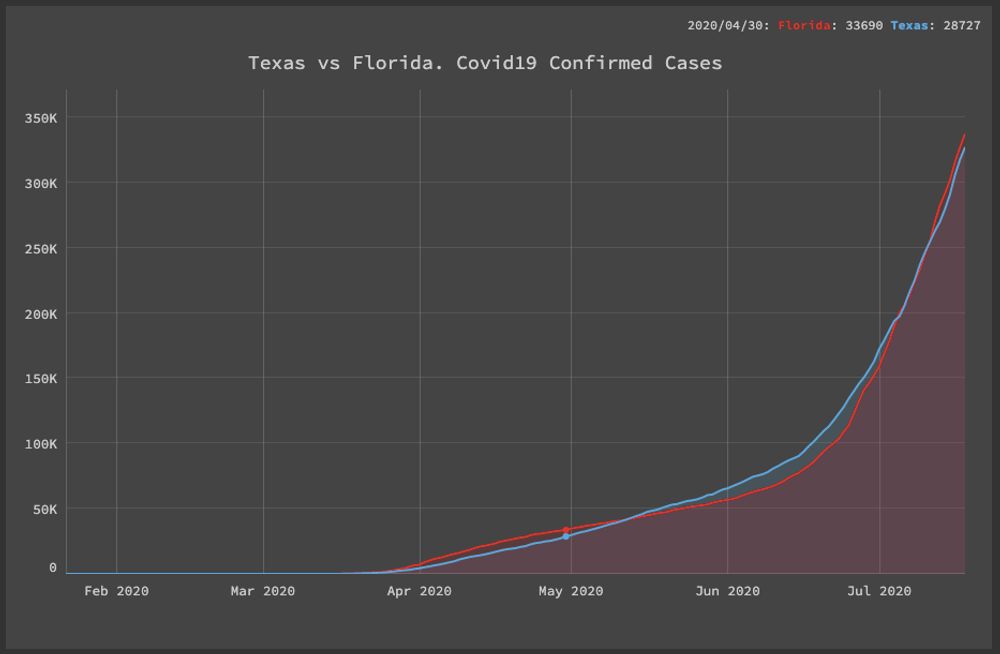
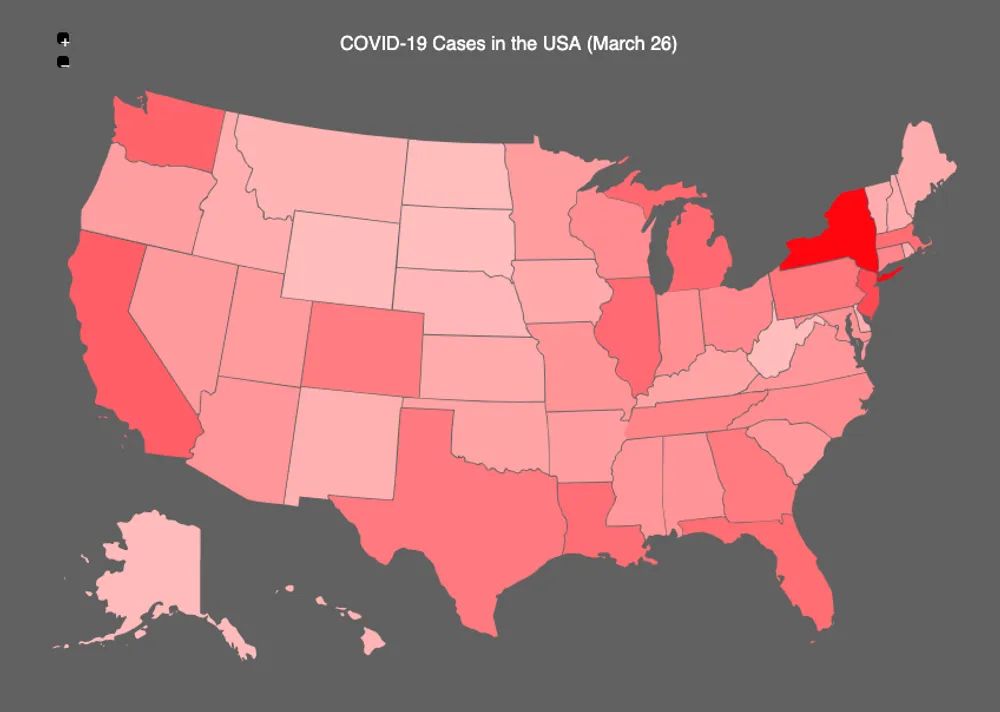
The US has more than 3.7 million confirmed cases of Covid-19 and is therefore the country with the highest number of those in the world. What has been in the news lately is how states that rushed to reopen as quickly as possible, such as Texas and Florida, have had a steady and exponential increase in the total number of cases.

Next to California, which has also seen a sharp increase in the number of cases, mainly in Los Angeles county, those states are getting closer to matching the numbers of New York. It feels like a cautionary tale that "going back to normal" won't mean the pre-COVID-19 normal until there is an effective vaccine or treatment in place.

Fortunately an mRNA vaccine trial preliminary report in the NEJM stated the vaccine induced anti–SARS-CoV-2 immune responses in all participants, and no trial-limiting safety concerns were identified. Crossing our fingers for the next phases of those promising results.

COVID-19: 4m Cases Worldwide


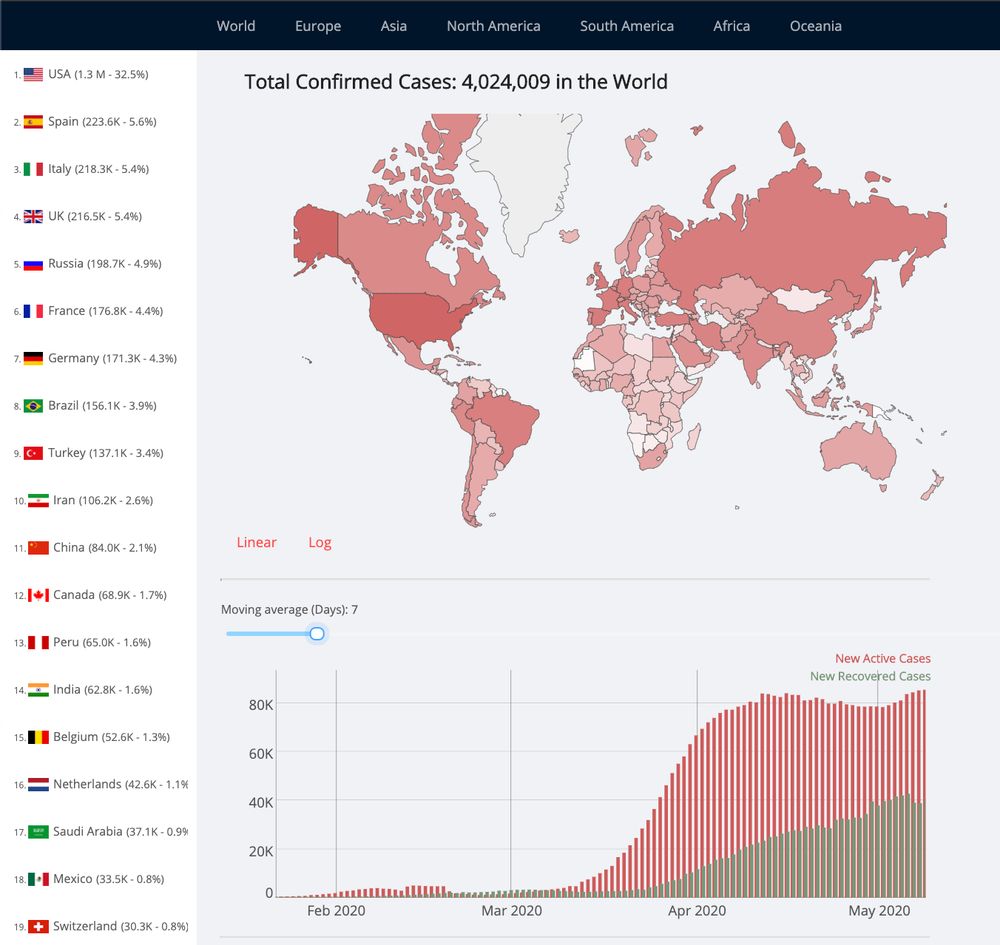
Last Easter holidays I set up this COVID-19 dashboard in one of my personal domains to follow the cases around the world, particularly in Europe. I used the data provided by the Johns Hopkins University, in particular their daily cases, deaths, and recoveries time series. Using those data points and doing some data wrangling it’s possible to get a lot of insights about what’s currently happening in the world.

The last time I blogged about this topic was exactly one month ago and there have been a lot of developments since then:

  • In April I mentioned the US has become the new epicenter of the COVID-19 pandemic and that’s still the case, but on a different scale. With over 1.3 million active cases, the United States accounts for 32.5% of all cases worldwide today. The situation in New York City is much better than it was then, but there are now multiple cases in rural areas, particularly in towns with meat processing plants
  • The situation in the United Kingdom is dire as well. As of yesterday they have reported 31.3k deaths and 216.5k active cases, and they have less than 1k patients recovered from the disease. Famously, Boris Johnson got infected himself, requiring hospitalization and even ICU admission for a couple of days.
  • In contrast, Germany has been recognized as one of the countries that has dealt with the pandemic in a responsible way using a science-based approach. They are still in the list of the Top 10 countries most affected by the disease but the death rate has been really low during the evolution of the pandemic.
  • The Kiwi strategy has been one of the most successful ones in the world. A headline in the prestigious Lancet magazine summarises it all: New Zealand eliminates COVID-19. The administration of Jacinda Ardern couldn't be more proud of their decisions!

COVID19: More than 1.5 millon cases


Talking about exponential growth ... back on the 31st of January, when I heard the novel coronavirus mentioned in the news I blogged about how there were "9776 cases confirmed affecting 20 countries already, with the vast majority in China", regarding this '2019-nCoV' virus as it was known back then.

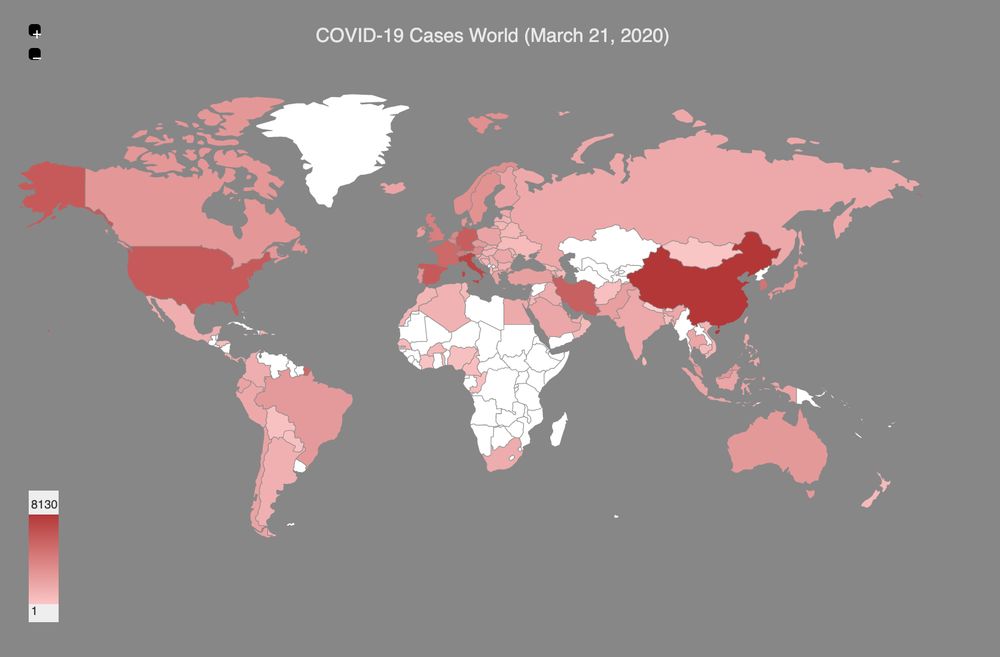
2.5 months later, this number has jumped to more than 1.5 million cases, becoming a pandemic, affecting most of the nations in the world. Italy and Spain were hard hit, as well as the US, a country that has become by far the new epicenter of this disease.

The strict social distancing rules have slowed down the transmission in the communities adopting these measures (with the unfortunate side effect of paralyzing the economies). Let's cross our fingers that all those efforts will contain this nasty virus.

83k COVID19 Cases in the US


The COVID-19 cases continue to climb in the world, and the United States of America clearly have become the new epicenter with 85,991 confirmed cases, 18,050 more compared with the previous day. They really need to set up a working national policy!

COVID-19 307k Cases World Wide


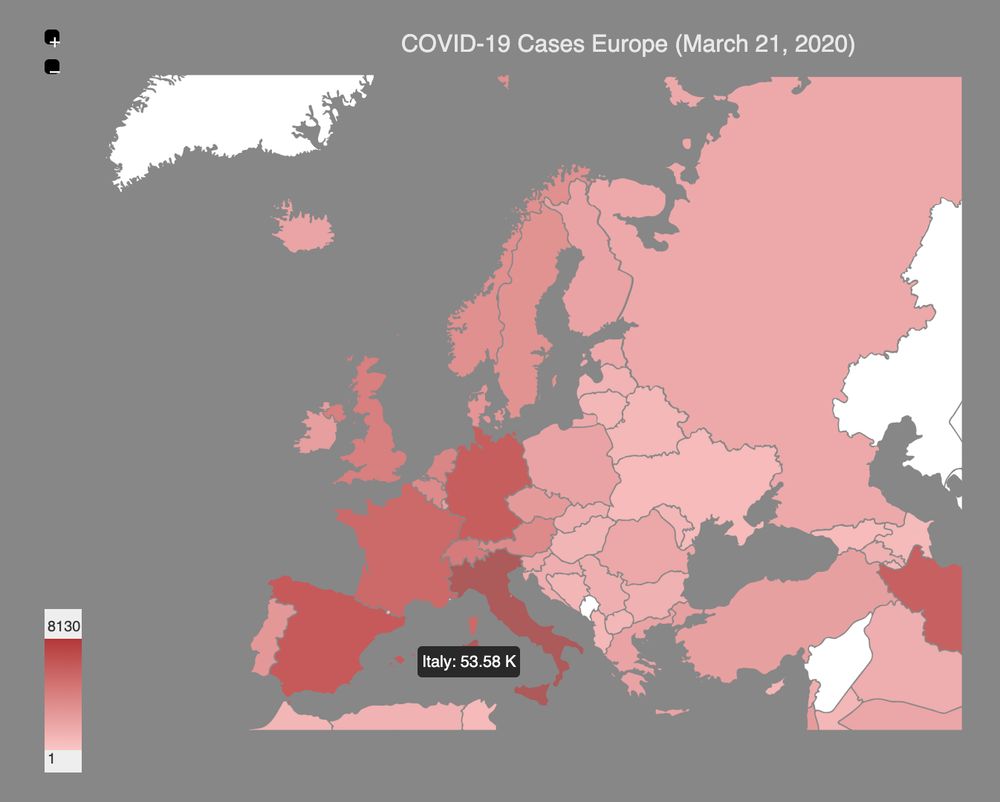
According to the latest data aggregated by the Johns Hopkins University world cases dashboard, there are 307277 COVID-19 confirmed cases in the world. Europe is still an epicenter of the disease with more than 50k cases in Italy, but also more than 10k cases in France, Germany and Spain.

There are more deaths reported in Italy (4825) than were reported in China (3265). The US has the highest number of active cases (26747) after Italy.

In many places of the world there are measures in place to encourage or force people to stay home. Please stay safe!

COVID-19 Cases in Europe


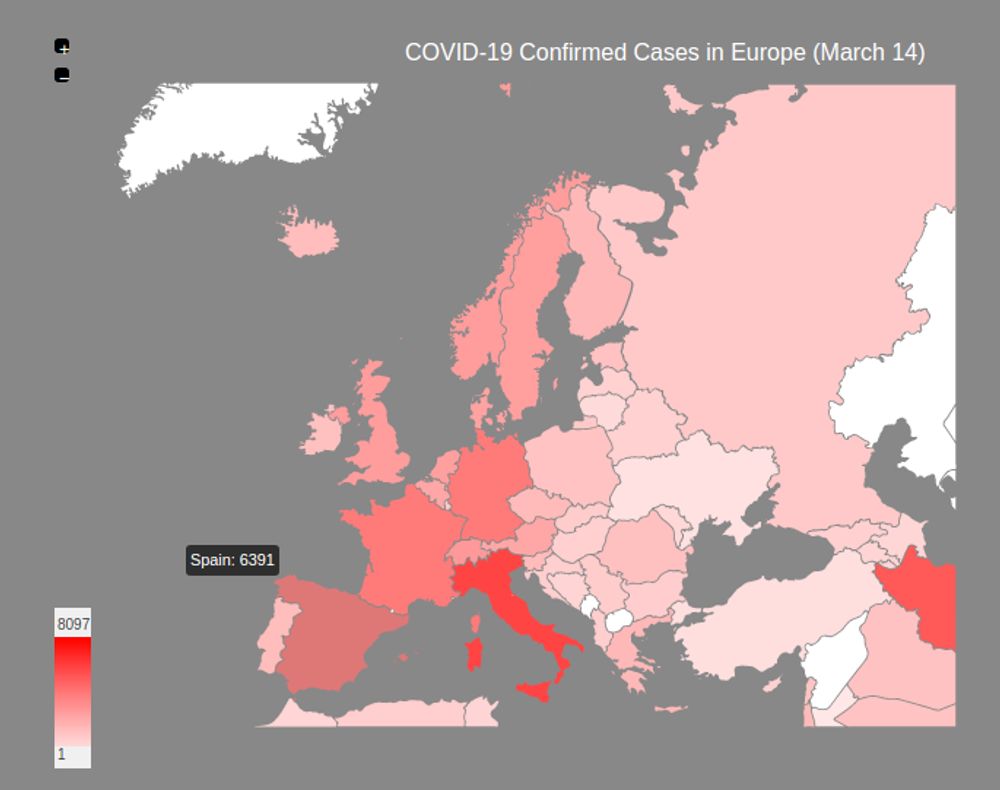
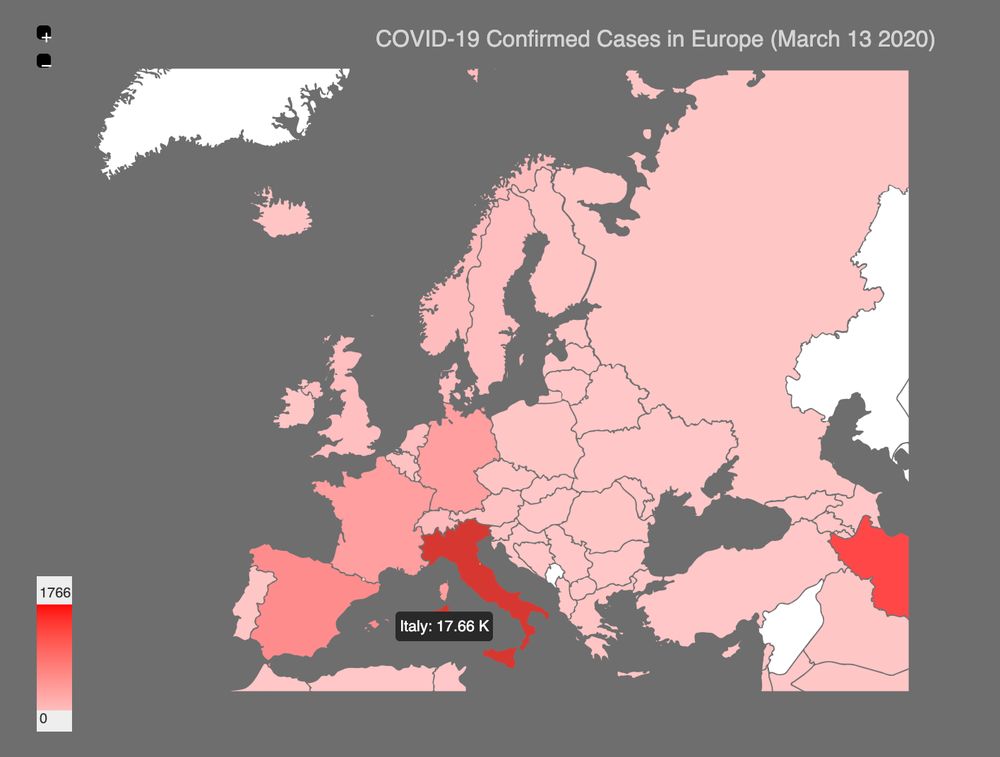
According to the WHO, Europe has become the new epicenter of the COVID-19 pandemic as the deadly coronavirus runs through Italy and nearby countries including Germany, Switzerland, and France. It's the same situation in Spain where the total number of cases increased dramatically during the last 2 days, leading the government to put in place drastic measures to slow down the transmission of the virus.

COVID-19 Worldwide Cases


One month ago I was blogging about how the 2019-nCoV coronavirus had been in the news lately because of the human-to-human transmission and its rapid spread both in China and outside its borders.

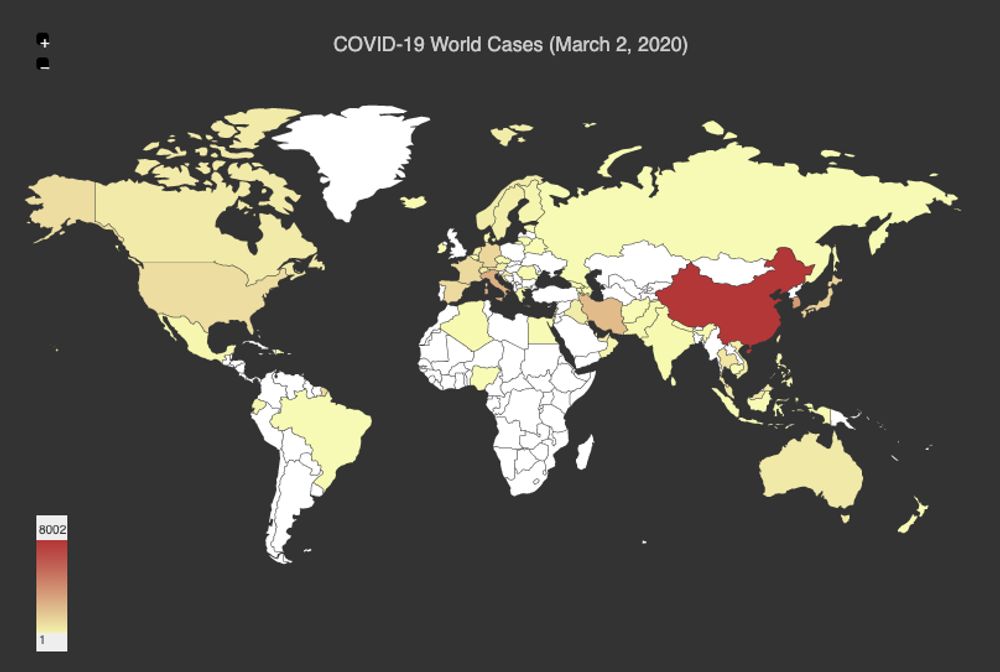
At the end of January there were 9776 confirmed cases in China, but one month later this number was around 80k, and Iran, South Korea, and Italy had become additional geographical points with more than 1k cases.

The COVID-19 virus, as it's called now, is a public issue all around the world, and preventive measures will have to be in place to slow down the spread of this disease.

The following animation from Wikipedia shows how the virus has been spreading fast in a couple of months.

Again for reference this is the Johns Hopkins University world cases dashboard, using the most recent data available.

Corona Virus (2019-nCoV) Cases


The 2019-nCoV coronavirus has been in the news lately because of the human-to-human transmission and its rapid spread both in China and outside its borders. This virus apparently originated in animals, and it was first identified in seafood and animal markets in Wuhan, China.

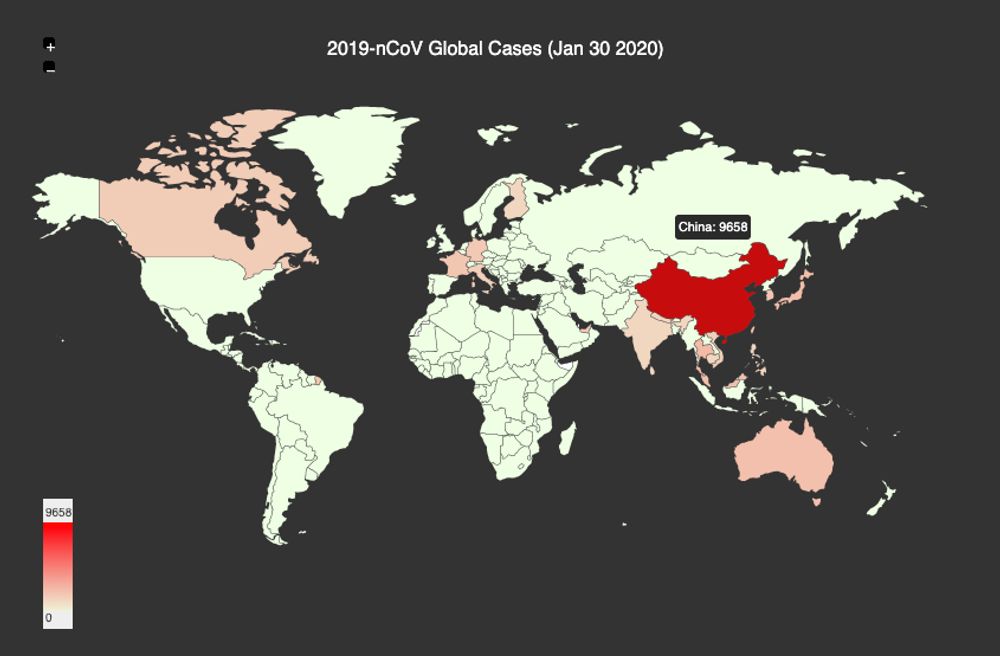
As of yesterday, there are 9776 confirmed cases affecting 20 countries already, with the vast majority in China. Johns Hopkins University is maintaining this world cases dashboard, using the most recent data available.

2019 Measles Outbreak in the US


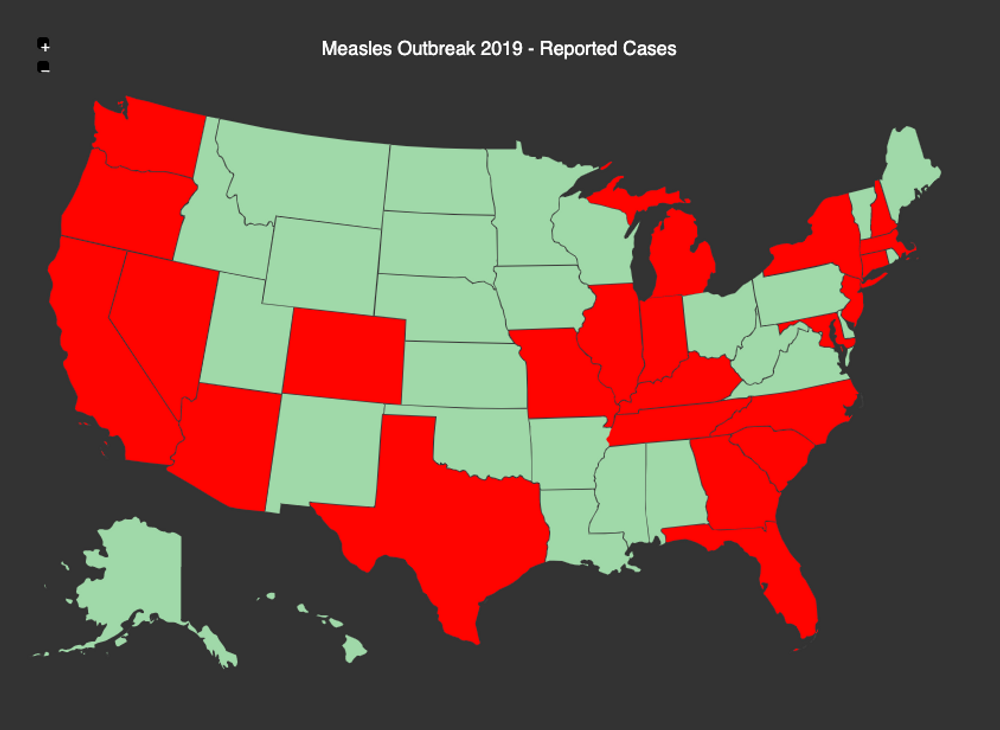
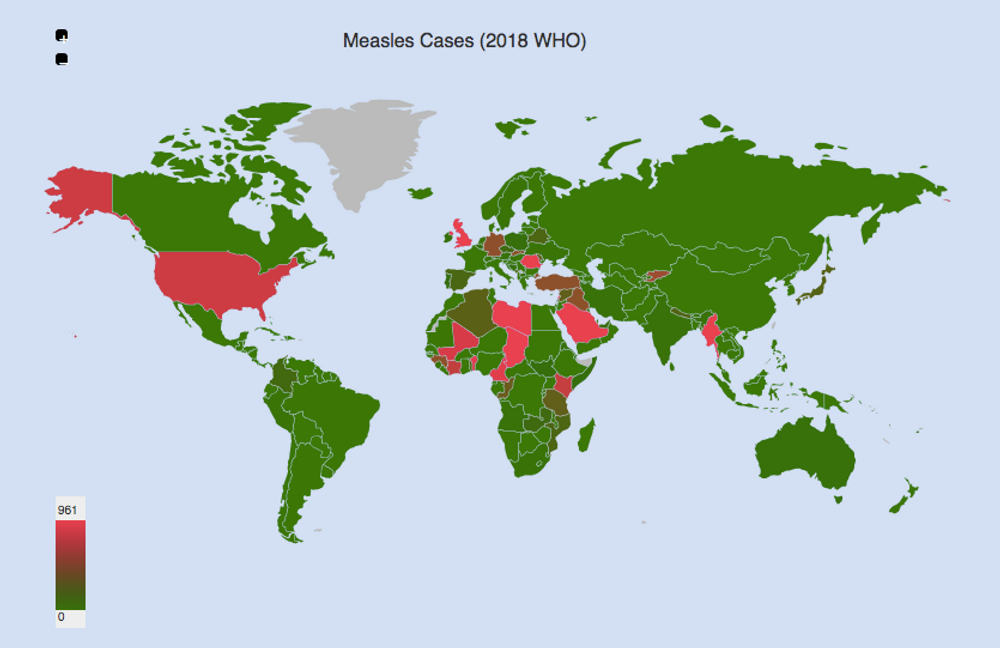
According to the CDC website, there have been multiple cases of measles confirmed in 22 separate US states. This is a sad figure given the fact that measles was declared eliminated in 2000 across the United States. The misinformation promoted by the anti-vaxxer movement is having detrimental effects on the epidemiology of this highly contagious, yet preventable disease.

Measles Cases Map 2018


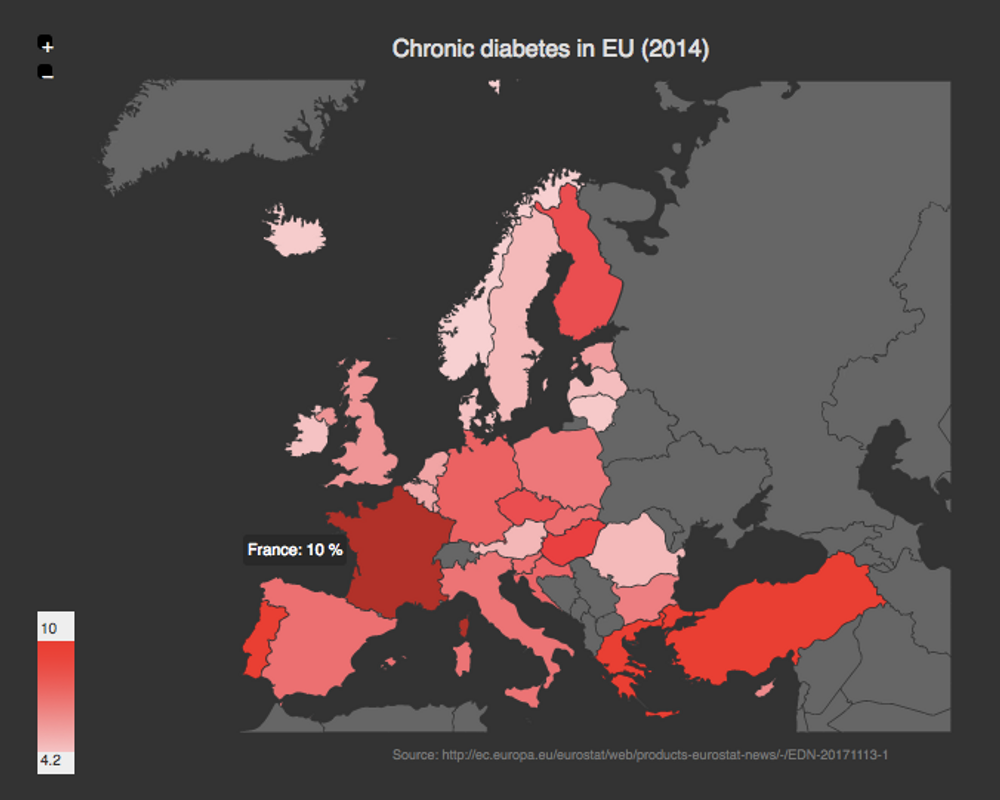
Chronic Diabetes in the EU


Eurostat has an interesting page where they describe how around 30 million people suffer from diabetes in the European Union. It's surprising that France is the country with the highest population of persons suffering the disease.

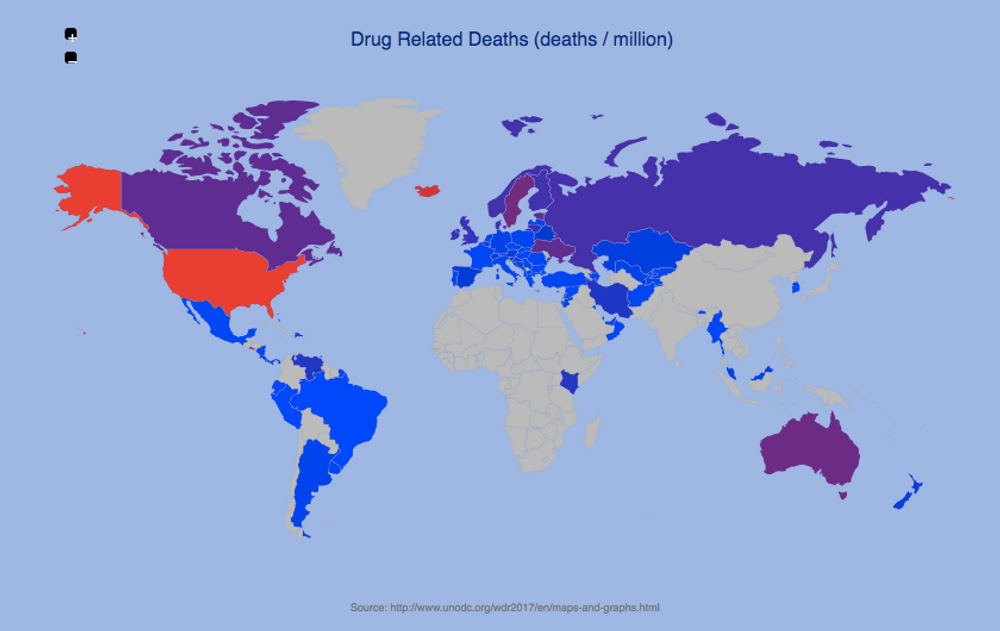
World Drug Related Deaths


Last week an anesthesiologist friend of mine was on TV discussing how in the US opioid abuse has created a huge crisis. I was searching the web for statistics about this subject and I found a 2017 report published by the United Nations Office on drugs and crime that shows that the US indeed has the highest mortality rate related to drugs by far. Those deaths are related mainly to opioids, so the public discussion about this subject is definitely worth it.

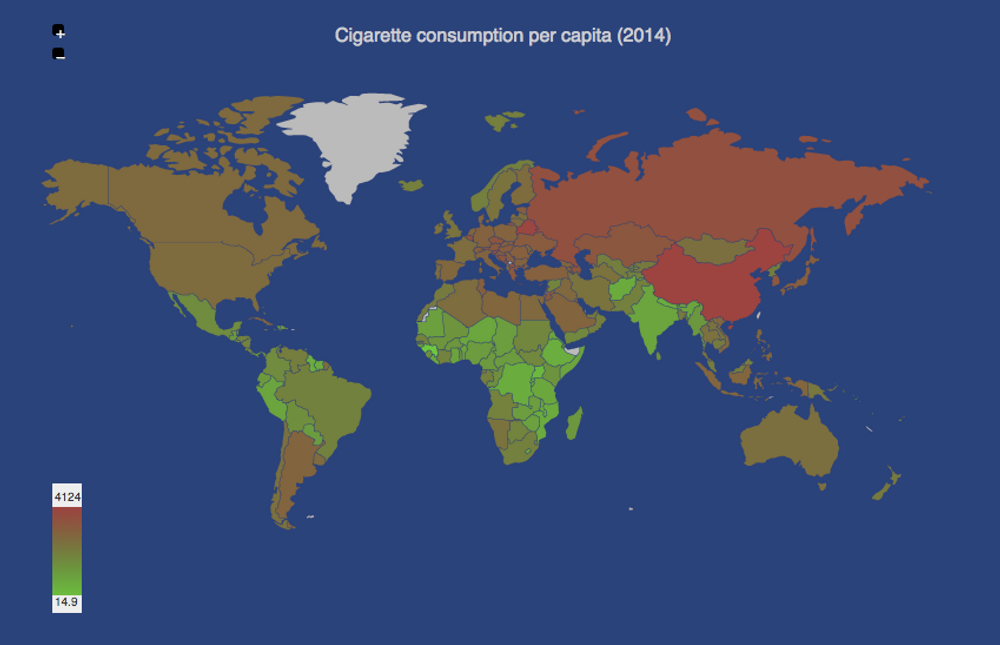
Tobacco consumption per capita


Yesterday was World No Tobacco Day, an event established by the member states of the World Health Organization (WHO) in 1987. This day serves as a good reminder of global tobacco consumption. The dataset available in Wikipedia shows that China is the biggest consumer in the world. Unfortunately, this consumption is on the rise in developing nations.

Polio Vaccination Coverage


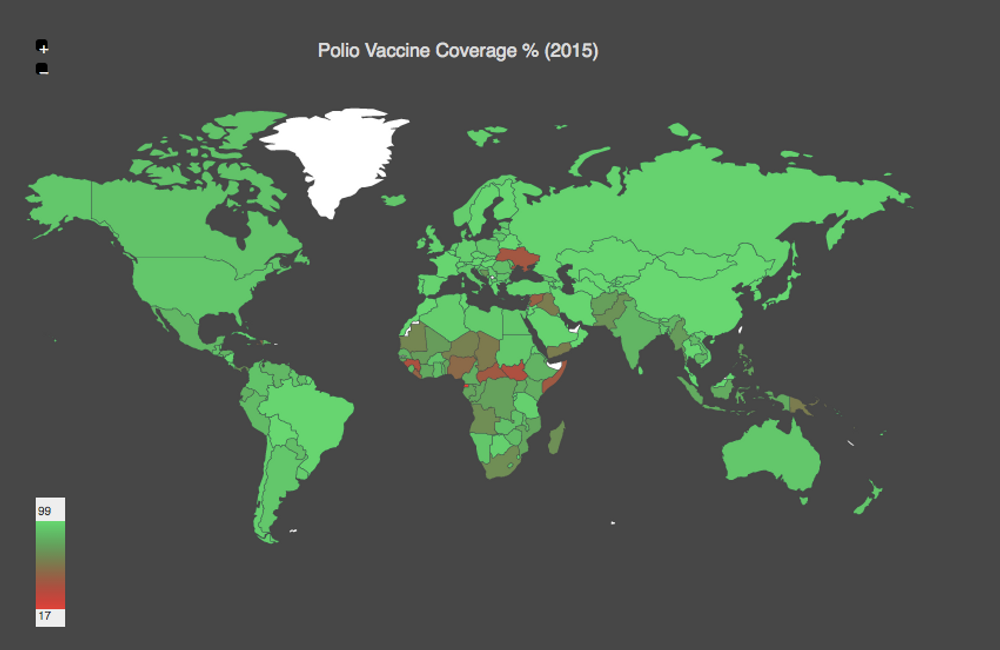
The World Health Organization has some datasets related to the immunization coverage around the world. The map above is generated with the estimates related to Polio. As you can see in the cases of Ukraine, Syria, and South Sudan, the conflicts don't only destroy people's lives but also decrease the immunization coverage massively.

Percentage of Europeans that do excersise


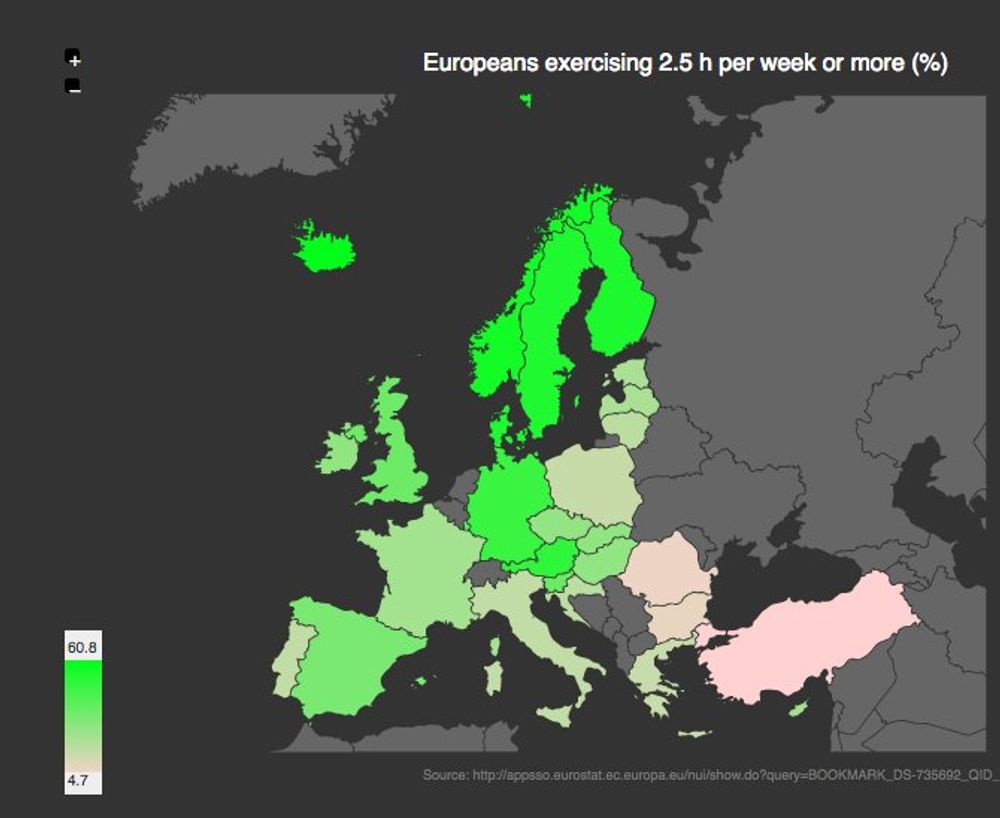
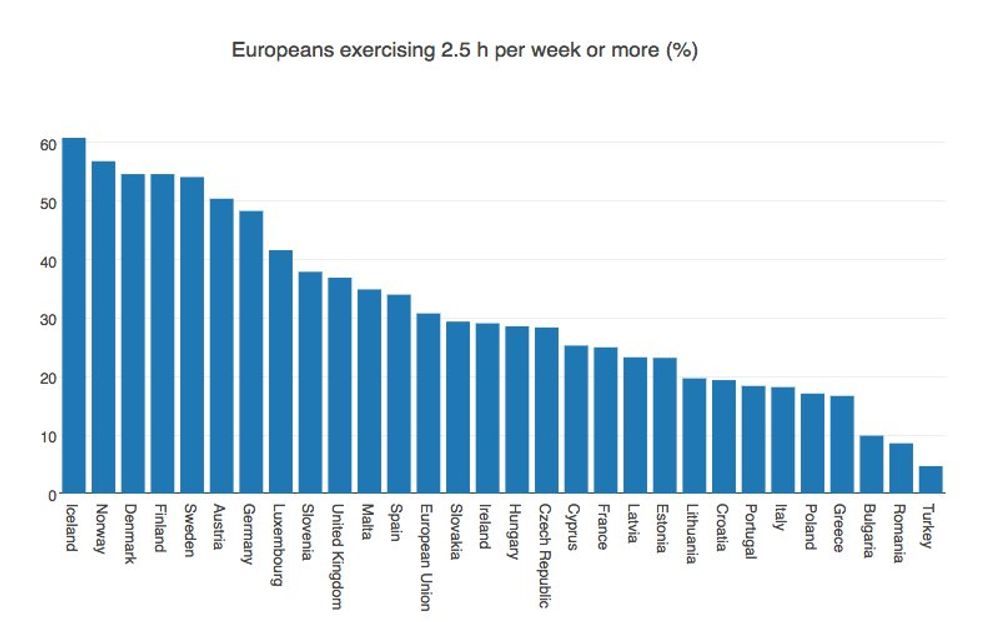
Eurostats has an interesting dataset with the time spent exercising per country in Europe. It's not surprising that the countries that exercise 2.5h or more are the Scandinavian countries: Iceland, Norway, Denmark, Finland, and Sweden. Way to go Scandinavia!

Update on the Zika virus in America


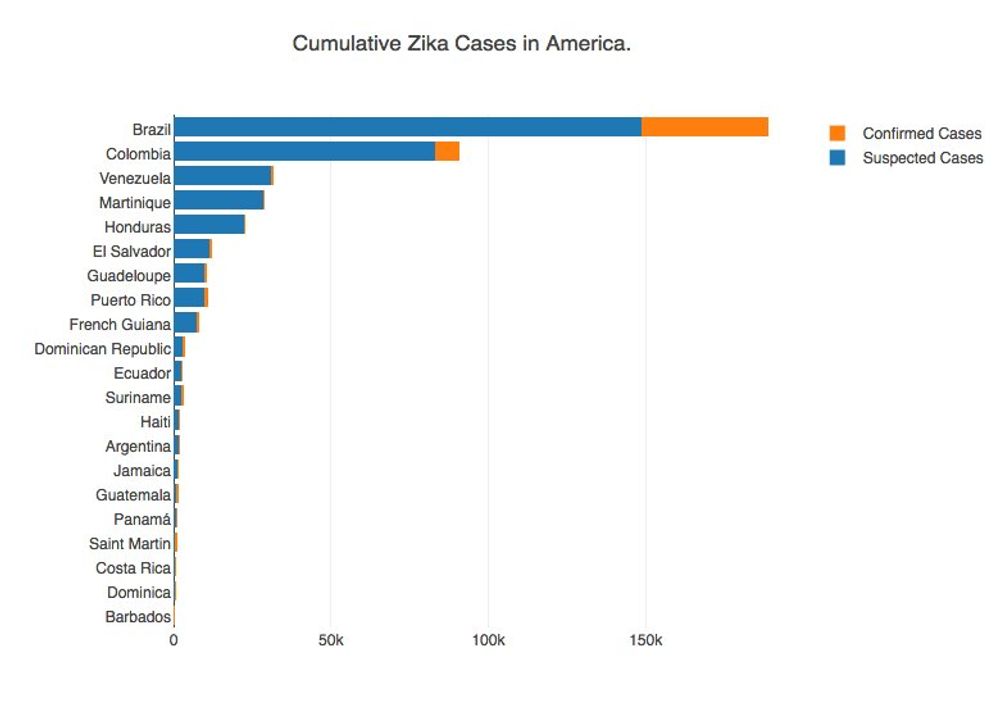
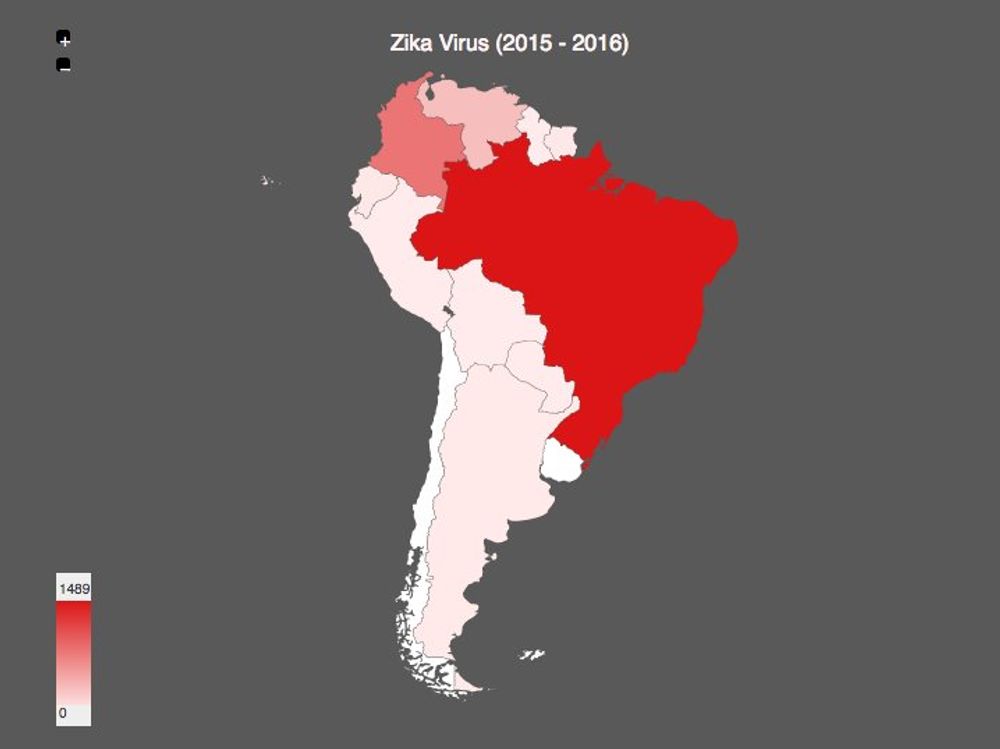
According to the Panamerican Health Organization, Brazil, Colombia, Venezuela, and Martinique are the countries most affected by Zika, based on the cumulative number of suspected and confirmed cases. Brazil is by far the most affected country with more than 148k cases suspected and almost 40k cases confirmed.

Europe Death Statistics


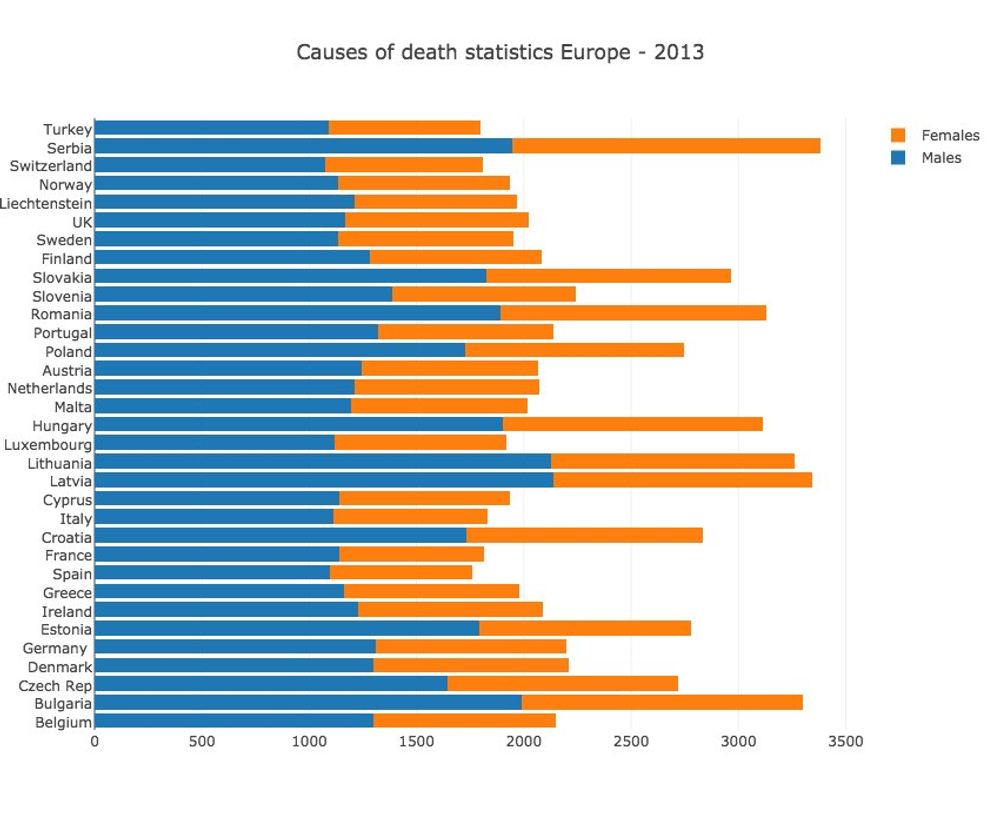
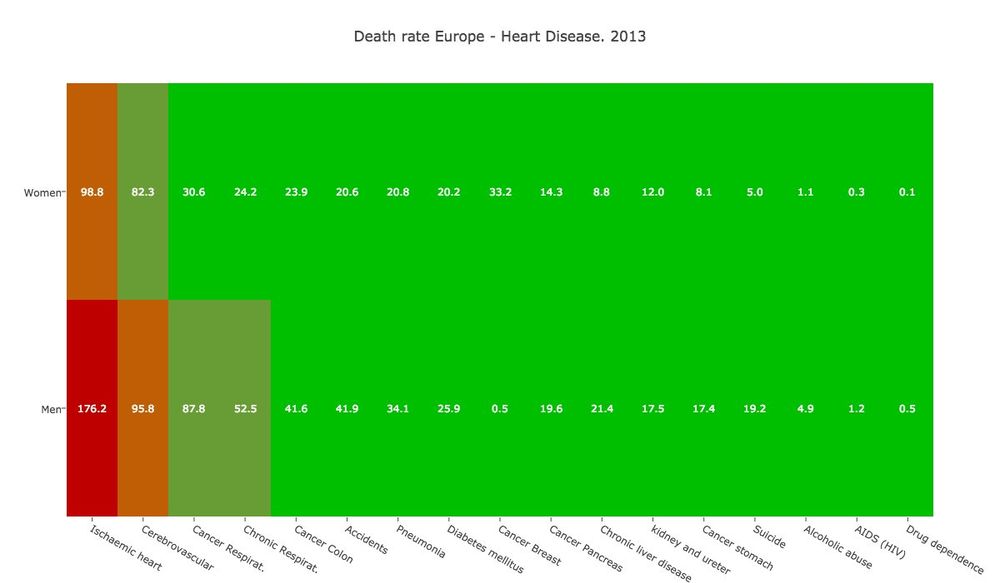
Eurostat has a dataset with statistics on causes of death in the European Union (EU). The highest rate happened in the Baltic countries of Latvia and Lithuania. Heart disease is the leading cause of death across Europe.

The world is becoming obese


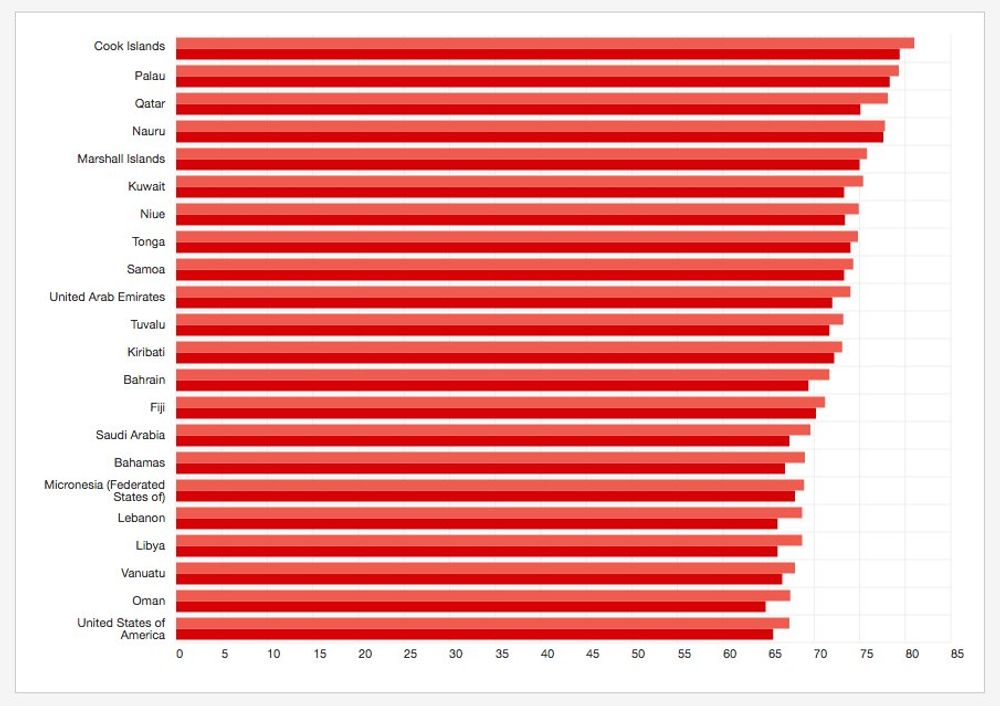
A recent article published by The Lancet magazine shows that obesity is becoming a real-world health problem more than the underweight issue. They used population-based data sources, with more than 19.2 million adult participants in 186 of 200 countries and found that the number of obese people has increased from 105 million in 1975 to 641 million in 2014.

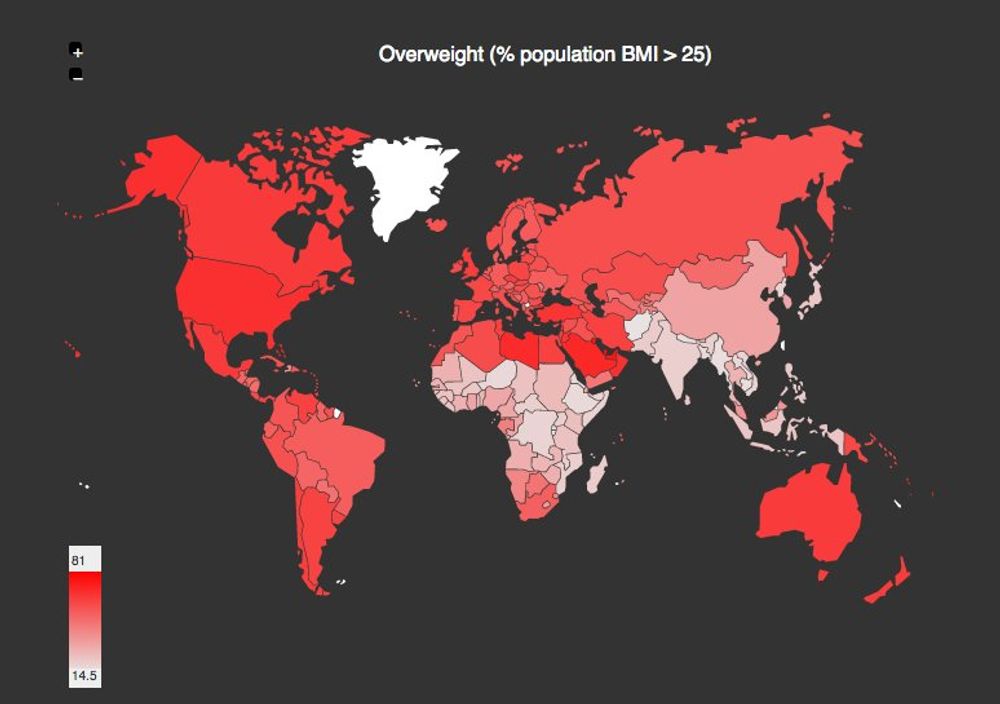
The World Health Organization also publishes data about Obesity and Overweight, and the percentage of the population with overweight (BMI > 25) is more than half of the population in almost all the industrialized countries in the world:

This problem is particularly bad in the Pacific Islands.

Most And Less Common Blood Type


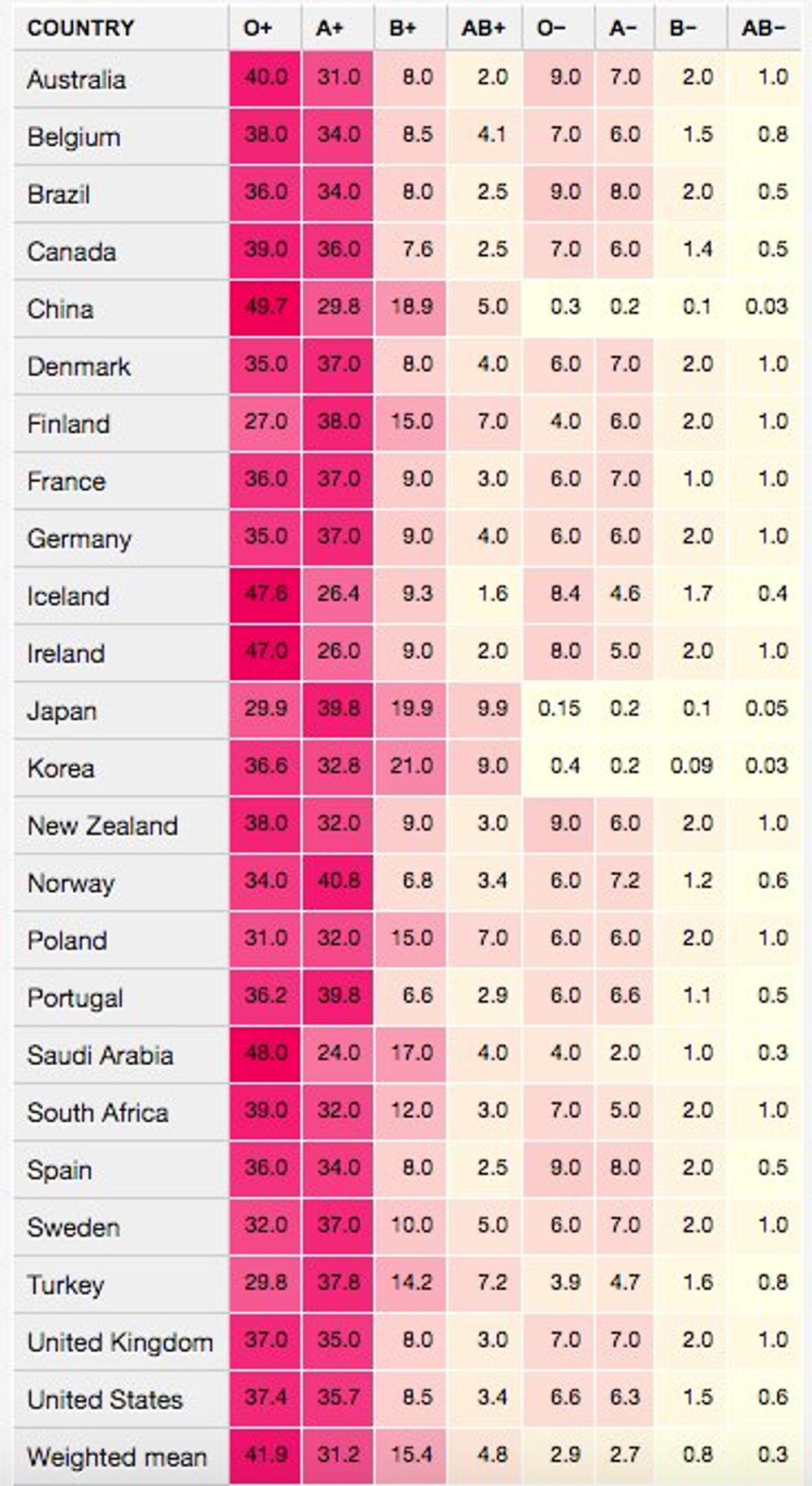
When I was at school, I learned the blood type 0+ was the most common one and AB- the rarest one. Wikipedia has a good article about this information with a breakdown by country.

O+ and A+ are the most common ones and AB- is the least common.

Abortion Restriction Laws In The US


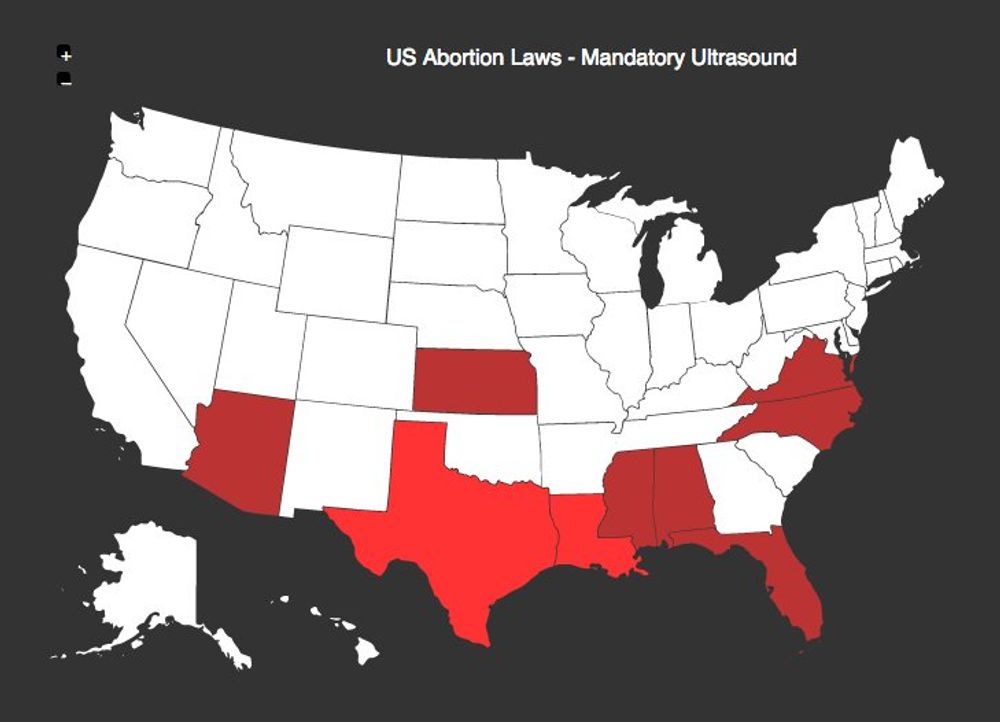
The last episode of the excellent show Last Week tonight from John Oliver dealt with a very contentious issue in the US: <a href="https://www.youtube.com/watch?v=DRauXXz6t0Y". I really like the approach that he took on this matter, acknowledging there are different positions on this topic, but hammering the "hypocritical" laws that, under the umbrella of protecting the "Women's health" target="_blank">The abortion laws</a> create barriers for people who need this medical procedure and unfortunately don't have the money to go somewhere else.

The next map shows the US states that had enacted laws to force women requiring an abortion to see an ultrasound of the unwanted pregnancy:

Prevalence Of Aids / HIV


I saw an editorial piece last weekend on The Guardian where the author asked the question: If condoms are OK for Zika, why not Aids, Pope Francis? I thought it's true that the HIV/AIDS infection is rarely mentioned in the news nowadays. There has been huge progress in HIV/AIDS treatments since the time I was a medical student, but the prevalence of HIV (the percentage of a population that is affected by the virus at a given time) is still bad, particularly in Sub-Saharan Africa:

2016 Outbreak Of The Zika Virus.


I have to confess I had never heard about the Zika virus until I started reading about it in some Colombian newspaper articles a couple of weeks ago. The outbreak of this virus in South America and the Caribbean has been in the international news lately because infection in pregnant women is unfortunately associated with microcephaly.

The incidence of those malformations has increased substantially in Brazil and it is apparently related to Zika, so there are now travel warnings in place to the countries affected by this virus: