Historic Elections in Hungary


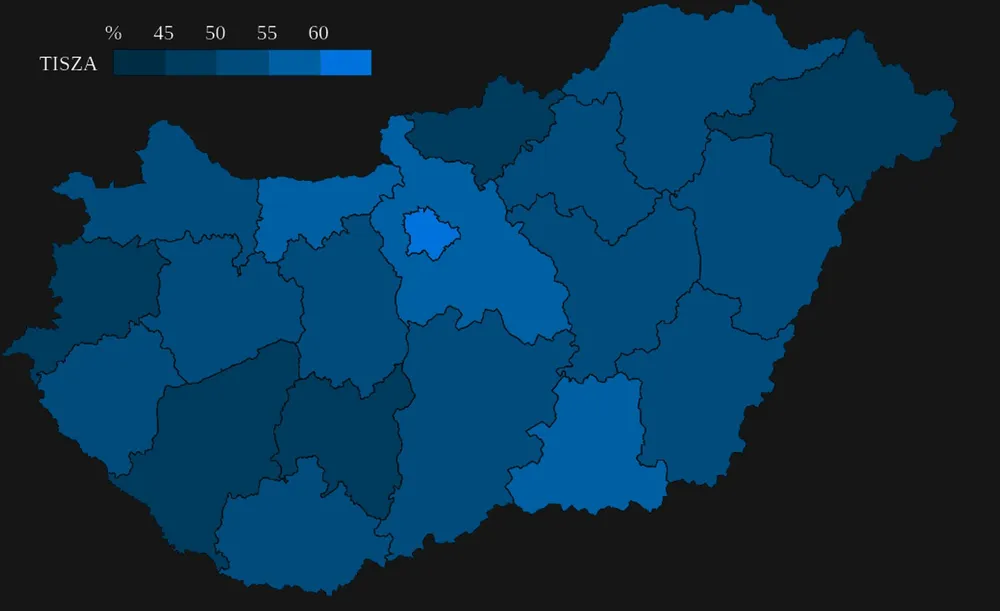
Last weekend Hungary's parliament delivered a dramatic political shift, as Péter Magyar's centre-right Tisza Party swept Viktor Orbán from power in a landslide, ending sixteen years of uninterrupted Fidesz rule. Tisza secured 138 of the 199 parliamentary seats on over 53% of the vote, surpassing the two-thirds supermajority threshold required to amend the constitution. Orbán, who had styled himself as the architect of an "illiberal democracy" and cultivated close ties with both Putin and Trump, conceded defeat, calling the result "clear" and "painful."

Hungary’s election result has major international significance. EU leaders have welcomed it as a sign that the country is realigning with Europe and may restore democratic standards. Orbán’s loss is seen as a stunning setback for the European right and for the system he shaped. It is a badly-needed breath of fresh air in the current climate.

Orgullosamente Americano


Nací en América. No en los EE.UU., sino en el continente americano, donde vive una enorme población que habla español como lengua materna. Ahora, no soy muy gran fan del fútbol americano, pero no se puede negar que sus shows de medio tiempo son legendarios, así que tenía curiosidad acerca de la presentación del puertorriqueño Bad Bunny.

Su música no es algo que normalmente escucho, pero no se puede negar que ese artista es extremadamente popular y es muy bello ver lo orgulloso que está de su herencia puertorriqueña y cómo sus interpretaciones son exclusivamente en español.

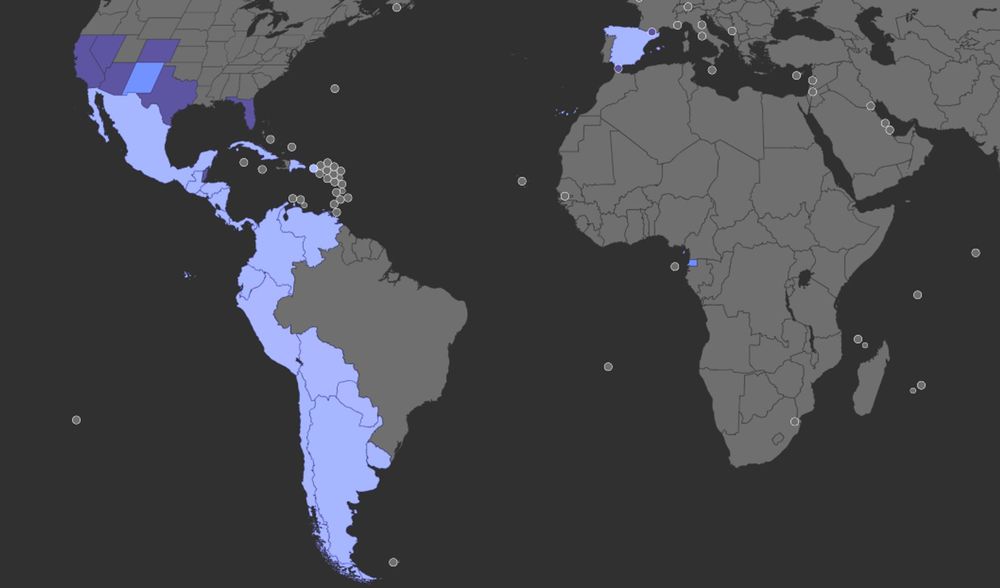
Así que vi ese espectáculo hace un rato en YouTube y fue realmente bastante entretenido, pero hubo un momento que en verdad me tocó el corazón: El final, cuando recordó a los espectadores que América no es solo los Estados Unidos, sino una multitud de países que van desde el Cono Sur hasta el río Grande, donde el español es su lengua materna. Esa es una proporción enorme del continente americano. ¡Y Estados Unidos tiene más hispanohablantes que mi patria natal!

Así que, como ya compartí antes con mi amiga irlandesa, estoy orgulloso de ser un Americano de habla hispana, un sudamericano, pero Americano al fin y al cabo!


BanderaPaís / TerritorioHispanohablantes (aprox.)Estatus del español
🇲🇽México~138.000.000Oficial / lengua principal
🇺🇸Estados Unidos~65.500.000Segunda lengua muy extendida
🇨🇴Colombia~53.100.000Oficial
🇪🇸España~48.900.000Oficial
🇦🇷Argentina~47.500.000Oficial
🇵🇪Perú~30.600.000Oficial
🇻🇪Venezuela~29.400.000Oficial
🇨🇱Chile~20.200.000Oficial
🇬🇹Guatemala~16.700.000Oficial
🇪🇨Ecuador~16.500.000Oficial
🇧🇴Bolivia~12.100.000Oficial (junto a otras lenguas)
🇨🇺Cuba~11.000.000Oficial
🇩🇴República Dominicana~10.700.000Oficial
🇭🇳Honduras~9.800.000Oficial
🇵🇾Paraguay~7.600.000Oficial (con guaraní)
🇳🇮Nicaragua~7.100.000Oficial
🇸🇻El Salvador~6.300.000Oficial
🇨🇷Costa Rica~5.300.000Oficial
🇵🇦Panamá~4.000.000Oficial
🇺🇾Uruguay~3.300.000Oficial
🇵🇷Puerto Rico (EE. UU.)~1.600.000Lengua principal de facto
🇬🇶Guinea Ecuatorial~1.000.000Oficial

Ahora el gran número de hablantes de español en Estados Unidos se explica por una combinación de colonización histórica e inmigración, y esa mezcla es clave.

El español ya estaba presente siglos antes del inglés en amplias zonas del actual territorio estadounidense, y cuando el país se expandió en el siglo XIX (ejem colonización!), muchas poblaciones hispanohablantes no se desplazaron: fue la frontera la que cambió.

A esto se suman grandes oleadas de inmigración desde México, el Caribe, Centroamérica y Sudamérica, además de la transmisión familiar del idioma, una demografía joven y un fuerte apoyo educativo y cultural.

Por eso, el español en EE. UU. no es solo una lengua de inmigrantes, sino una lengua patrimonial que se renueva y mantiene generación tras generación.

El español llegó temprano, se quedó, y sigue creciendo… así que deal with it FFS 😌!!.
Another day running a VPS


I run a small VPS for some personal projects, and I often check the SSH logs to see who’s trying to break in. I have the standard setup: key-based authentication, password login disabled, non-default ssh port and fail2ban configured to block IPs after a few failed attempts. But that doesn’t stop the bots from trying.
This week, I decided to do a little analysis of the SSH logs to see where the attacks are coming from and the results are not surprising but still interesting.

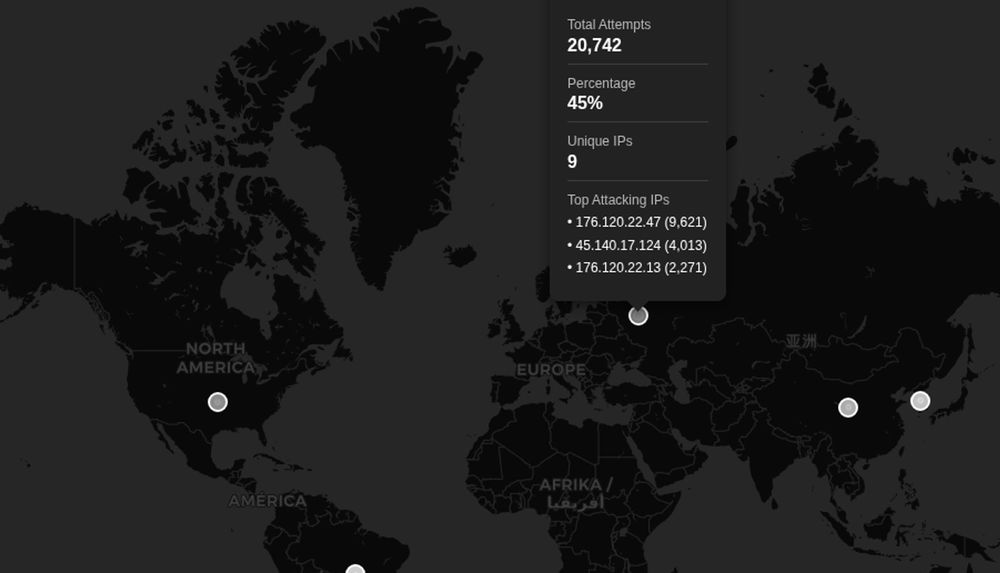
Nearly 31,000 failed login attempts from the top 20 IPs alone. Russia takes the lead with 45% of attacks (20,742 attempts), followed by the US at 30% (8,163 attempts). One particularly persistent Russian IP tried over 9,600 times. Points for determination, I guess?

The geographic diversity is almost impressive: Russia, US, China, Brazil, and South Korea are all represented. It’s like a World Cup of “please let me into your server.”

This is just life when you have an ssh server exposed to the internet. I decided to add some additional security measures this week after seeing the data, but I wanted to share the conclusion of this analysis as a public service to anyone else who might be running a VPS with SSH access.

Stay safe out there.


Top 20 most common IP addresses

RankIP AddressCountryAttempts% bar
1176.120.22.47Russia9,621████████████████
2209.38.216.89United States5,613█████████
345.140.17.124Russia4,013███████
4176.120.22.13Russia2,271████
587.121.84.136Russia2,252████
691.202.233.33Russia1,166██
7167.99.72.161United States1,100██
8222.120.161.213China1,087██
945.135.232.92Russia631
10210.79.142.221South Korea602
11165.22.216.148United States553
12216.10.242.161United States436
1347.251.142.10China360
145.104.86.151Russia300
1545.148.10.121Russia288
1668.183.234.194United States237
17181.116.220.140Brazil232
18209.38.85.78United States224
19189.50.142.82Brazil222
20157.173.199.44Russia193

EU Life Expectancy Post-COVID-19


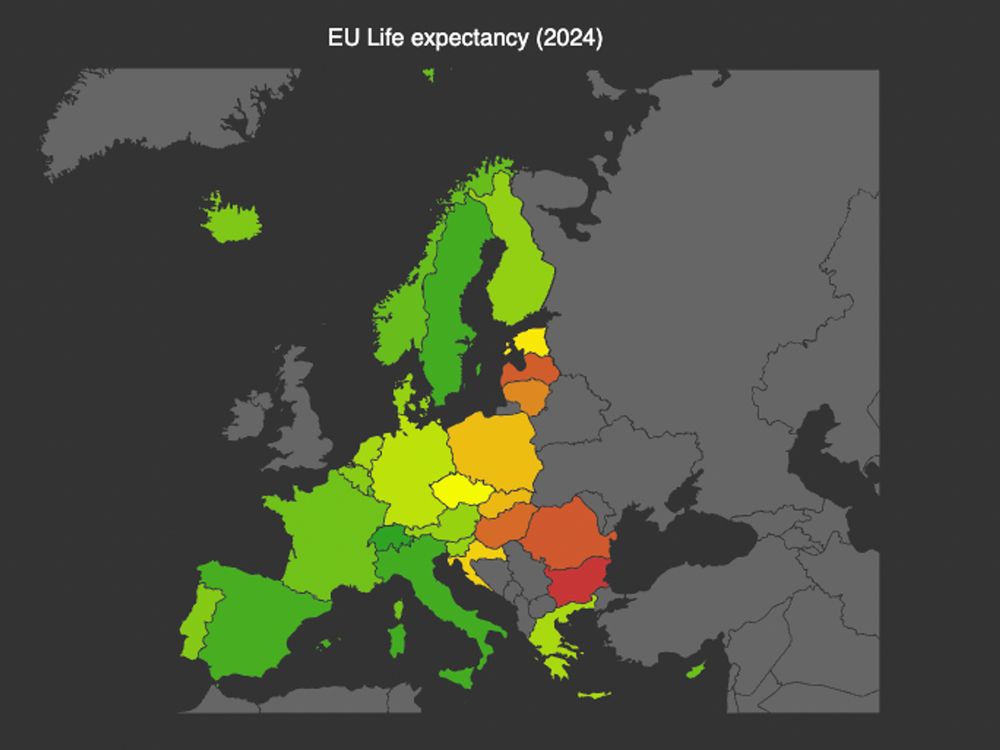
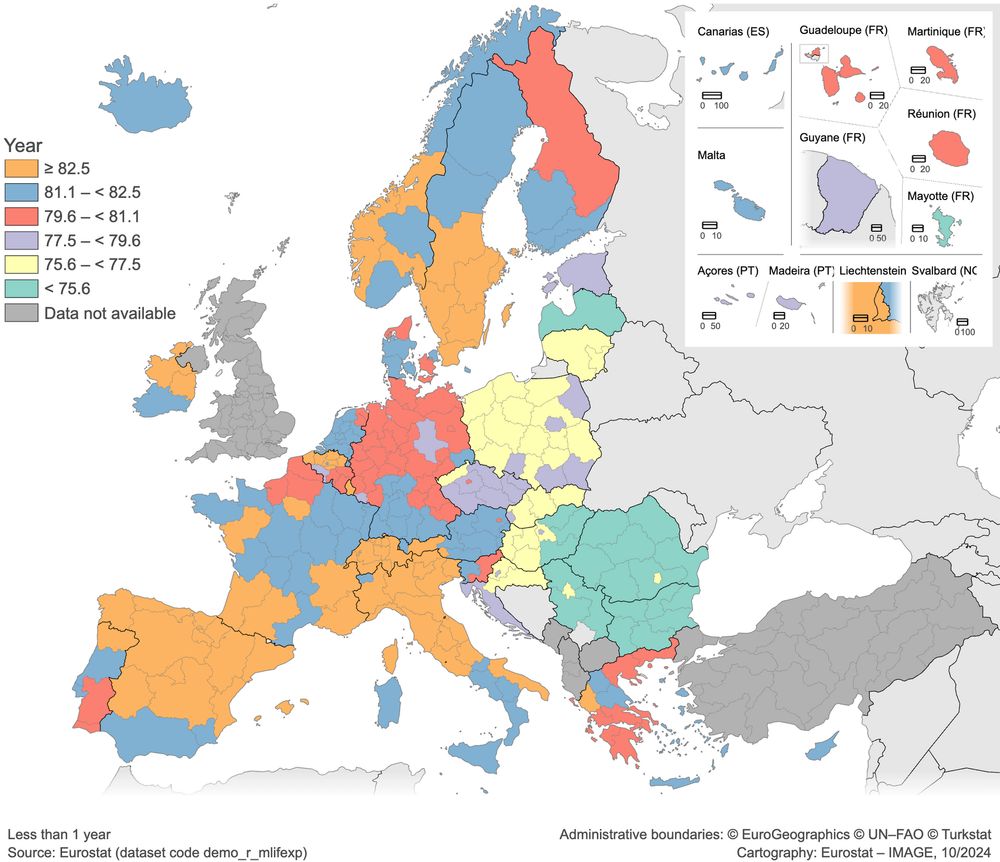
According to some data published recently by Eurostat, life expectancy at birth in the European Union climbed to 81.7 years in 2024, an increase of 0.3 years compared with 2023.

The figures show notable differences across member states. Italy and Sweden are at the top of the rankings at 84.1 years, followed by Spain at 84.0 years. At the other end of the spectrum, Bulgaria (75.9), Romania (76.6) and Latvia (76.7) recorded the lowest life expectancy.

It's interesting how most countries have now surpassed their pre-pandemic levels. Of the 26 EU countries with available data, 24 saw improvements between 2019 and 2024. The biggest gains were observed in Lithuania (+1.1 years), Czechia, Latvia, and Romania (+1.0 each).

These 2024 results suggest that many EU countries have not only recovered from the setbacks of the COVID-19 pandemic but are continuing to make gradual progress in public health and longevity.

Life expectancy in Europe 2022


Europe's Eurostat (European Statistical Office) offers a really useful tool called IMAGE, which allows users to create professional thematic maps using NUTS (Nomenclature of Territorial Units for Statistics) boundaries and statistical regions. The tool is user-friendly and offers a wide range of customization options, including color schemes, data classification methods, and labels.

Using this tool, I created the image above, highlighting stark contrasts in life expectancy across European regions. Switzerland and Spain lead with impressive numbers, with some Spanish regions reaching a life expectancy of up to 85.2 years. Swiss citizens also enjoy longevity, with most regions reporting life expectancies between 83 and 84.6 years. In contrast, Bulgaria presents a different picture, with life expectancy as low as 72.3 years in some regions – revealing a gap of nearly 13 years compared to the highest in Europe.

Even within countries, significant variations exist. Take Belgium, where life expectancy ranges from 79.2 to 83.2 years across different regions. Germany shows similar regional disparities. The map also highlights the relatively low life expectancy in Eastern Europe, with most regions in Romania, Bulgaria, and Hungary reporting figures below 75 years.

Happy St. Patricks Day 2024


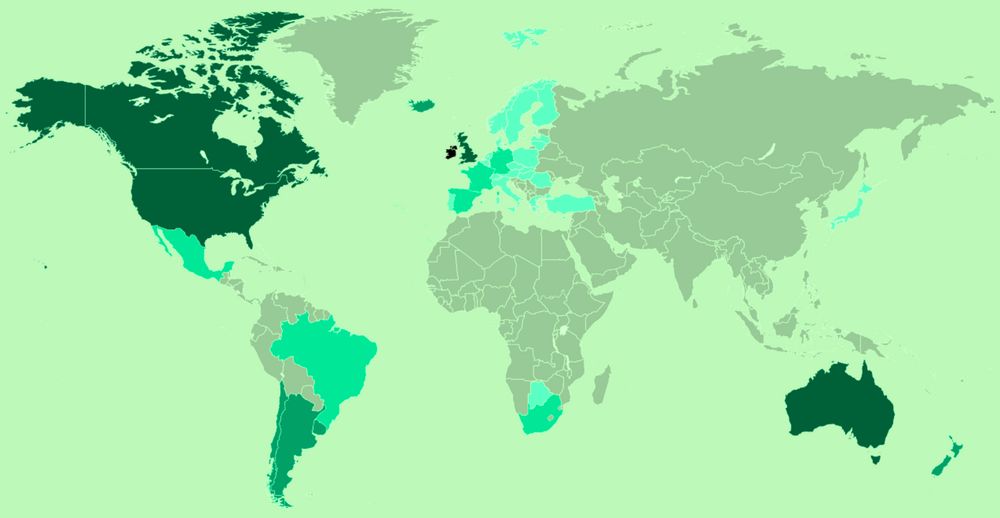
According to Wikipedia, the Irish population is approximately 6.9 million, but the Irish diaspora is estimated to include 50 to 80 million people worldwide, making it one of the largest of any nation.

Historical factors such as conflict, famine, and economic hardships have spurred emigration from Ireland. People of Irish descent are predominantly found in English-speaking nations, notably Great Britain, the United States, Canada, New Zealand, and Australia.

Some significant Irish communities also exist in Argentina, Mexico, Brazil, Germany, and the United Arab Emirates, but the United States hosts the largest population of Irish descent, while Australia boasts the highest percentage of Irish descendants outside of Ireland.

To all of you, my fellow Irish men and women, whether you reside within the shores of the emerald island or beyond, I wish you a happy St. Patrick's Day in 2024!

EU Average rating of satisfaction


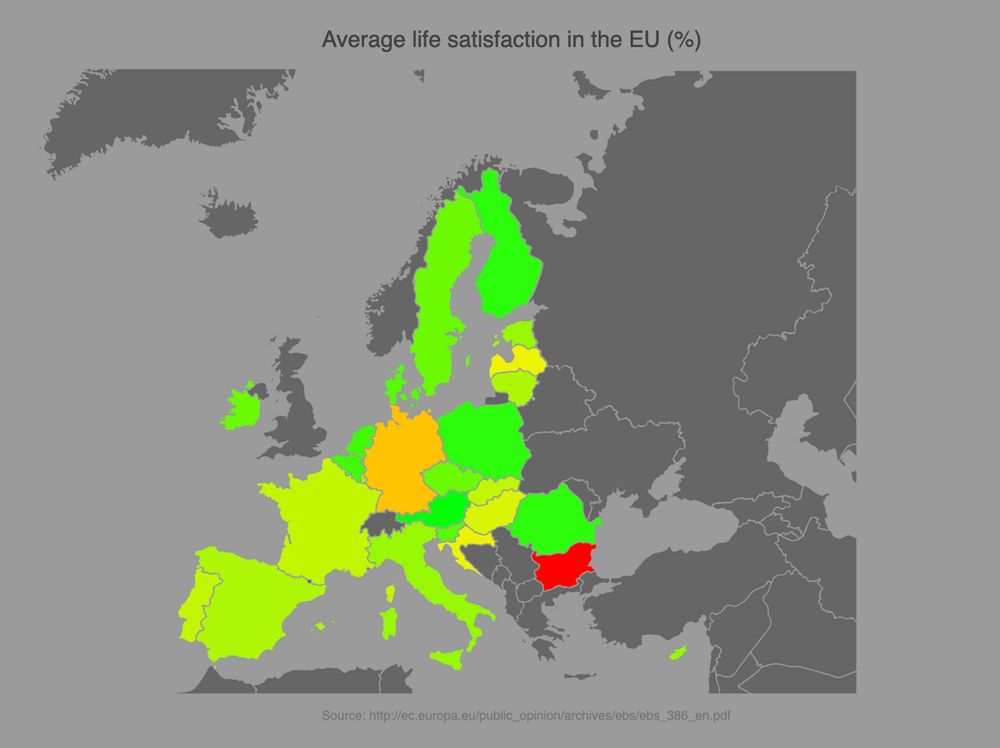
Eurostat, the statistical office of the European Union, regularly publishes data on various social and economic indicators, including satisfaction surveys. According to one of their latest publications, in 2022, the average overall life satisfaction rating in the European Union (EU) was 7.1 out of 10. Across the 27 EU countries, 18 had ratings above or equal to the EU average. Austria had the highest rating at 7.9, followed by Finland, Poland, and Romania, each at 7.7.

It's puzzling how Germany, the economic powerhouse of Europe, has a lower life satisfaction (6.5) rating than the EU average. The article does not explain why this is the case.

Digital Skills in Europe


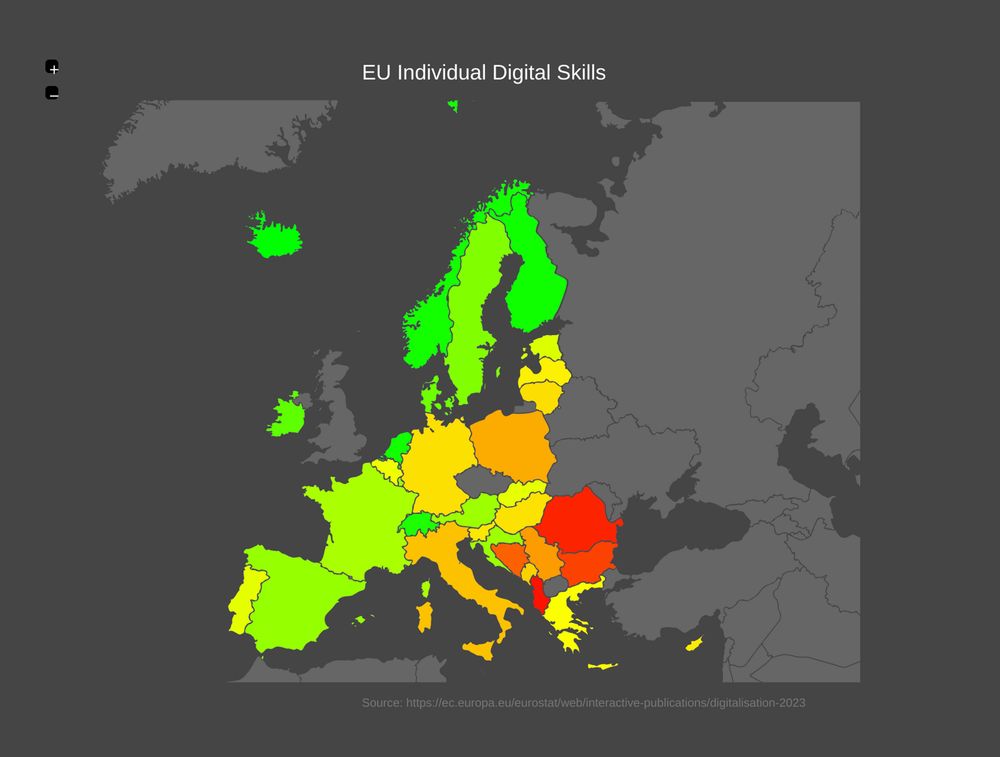
The Eurostats website published an interesting article that emphasizes the increasing importance of digital skills in response to technological advancements. It discusses how the EU aims for at least 80% of adults to have the minimum basic digital skills by 2030.

It also describes how even if around 90% of EU citizens are using the internet weekly, only 54% on average had basic or above basic digital skills in 2021. Finland and the Netherlands led with 79%, followed by Ireland (70%) and Denmark (69%), highlighting disparities in digital proficiency across EU countries.

As more and more of our traditional activities move even further online, investing in digital skills education from an early age would seem to be a wise decision. I hope the EU governments will prioritise it.

Ukranian Refugees in Europe in 2023


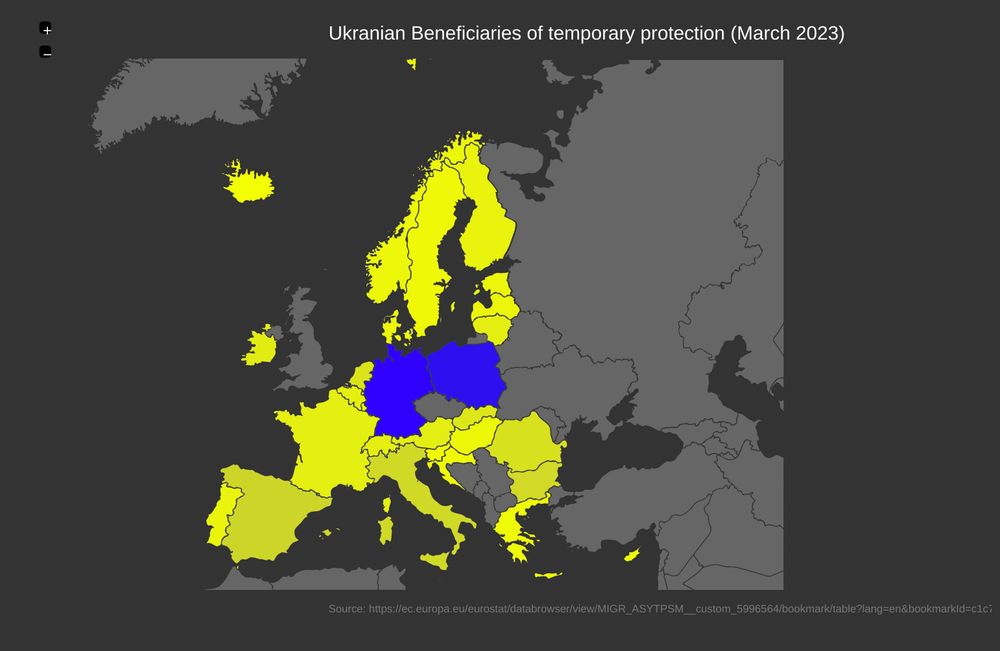
Since the 2022 Russian invasion of Ukraine, the refugee crisis generated by this war has been a major humanitarian challenge. Eurostat tracks data on people granted temporary protection across the Union. The latest data published by the agency shows that Germany has taken in more Ukrainian refugees than any other European Union country except Poland.

As of March 2023, there are over 1 million Ukrainian refugees in Germany. The majority of refugees are women and children, as Ukrainian men are banned from leaving the country based on the mobilization law in place.

Compared to the population of each EU member, the highest numbers of total registered refugees per thousand people in March 2023 were observed in Czechia (30.9%), Estonia (27.8%), Poland (25.9%), Lithuania (24.2%) and Bulgaria (22.5%).

You can find more information about this data on the Eurostat website.

Winter World Cup


A couple of days ago I was chatting to one of my colleagues about how this World Cup has been really weird. Leaving aside all the justified controversies about the way Qatar treats migrant workers, the fact that this World Cup is being played at Christmas time has been really strange. Since I live in Europe, I have always associated this event with summer and people enjoying themselves outside, watching the games and having a good time. That has not been the case in 2022.

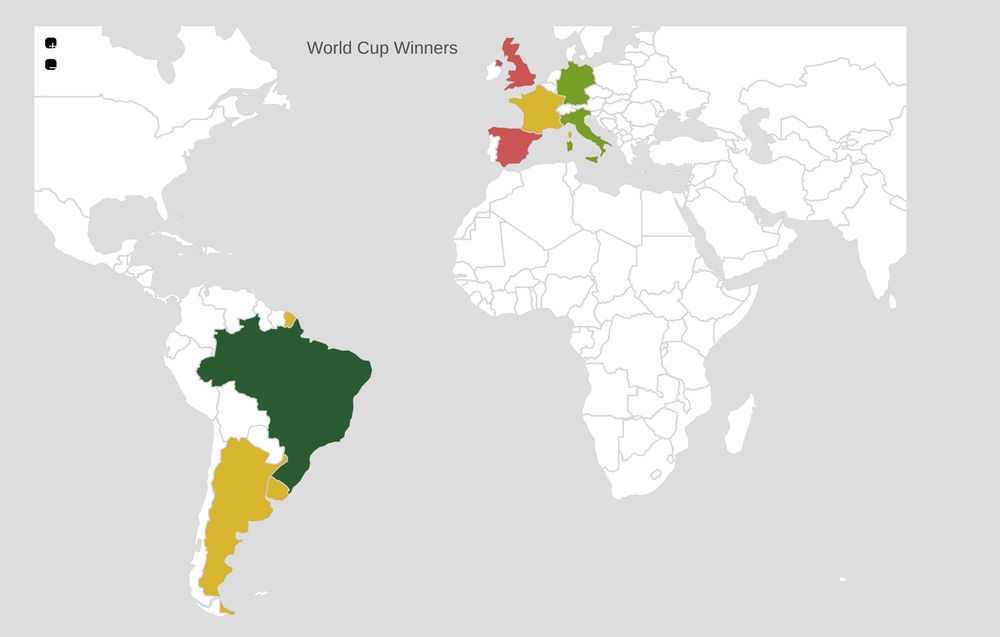
Now I wonder if any of the countries that have won the cup before will manage to do it again? Italy didn’t even qualify, Spain is out this week, Germany and Uruguay didn’t make it past the first round. So, could it be Brazil or Argentina again, or European teams like France or the UK? We will see soon, but again this winter cup has lost a bit of its charm.

West united against russian invasion


It has been 9 days since the beginning of the Russian invasion of the Ukrainian nation, which unfortunately has been catastrophic for this country. More than 1 million refugees have fled to neighboring countries, mainly Poland and several Ukrainian cities have been heavily bombed.

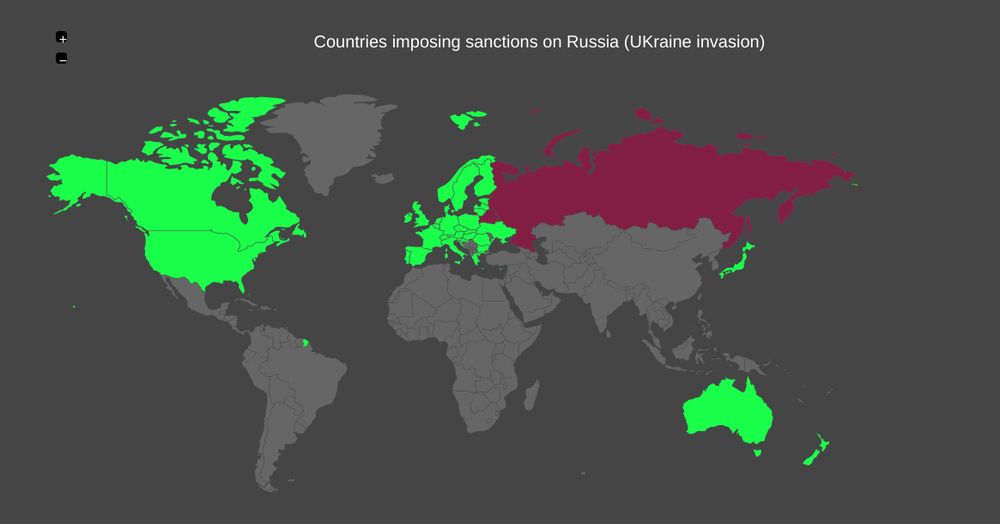
All western countries have condemned this unprovoked invasion in unison and have uniformly applied sanctions against the Russian regime. Hopefully, they will make it economically impossible to sustain this senseless war.

Russia invades ukraine


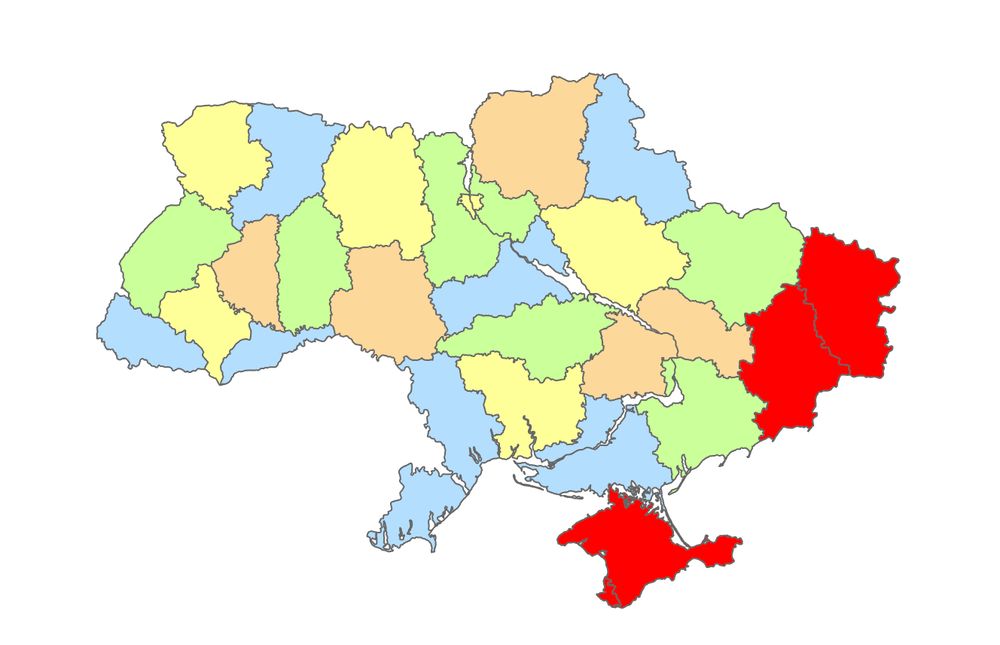
An invasion is defined as 'an instance of invading a country or region with an armed force.' Ukraine has been an independent country since the signing of the Belovezh Accords in 1991, which dissolved the Soviet Union. The news that the Russian president has recognised the independence of two Russian-controlled territories in east Ukraine—territories that call themselves the Donetsk and Luhansk People's Republics—and the subsequent incursion of his military forces into this region of Ukraine, fits the definition of an invasion.

Diplomacy is always the preferred option to avoid a military conflict, but I feel bad for my Ukrainian friends because it seems that the conflict is already there :/, and the world should act accordingly.

Colombia Decriminalizes Abortion


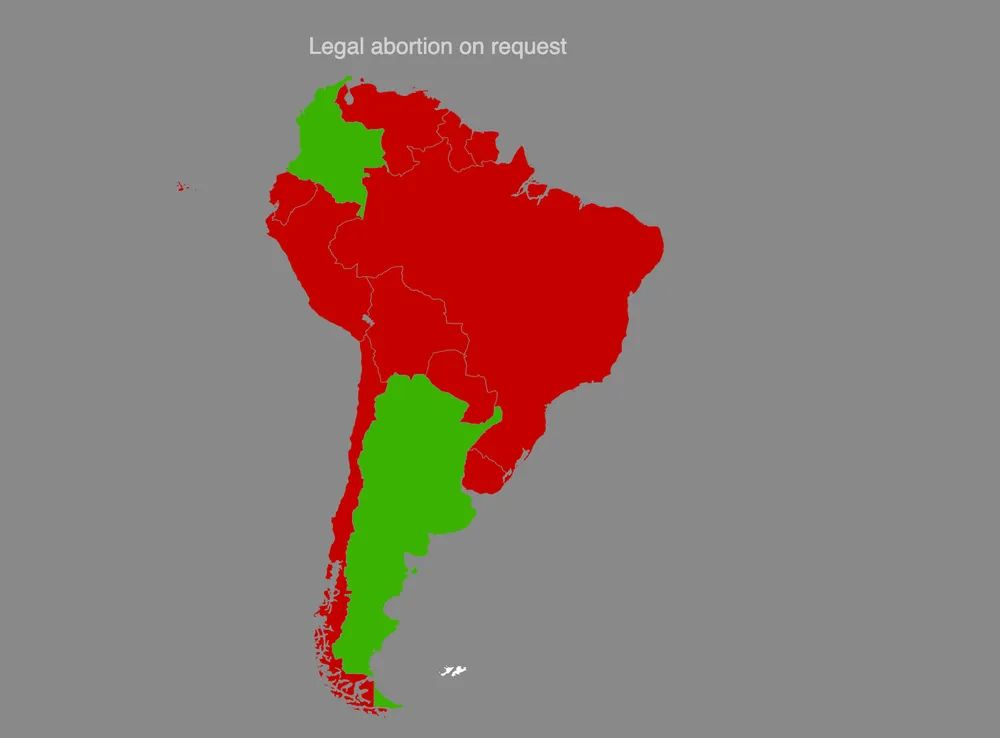
With five votes in favor and four against, Colombia's constitutional court issued a ruling yesterday decriminalizing abortion in this South American republic. Given that like many of its neighbors, Colombia is a Catholic country, where the church and right-wing parties exert a strong influence in the judicial decisions, this is undoubtedly a landmark ruling that continues a trend that has already set its pace in Mexico and Argentina.

I am aware that the issue of abortion is quite contentious and generates many conflicting opinions, but that a woman who wishes to have an abortion (and who is going to do it in any case) can do it in a safe way, is a huge achievement. Well done!

Summit for Democracy


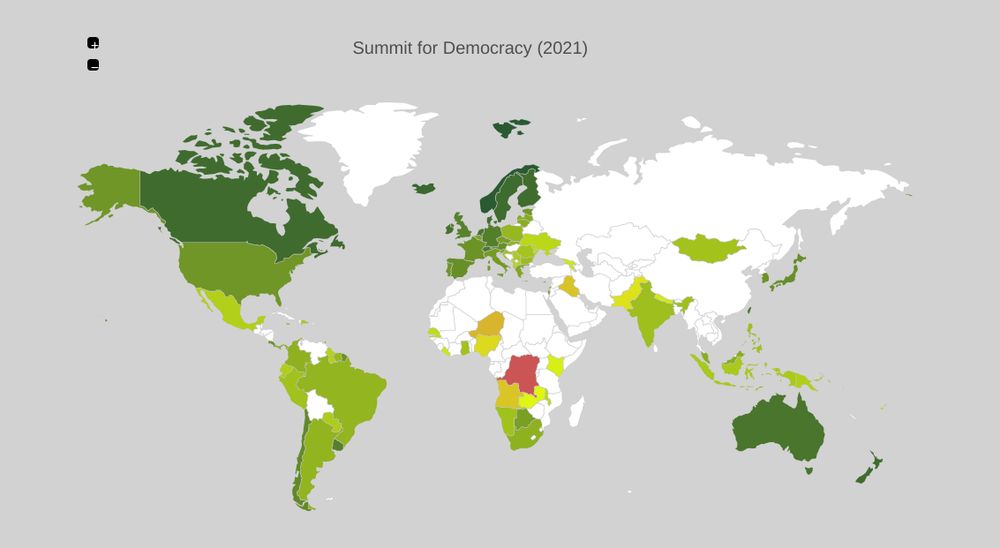
The US Department of State published a list of the countries invited to the virtual "Summit for democracy" that will take place next month.

Although certainly the USA does not have at this moment a great moral authority to lead such conferences (cough January 6, cough new voting restrictions laws across the country), in any case it is a very good initiative to highlight how democracy is a right that should be protected and should not be taken for granted.

Covid-19 vaccination uptake in Europe


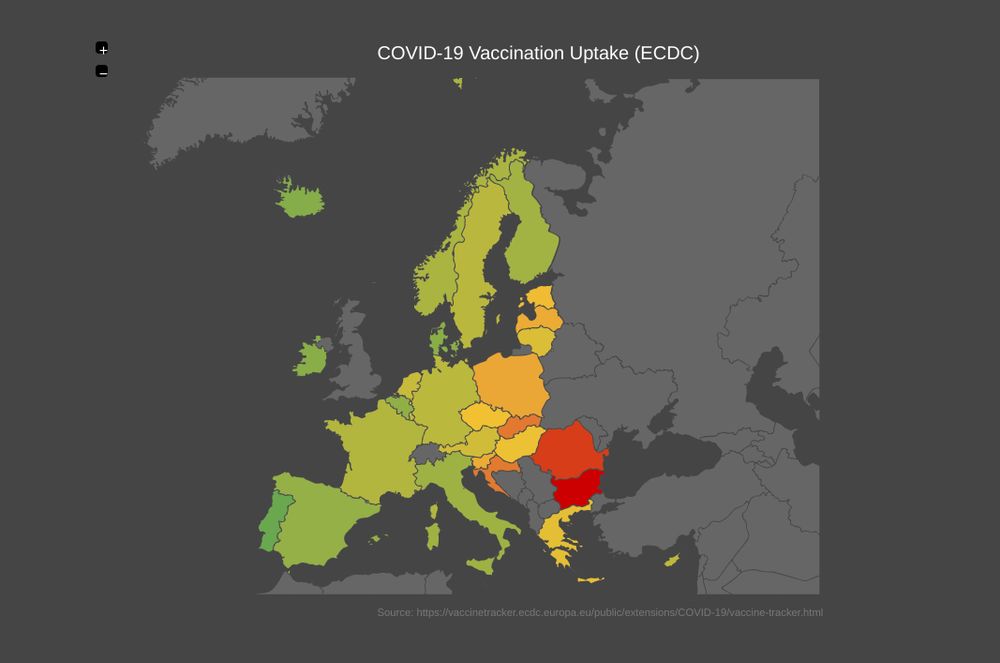
Yesterday I met a couple of colleagues from the university here in Basel and we discussed various topics. One of my colleagues is an epidemiologist and the topic of increasing hospitalization rates due to covid-19 was part of our conversations. One of the causes of this phenomenon is that vaccination rates in Europe are still low. According to the ECDC, the cumulative complete vaccination rate in Europe is 64.9%, with Portugal being the country with the highest rate (81.3%).

Countries like Germany and the Netherlands, which are breaking daily records with the number of cases, have relatively low vaccination rates (67.1% and 64.8% respectively). We cannot let our guard down and more work must be done to prevent the continent from becoming again the epicentre of this never-ending pandemic.

Covid-19 Vaccination in the world


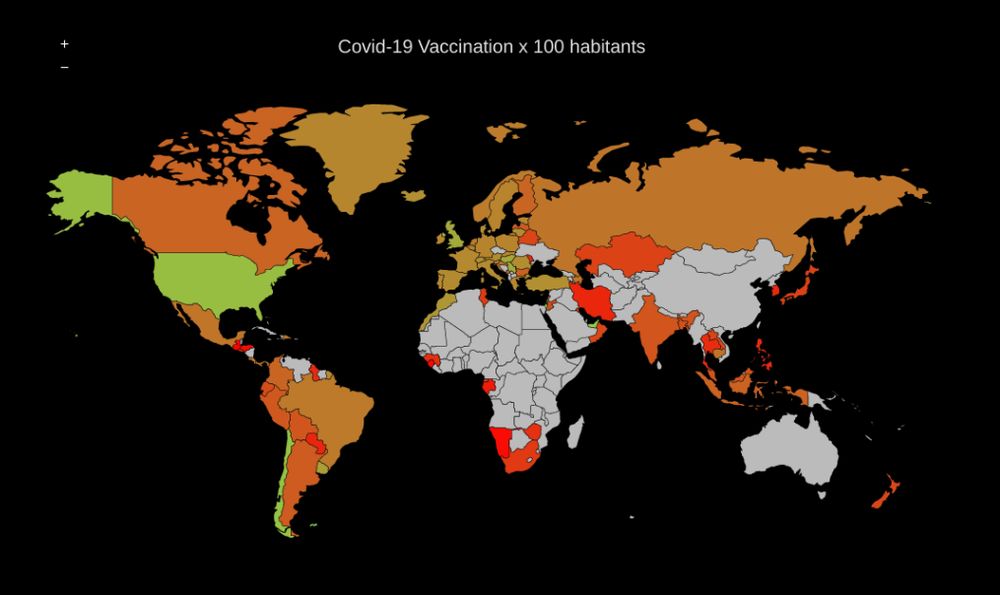
After a long wait, I was finally able to get an appointment today for the first dose of the covid-19 vaccine. I still need to wait another month, but having a spot in the queue is such a relief! I was curious about which countries have the highest vaccination rate (using data from Our World in Data) and I realized that Gibraltar has almost all the adult population inoculated.

I know the situation is bad in India nowadays, so I really hope that at some point most of the countries will be able to have the same numbers as Gibraltar, or the USA for that matter. The new administration definitely did wonders there!

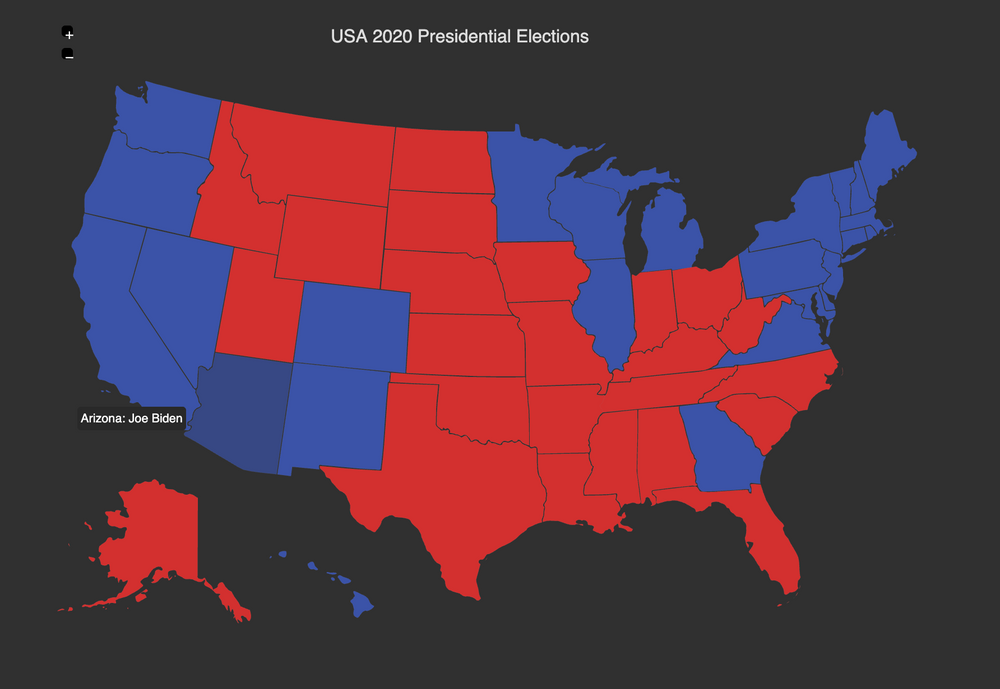
USA 2020 Presidential Election Results


It has been almost a week since the major American television networks projected that Joe Biden would win the U.S. presidential election.

However, with all the noise in the news about the current president's refusal to recognize the election results, and with the dire consequences this attitude can have, the fact is that the Democratic candidate won the election.

Given that COVID-19 cases are skyrocketing in the country, and in much of the world, it is a relief to know that very soon there will be a president there with a concrete plan to deal with the pandemic.

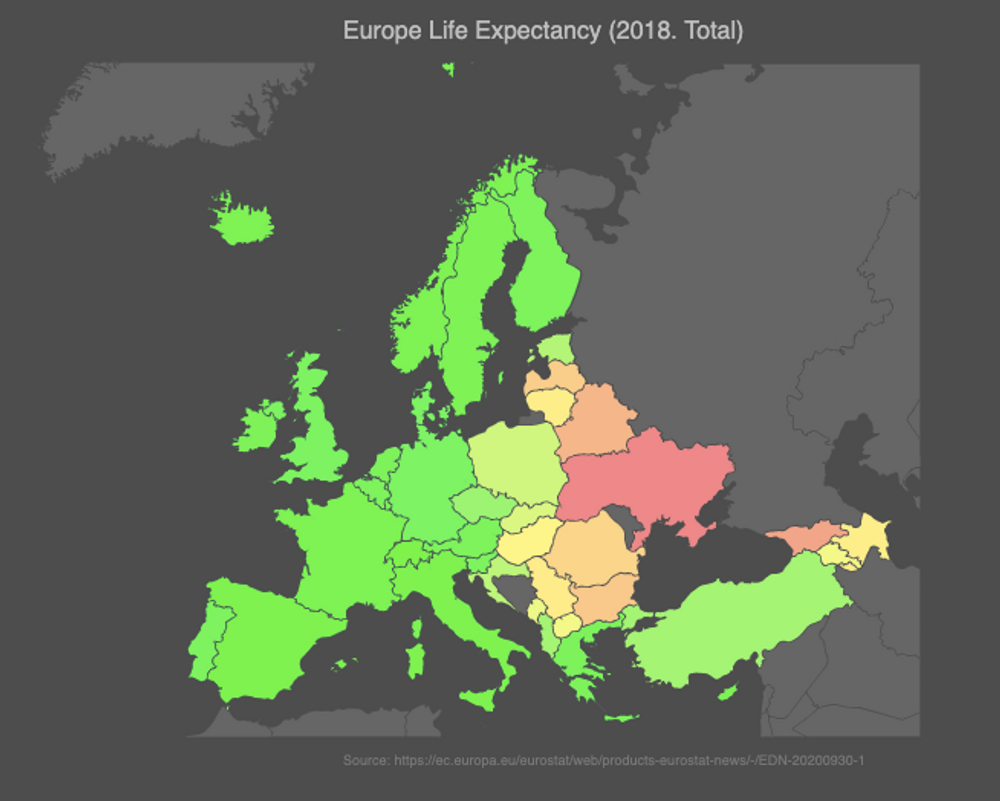
Life expectancy in Europe


A friend of mine who works at the European Union shared an interesting article about the Life Expectancy in the different EU regions.

The last data available from 2018 shows that Switzerland (83.8), Spain (83.5), and Italy (83.4) had the highest life expectancy, as you can see on the map above.

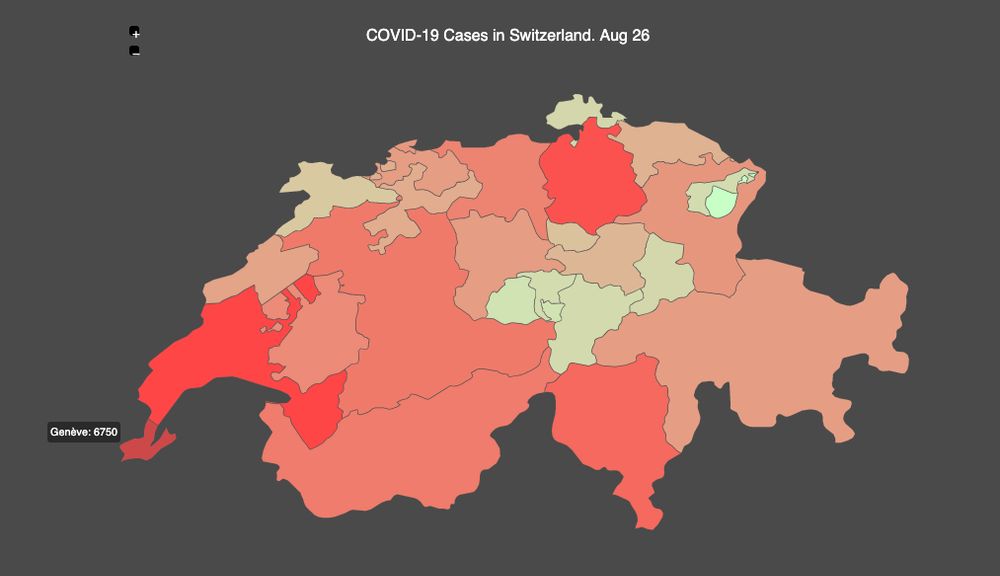
COVID-19 in Switzerland


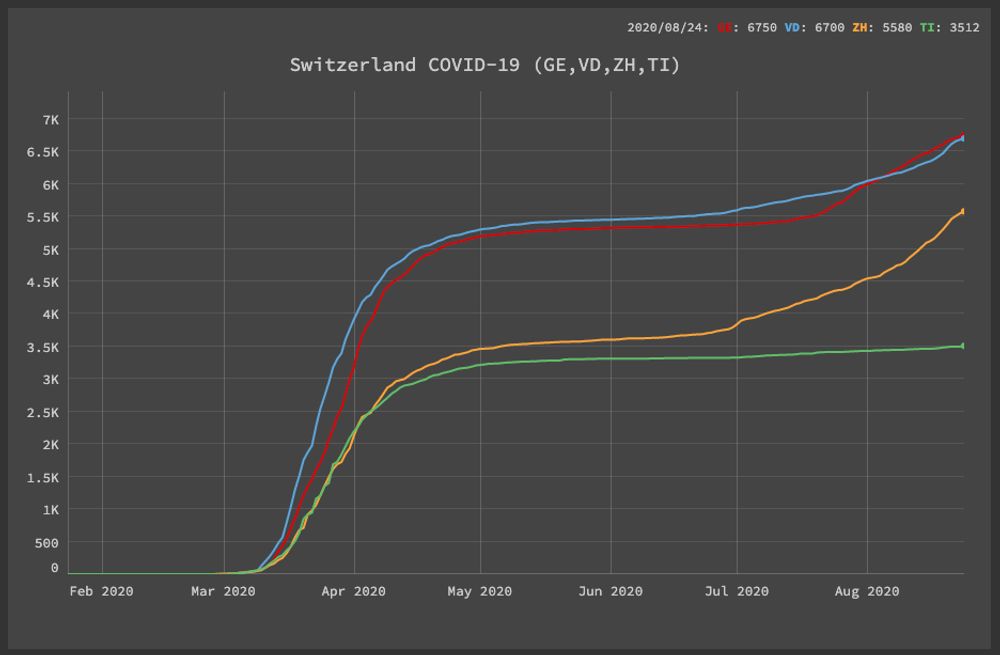
Both in Basel city and Zurich, it is required to wear a face mask with the objective of reducing COVID-19 transmission. The country flattened the curve but as soon as it began to reopen, the cases started to go up again. The cantons of Geneva, Vaud, and Zurich are the most affected as can be observed in the previous graph.

COVID -19: Brazil uncontrolled spread


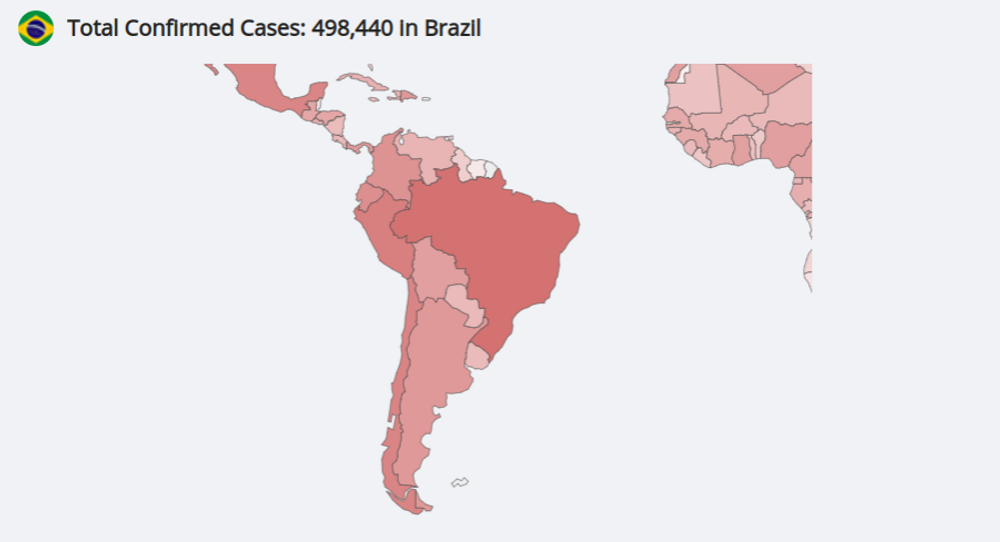
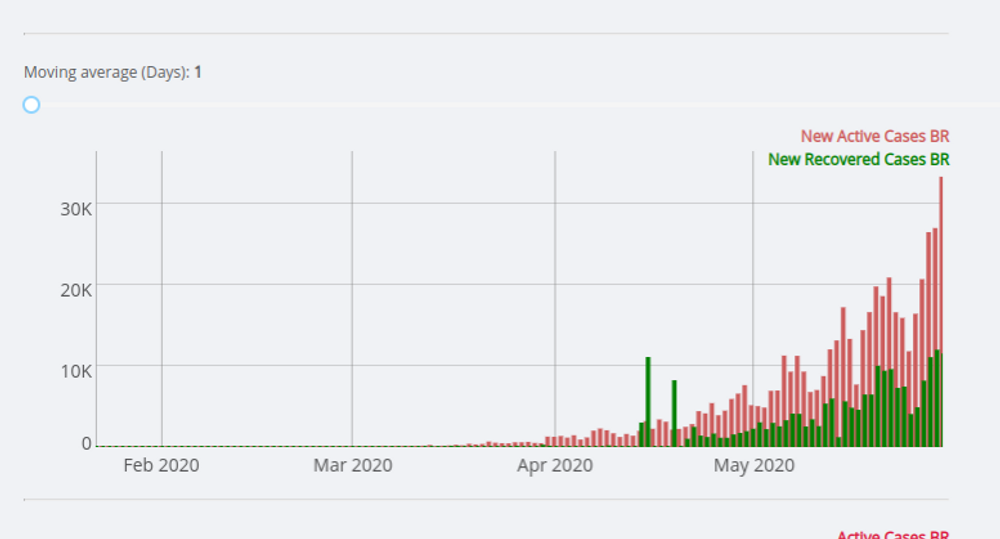
Brazil has unfortunately become one of the new epicenters of the COVID-19 pandemic in the world. A recent editorial at The Lancet describes how Brazil is the country with the highest rate of transmission (R0 of 2·81), based on the data compiled by a study conducted at the Imperial College of London.

The title of the editorial ("So what?") summarises the biggest problem the country faces dealing with this disease, and that is the response (or lack thereof) of its president Jair Bolsonaro. His disdain for a vast proportion of the population suffering from this disease is outrageous, but not surprising.

Boa sorte Brasil, você vai precisar!

COVID-19: 4m Cases Worldwide


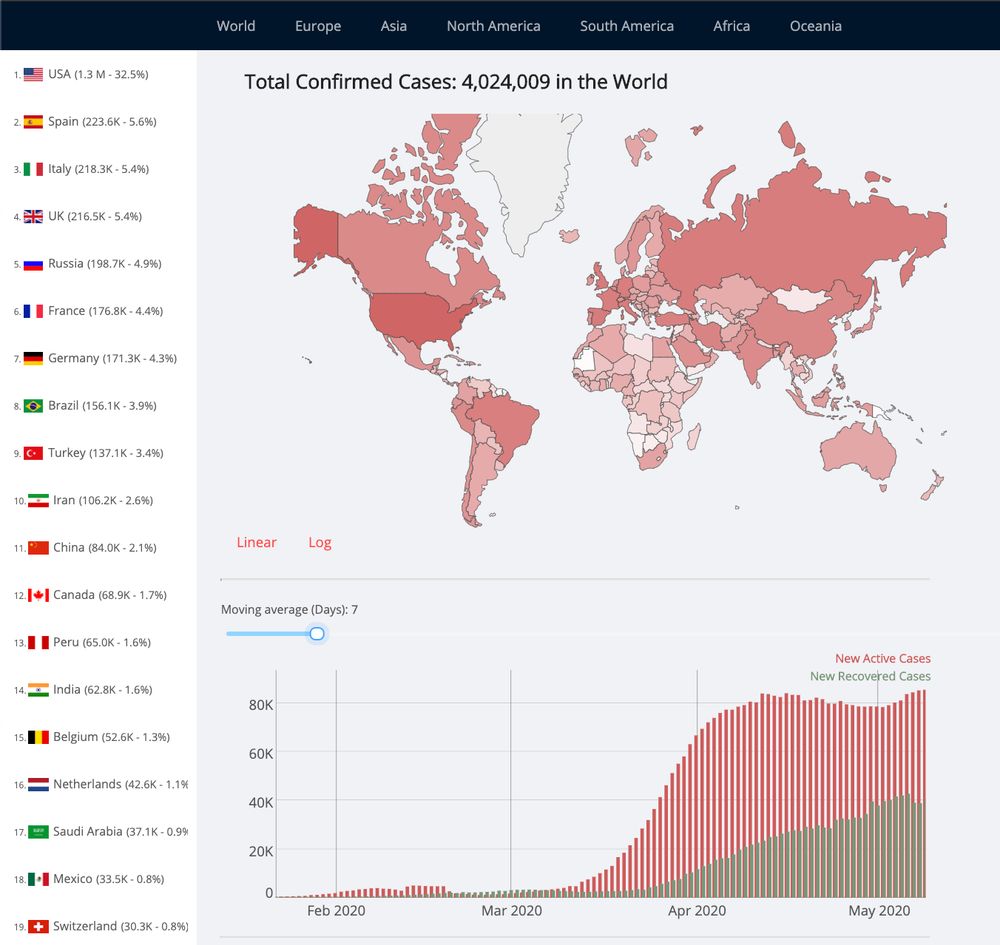
Last Easter holidays I set up this COVID-19 dashboard in one of my personal domains to follow the cases around the world, particularly in Europe. I used the data provided by the Johns Hopkins University, in particular their daily cases, deaths, and recoveries time series. Using those data points and doing some data wrangling it’s possible to get a lot of insights about what’s currently happening in the world.

The last time I blogged about this topic was exactly one month ago and there have been a lot of developments since then:

  • In April I mentioned the US has become the new epicenter of the COVID-19 pandemic and that’s still the case, but on a different scale. With over 1.3 million active cases, the United States accounts for 32.5% of all cases worldwide today. The situation in New York City is much better than it was then, but there are now multiple cases in rural areas, particularly in towns with meat processing plants
  • The situation in the United Kingdom is dire as well. As of yesterday they have reported 31.3k deaths and 216.5k active cases, and they have less than 1k patients recovered from the disease. Famously, Boris Johnson got infected himself, requiring hospitalization and even ICU admission for a couple of days.
  • In contrast, Germany has been recognized as one of the countries that has dealt with the pandemic in a responsible way using a science-based approach. They are still in the list of the Top 10 countries most affected by the disease but the death rate has been really low during the evolution of the pandemic.
  • The Kiwi strategy has been one of the most successful ones in the world. A headline in the prestigious Lancet magazine summarises it all: New Zealand eliminates COVID-19. The administration of Jacinda Ardern couldn't be more proud of their decisions!

COVID19: More than 1.5 millon cases


Talking about exponential growth ... back on the 31st of January, when I heard the novel coronavirus mentioned in the news I blogged about how there were "9776 cases confirmed affecting 20 countries already, with the vast majority in China", regarding this '2019-nCoV' virus as it was known back then.

2.5 months later, this number has jumped to more than 1.5 million cases, becoming a pandemic, affecting most of the nations in the world. Italy and Spain were hard hit, as well as the US, a country that has become by far the new epicenter of this disease.

The strict social distancing rules have slowed down the transmission in the communities adopting these measures (with the unfortunate side effect of paralyzing the economies). Let's cross our fingers that all those efforts will contain this nasty virus.

83k COVID19 Cases in the US


The COVID-19 cases continue to climb in the world, and the United States of America clearly have become the new epicenter with 85,991 confirmed cases, 18,050 more compared with the previous day. They really need to set up a working national policy!

COVID-19 307k Cases World Wide


According to the latest data aggregated by the Johns Hopkins University world cases dashboard, there are 307277 COVID-19 confirmed cases in the world. Europe is still an epicenter of the disease with more than 50k cases in Italy, but also more than 10k cases in France, Germany and Spain.

There are more deaths reported in Italy (4825) than were reported in China (3265). The US has the highest number of active cases (26747) after Italy.

In many places of the world there are measures in place to encourage or force people to stay home. Please stay safe!

COVID-19 Cases in Europe


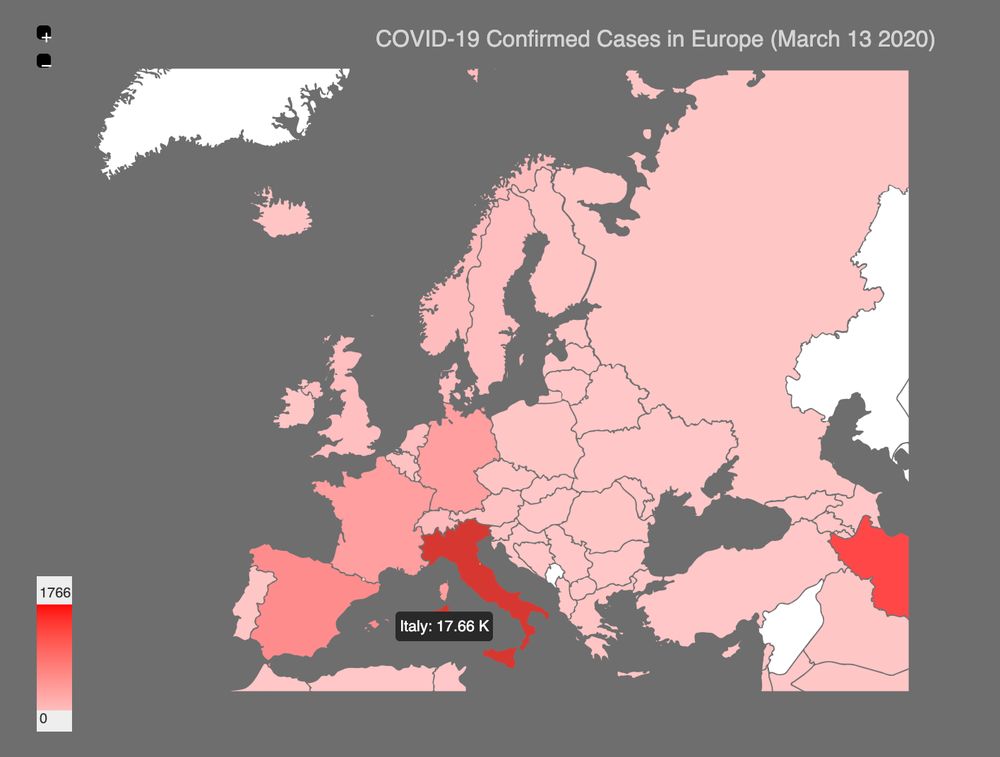
According to the WHO, Europe has become the new epicenter of the COVID-19 pandemic as the deadly coronavirus runs through Italy and nearby countries including Germany, Switzerland, and France. It's the same situation in Spain where the total number of cases increased dramatically during the last 2 days, leading the government to put in place drastic measures to slow down the transmission of the virus.

COVID-19 Worldwide Cases


One month ago I was blogging about how the 2019-nCoV coronavirus had been in the news lately because of the human-to-human transmission and its rapid spread both in China and outside its borders.

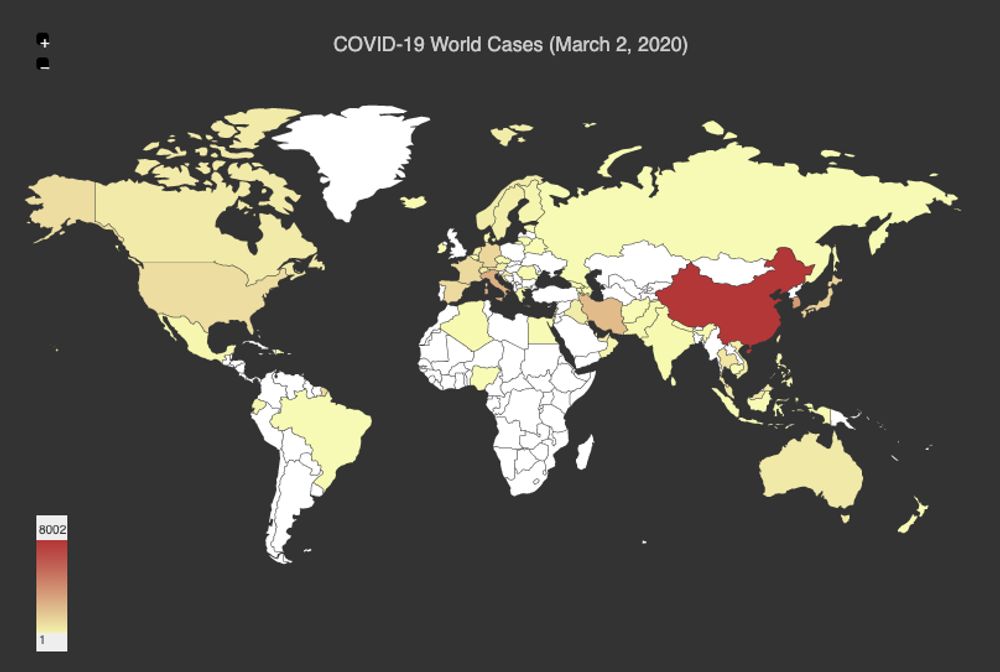
At the end of January there were 9776 confirmed cases in China, but one month later this number was around 80k, and Iran, South Korea, and Italy had become additional geographical points with more than 1k cases.

The COVID-19 virus, as it's called now, is a public issue all around the world, and preventive measures will have to be in place to slow down the spread of this disease.

The following animation from Wikipedia shows how the virus has been spreading fast in a couple of months.

Again for reference this is the Johns Hopkins University world cases dashboard, using the most recent data available.

Corona Virus (2019-nCoV) Cases


The 2019-nCoV coronavirus has been in the news lately because of the human-to-human transmission and its rapid spread both in China and outside its borders. This virus apparently originated in animals, and it was first identified in seafood and animal markets in Wuhan, China.

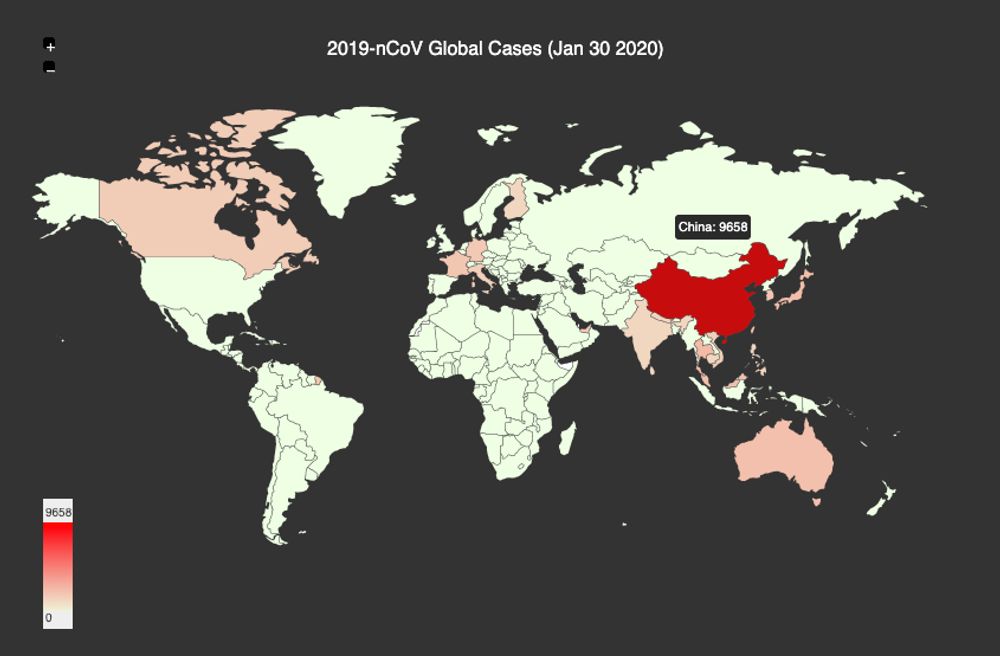
As of yesterday, there are 9776 confirmed cases affecting 20 countries already, with the vast majority in China. Johns Hopkins University is maintaining this world cases dashboard, using the most recent data available.

Mass shootings in the US Again


In February last year, I was blogging about how the mass shootings in the US were happening constantly and 86 people had been killed at the time of the Parkland massacre (528 ended up dying that year according to the data from the massshootingtracker.org project). The current year unfortunately has followed a similar pattern (347 people have been killed) and as the NY Times put it: "In a country that has become nearly numb to men with guns opening fire in schools, at concerts and in churches, the back-to-back bursts of gun violence in less than 24 hours were enough to leave the public stunned and shaken..."

The shootings have followed a darker tone this time, as hate speech has been added to the motivation of these horrible events, like the ones that just happened in El Paso, TX.

2019 Measles Outbreak in the US


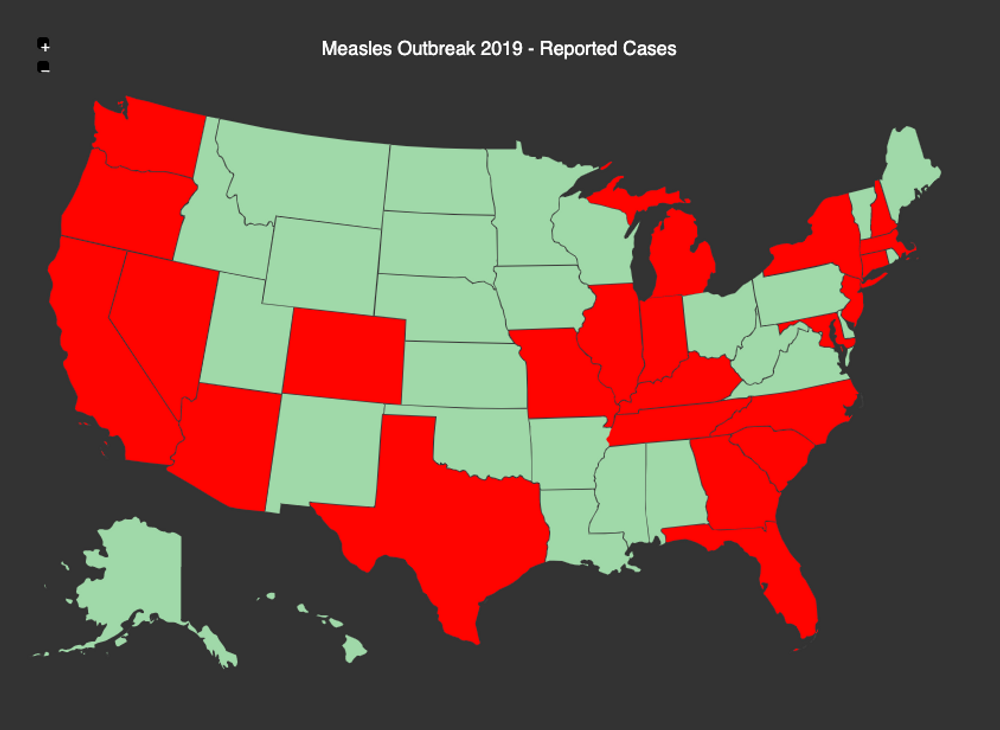
According to the CDC website, there have been multiple cases of measles confirmed in 22 separate US states. This is a sad figure given the fact that measles was declared eliminated in 2000 across the United States. The misinformation promoted by the anti-vaxxer movement is having detrimental effects on the epidemiology of this highly contagious, yet preventable disease.

Countries with a large population of Irish Heritage


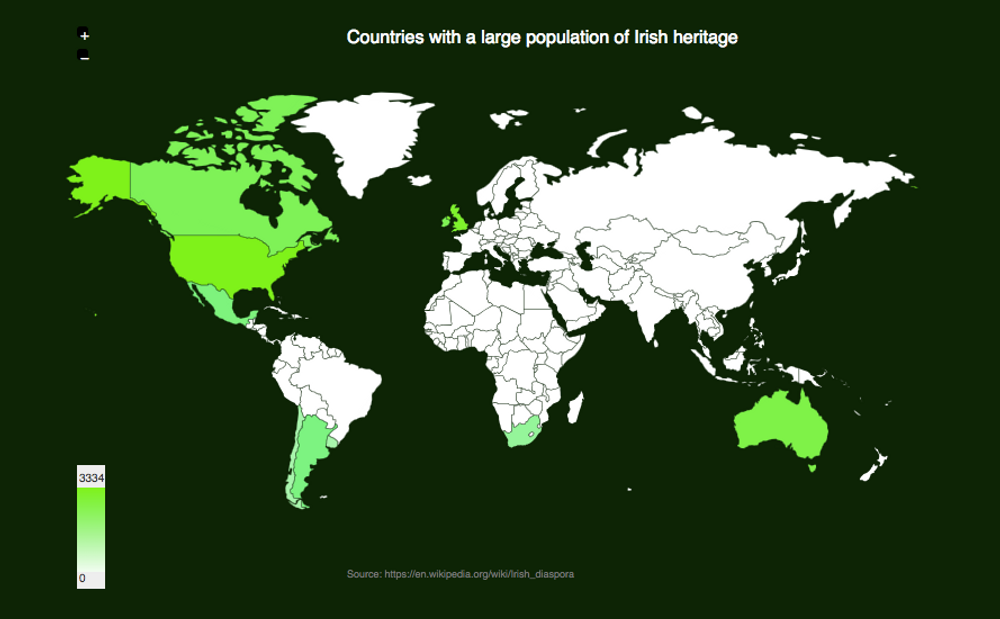
The map above shows the countries with a large population of people claiming Irish heritage, based on the map available in Wikipedia. Assuming the data is correct, the highest population of Irish descendants is located in the U.S. (~33 Million). There are also a considerable number of people with Irish ancestry in the UK, Australia, and Canada. To all of you... belated Happy St. Patrick's Day.

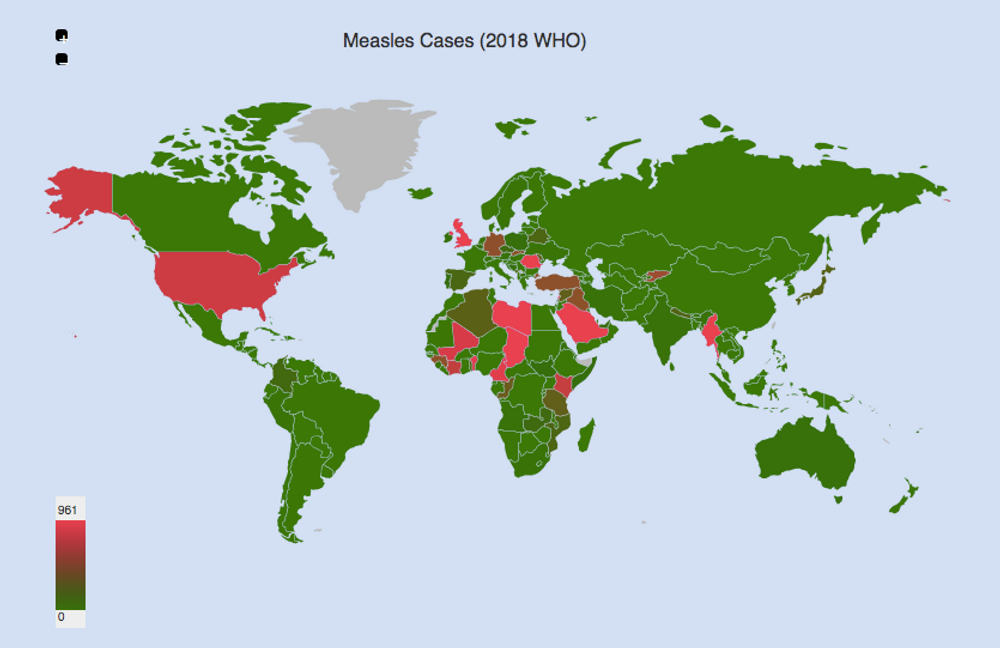
Measles Cases Map 2018


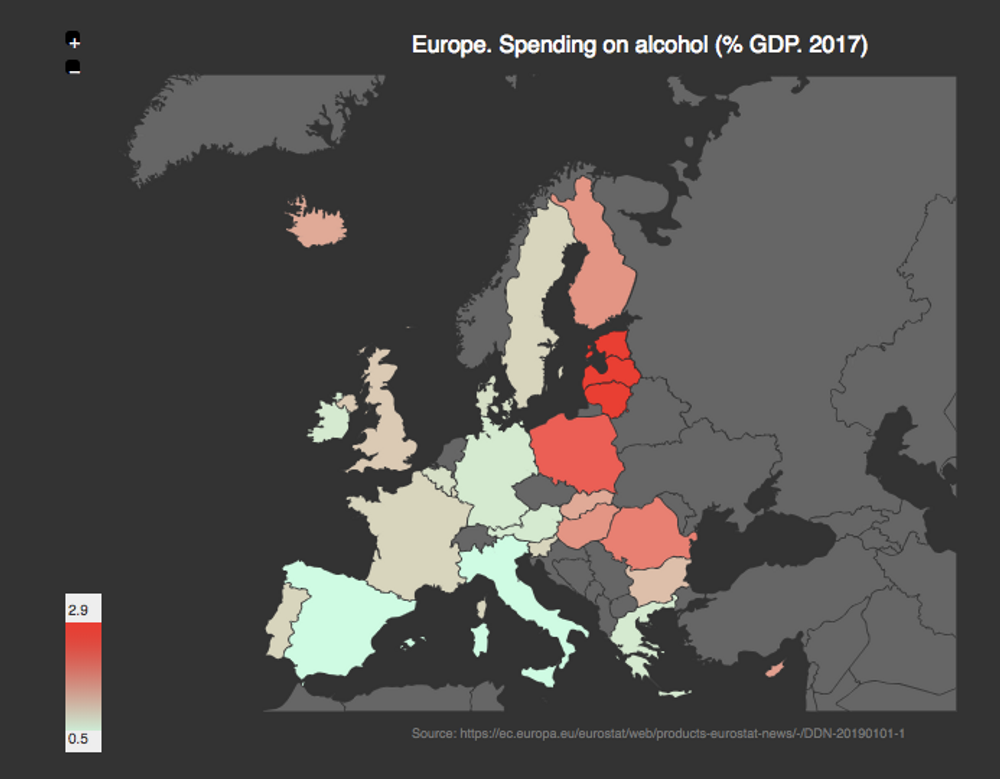
Alcohol consumption expenditure in Europe


Eurostats recently published a report about the alcohol consumption in Europe. The report states that In 2017, households in the European Union (EU) spent 1.6% of their total consumption expenditure on alcoholic beverages. As you can observe on the map above, the Baltic States have the highest percentage of expenditure related to their GDP.

Mass shootings in the US


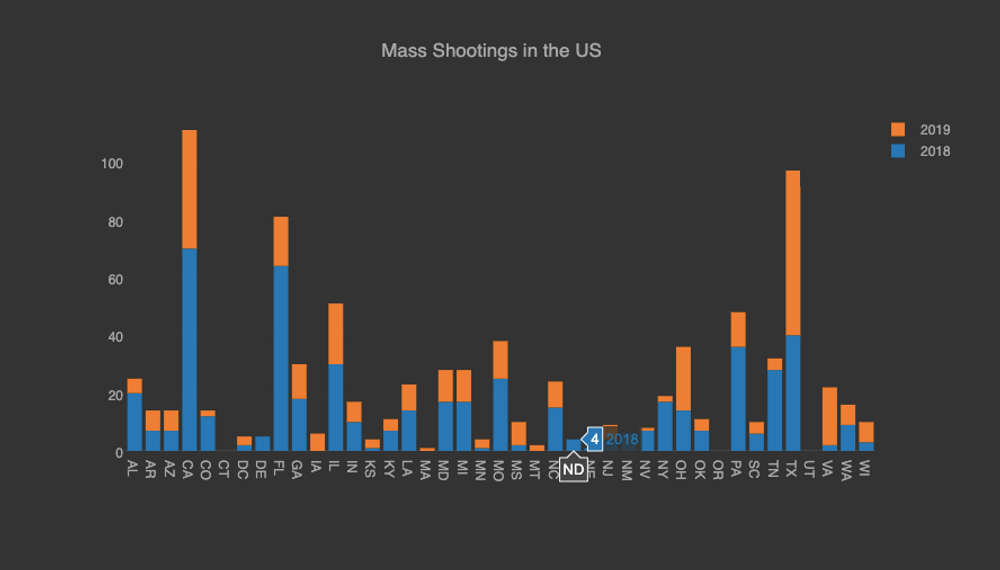
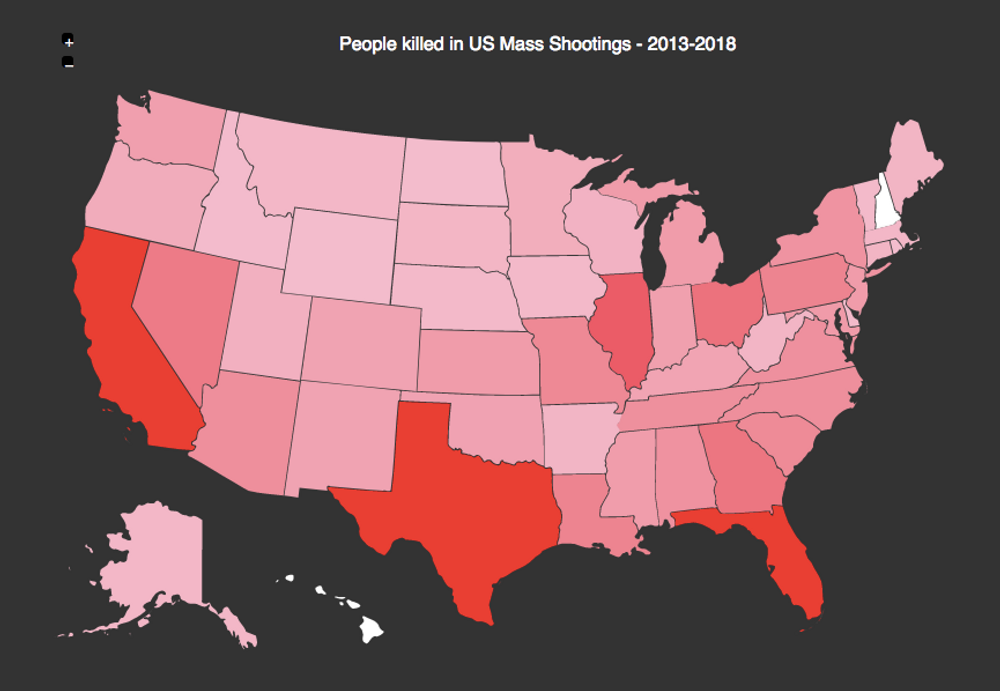
Unfortunately, another day and another mass shooting in the US (In Florida this time). The massshootingtracker.org website compiles all the public data available of those types of incidents in the news, and the numbers are staggering. Just this year 86 people have been killed and 142 wounded on those types of incidents. The charts above show how this affects every single state in that country.

Is it time now to discuss sensible gun control laws, or how many more are needed?

Good country index


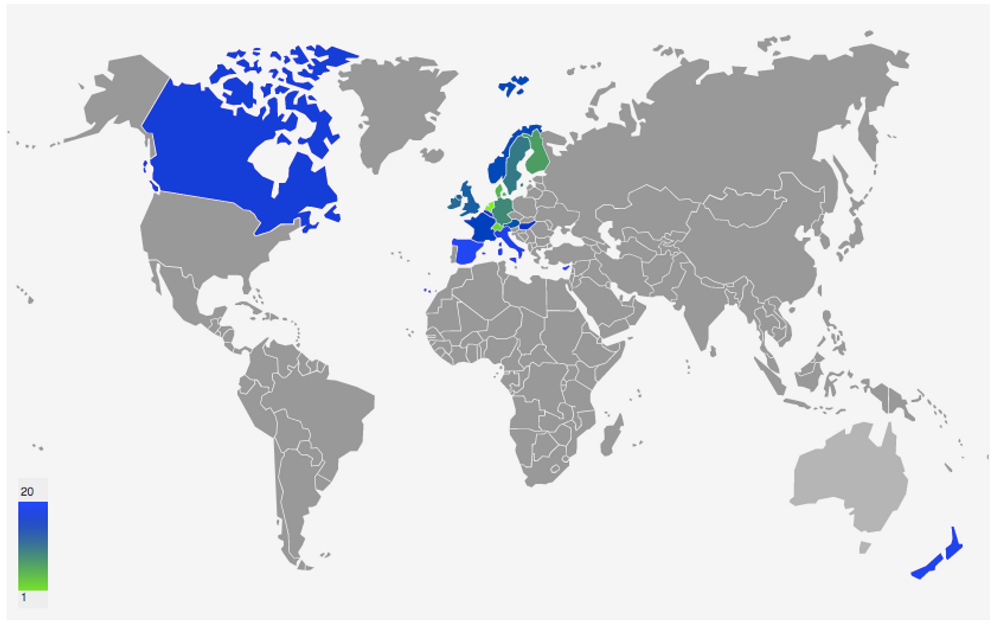
According to their website, the good country index attempts to measure what each country on earth contributes to the common good of humanity, and what it takes away, relative to its size. The index takes into account several data points in different areas such as: Science & Technology, Culture, International Peace & Security, World Order, Planet & Climate, Prosperity & Equality, Health & Wellbeing. The concept is quite interesting because we truly live on a single planet, so the policies taken by any single country have effects on the rest of the world. The results for 2017 are:

1Netherlands
2Switzerland
3Denmark
4Finland
5Germany
6Sweden
7Ireland
8United Kingdom
9Austria
10Norway
11France
12Hungary
13Belgium
14Canada
15Singapore
16Italy
17New Zealand
18Spain
19Luxembourg
20Cyprus

Merry Xmas


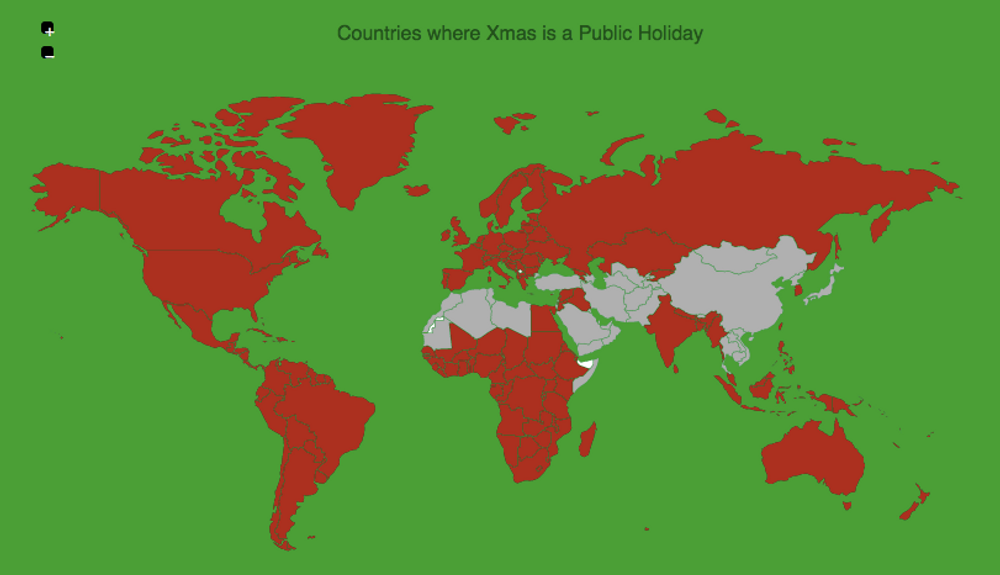
Due to the expansion of Christianity and the colonial history of America, Africa, Asia, and Oceania, Christmas is a public holiday in the majority of countries around the world. So, if you are celebrating Christmas today, I wish you a merry one!

Unemployment Rate in the Euro Area


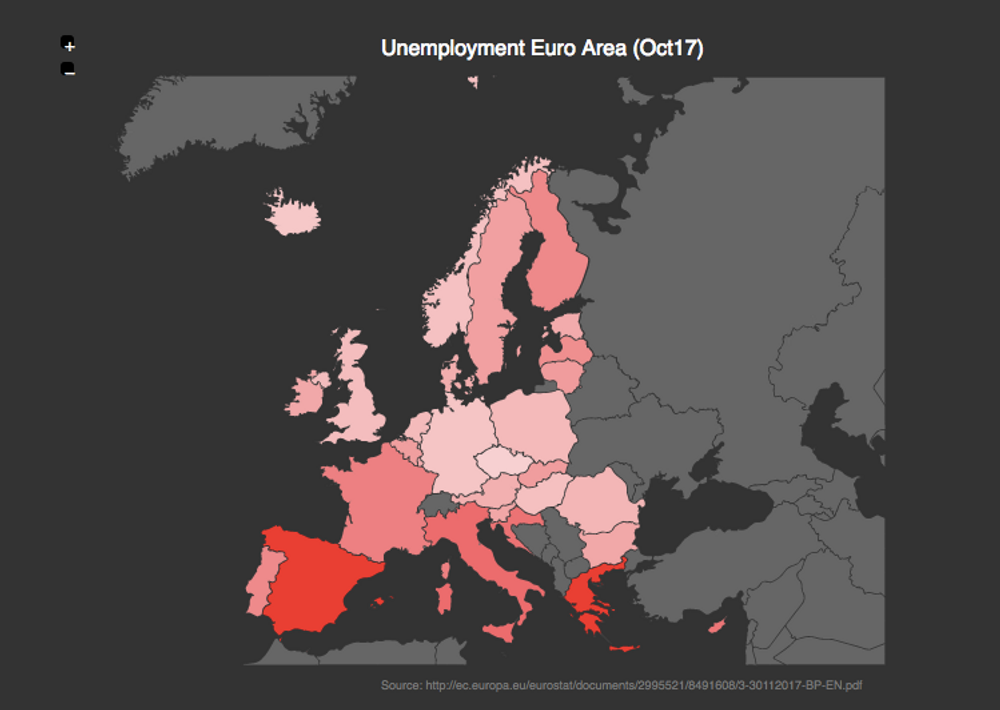
At the end of last month Eurostats published a report with the updated unemployment rate figures across the Euro Area. Overall unemployment was 8.8%. Although the highest rates are still observed in Greece (20.6% Aug. 2017) and Spain (16.7%), they have decreased compared to the previous year.

The lowest rates, on the other hand, were observed in October 2017: Czechia (2.7%), Malta (3.5%), and Germany (3.6%).

Chronic Diabetes in the EU


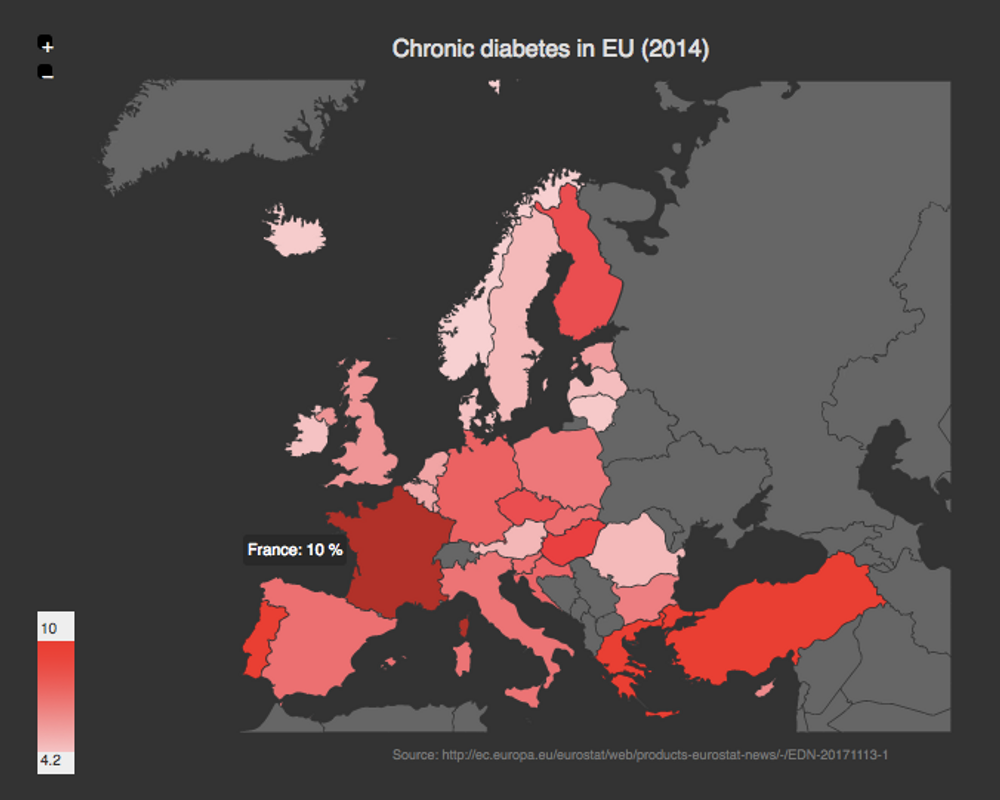
Eurostat has an interesting page where they describe how around 30 million people suffer from diabetes in the European Union. It's surprising that France is the country with the highest population of persons suffering the disease.

Gun ownership in the US


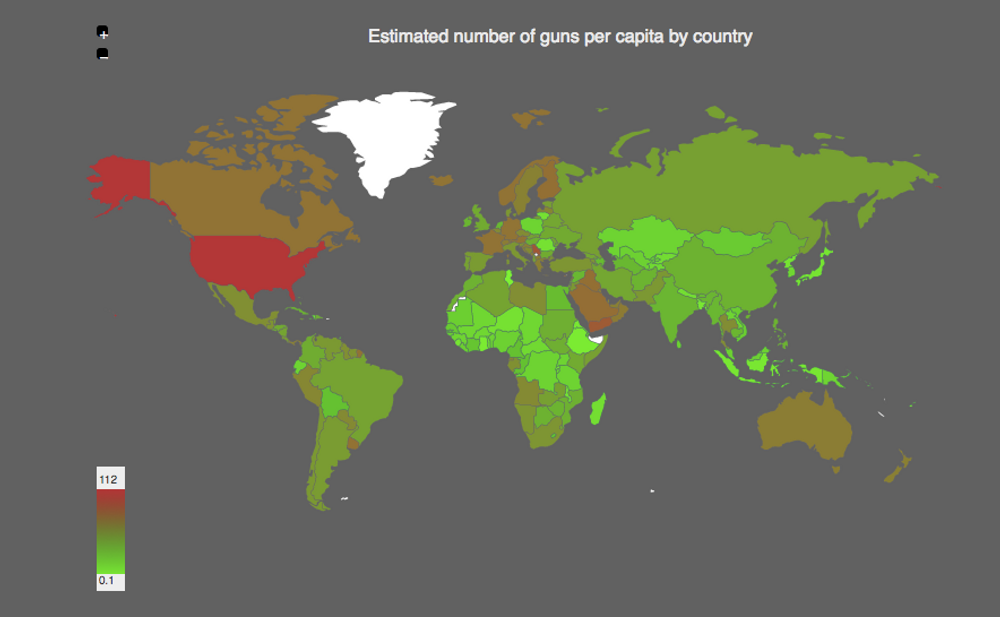
Two weeks ago, the horrible mass shooting in Las Vegas occurred, where 59 people were killed and 241 were injured, followed by prayers and minutes of silence, but nothing substantially changed in the US to regulate gun violence. The firearms ownership of that country is insane compared to the rest of the world.

There are many reasons why people become violent around the planet, but in the United States in particular, this violence becomes deadly when the perpetrator can so easily get a firearm.

Where to be born index


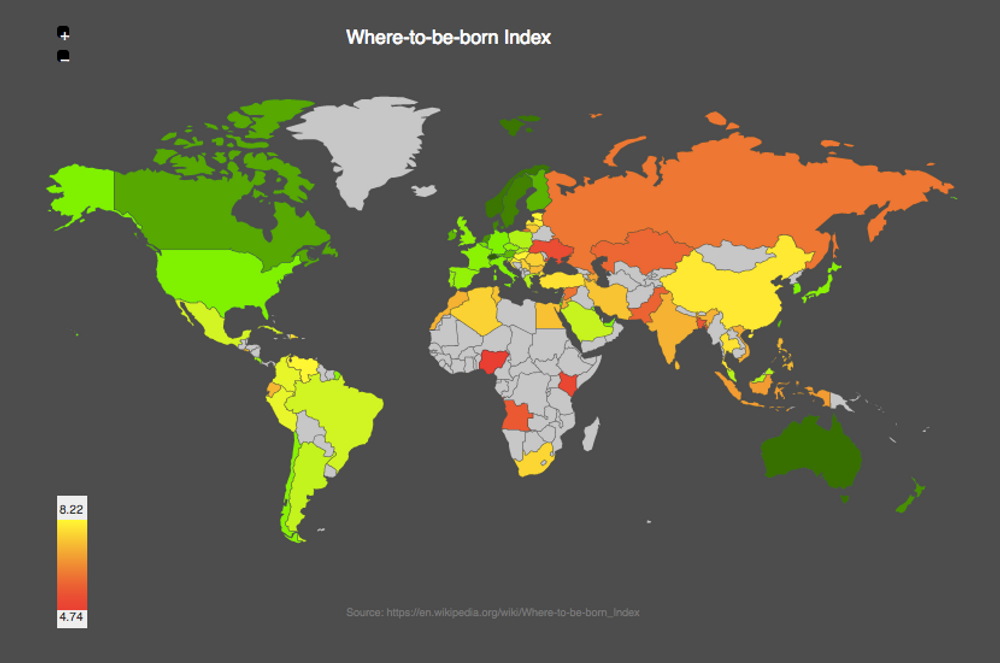
Wikipedia has an interesting article called Where to be Born Index where they discuss an article published by the economist about the classification of countries based on the criteria determining which country provides the best opportunities for a healthy, safe and prosperous life in the years ahead.

Not surprising, Switzerland and the Scandinavian countries are on top of the list, joined by Australia, Canada, New Zealand, and Singapore.

World Drug Related Deaths


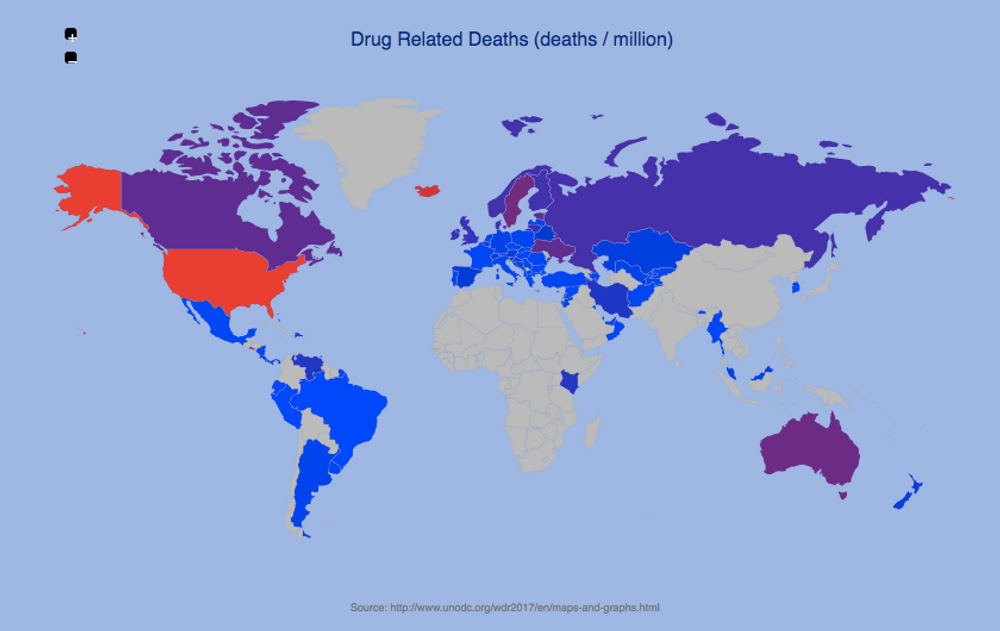
Last week an anesthesiologist friend of mine was on TV discussing how in the US opioid abuse has created a huge crisis. I was searching the web for statistics about this subject and I found a 2017 report published by the United Nations Office on drugs and crime that shows that the US indeed has the highest mortality rate related to drugs by far. Those deaths are related mainly to opioids, so the public discussion about this subject is definitely worth it.

Largest producers of Ice cream in Europe


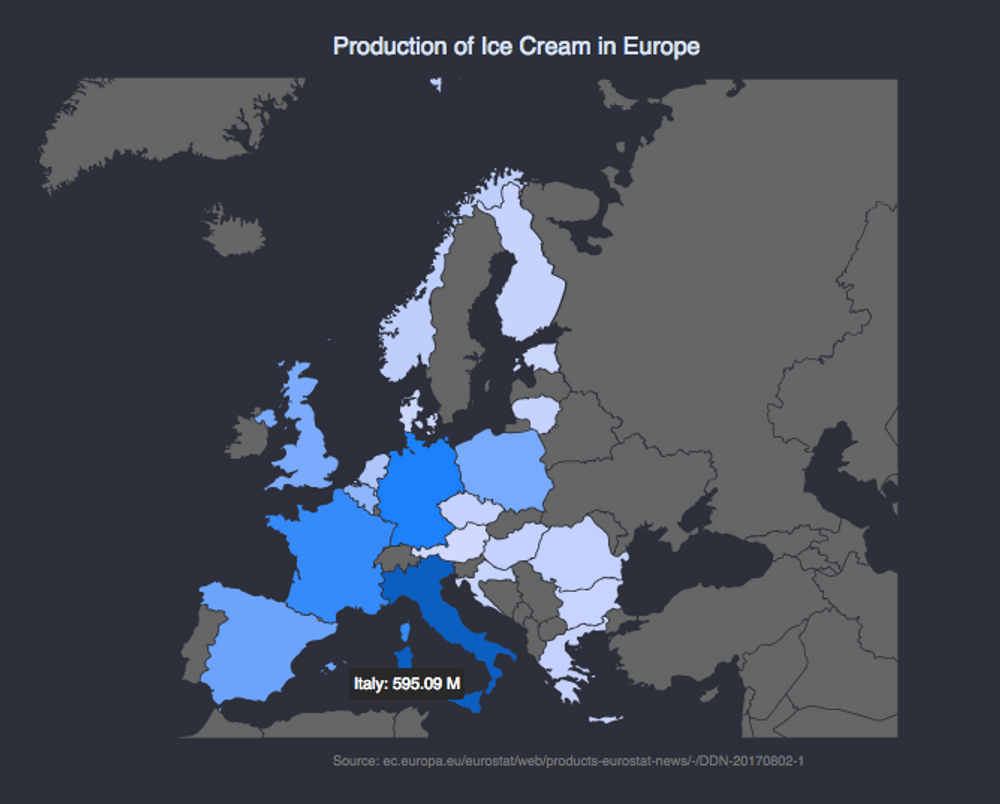
Currently there is a heat wave named Lucifer that's bringing scorching hot temperatures to southern and central europe. Maybe that's the reason why Eurostat published some days ago statistics about the largest producers of Ice cream in the continent. It's not surprising that the "Gelato" country is on top of the list, but I was surprised to learn Germany was the second one in the rankings.

Average Internet Connection Speed


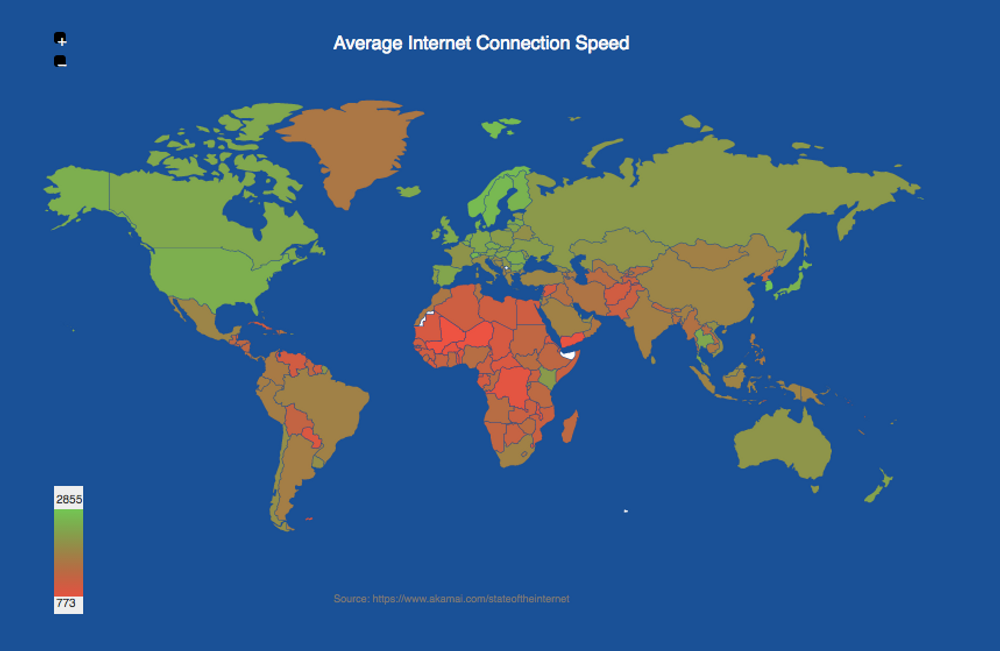
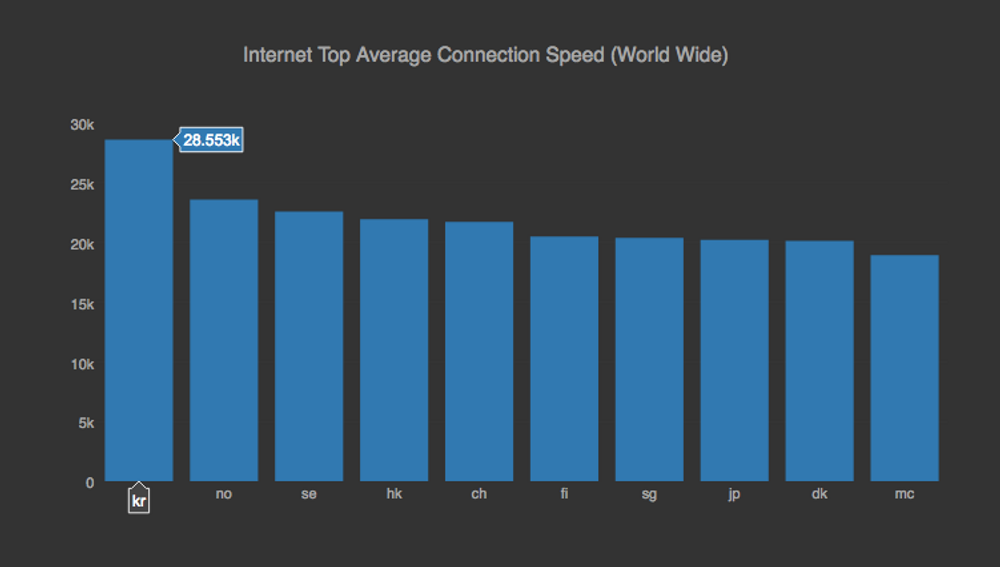
The content delivery company Akami publishes a State of the Internet report where it's possible to get internet connection speeds and broadband adoption by country. In this dataset it is not surprising that South Korea is on top of the chart:

Followed by Norway and Sweden. Most of the South American and African countries are still behind.

Tobacco consumption per capita


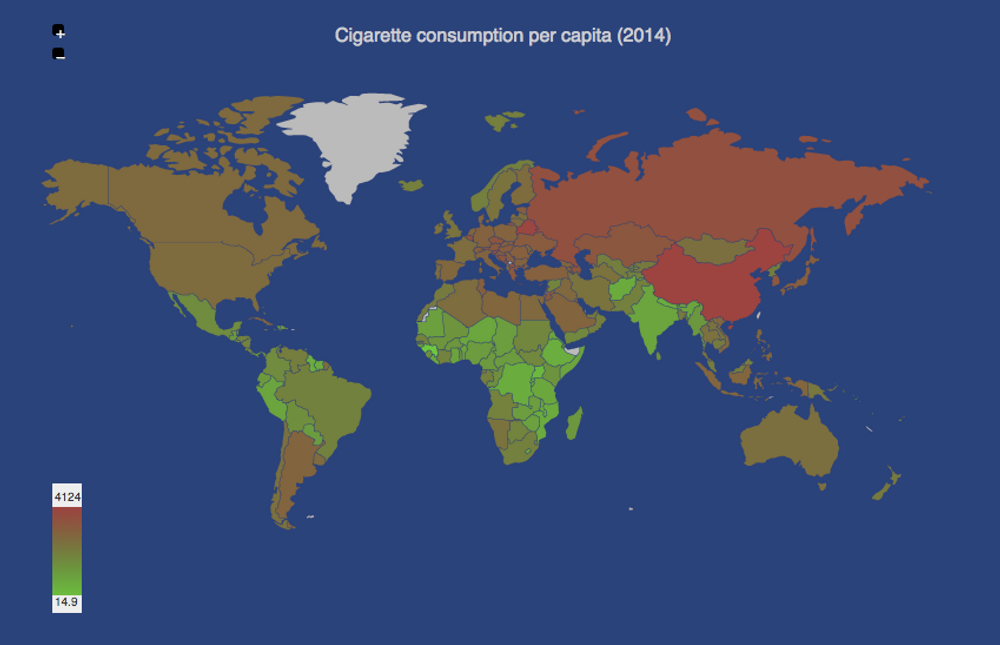
Yesterday was World No Tobacco Day, an event established by the member states of the World Health Organization (WHO) in 1987. This day serves as a good reminder of global tobacco consumption. The dataset available in Wikipedia shows that China is the biggest consumer in the world. Unfortunately, this consumption is on the rise in developing nations.

Annual Inflation Rate in Europe


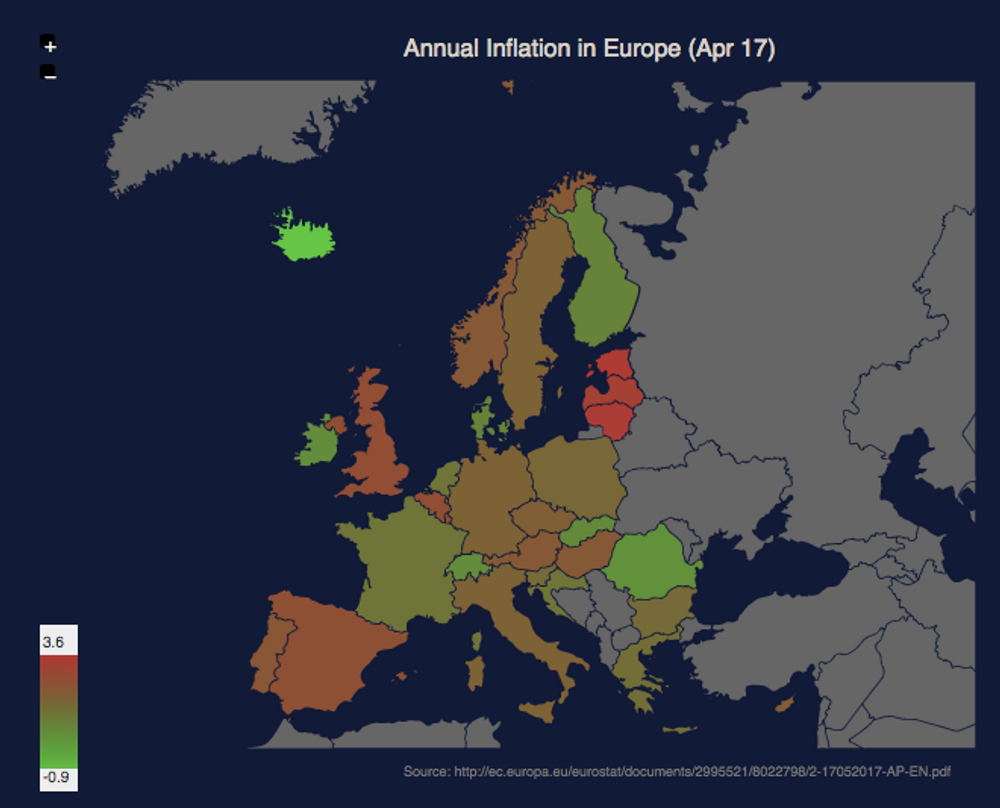
A couple of days ago Eurostats published a report describing the annual inflation rate in the EU area and some other non-EU European countries. As you can observe in the map above, the Baltic countries had the highest inflation rates (Estonia: 3.6%, Lithuania: 3.5%, and Latvia: 3.3%), while Romania (0.6%), Ireland (0.7%), and Slovakia (0.8%) had the lowest ones.

Polio Vaccination Coverage


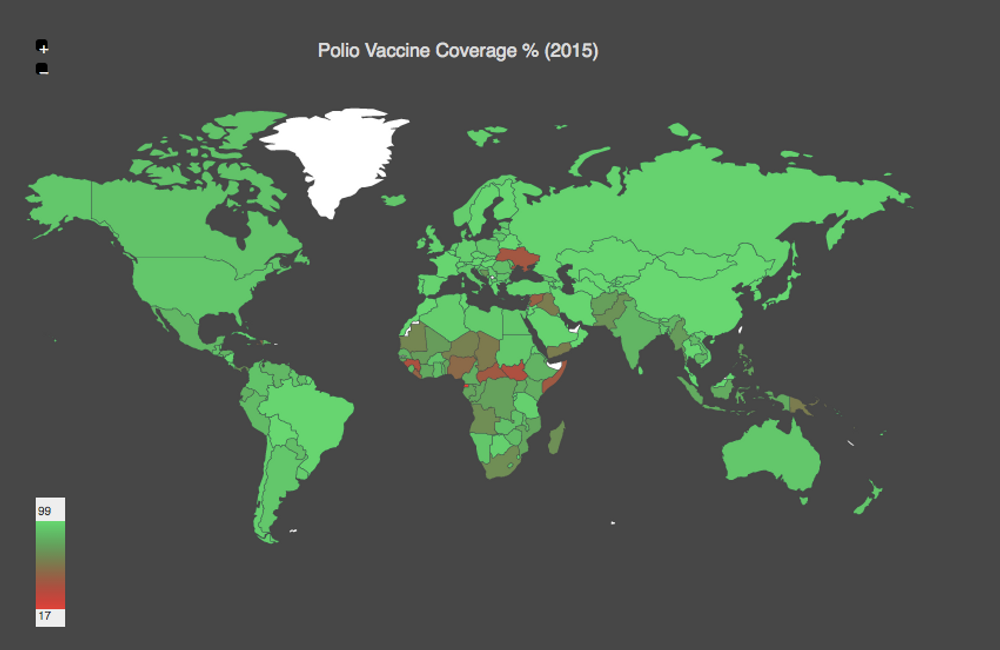
The World Health Organization has some datasets related to the immunization coverage around the world. The map above is generated with the estimates related to Polio. As you can see in the cases of Ukraine, Syria, and South Sudan, the conflicts don't only destroy people's lives but also decrease the immunization coverage massively.

EU Balance Trade


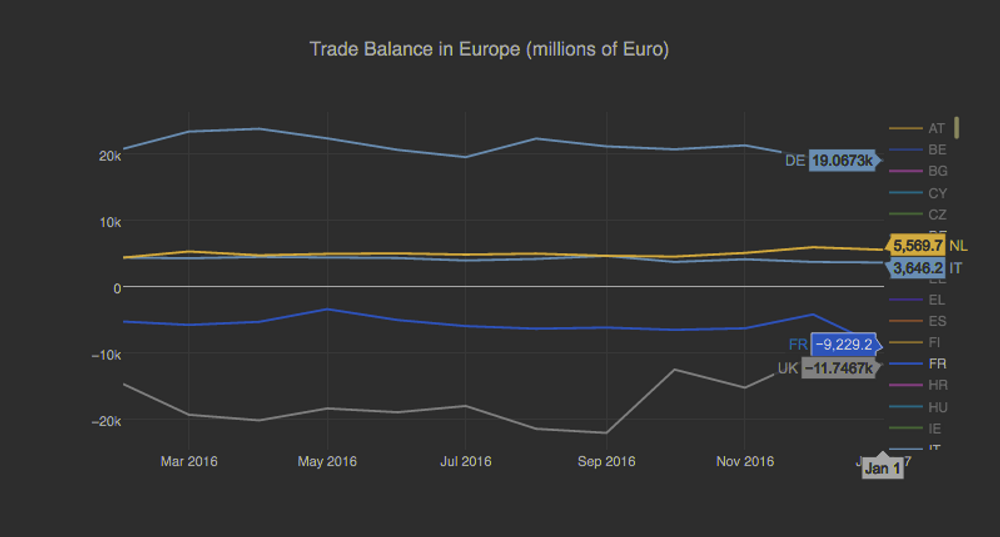
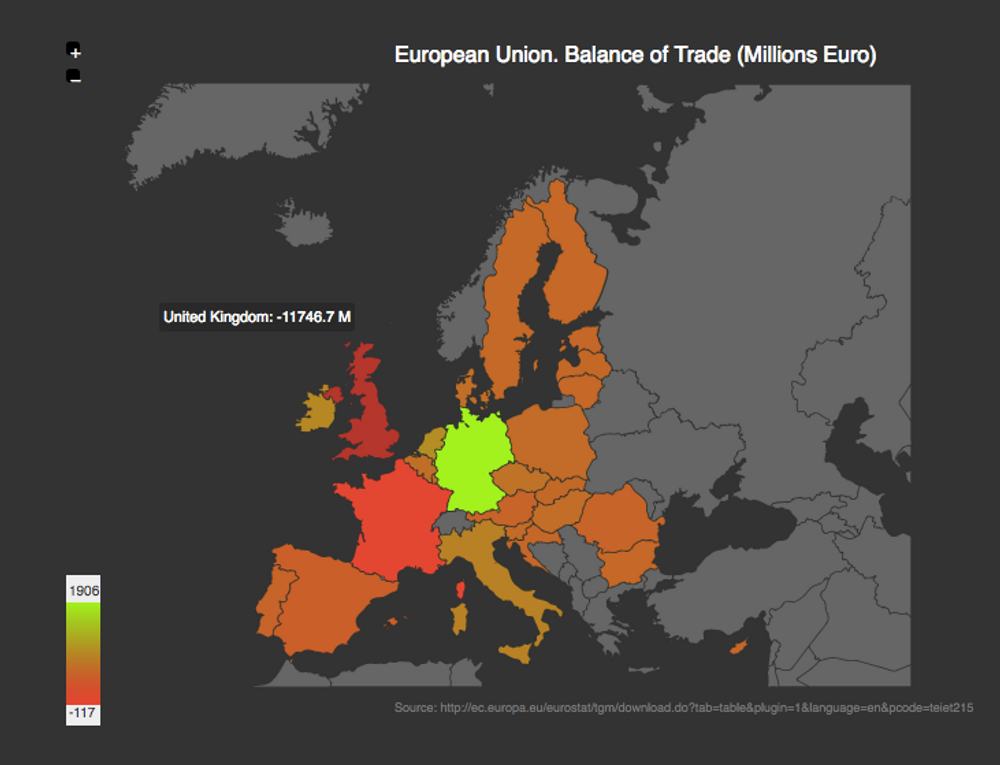
Eurostats offers a balance of trade dataset showing the trade surplus and deficit of each one of the European Union members. Germany is still the country with the highest surplus, compared to France and the UK that have the highest deficits:

Population in Europe Experiencing Depression


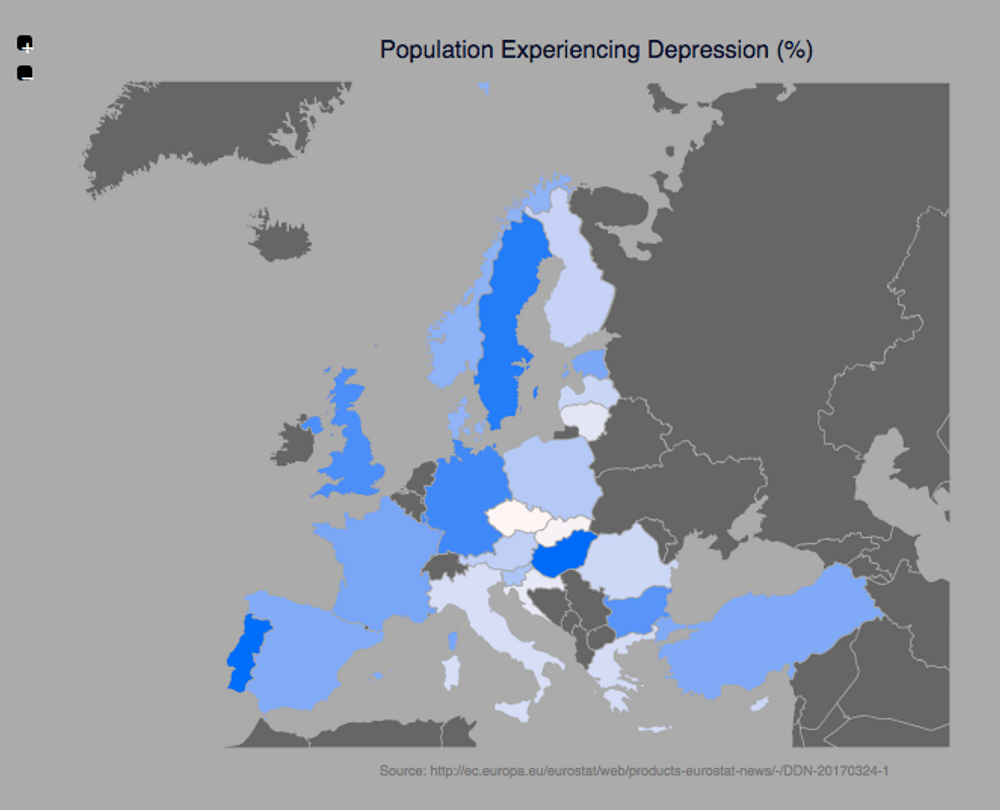
Eurostats has an interesting dataset showing the percentage of the population experiencing depression in Europe. The map above shows that Hungary, Portugal, and Sweden are the countries with a higher percentage of the population experiencing depressive symptoms.

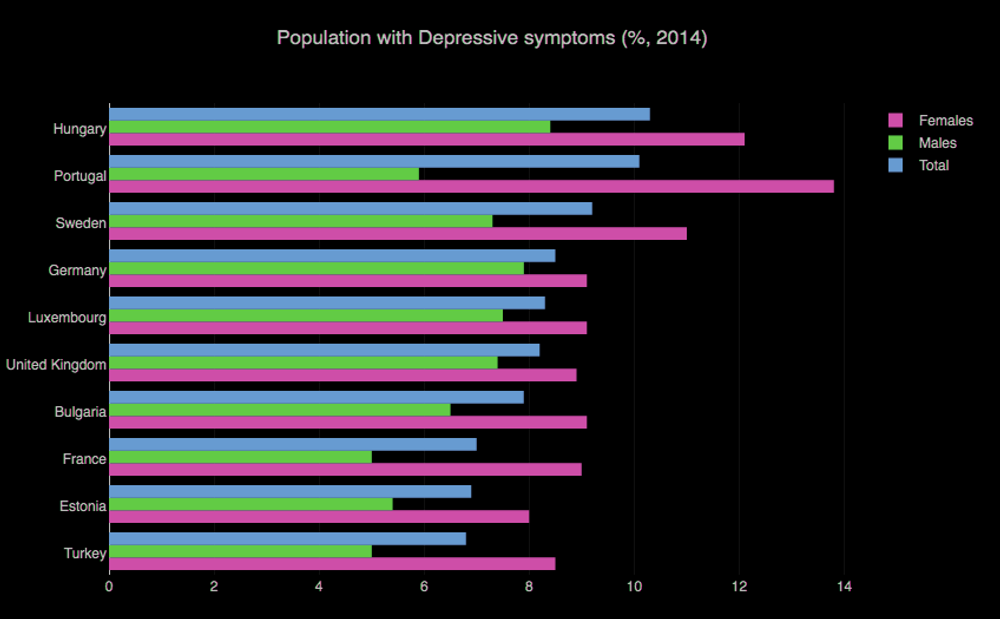
A breakdown by sex shows that Portugal is the country with the highest percentage of the female population experiencing depression.

World Happiness Report 2017


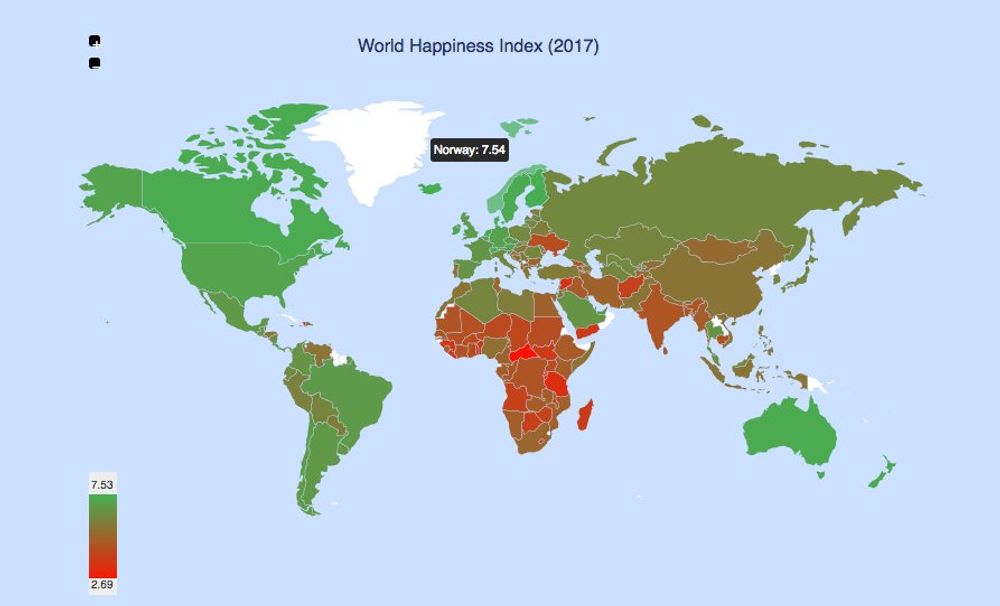
The World Happiness Report, published by the Sustainable Development Solutions Network of the United Nations, attempts to measure the happiness around the world. The 2017 issue published this month puts Norway on the top of the list, followed by Denmark, Iceland, Switzerland, and Finland. On the other hand, at the bottom of the list, the least happy places are the Central African Republic, Burundi, Tanzania, Syria, and Rwanda. You can find the whole report here worldhappiness.report.

Percentage of Europeans that do excersise


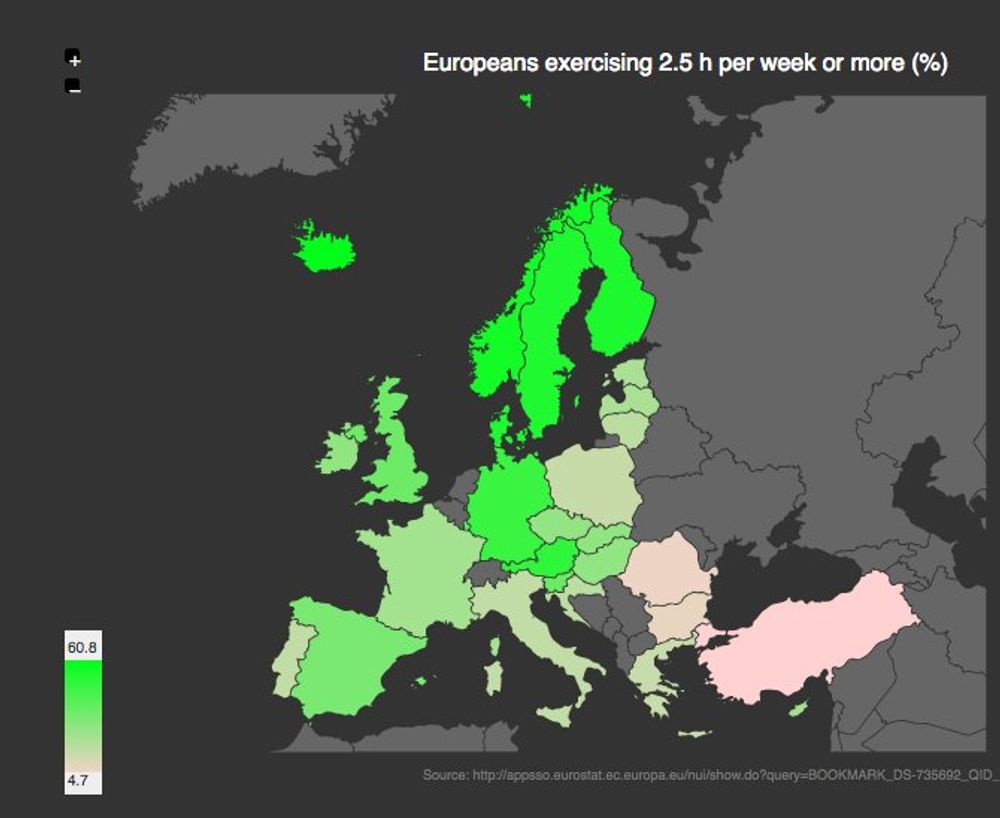
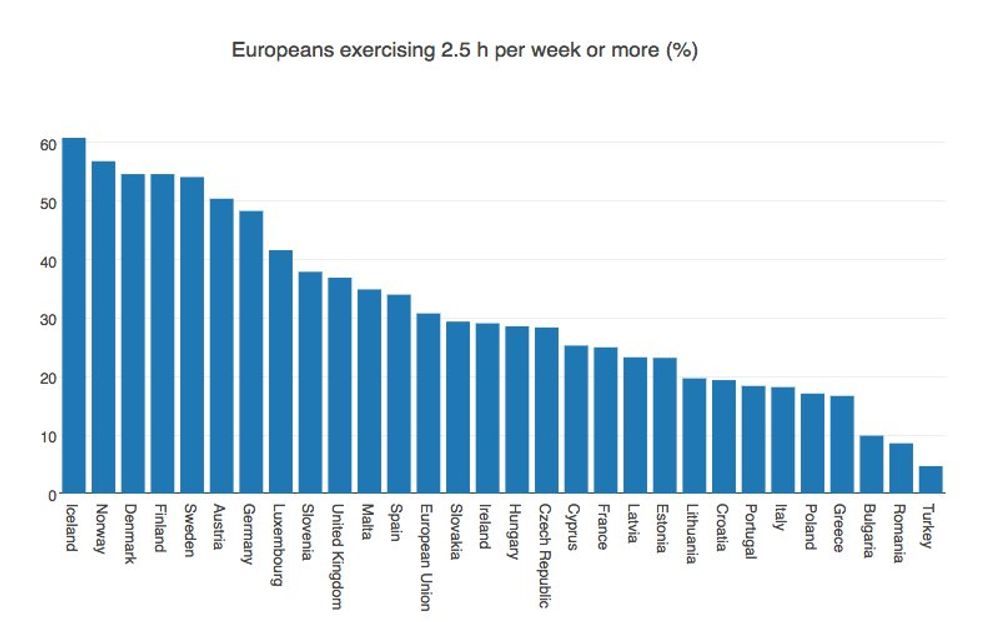
Eurostats has an interesting dataset with the time spent exercising per country in Europe. It's not surprising that the countries that exercise 2.5h or more are the Scandinavian countries: Iceland, Norway, Denmark, Finland, and Sweden. Way to go Scandinavia!

Top 100 websites in the world by type


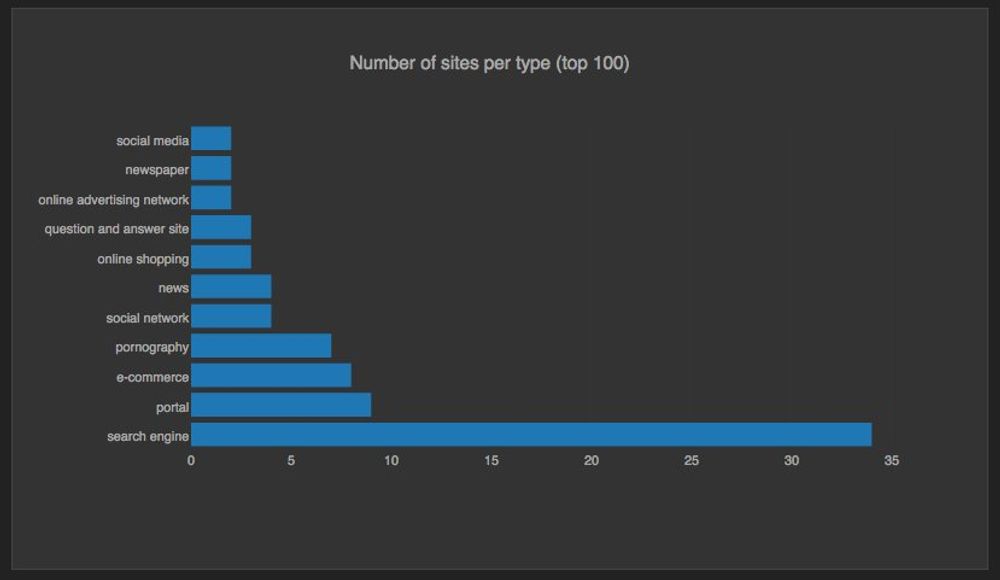
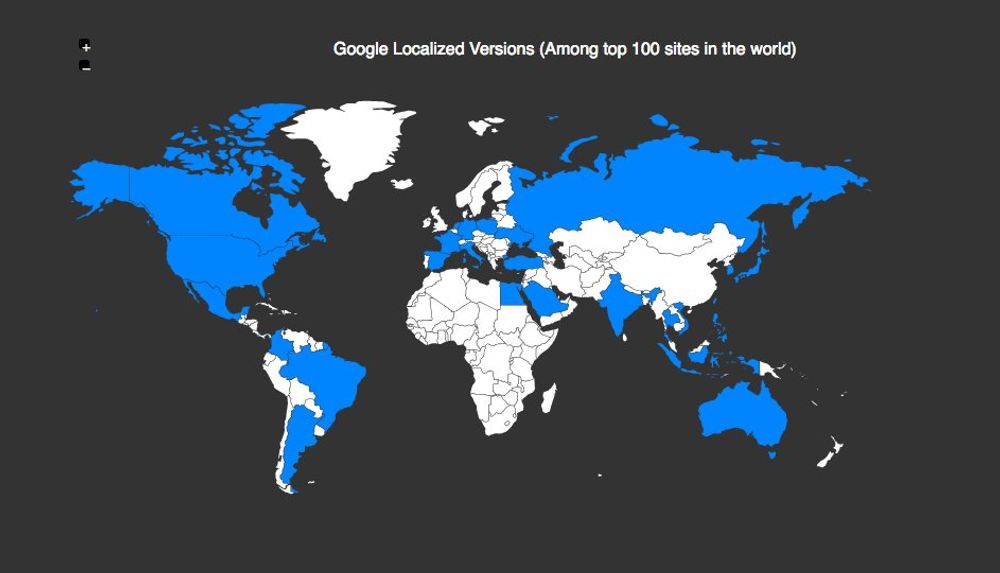
Wikipedia provides an article containing a list of the top 100 sites in the world in terms of traffic, using Alexa and SimilarWeb as sources. The chart above shows the count of site types based on that list, and Search Engines is the top category by far. Now, it's interesting to see how this finding is due to the massive popularity of Google around the world: Its localized version in all these countries makes it to the top 100 list:

USA Country of Immigrants


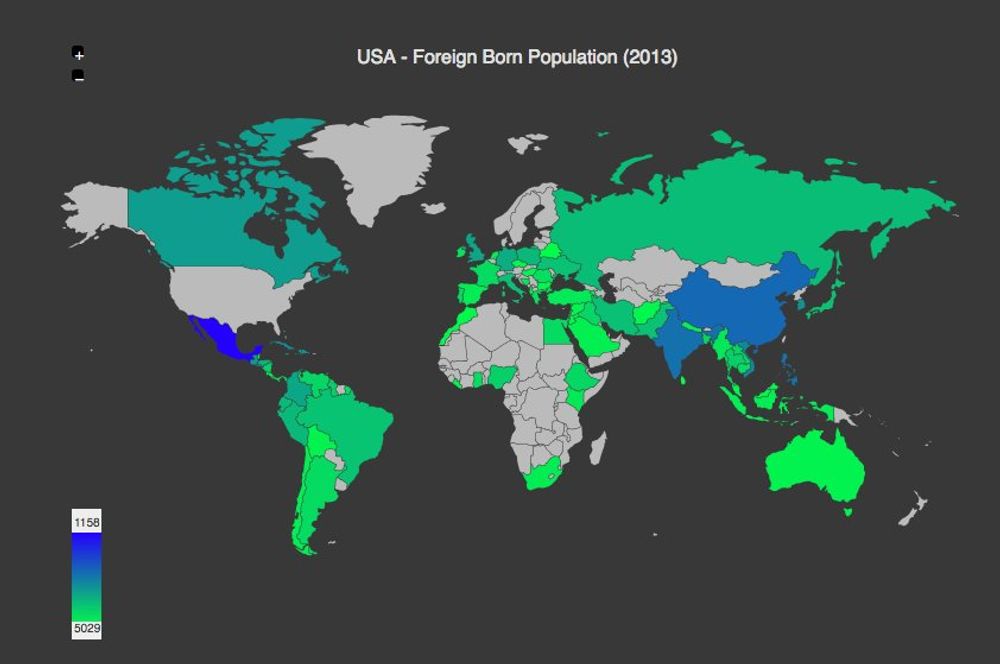
The USA is indeed a country of immigrants. In 2013, 41M people out of the total 316M population were foreign born, coming from all over the world. The top countries from that list are Mexico, China, India, Philippines, and Vietnam, but it's a true multinational and multicultural society that should be embraced!

Top Flowers Exporters in the World


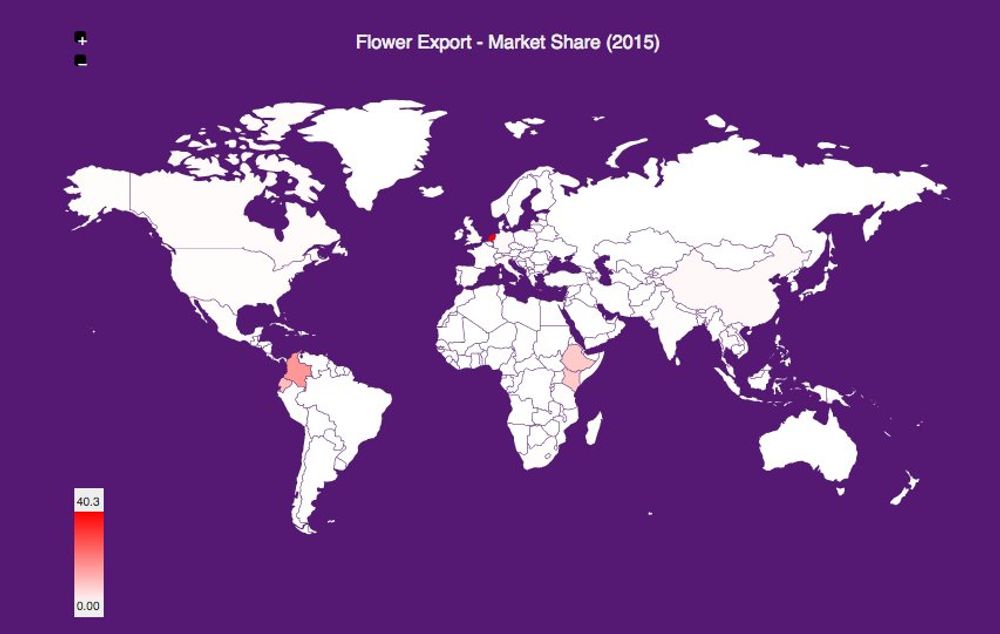
I knew Colombia was one of the top flower exporters in the world, but a couple of days ago with all the flowers going around for St. Valentin's day I wondered who was the top exporter overall. Not surprisingly, it's the Netherlands with a whooping ~40% market share of the world exports.

Global Peace Index 2016


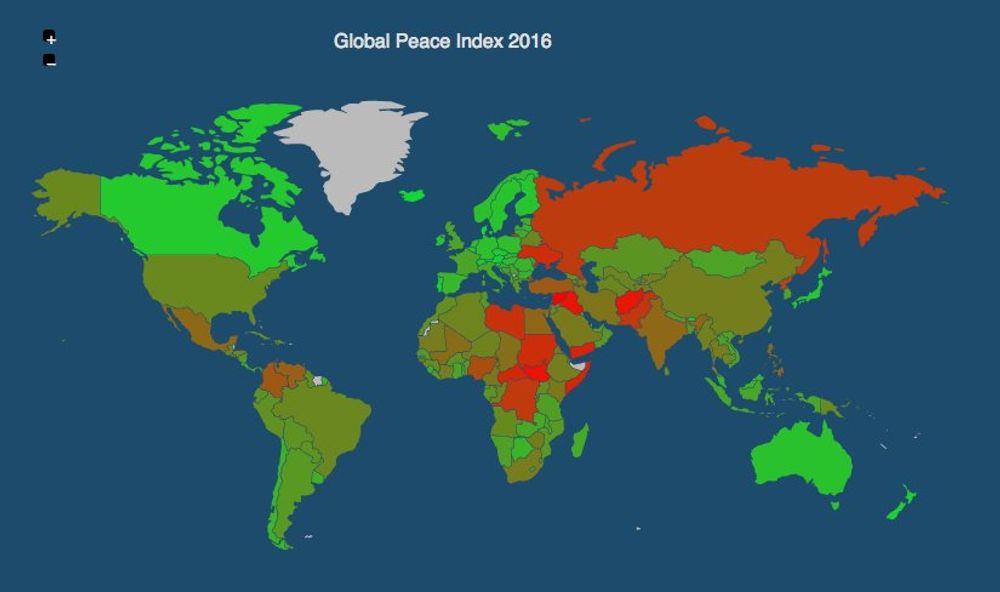
The Global Peace Index (GPI) is an attempt to measure the relative peacefulness of the countries around the world. The latest publication considers Syria, South Sudan, Iraq, Somalia, and Afghanistan as the least peaceful places in the world. On the other hand, Iceland, Denmark, Austria, New Zealand, and Portugal are considered the most peaceful.

Corruption Index 2016


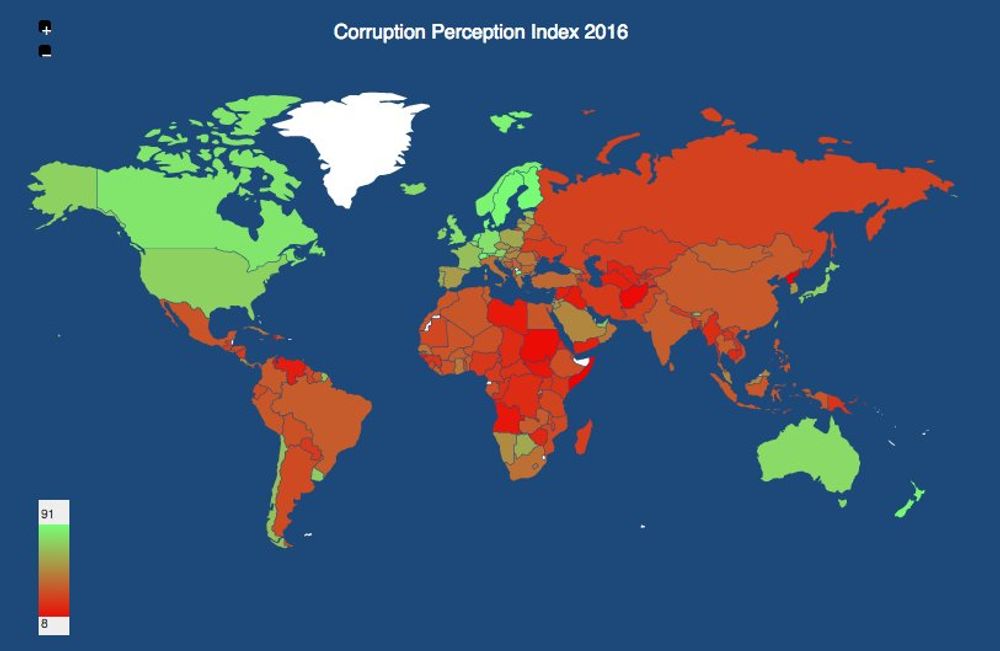
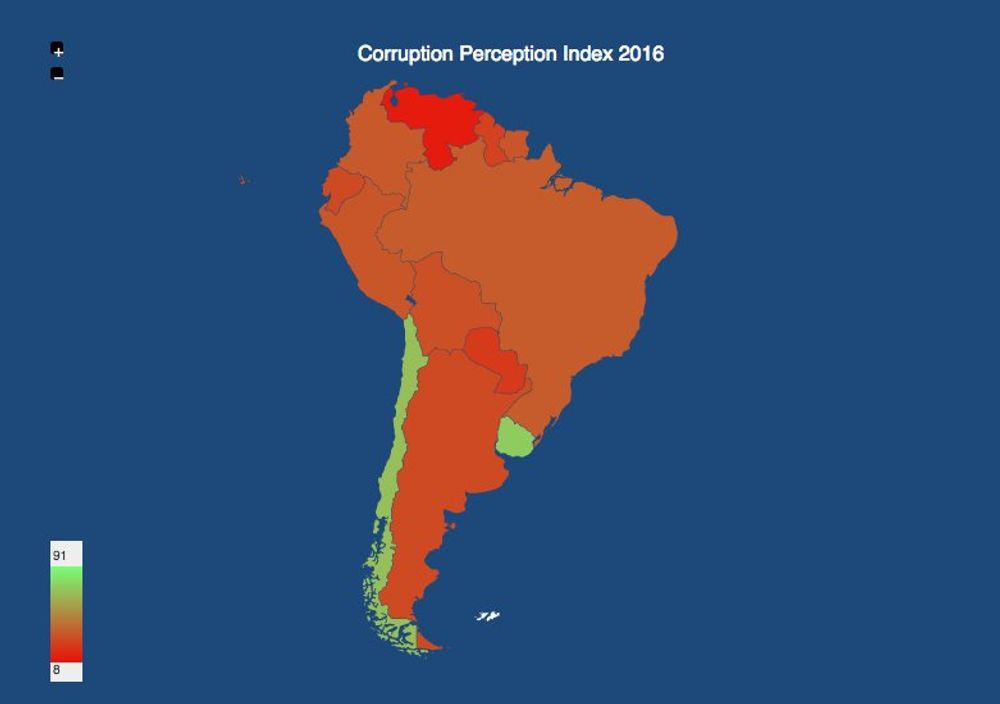
A year ago I published the 2015 update on the Corruption Perceptions Index, and the data for 2016 is already available at the Transparency International (transparency.org) website. As a recap, this organization fights for a a world in which government, business, civil society, and the daily lives of people are free of corruption. This year, the least corrupt countries on the list are New Zealand and Finland, and the most corrupt are Somalia and South Sudan.

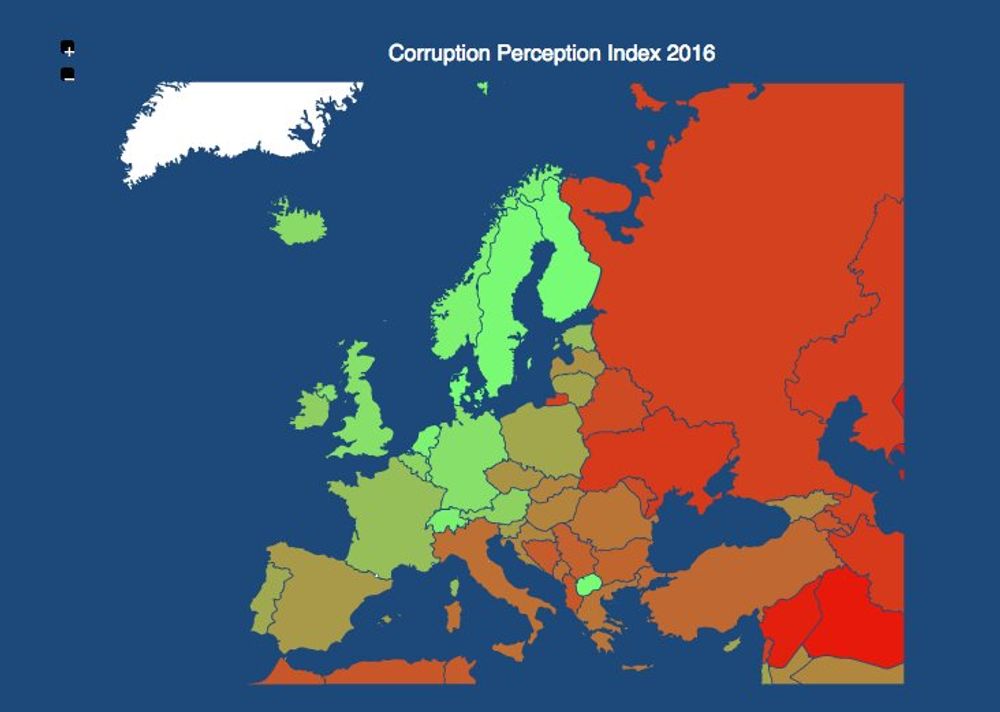
In Europe, the trend is similar to last year: the most northern and western countries are least corrupt, and vice versa.

In South America, Venezuela is again this year at the bottom of the list.

Unemployment Rate in Europe


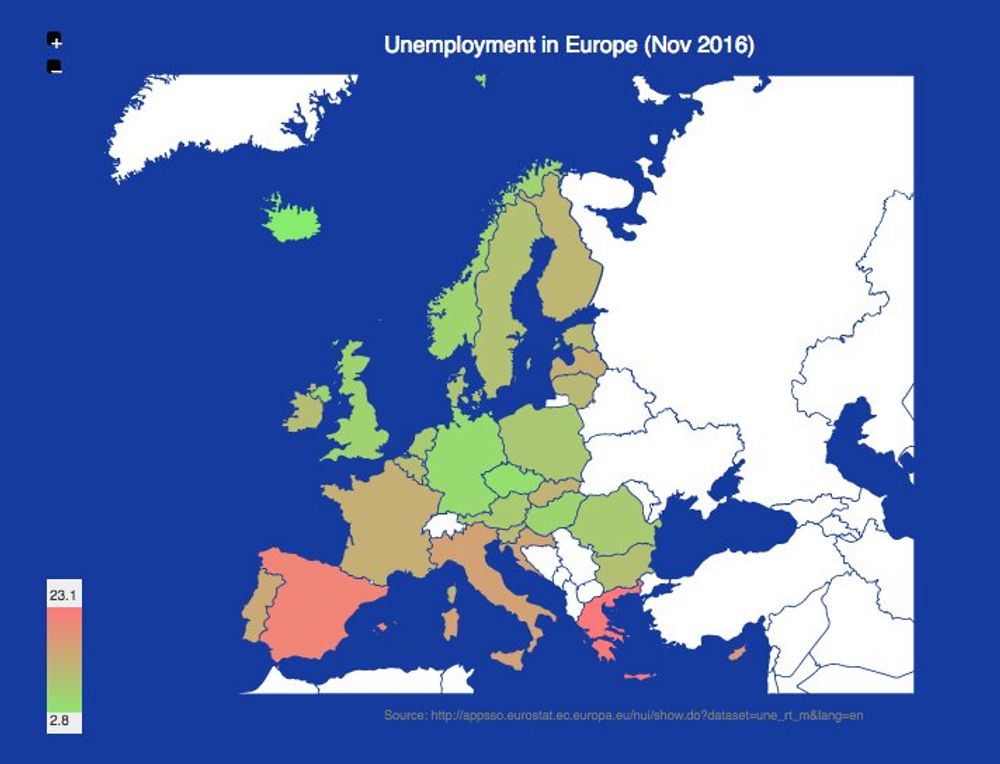
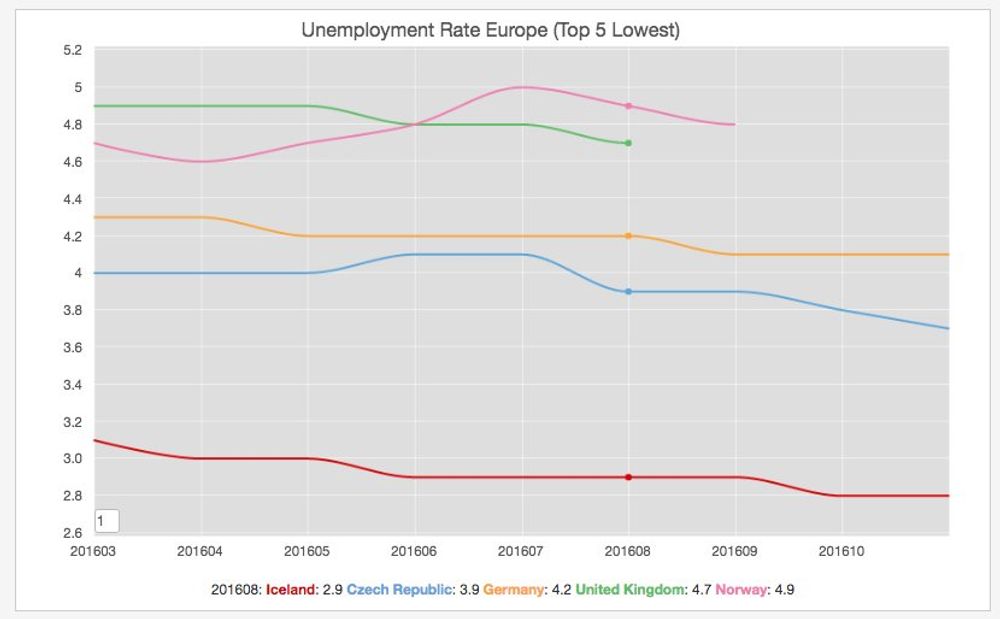
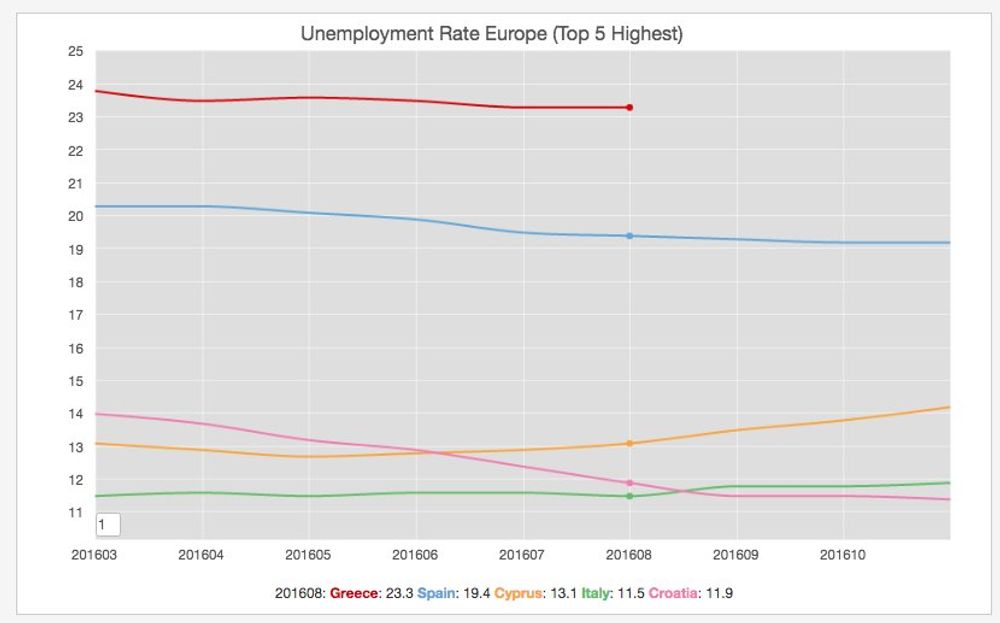
Eurostat updated its unemployment rates http://appsso.eurostat.ec.europa.eu/nui/show.do?dataset=une_rt_m&lang=en. Iceland has one of the lowest unemployment rates in Europe (followed by the Czechia and Germany), while Greece still has the highest, followed by Spain.

Income Inequality


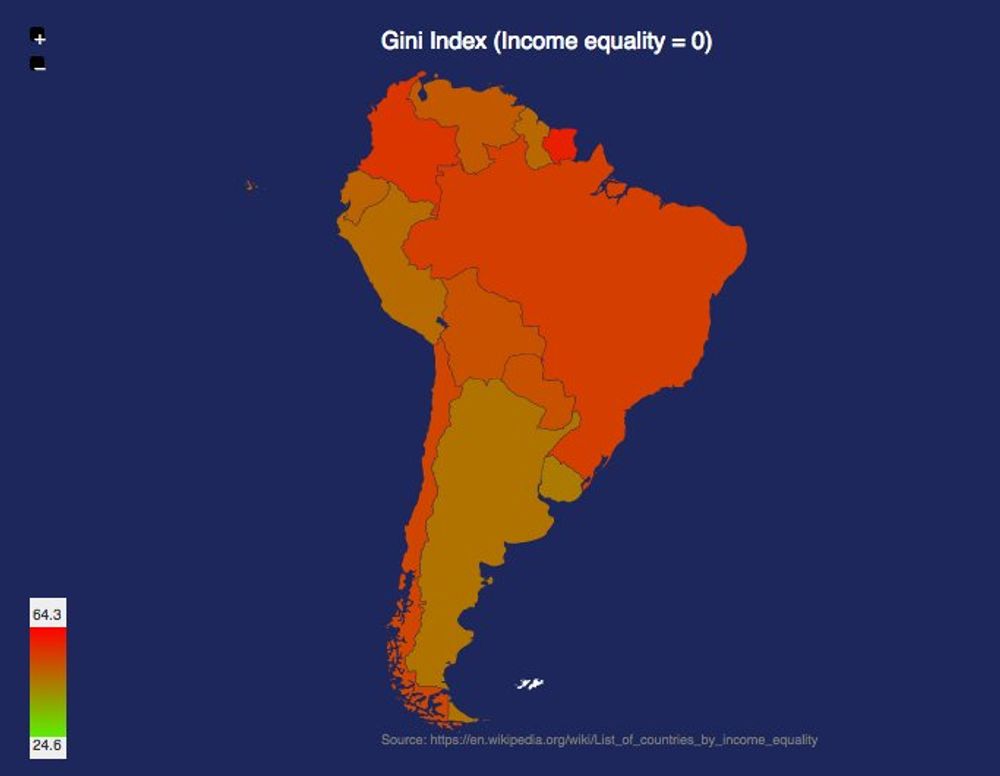
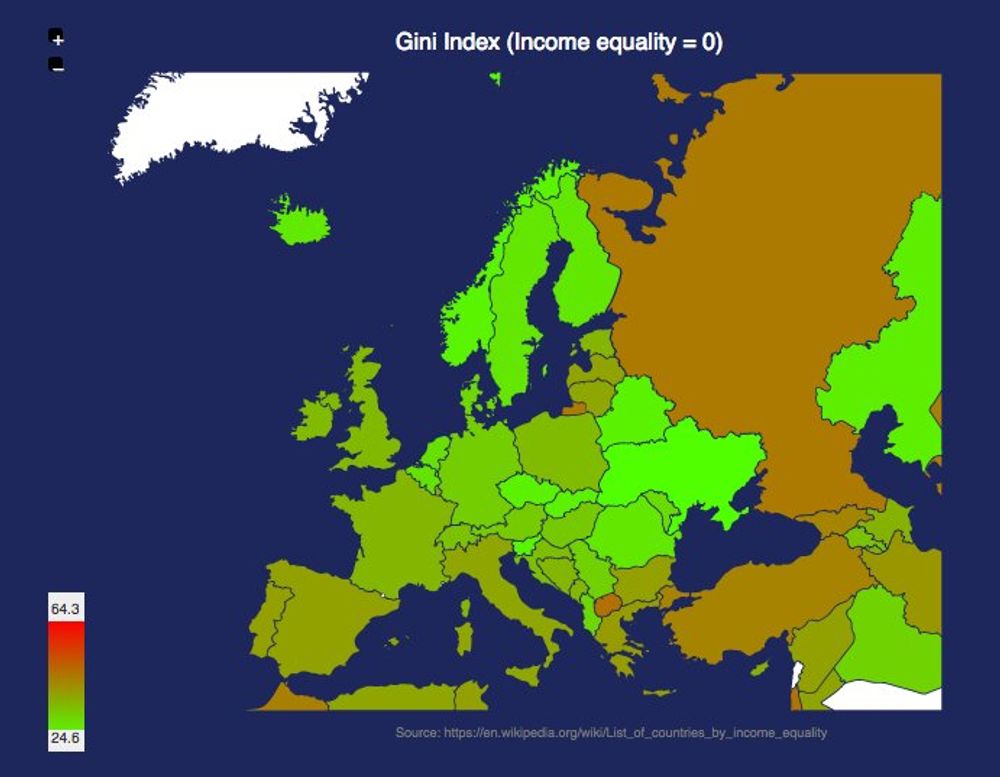
One of the many controversies of the incoming US presidential administration is the incoming cabinet composed of very wealthy individuals. It's interesting to note that the US is not a very equal country compared to all the other western democracies. Even its northern neighbor is much more equal when comparing the Gini index.

It should be noted that this inequality is even worse in the south. The comparison between South America and Europe is striking:

Another Poll Miss


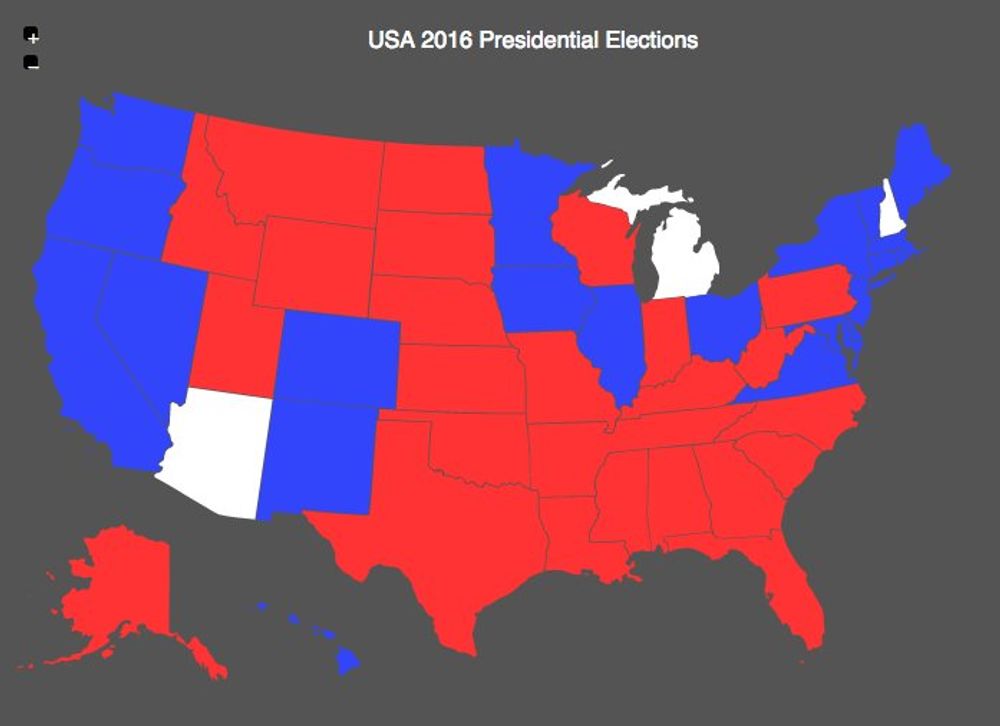
This morning I woke up very early feeling a bit uneasy. I started to follow the live US presidential transmission and then slowly it began to be clear that the Republican nominee was going to win. As I mentioned a couple of days ago, the main danger with this outcome is that nationalist groups might feel empowered to spread and promote their hate speech. I'm really hoping this won't happen. And it was definitely a complete poll miss. A dangerous one.

Halloween Interest in the World


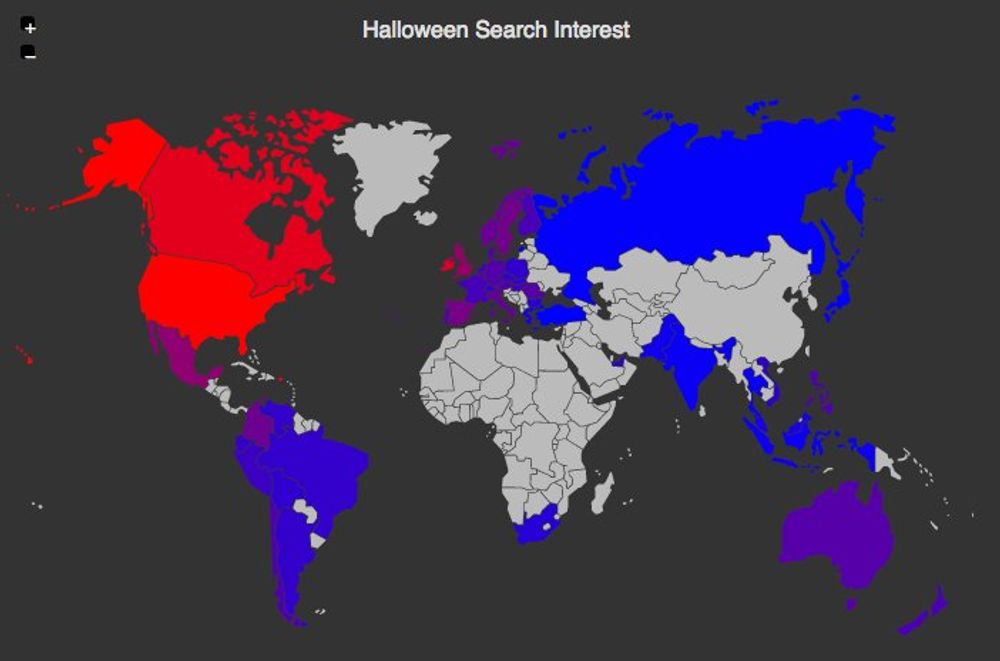
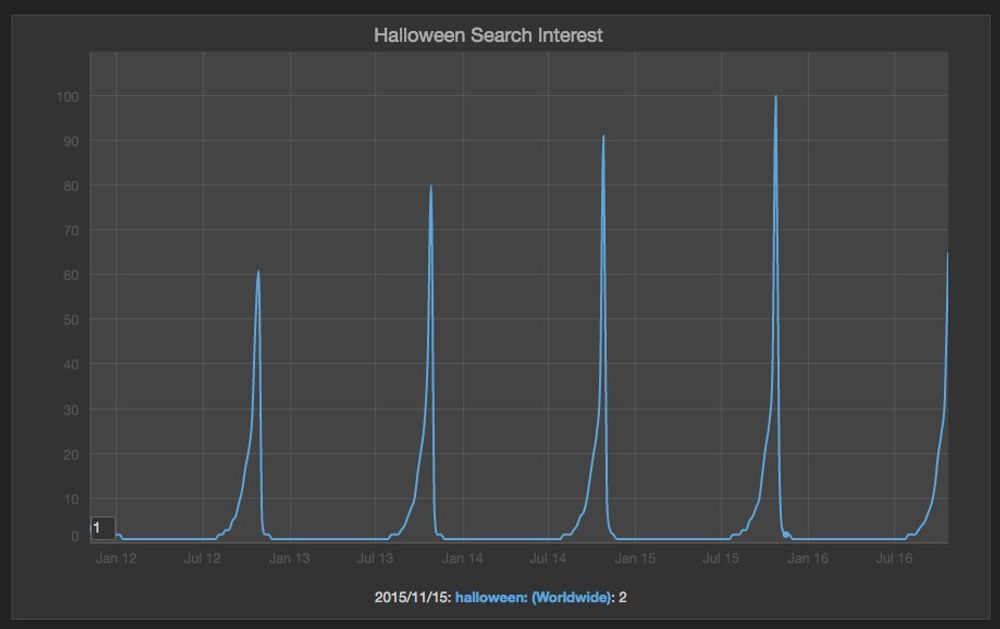
The Halloween query data from Google Search Trends shows some interesting points. The countries most interested in this tradition, which originated from Celtic harvest festivals, are the US, Canada, and Ireland.

On the other hand, the search queries for Halloween always spiked a week before the actual celebration (Looking for costumes).

US Incarceration rate


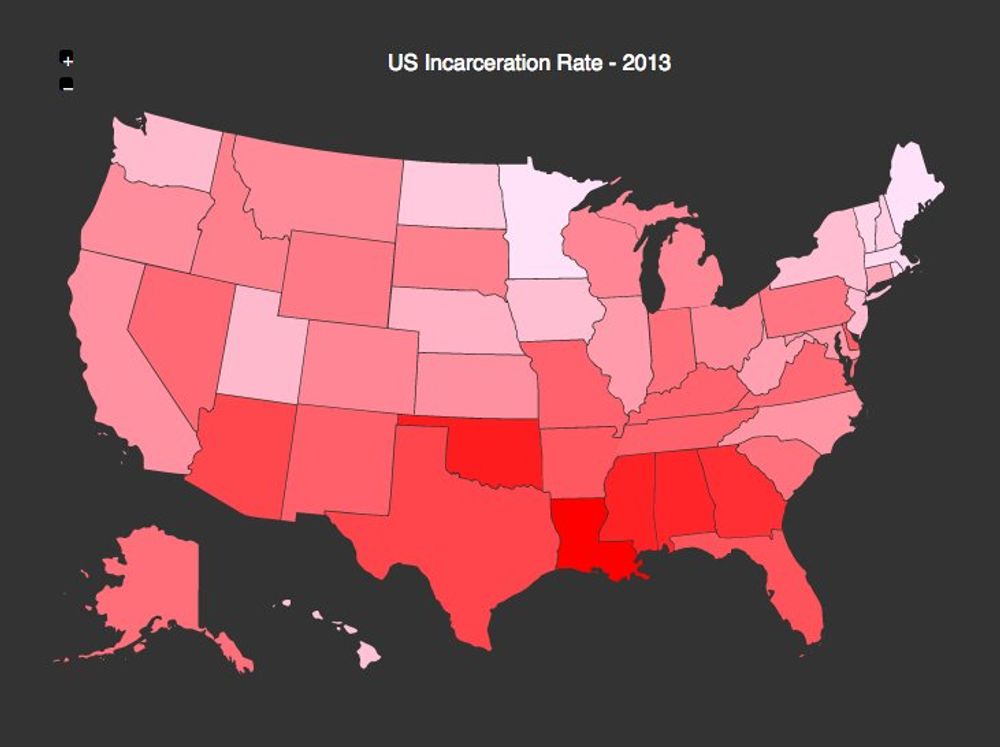
Reading about http://fortune.com/2016/10/06/13th-netflix-documentary-ava-duvernay/. The US incarceration rate is shameful, particularly in the southern states of the country.

Women might defeat Donald Trump


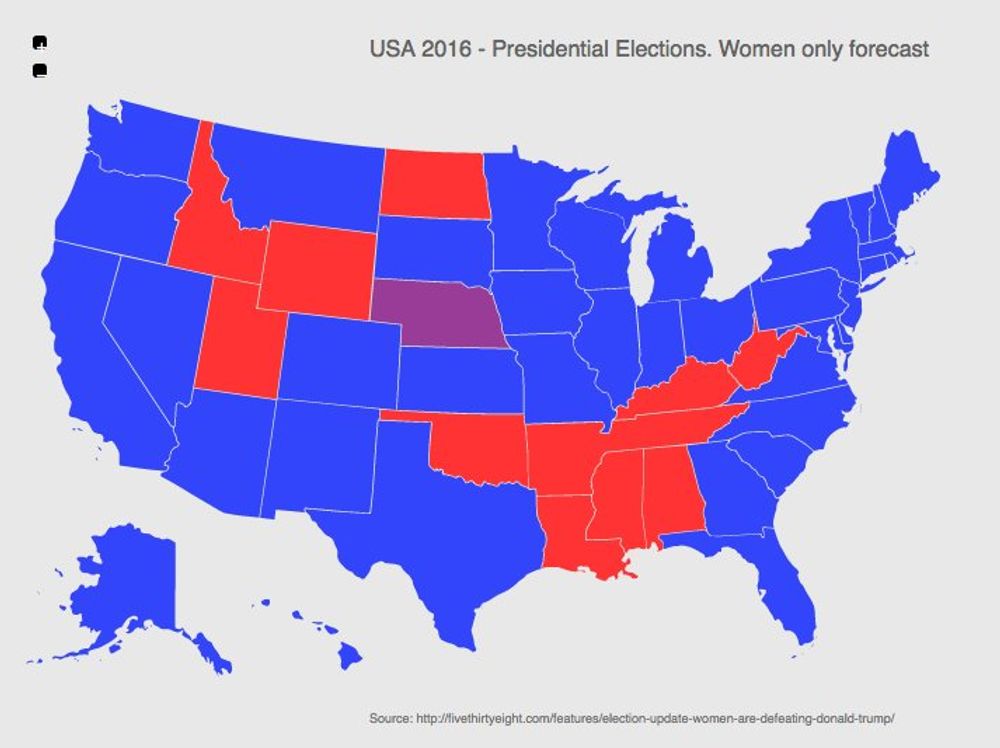
FiveThirtyEight, an interesting site focused on opinion poll analysis, has become one of the most quoted sites in political news. A couple of days ago they published an interesting article on how the USA electoral map would look like if only women voted, based on their poll models. It's interesting how it would be a landslide defeat of Donald Trump!

Nobel Peace Prize


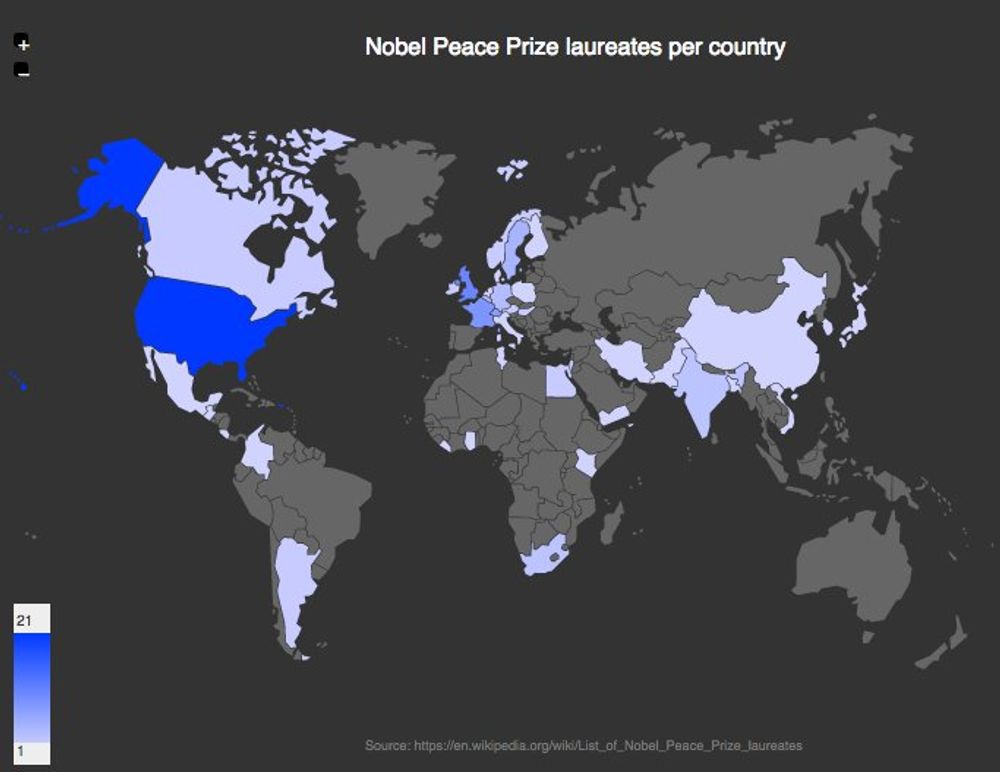
Yesterday the Norwegian Nobel Committee decided to award the Nobel Peace Prize for 2016 to Colombian President Juan Manuel Santos for his resolute efforts to bring the country's more than 50-year-long civil war to an end, a war that has cost the lives of at least 220 000 Colombians and displaced close to six million people.

I was really happy about this outcome because it's encouraging that the international community recognizes the historical importance of this peace process and the prize keeps it in the spotlight and puts some pressure on all the parties to keep working to get a resolution.

Locombia Referendum


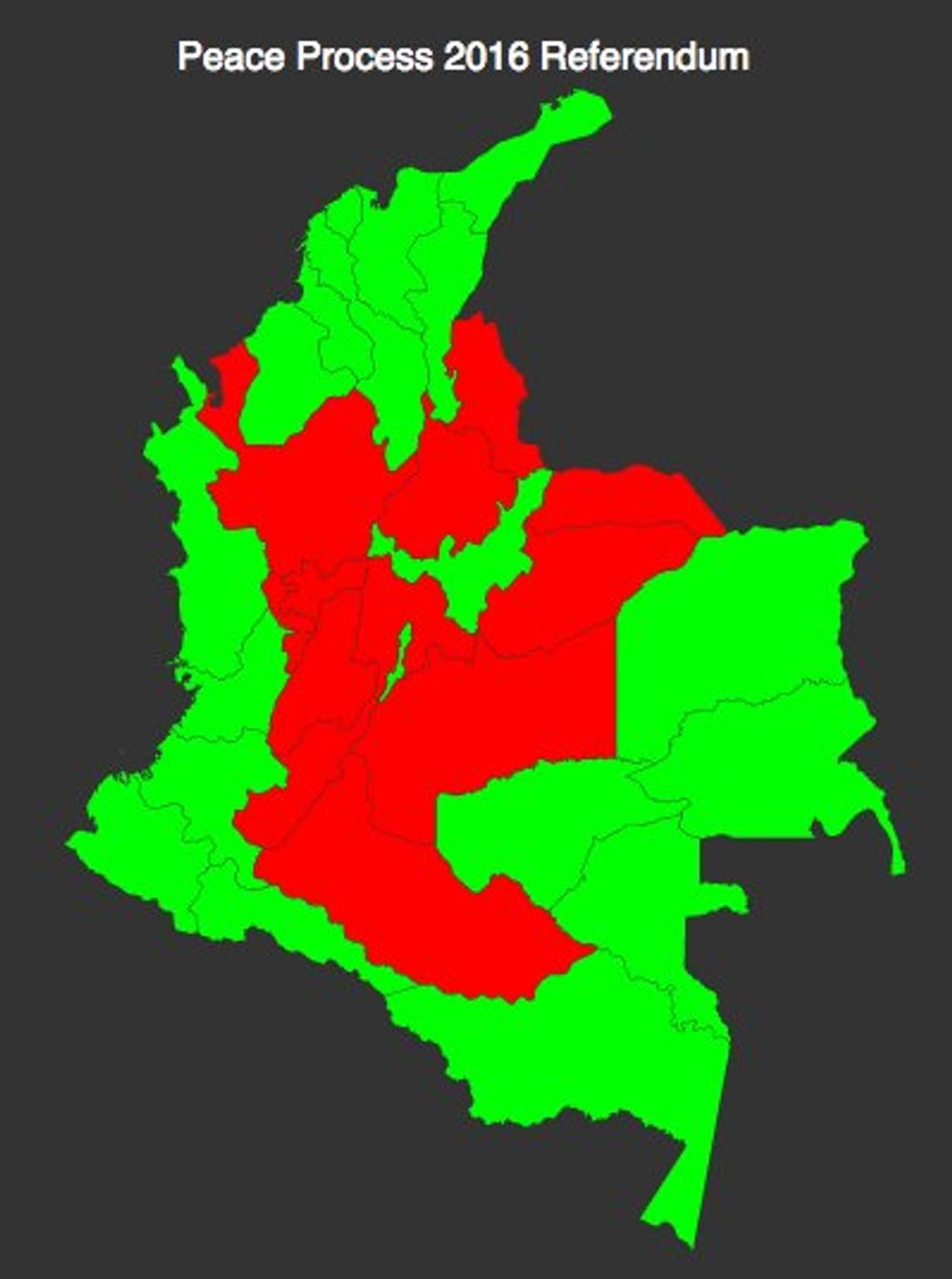
I have been quite bummed this week because Colombia, the country where I was born, rejected last Sunday a historic opportunity to sign a peace agreement with the oldest guerrilla movement in the Latin American continent. It's sad that the people most affected by the conflict approved the accord while the voters who are safer in the cities decided to go to the NO camp.

Mobile internet users in Europe


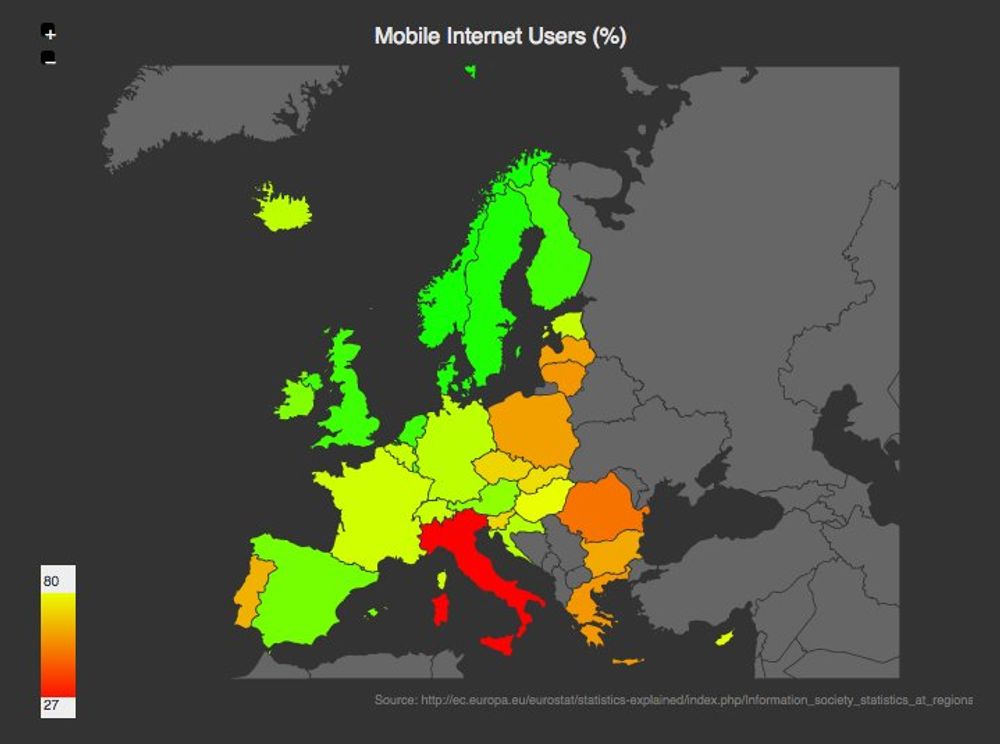
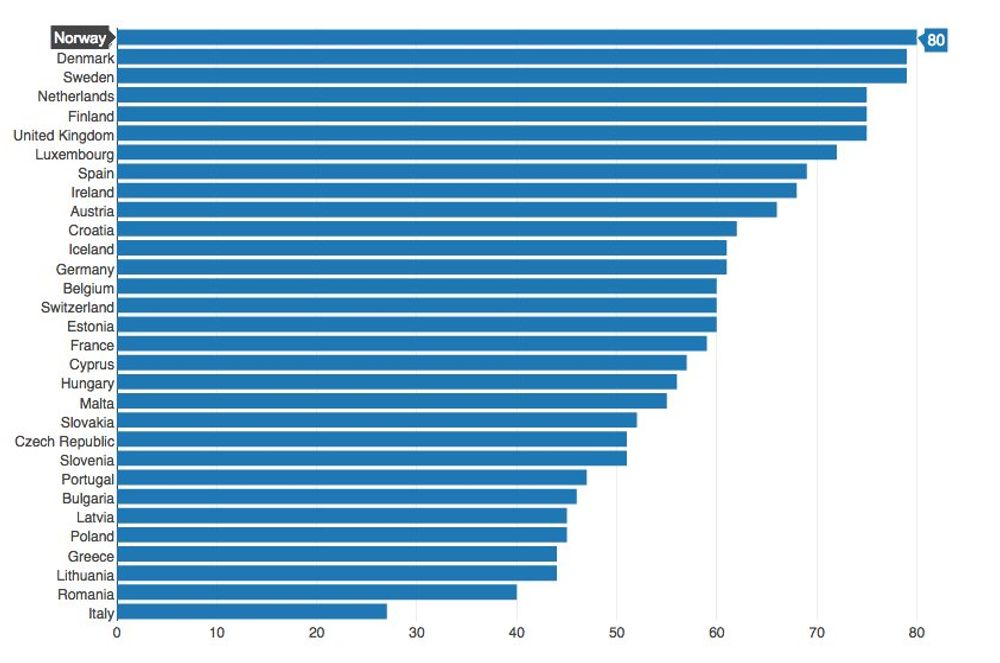
Eurostat published some very interesting stats regarding the mobile internet connectivity of the EU citizens in the Information society section of the Eurostat regional yearbook publication. The map above shows the countries with the largest and smallest percentage of users browsing the internet through mobile devices in cities. It was not surprising to see the Nordic countries at the top of the list, but I wasn't aware Italy was at the bottom.

Here is a barchart with the countries sorted by percentage:

Most visited European Cities


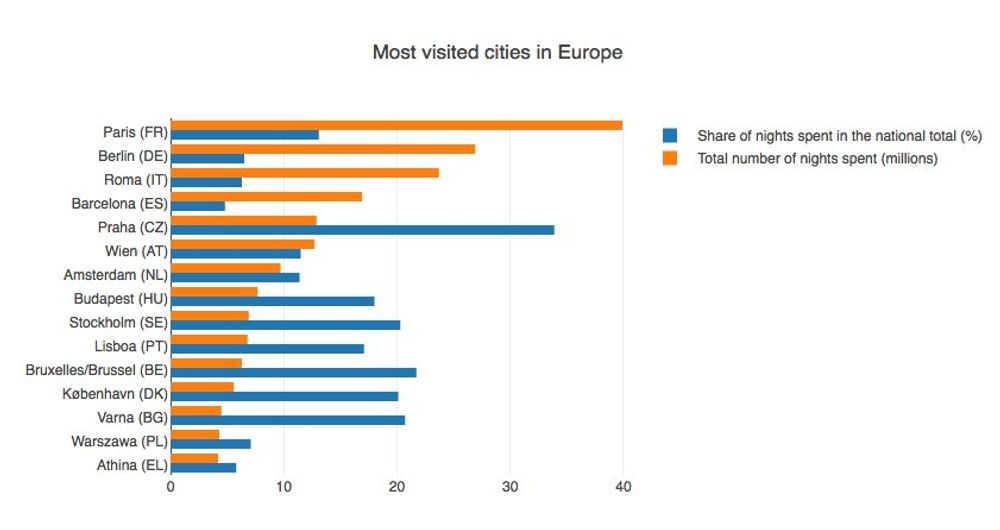
Eurostats have a very interesting article and dataset about tourism in the different European cities. The chart above shows the most visited European cities in terms of millions of nights spent by tourists, next to the percentage of those related to the local population.

15 years ago - 9-11


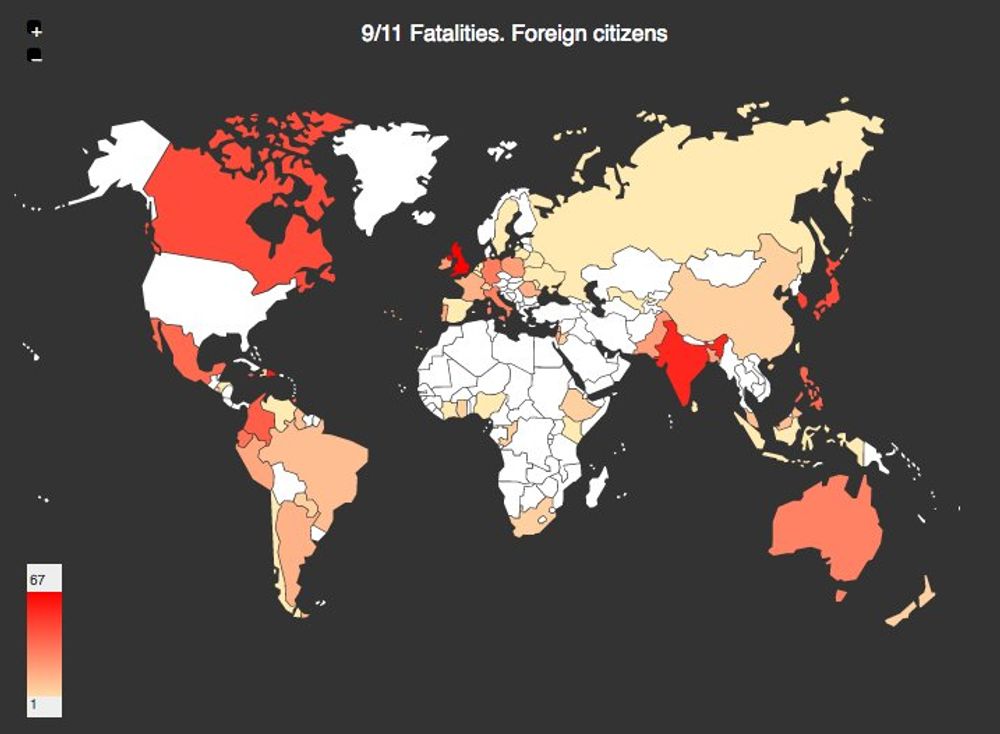
15 years ago today I was working from home when I got a call from my ex. "Are you watching TV? Because it seems there was an explosion in NYC in the WTC". I turned on the small TV set I had in my room and I saw on CNN the footage showing one of the twin towers in flames. Many of the fatalities in that attack were foreigners as you can see in the map above.

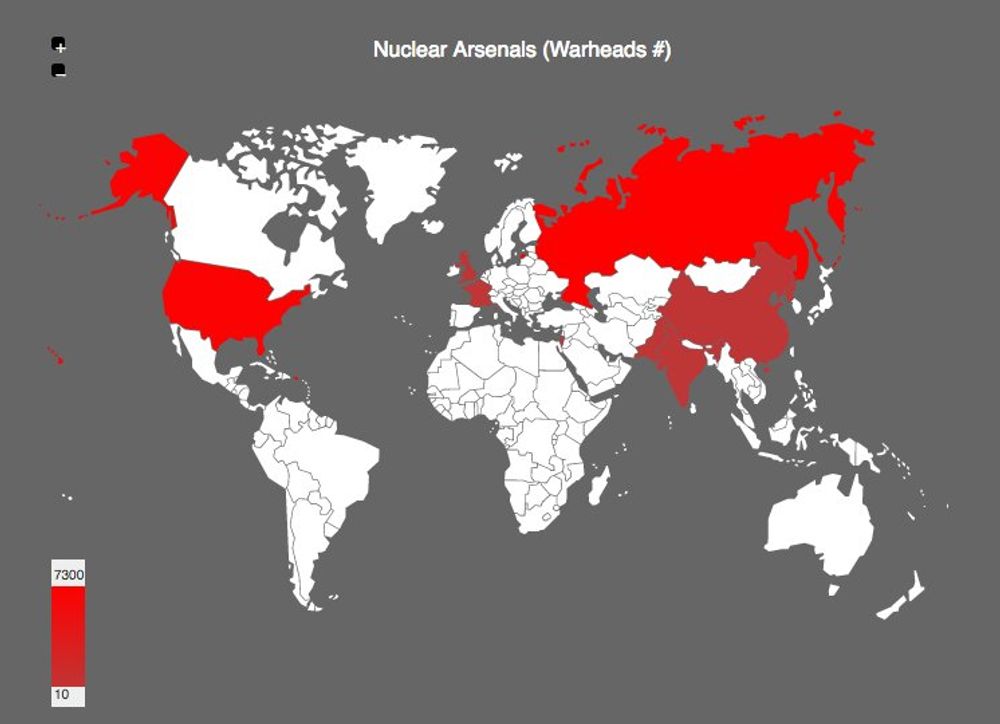
Nuclear Arsenals Map


This morning I was reading in the news that North Korea conducted a fifth nuclear test. It's pretty scary to think this nation could launch a nuclear attack. There is an organization called ican that leads an international campaign to abolish nuclear weapons. They track the arsenals maintained by the different nuclear powers.

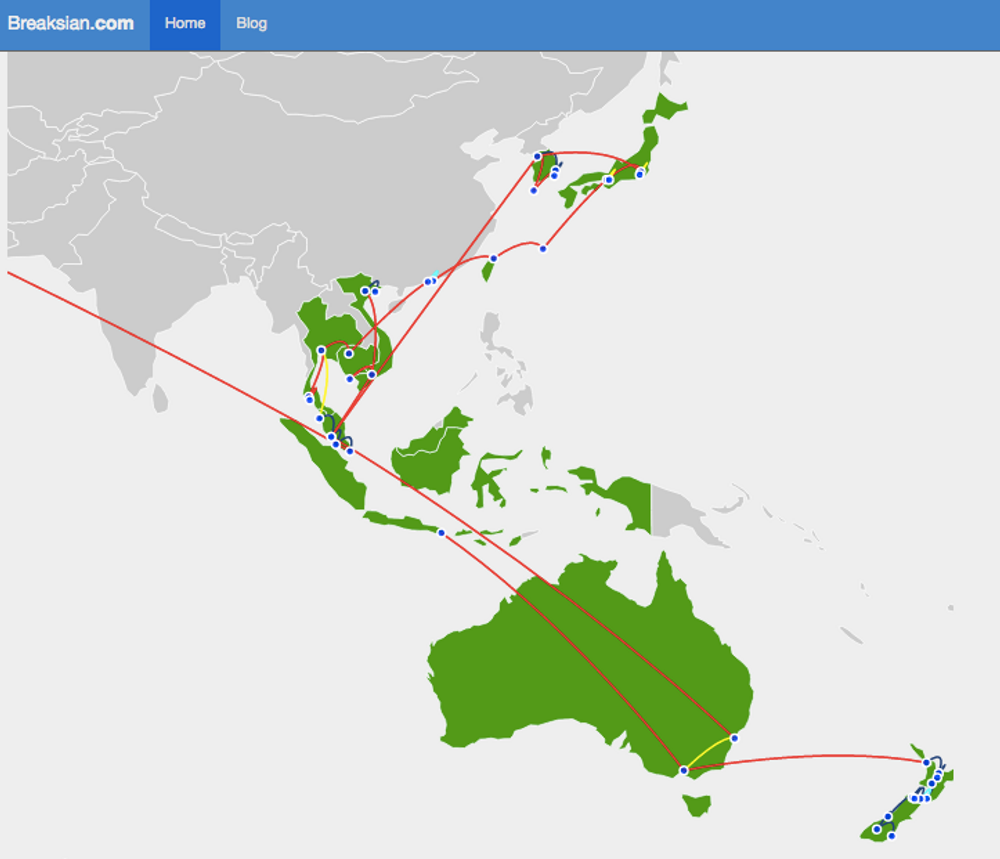
Update on the breaksian travel map


As I mentioned a couple of days ago, I have been working on this project to migrate my breaksian travel blog to the node platform where I'm running my applications. I already finished the main blog, but there are a couple of pieces more pending. Today I finished one of them. It was a small map showing the itinerary I followed while I was travelling in Asia and Oceania. I also took the opportunity to update it with the missing data points.

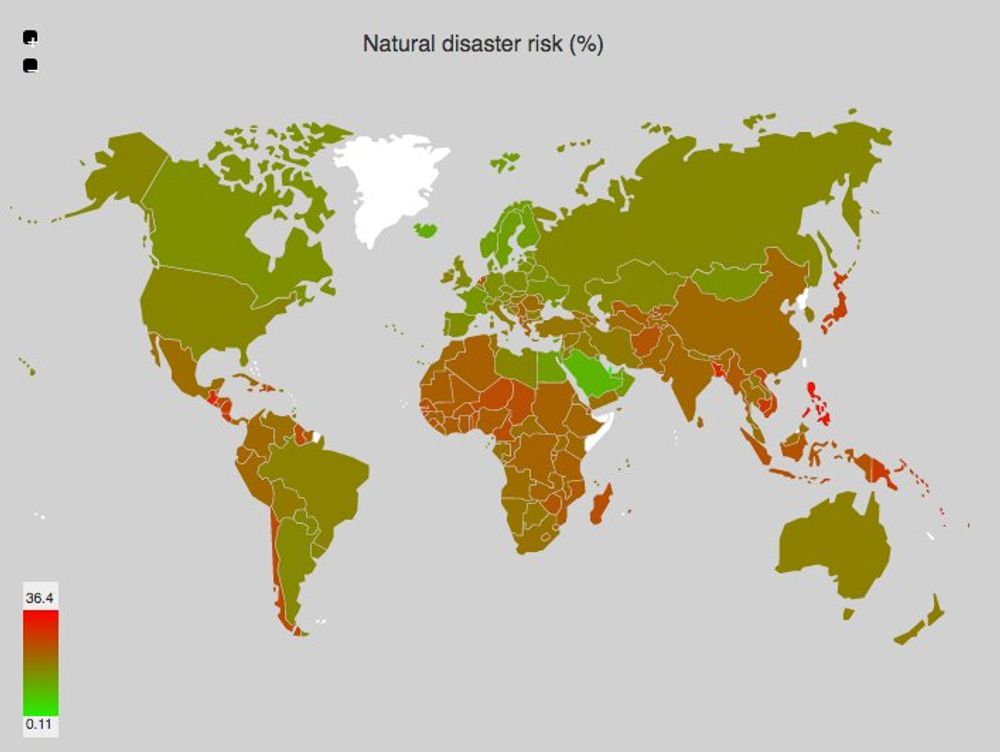
Natural Disaster Risk


I was reading this morning about the countries having the highest risk of a natural disaster. Wikipedia has a list with the World Risk Index, calculated by the United Nations University for Environment and Human Security. The map above is generated with this data.

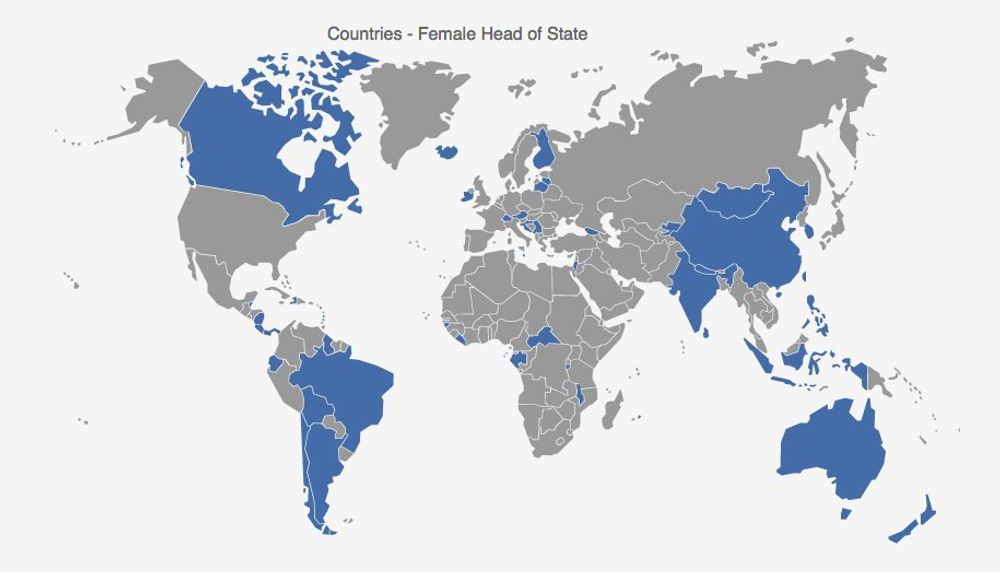
Countries with a female head of state


The map above shows the countries that currently have or ever had a female head of state. It's true, the historic nomination of Hillary Clinton is a milestone achieved in U.S. politics, but not in many countries of the world.

Big Mac Index


According to their website "THE Big Mac index was invented by The Economist in 1986 as a lighthearted guide to whether currencies are at their 'correct' level". It's interesting because even if it was designed to compare the purchasing-power parity, it shows the imbalance between different currencies. This map shows the last calculated index in July 2016.

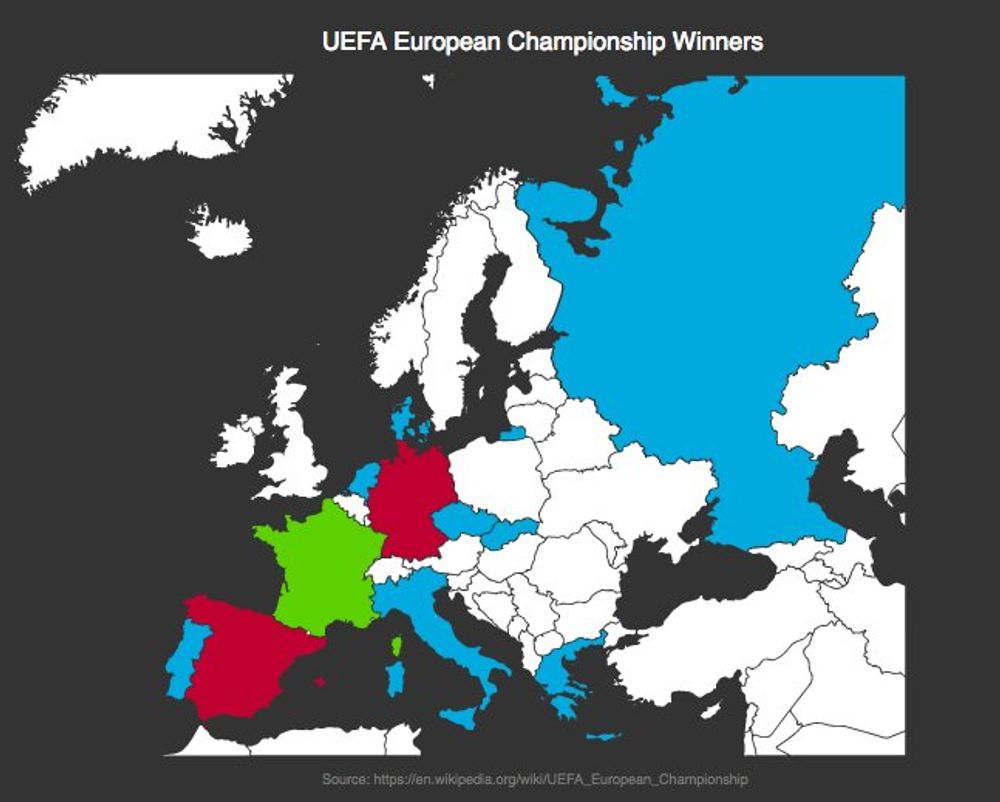
UEFA European Championship 2016 Winners


Yesterday Portugal was able to win a Championship title for the first time in an international competition, with an amazing goal from Eder in extra time. Well done, Portugal!

Alcohol inflation in Europe


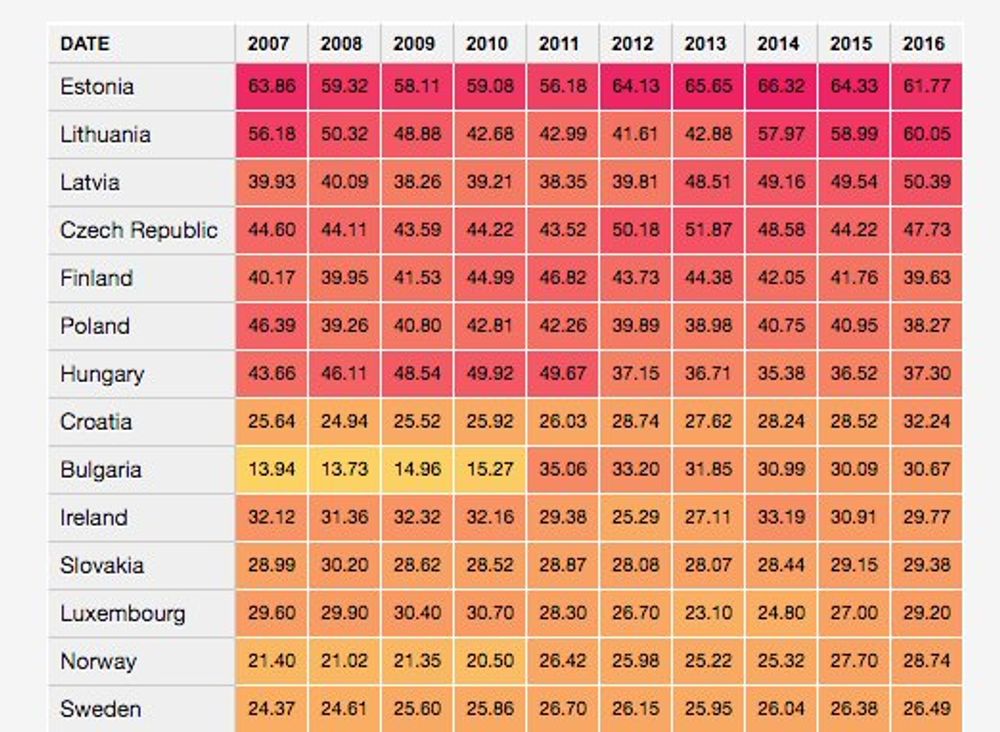
Inflation data from Eurostats. Alcohol is a big item in many of the "vodka belt" countries:

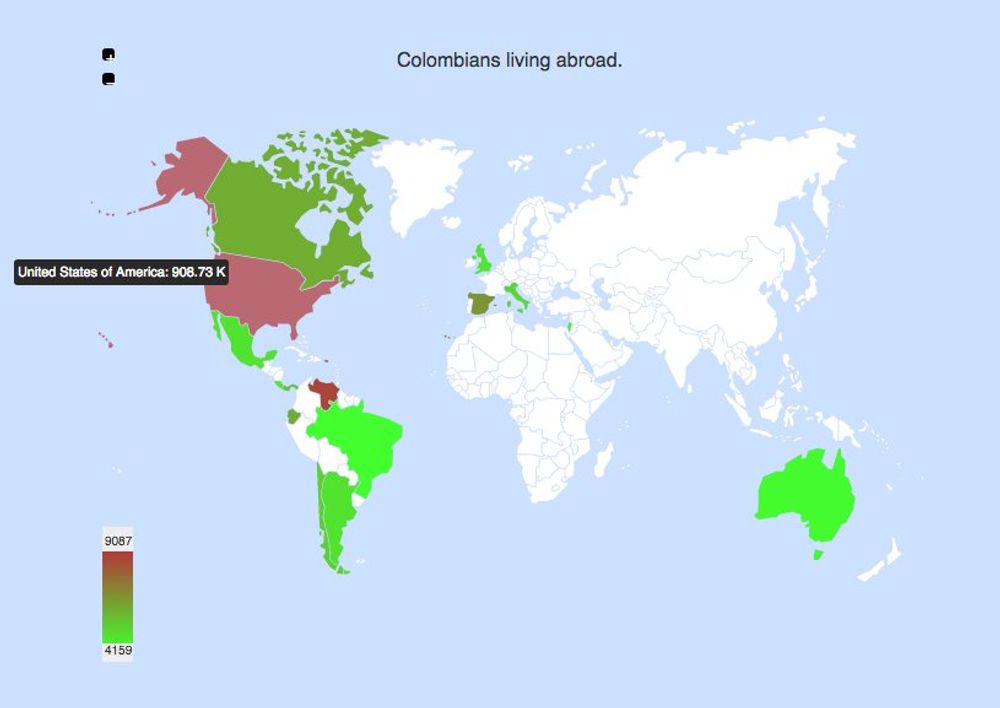
Colombians living abroad


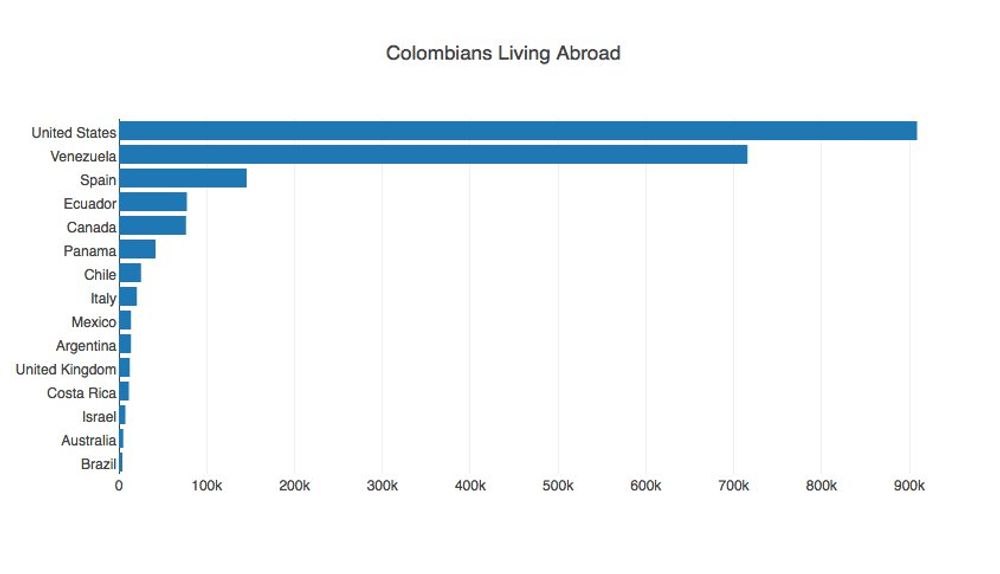
Wikipedia contains an interesting article about emigration from Colombia. It states, "Emigration from Colombia is a migratory phenomenon that has been taking place in Colombia since the early 20th century." It has been a constant phenomenon for political and economic reasons. The map and chart above show the preferred destinations for Colombians: USA, Venezuela, Ecuador, and Canada. The data is a bit stale, but nevertheless interesting.

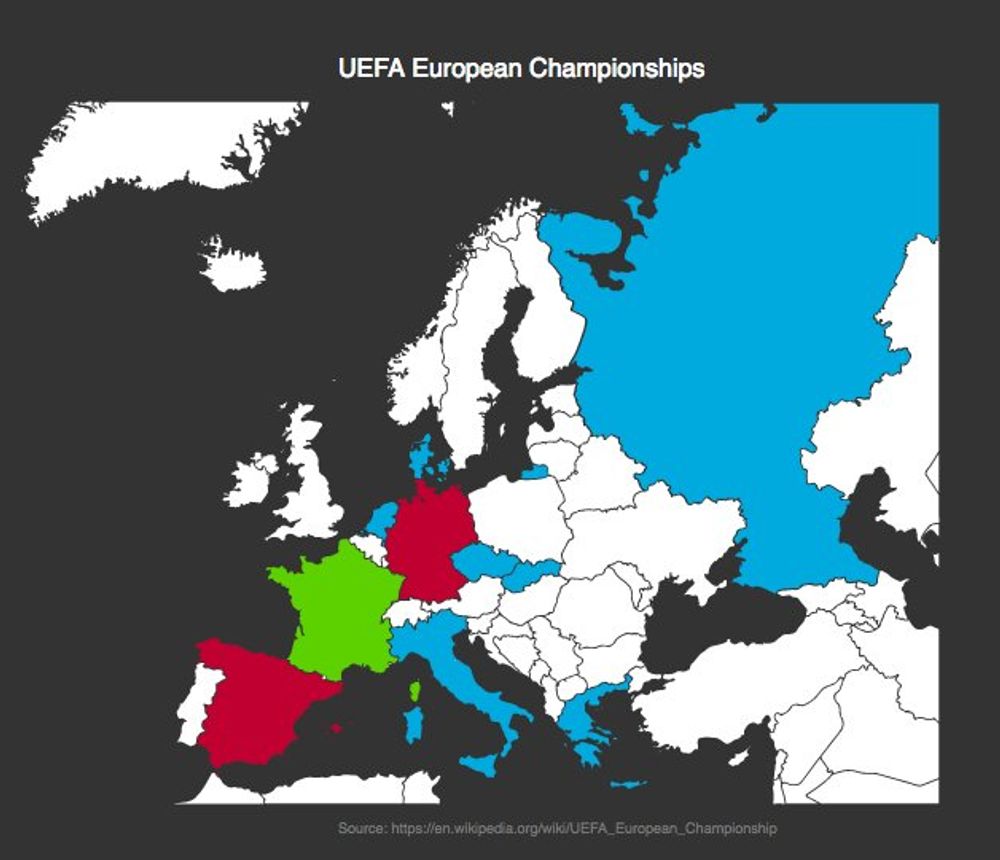
UEFA European Championship Winners


10 Most Populous Countries


1China1376790000
2India1289590000
3United States323661000
4Indonesia257900000
5Brazil206140000
6Pakistan193273000
7Nigeria187200000
8Bangladesh160479000
9Russia141800000
10Japan126700000


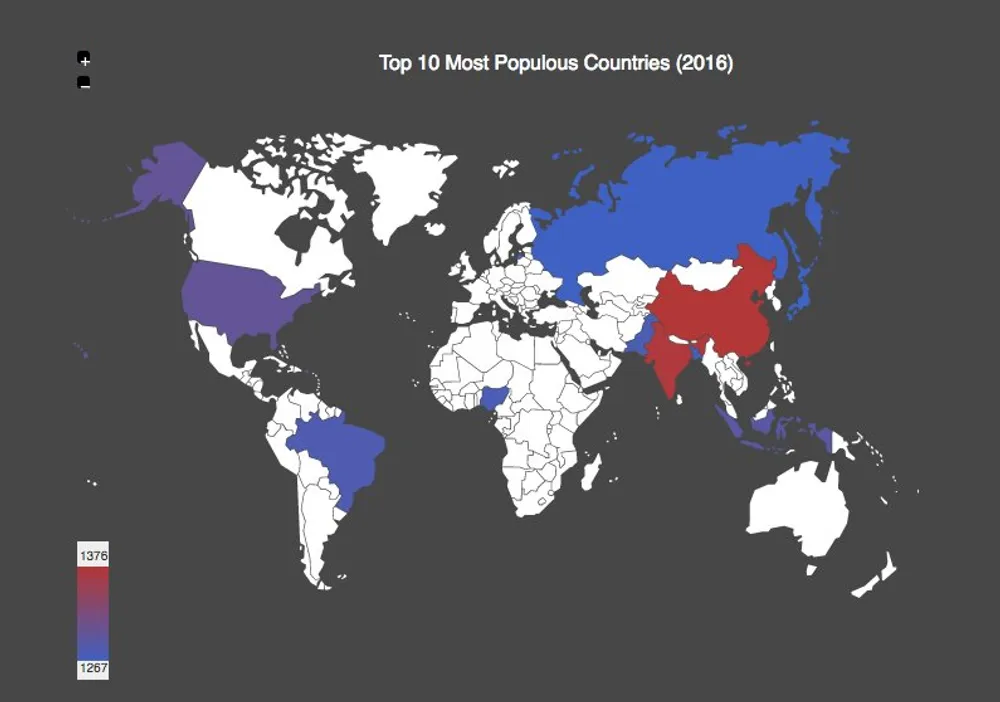
10 most populous countries in the world. Almost 60% of the world population lives there.

1st. May Workers Day


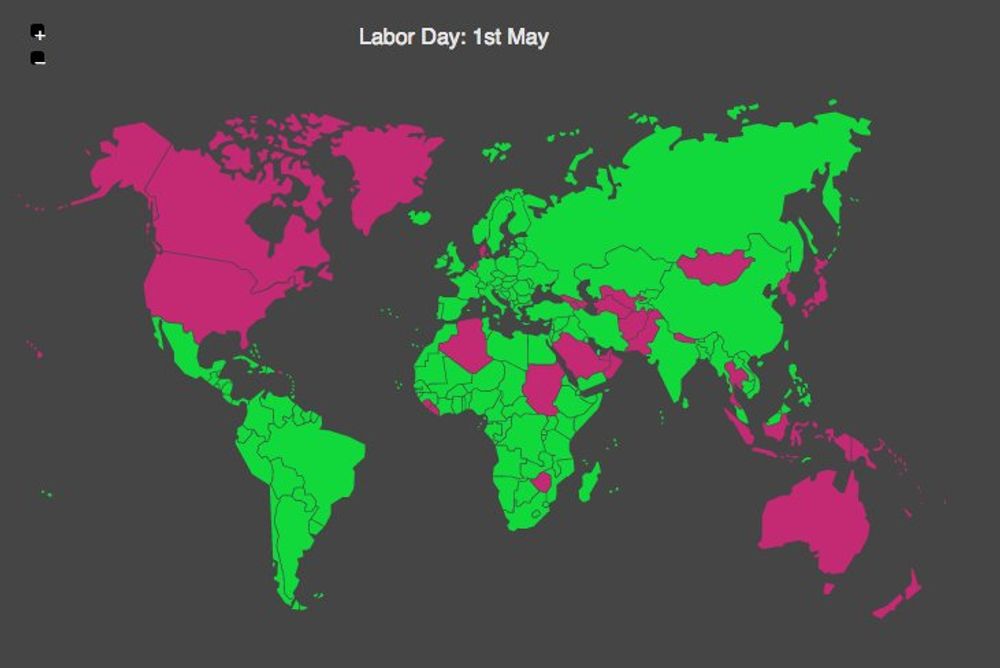
May 1st was chosen to be the International Workers' Day in order to commemorate the events that happened on May 4, 1886 at Haymarket in Chicago. The police tried to disperse a public meeting during a general strike demanding an eight-hour workday, when an unidentified person threw a bomb at police. The police responded by firing on the workers, killing four protesters.

This day is celebrated in many countries either today or tomorrow.

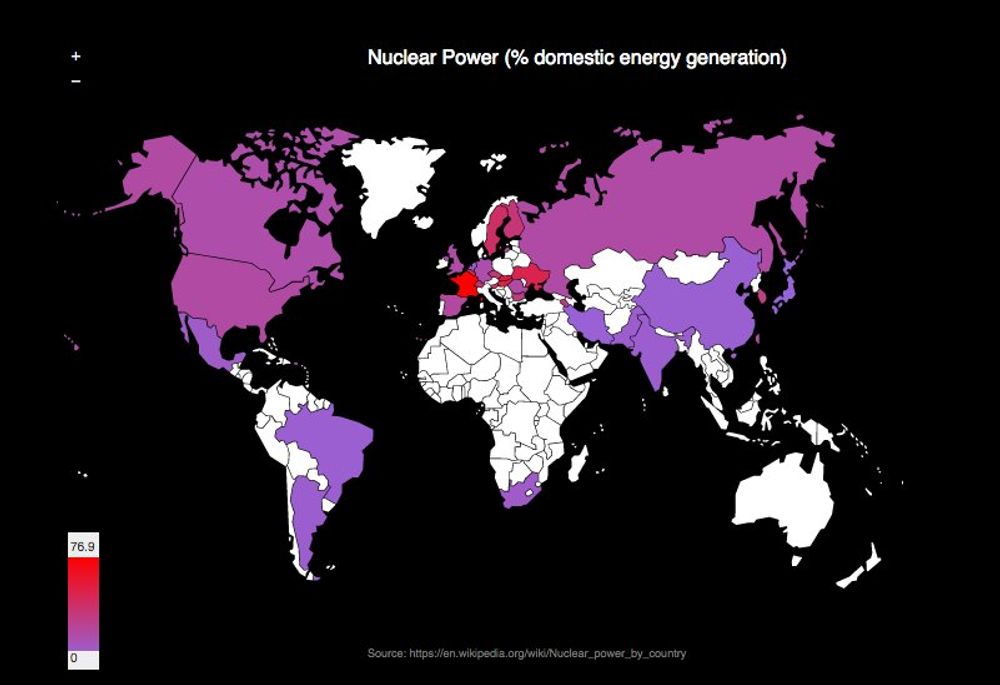
Nuclear Power Generation Map


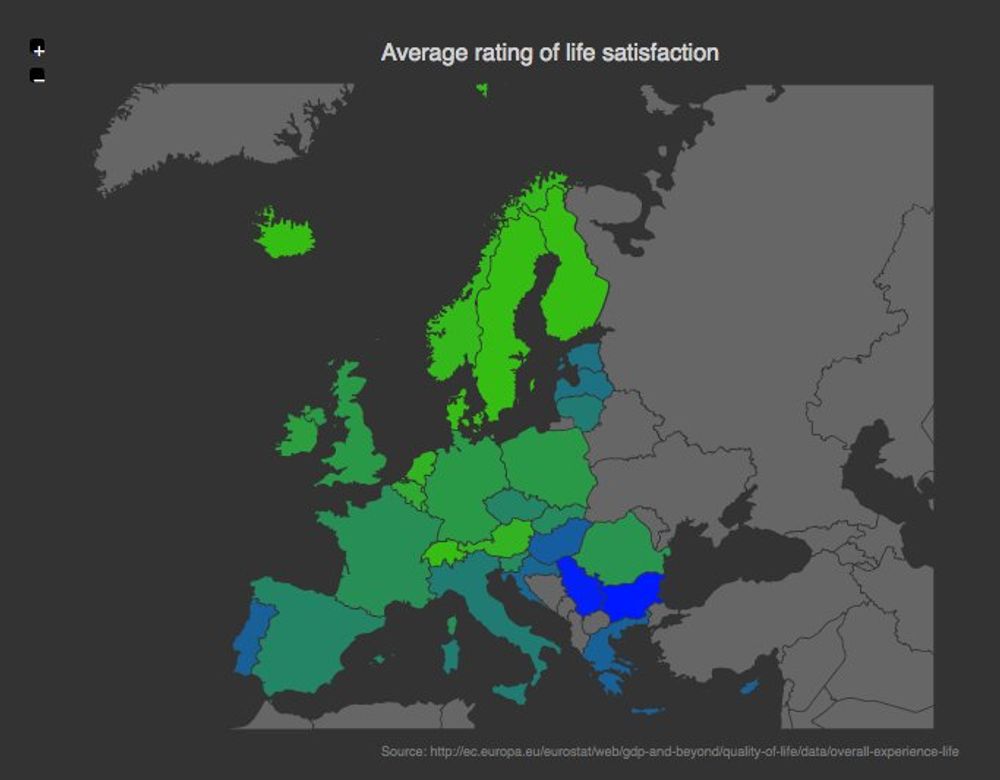
Europe average rating of life satisfaction


Eurostats have a dataset with the average rating of life satisfaction by income quintile, household type and degree of urbanisation. The overall data shows that the Scandinavian countries are the most satisfied, while Bulgaria and Serbia are the least satisfied.

Press Freedom Index


The Reporters Without Borders organization published their last update on the Press Freedom Index around the world. Finland, Netherlands, Norway, Denmark, and New Zealand are the best countries to exercise journalism. On the other hand, China, Syria, Turkmenistan, North Korea, and Eritrea are the worst on that matter.

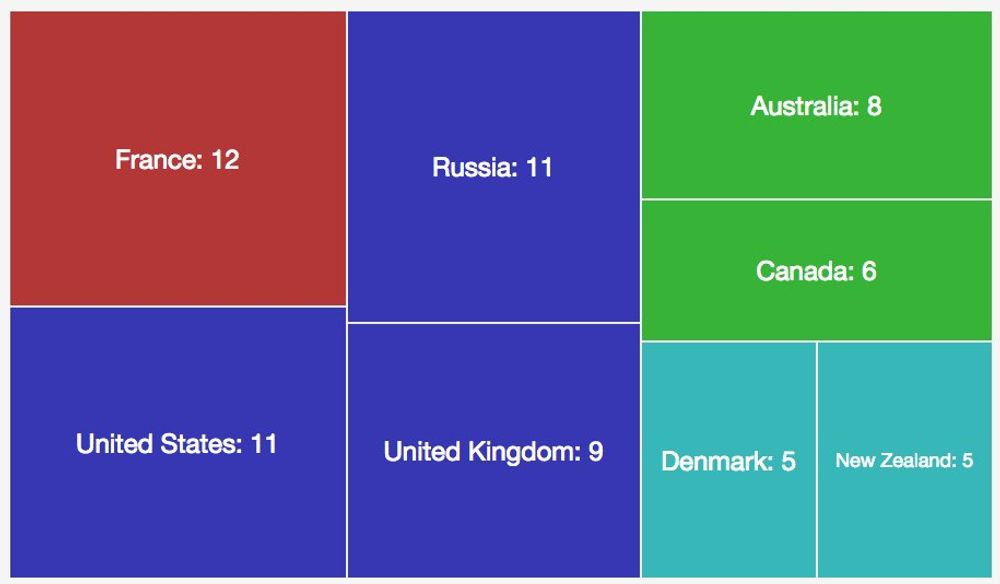
Countries with most timezones


It's surprising, but the country with the highest number of timezones is France with 12. This nation has territories in South America, the Caribbean, and the Pacific islands. The US, the UK, and Russia also have a high number of unique timezones.

The full list of timezones per country can be found in Wikipedia.

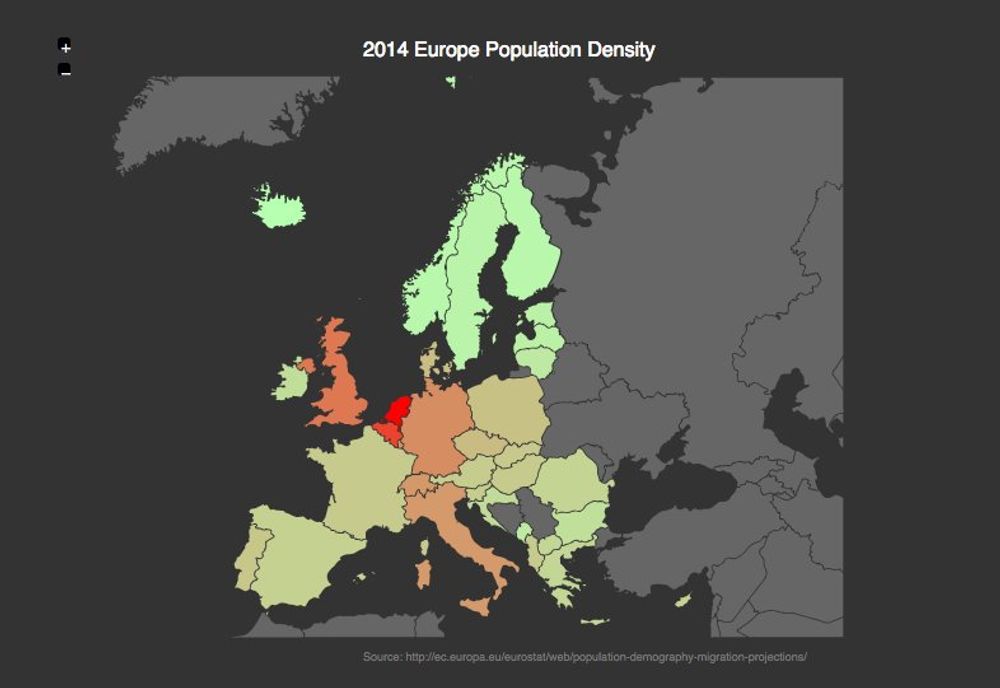
Europe Population Density


The European Union Stats office offers a dataset with the population density per country. The map above shows the latest data available from 2014. It's not surprising that Netherlands and Belgium have the highest density in continental Europe.

The world is becoming obese


A recent article published by The Lancet magazine shows that obesity is becoming a real-world health problem more than the underweight issue. They used population-based data sources, with more than 19.2 million adult participants in 186 of 200 countries and found that the number of obese people has increased from 105 million in 1975 to 641 million in 2014.

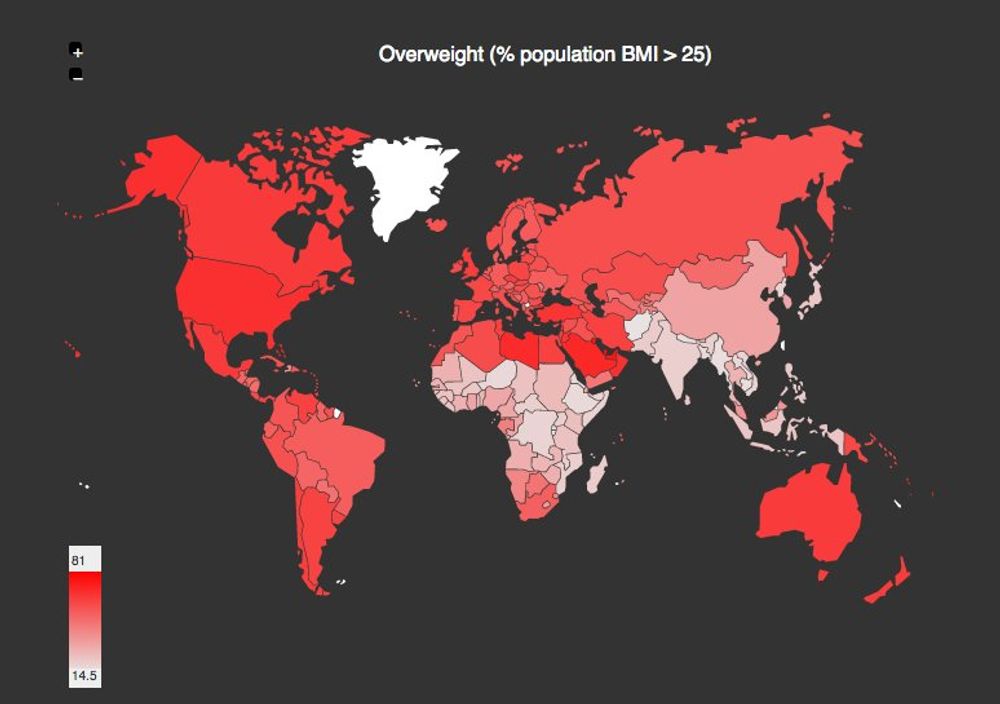
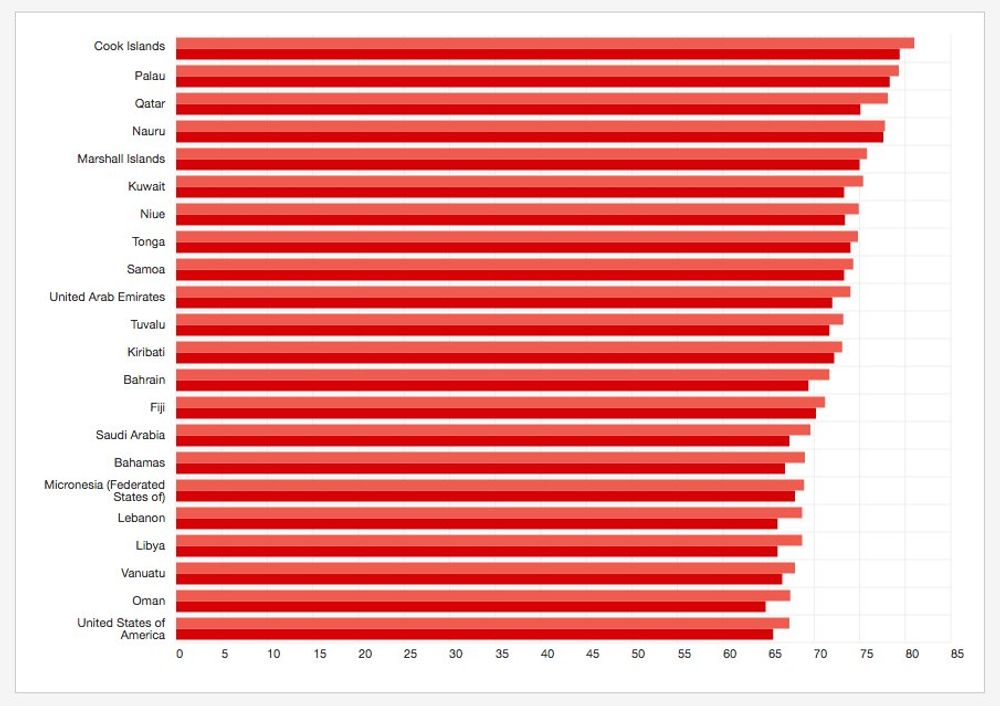
The World Health Organization also publishes data about Obesity and Overweight, and the percentage of the population with overweight (BMI > 25) is more than half of the population in almost all the industrialized countries in the world:

This problem is particularly bad in the Pacific Islands.

Countries affected by the Panama Papers


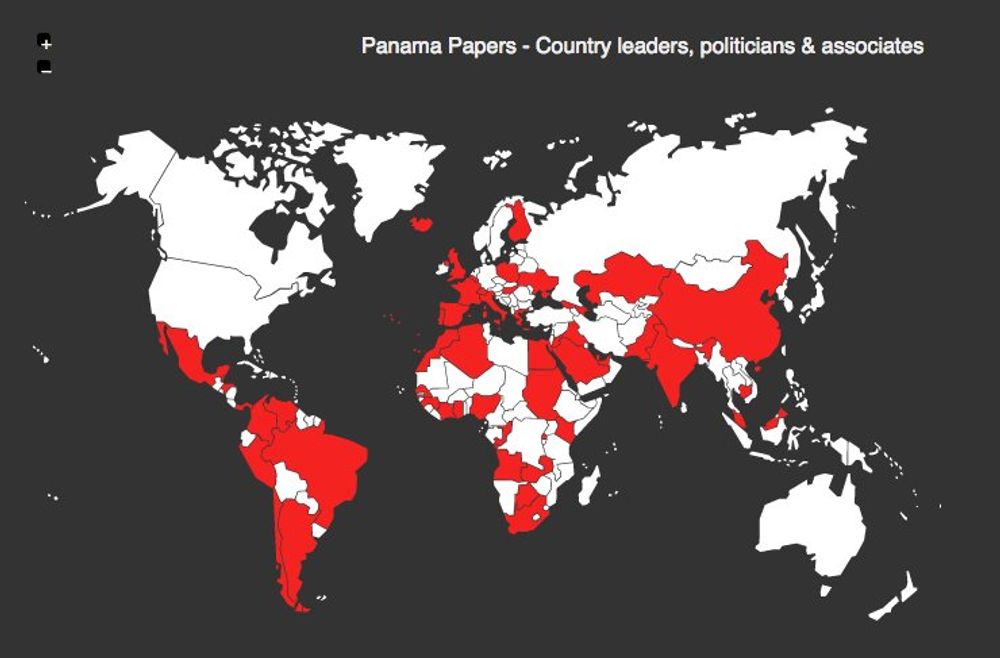
The news cycle during the last couple of days has been dominated by the Panama Papers. These are a leaked set of 11.5 million confidential documents that provide detailed information about 214000 offshore companies listed by a Panamanian law firm. Many of those shell companies were set up abroad by world leaders, politicians, and associates around the world.

The map above shows the countries that have been mentioned in the Panama Papers.

Minimum Wage Worldwide


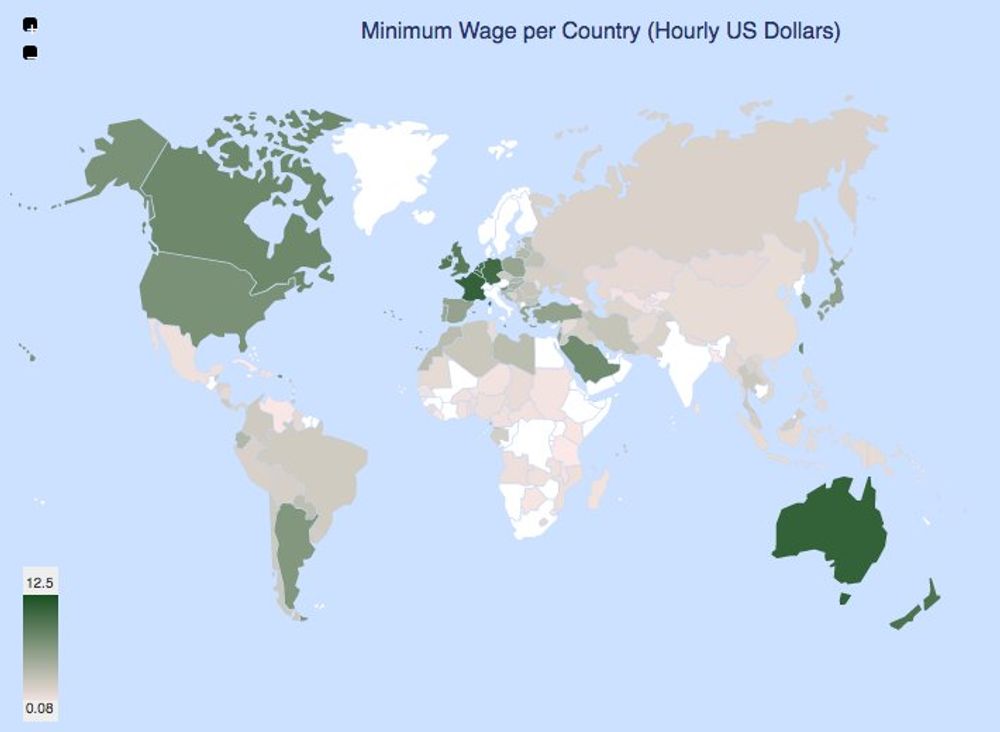
This morning I was reading news about the discussion in the US primaries related to the minimum wage in the US, particularly in NY and CA. Wikipedia contains an article tracking the minimum wage worldwide. The map above summarizes the data.

Acquisition Of Irish Citizenship Statistics


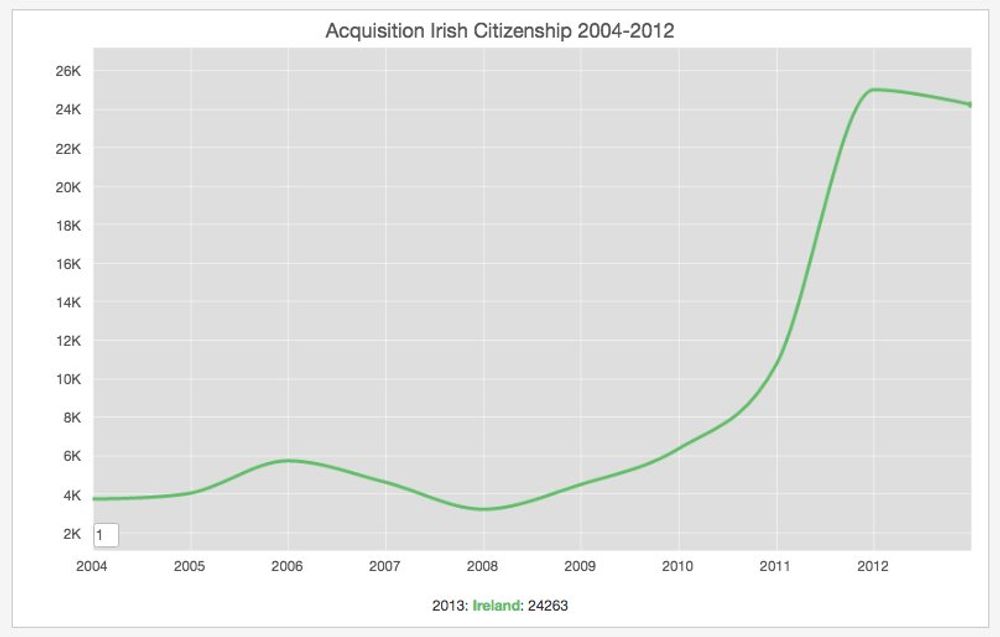
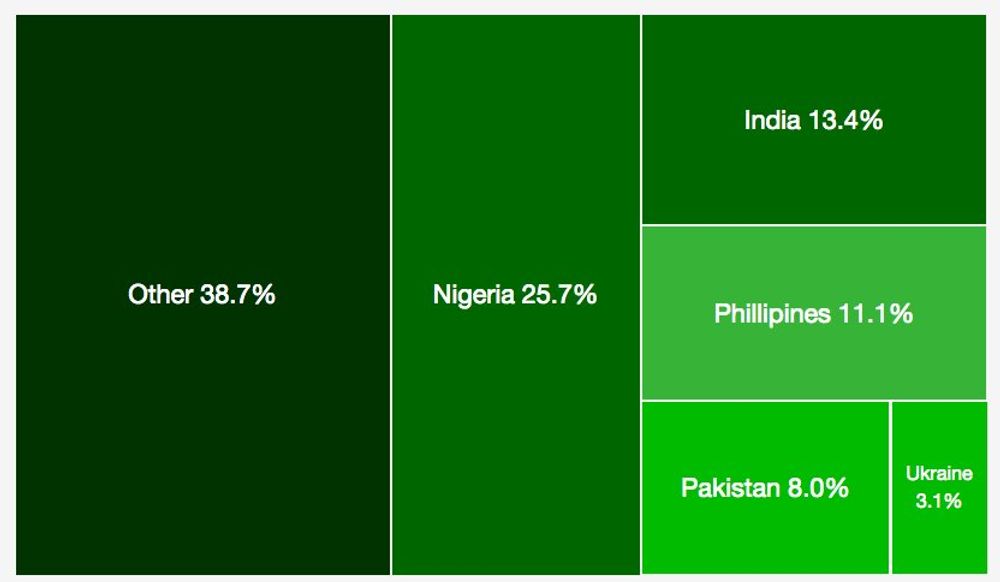
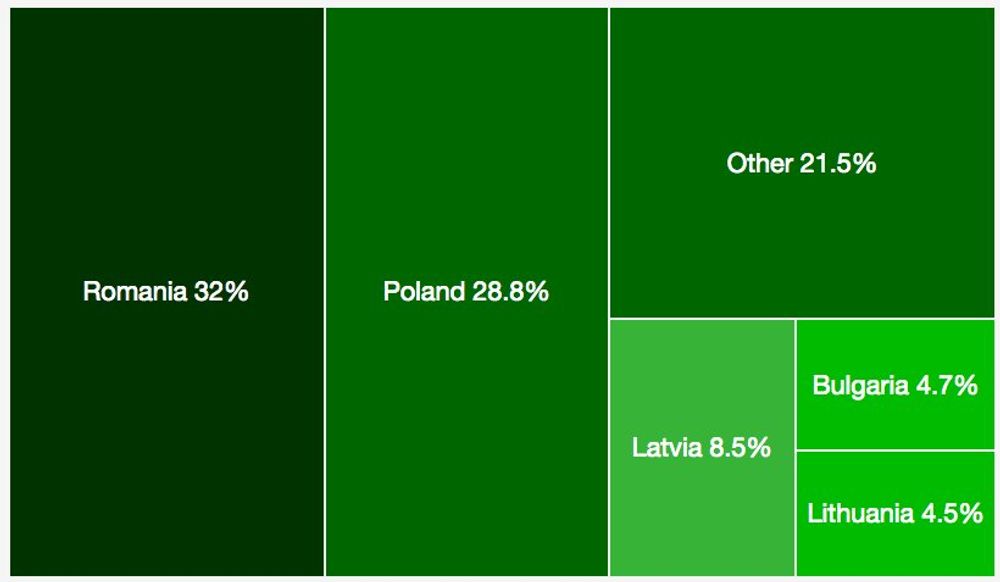
The European Union stats office publishes interesting statistics related to the acquisition of citizenship in the EU. Yesterday it was the anniversary of my Irish one, so I pulled out some stats related to Ireland.

The first chart shows the increase in the number of new citizens from 2011, when the government streamlined the process of reviewing the applications, cutting a very important backlog.


The data contains additional information about the origin of the naturalised citizens both from the EU and Non-EU countries:

Living in Europe with a European passport definitely makes life way easier, so thank you very much Ireland.

A Year Ago I Finished My Career Break


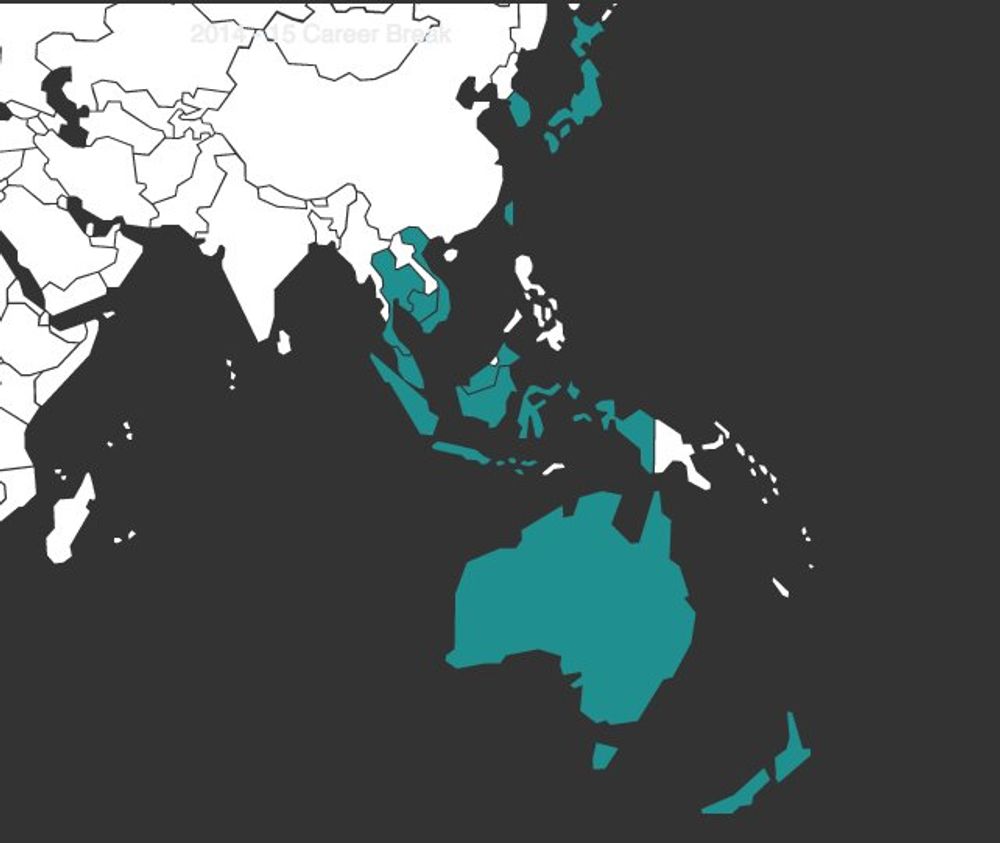
I was thinking today that one year ago I was flying back to Europe after finishing my six-month career break, travelling in Asia, Australia, and New Zealand.

I tried to document this experience on the road in: Breaksian.com. Today, I checked some of the interesting experiences I described there, and I found these posts:

Visiting the Angkor Temple Complex by bike

Making new friends in the Jeju Island of Korea by playing the Piano:

Cruising the Halong Bay in a 1906 replica boat

Travelling from Bangkok to Penang in an overnight train:

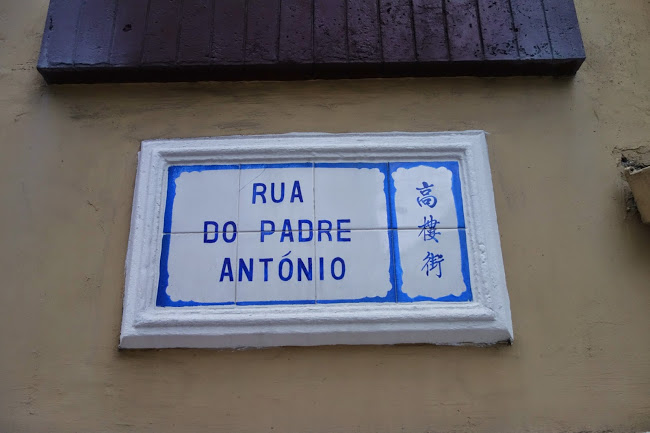
Experiencing the Portuguese flavor in the Chinese Macau

Enjoying the amazing Autumn Colors in Nara

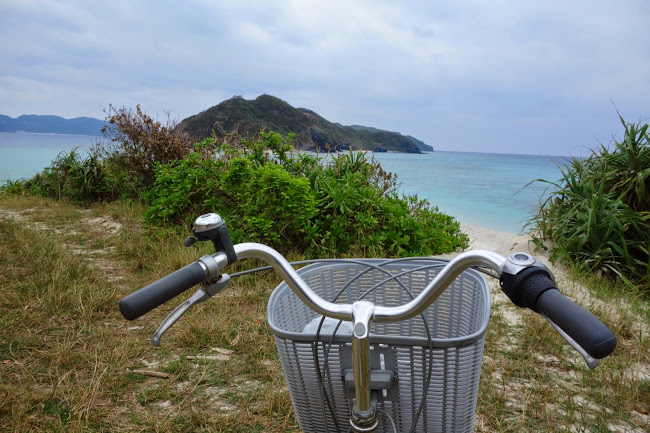
Biking in the isolated Island of Zamami, off the coast of Okinawa.

Or visiting Taiwan and understanding the political and historical issue regarding China

It was such an amazing experience that I would definitely recommend it to anyone!

Countries Most Affected By Terrorism Incidents 2016


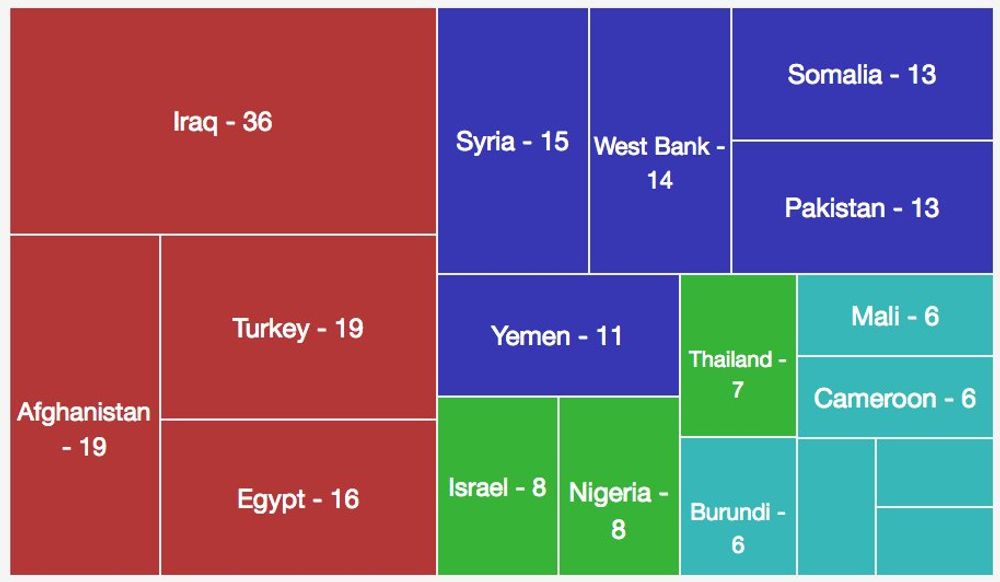
Wikipedia has a list of the terrorist incidents that happened during the current year. Based on this information, the countries most affected by the number of terror incidents are:

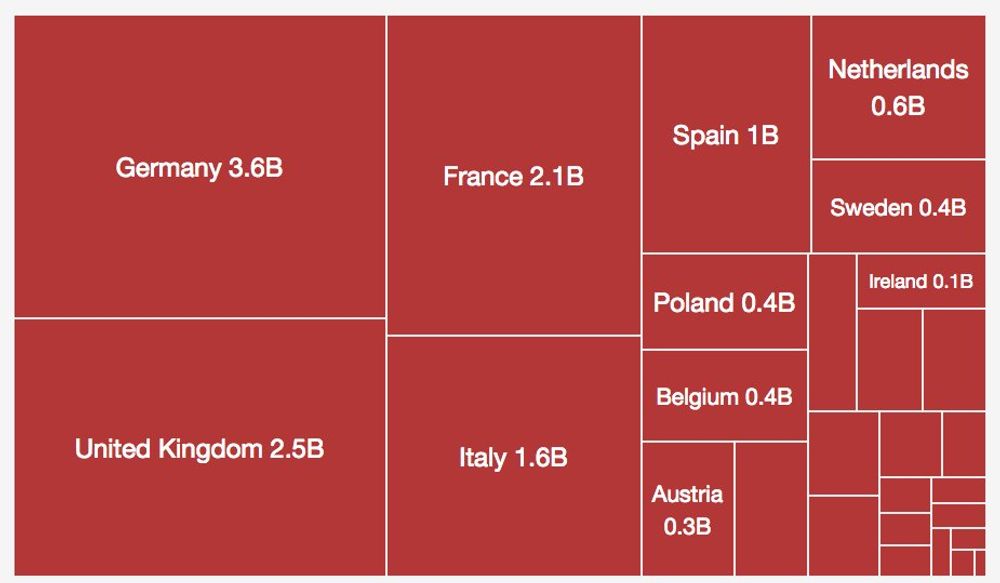
European Union GDP Treemap


Playing with treemaps. Here is one with the GDP of the countries from the European Union. Germany and the United Kingdom are the biggest ones.

Tourism In The American Continent


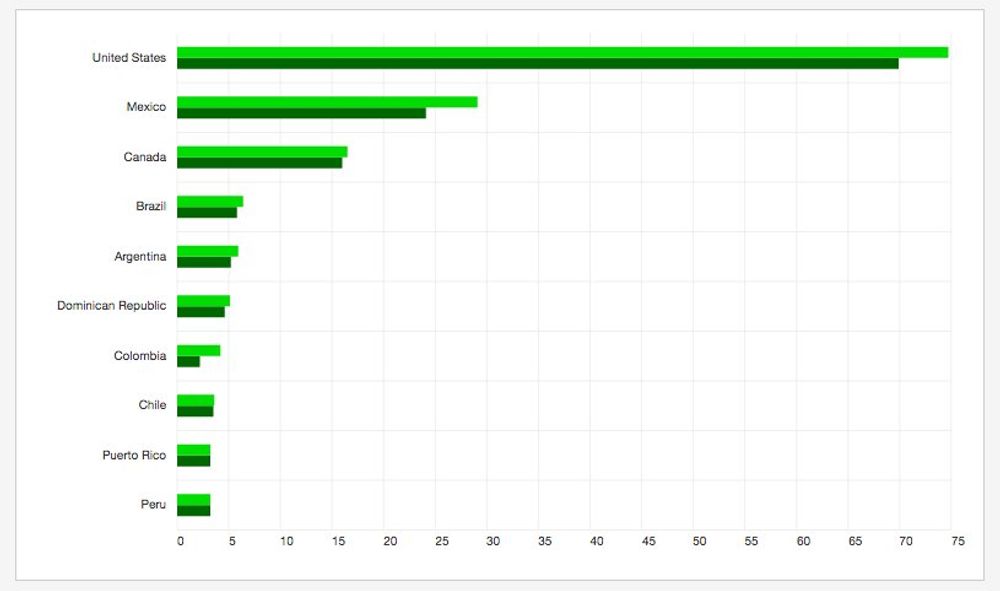
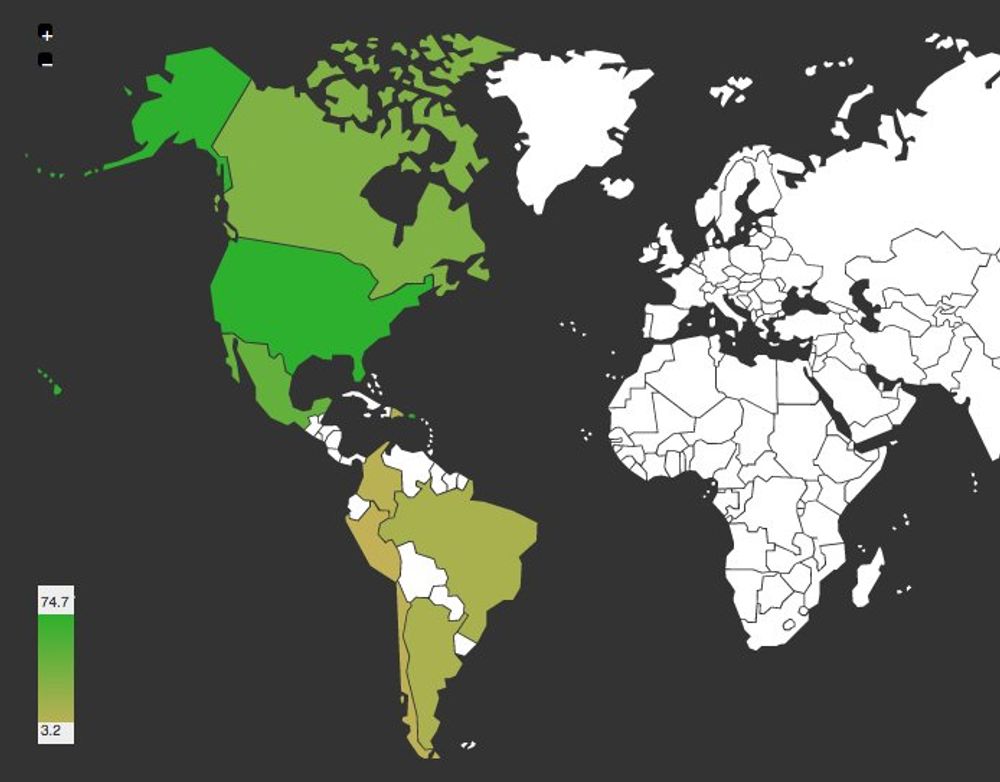
Last weekend I was checking out different alternatives for holidays in the American continent, and I started to wonder what the most visited country in that region is. US and Mexico are the most visited countries. Brazil and Argentina are the most visited in South America, and the Dominican Republic is the most visited in the Caribbean.

The following chart shows the number of visitors in millions during 2014 (light green) and 2013 (dark green)

Where The Irish Emigrants Live


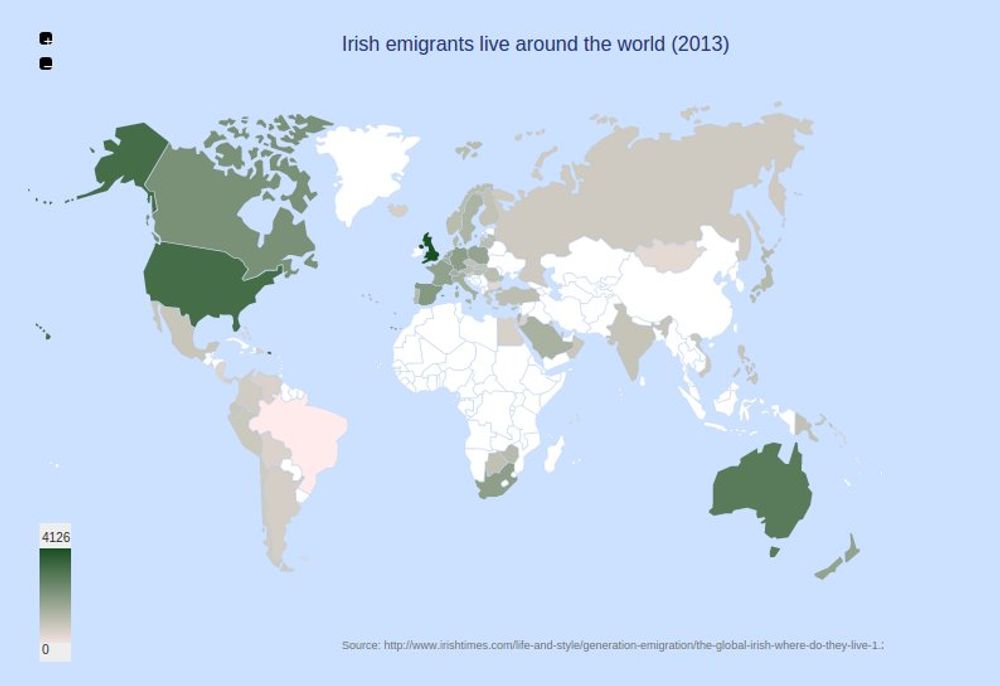
Last Thursday it was Saint Patrick's Day and the Irish pubs were celebrating the occasion in Berlin. I remembered last year I also celebrated it in Dunedin NZ. The Irish Times published an article a couple of years ago with data about where the Irish emigrants live in the world:

The usual suspects are on top of the list: United Kingdom, United States, Australia, Canada, and South Africa.

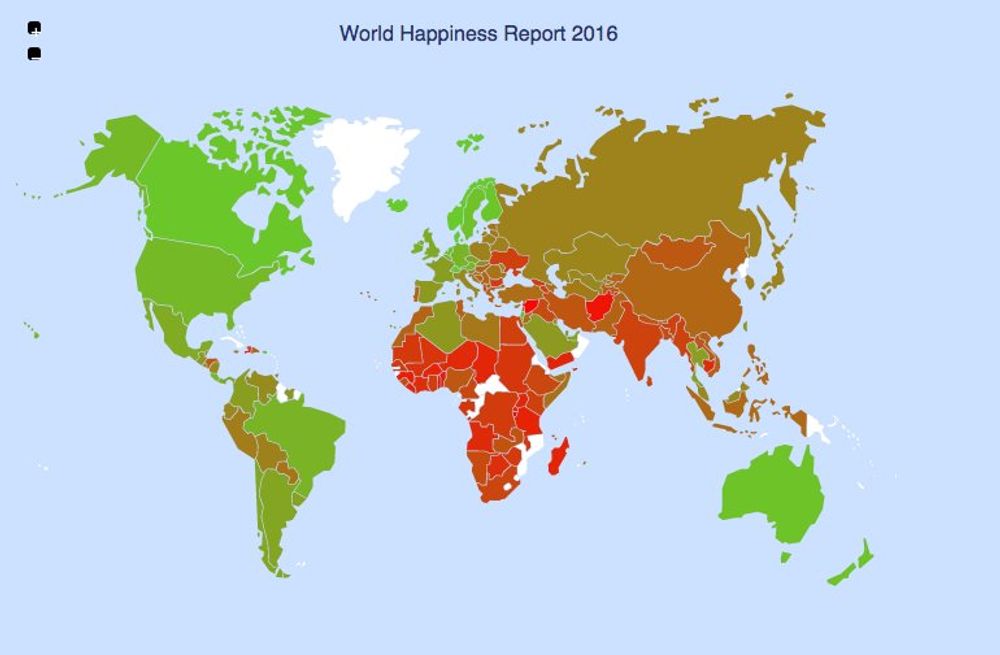
The Most Happy And Least Happy Countries In The World


Denmark is the world’s happiest country and Burundi the least-happy nation, according to the World Happiness Report.

European Tourists In Berlin 2016


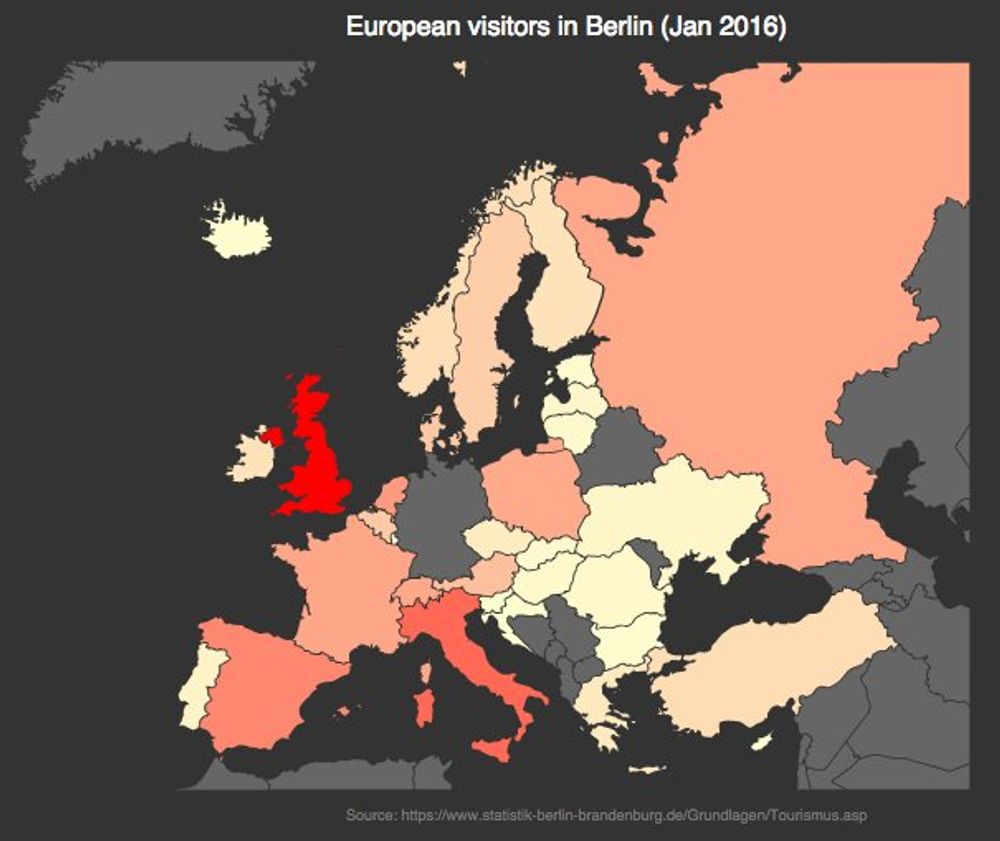
Some weeks ago I wrote about the percentage of foreigners living in Berlin. The office for Statistics for Brandenburg Berlin offers an interesting dataset related to tourism and the foreigners visiting the city. The latest data available is from January 2016 and it shows how the highest number of European tourists comes from the UK:

Women International Day And Gender Gap


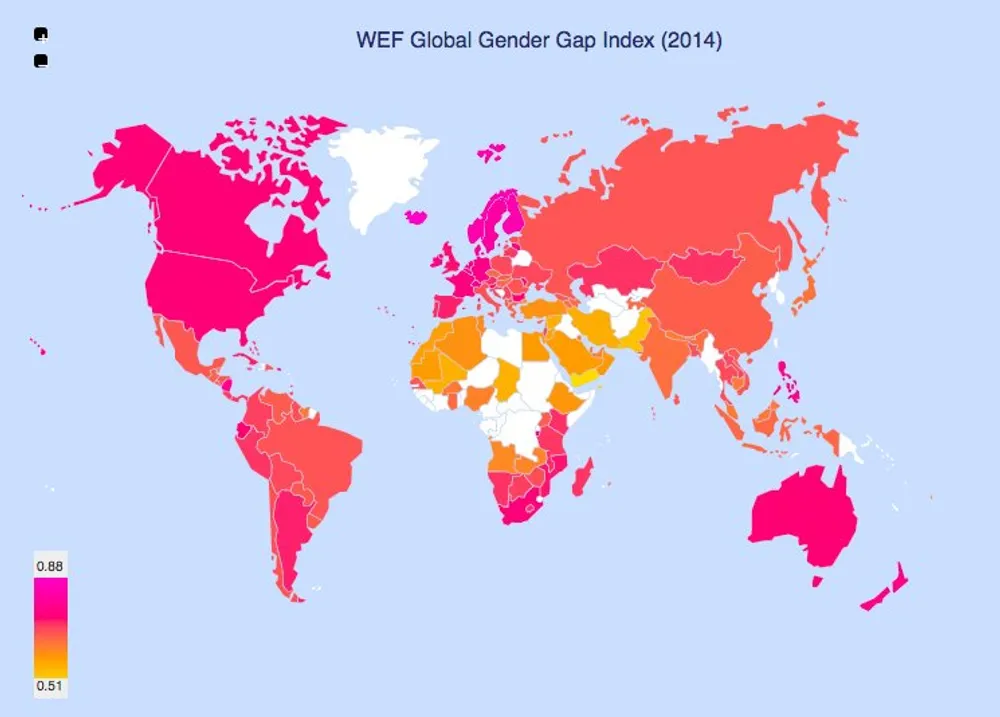
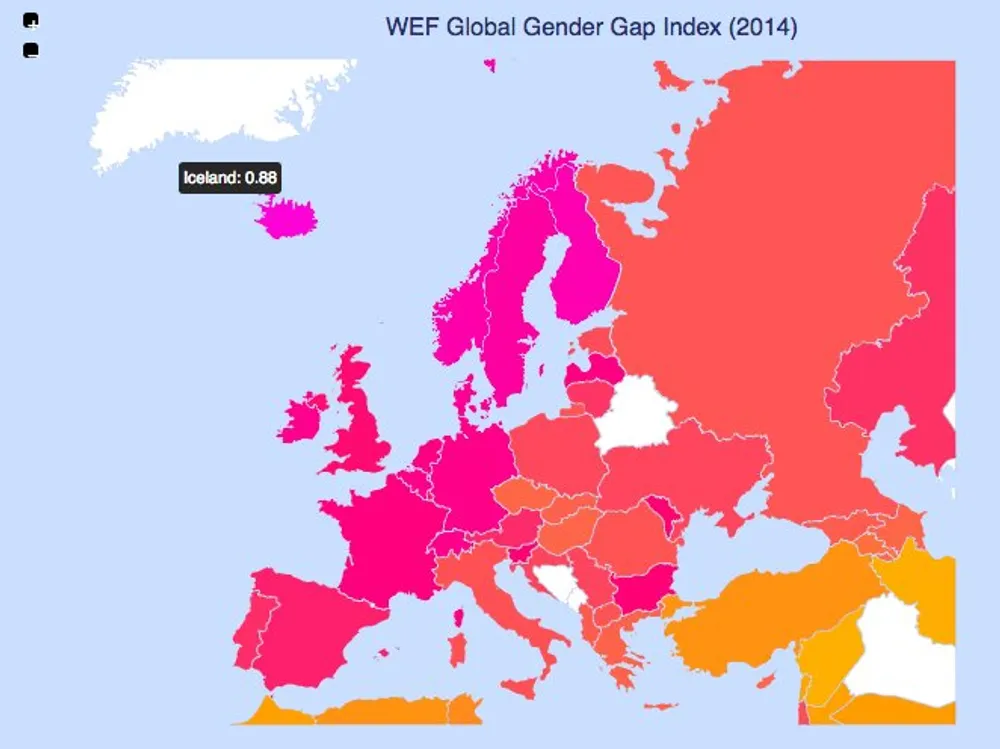
A couple of days ago, the International Women's Day was celebrated. Even if some friends get offended by this day, I believe it's important to highlight how, unfortunately, there are differences between men and women as reported by the WEF Gender Gap Report:

It's nice to see how this index is really good in Europe, particularly in the Scandinavian countries. Kudos to Iceland.

Country200620072008200920102011201220132014
Iceland0.78130.78360.79990.82760.84960.85300.86400.87310.8594
Finland0.79580.80440.81950.82520.82600.83830.84510.84210.8453
Norway0.79940.80590.82390.82270.84040.84040.84030.84170.8374
Sweden0.81330.81460.81390.81390.80240.80440.81590.81290.8165
Denmark0.74620.75190.75380.76280.77190.77780.77770.77790.8025
Nicaragua0.65660.64580.67470.70020.71760.72450.76970.77150.7894
Ireland0.73350.74570.75180.75970.77730.78300.78390.78230.7850
Philippines0.75160.76290.75680.75790.76540.76850.77570.78320.7814
Belgium0.70780.71980.71630.71650.75090.75310.76520.76840.7809

Most And Less Common Blood Type


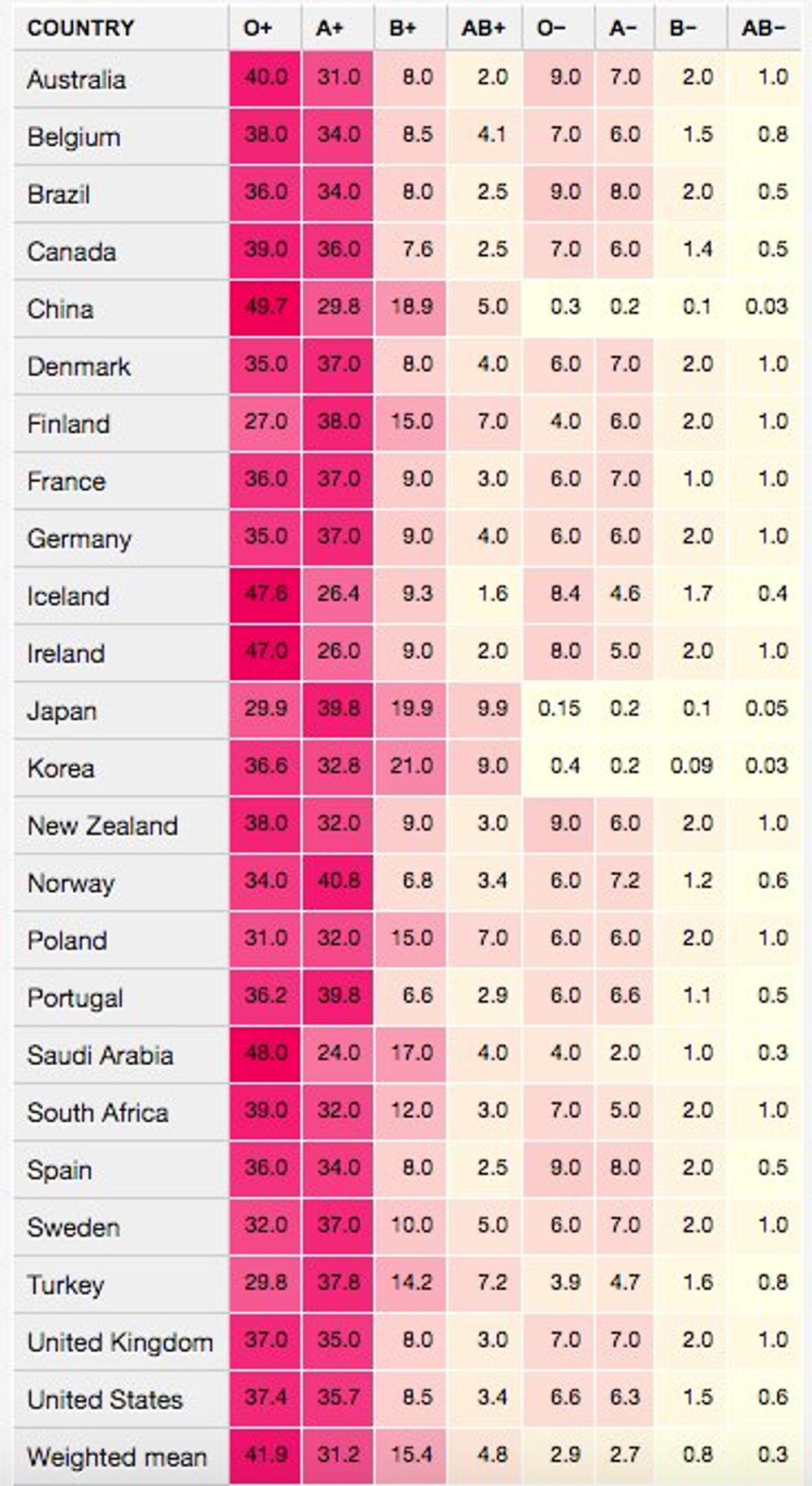
When I was at school, I learned the blood type 0+ was the most common one and AB- the rarest one. Wikipedia has a good article about this information with a breakdown by country.

O+ and A+ are the most common ones and AB- is the least common.

Most Convenient Passport To Travel.


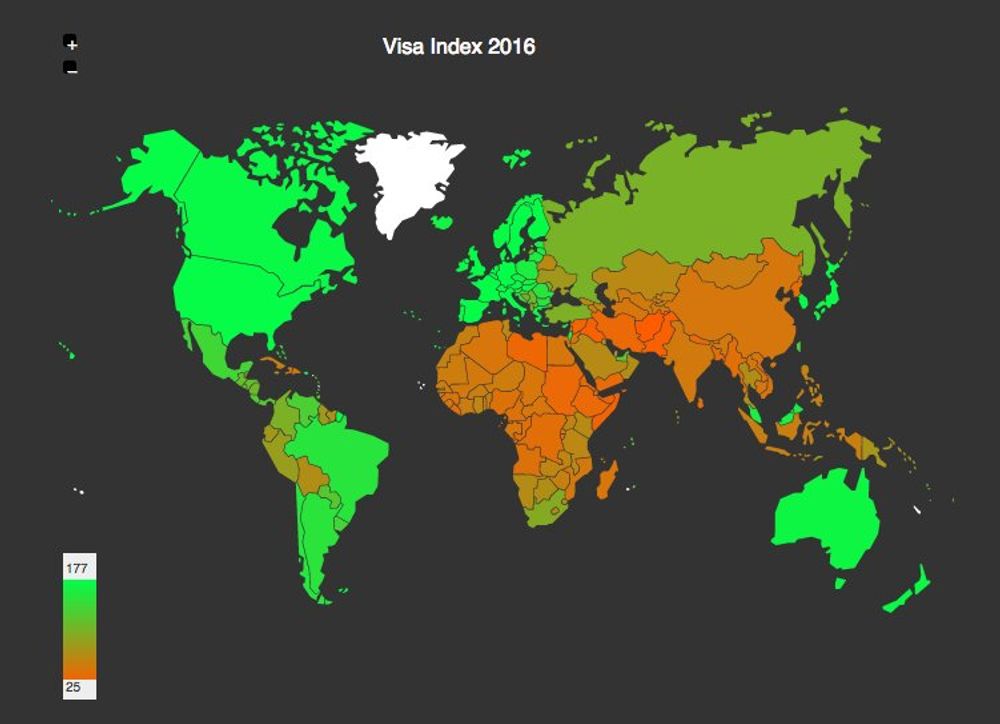
Today, an Irish friend at work shared a very interesting news article describing how the German passport was the most convenient one to travel around the world. There is a visa restriction index that classifies the passports based on the number of countries and territories that a holder can visit visa-free. Germany has indeed the highest score followed closely by many other European countries. Here is a map of this index worldwide:

Inflation In Europe


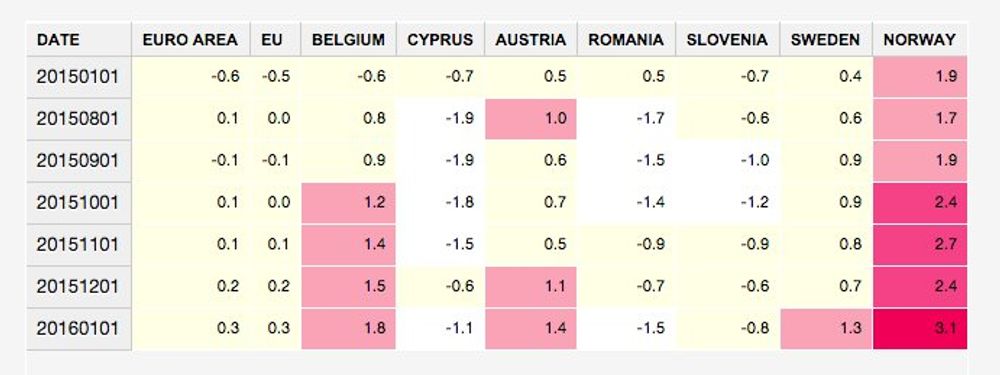
Last Thursday the Eurostats Office published the inflation data for January 2016. Even if those numbers are definitively better than the hyperinflation happening in other regions of the world (cough ... Venezuela), there is always the risk of deflation:

Now it's remarkable how the highest rate in Europe was Norway, a pretty expensive country already. I'm sorry for my Norwegian friends.

Abortion Restriction Laws In The US


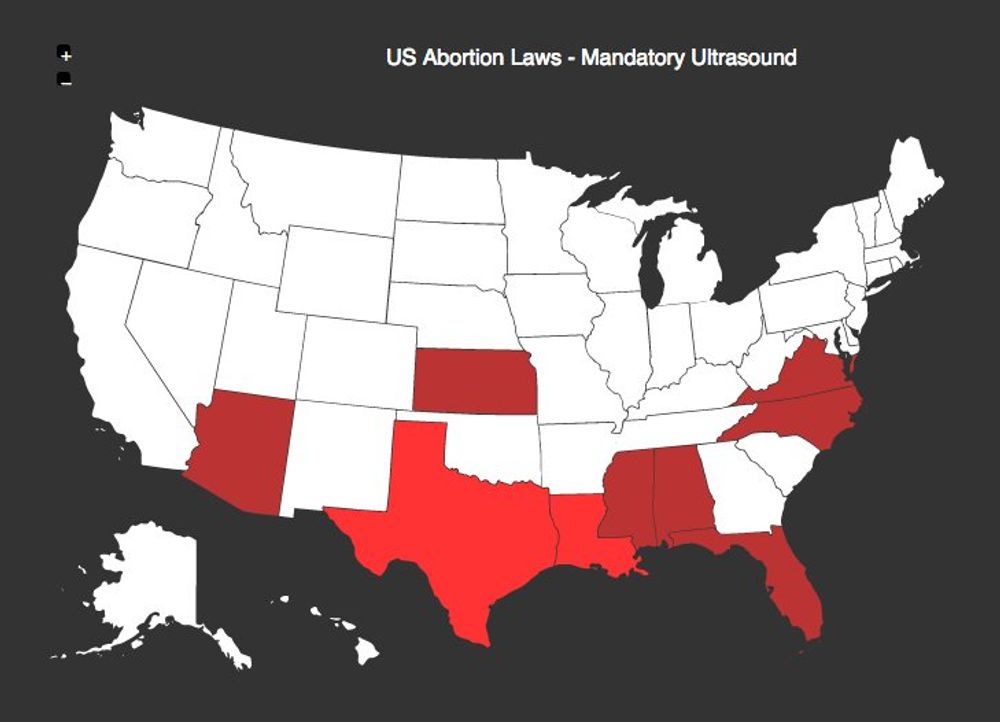
The last episode of the excellent show Last Week tonight from John Oliver dealt with a very contentious issue in the US: <a href="https://www.youtube.com/watch?v=DRauXXz6t0Y". I really like the approach that he took on this matter, acknowledging there are different positions on this topic, but hammering the "hypocritical" laws that, under the umbrella of protecting the "Women's health" target="_blank">The abortion laws</a> create barriers for people who need this medical procedure and unfortunately don't have the money to go somewhere else.

The next map shows the US states that had enacted laws to force women requiring an abortion to see an ultrasound of the unwanted pregnancy:

Death Penalty In The World


Amnesty International published a report about the Human Rights in the world. The death penalty (capital punishment) is still a dark spot in many places. A 2014 report published by the same organization shows that there are unfortunately still 58 countries in the world that retain and actively use the death penalty.

Brexit And The European Union Membership


Yesterday at the office we were discussing the possibility of the UK leaving the European Union. Actually, we wrote in our company blog what this brexit would mean for European workers, some time ago. But with all this brexit discussion, we forgot the UK is actually one of the oldest members of the European Union (1973).

You can check this map in detail here

Prevalence Of Aids / HIV


I saw an editorial piece last weekend on The Guardian where the author asked the question: If condoms are OK for Zika, why not Aids, Pope Francis? I thought it's true that the HIV/AIDS infection is rarely mentioned in the news nowadays. There has been huge progress in HIV/AIDS treatments since the time I was a medical student, but the prevalence of HIV (the percentage of a population that is affected by the virus at a given time) is still bad, particularly in Sub-Saharan Africa:

Ireland Population


Map of Ireland with population by county (including NI as well). Dublin is by far the most populated county.

Top Wine Producing Countries In The World


Yesterday I finished the week with a couple of nice wine glasses from Portugal. This morning when I woke up and looked at the bottle, I started to ask myself what the top countries in the world in terms of wine production are. I thought about France? Italy? Spain?

Fortunately, Wikipedia has an article with data coming from the UN Food and Agriculture Organization (FAO), sorting the countries by their volume of wine production for the year 2013 in metric tonnes.

There are no surprises in the Top 3 positions (they are indeed France, Italy and Spain), but it's interesting how China has climbed to the 6th position, above Argentina and Australia:

Cities By Murder Rate


The Economist recently published an interesting graph of the most violent cities in the world (in terms of homicide rates) in their daily chart section. It includes an analysis of the Venezuelan economy in turmoil and, according to a Mexican report, “Venezuela’s capital Caracas had the highest murder rate in the world last year”.

Wikipedia also offers a page compiling a list of cities by murder rate. Unfortunately, most of the top 50 cities on this list are located in South America (and many of those in Brazil!). Take a look at the following chart and map:

Foreign EU Citizens In Berlin By District


I wanted to wrap up this series of posts I have been writing about the people living in Berlin, using data provided by the Statistical Office of Berlin-Brandenburg, with a final post about EU foreign citizens living in the city.

A couple of days ago I was discussing how Poland, Italy, and Bulgaria were the EU countries with the highest number of expats living in Berlin, but the data also contains a very interesting breakdown per district (Bezirk).

I put the totals in a density map:

I also used the specific country data to create a matrix heatmap using the tutorial on how to create a heatmap with jQuery and Tables. See the resulting table below:

There are a couple of interesting conclusions from the data: The Polish are definitely the largest minority from the EU countries, and this can be observed in every district. Mitte is definitely the most popular district for most of the EU citizens, and finally, Marzahn-Hellersdorf is the least popular overall.

Foreign Europeans In Berlin


Following my post yesterday, I kept digging into the data published by the Statistical Office of Berlin-Brandenburg. I wanted to discover where most of the "Foreign" Europeans living in Berlin come from. Since the European Union agreement allows the free movement of people across member states, I was expecting that the number 1 slot would be taken by a country within the EU borders. Actually, it’s Turkey that has the most immigrants living in Berlin, with almost 100k people:

Now the second and third positions are from countries in the European Union: Poland and Italy. This is followed by one of the newcomers in the union: Bulgaria.

South Americans In Berlin


The Statistical Office of Berlin-Brandenburg publishes some very interesting reports including: Einwohnerinnen und Einwohner im Land Berlin (Residents in the State of Berlin, 31 December 2014). One of the remarkable sections of this document is about the country of origin of the foreign residents living in Berlin. It offers a breakdown by continents, regions, and countries, so I was curious about the top countries in South America:

I'm not surprised to discover Brazil (3948 people) is #1 on the list, but I wasn't expecting that Colombia (1527) was going to be the second one in that region. Interesting.

2016 Outbreak Of The Zika Virus.


I have to confess I had never heard about the Zika virus until I started reading about it in some Colombian newspaper articles a couple of weeks ago. The outbreak of this virus in South America and the Caribbean has been in the international news lately because infection in pregnant women is unfortunately associated with microcephaly.

The incidence of those malformations has increased substantially in Brazil and it is apparently related to Zika, so there are now travel warnings in place to the countries affected by this virus:

The Least And Most Corrupt Countries In 2015


This morning I was reading the Corruption Perceptions Index 2015 published by Transparency International (transparency.org). This organization fights for a world in which government, business, civil society and the daily lives of people are free of corruption and publishes this report that quantifies perceptions of corruption in the public sector and normalizes the data from multiple countries in an index from 0 (the most corrupt) to 100 (the least corrupt).

In South America, Chile and Uruguay had the highest scores, while Venezuela had the lowest.