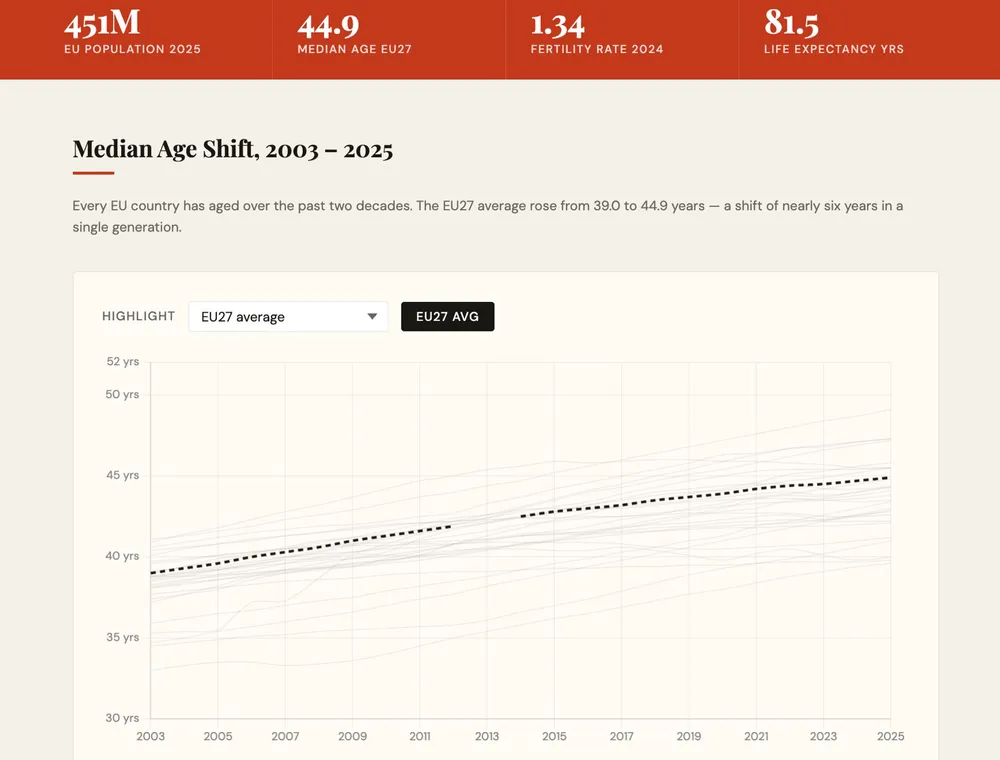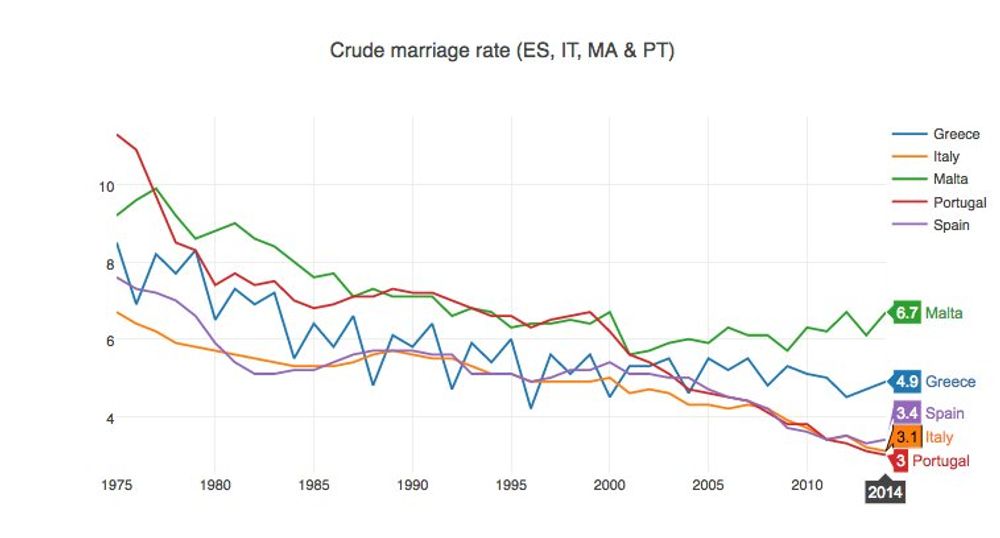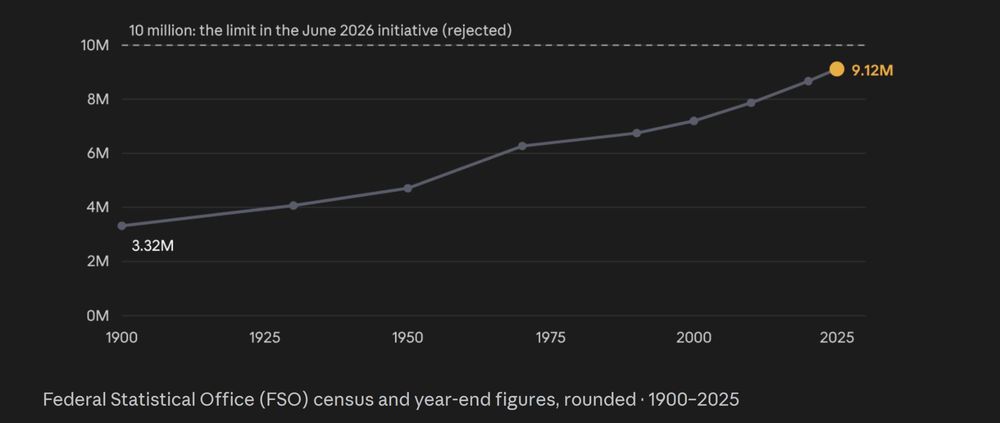
Some weeks ago, when I wrote about Noviodunum, the Roman town that became Nyon, I kept picturing how empty the shores of Lake Geneva must have been back in Roman times. Today it feels like the opposite. Switzerland now has about 9.1 million people, 2.7 times as many as in 1900, according to the About Switzerland population page from the Swiss foreign ministry.
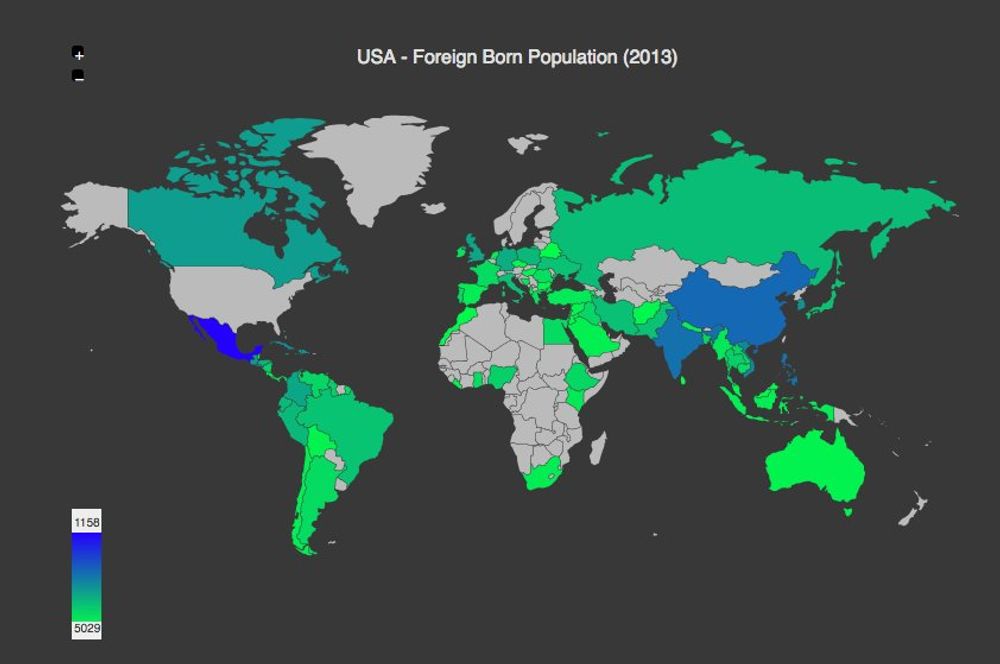
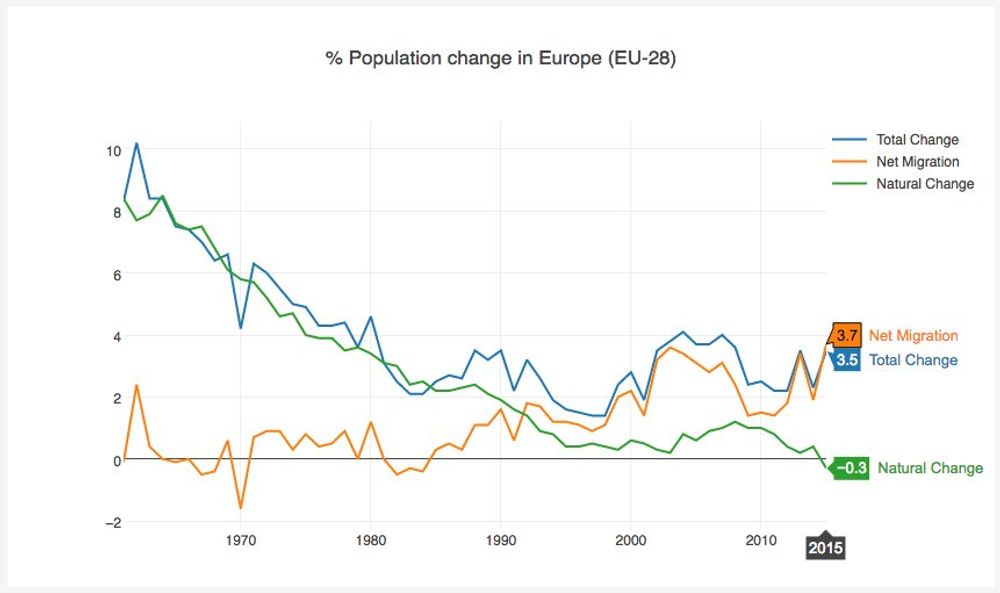
Most of that growth comes from immigration. More than 2 million foreign nationals (raising my hand here) live in Switzerland, about 27% of residents, one of the highest shares in Europe. The flow also runs the other way: over 10% of Swiss citizens now live abroad. In recent years the population has grown about 0.8% a year, and 2025 alone added roughly 73,300 people.
All of this came to a head in June. On 14 June 2026, voters rejected the SVP’s “No to 10 million Switzerland!” initiative, which would have forced the government to act if the population passed 10 million before 2050. It failed 54.8% to 45.2%. The map was telling: French-speaking cantons and the big cities said no (Bern 83.6%, Zurich 75.9%), while rural cantons like Appenzell Innerrhoden and Schwyz said yes.
So what now? At 0.8% a year, 10 million is only about a decade away, vote or no vote. The real question isn’t whether Switzerland grows, but whether the trains, flats and schools can keep up. I guess only time will tell.