European countries starting to relax covid rules


Last Friday I learned that the day before the federal council of Switzerland had reached an agreement to relax the COVID measures, so that the use of masks is limited to public transport and health institutions only. This morning I was reading that also in other European countries, these measures are being adopted in other countries like the UK, Norway, France, Germany, and Austria.

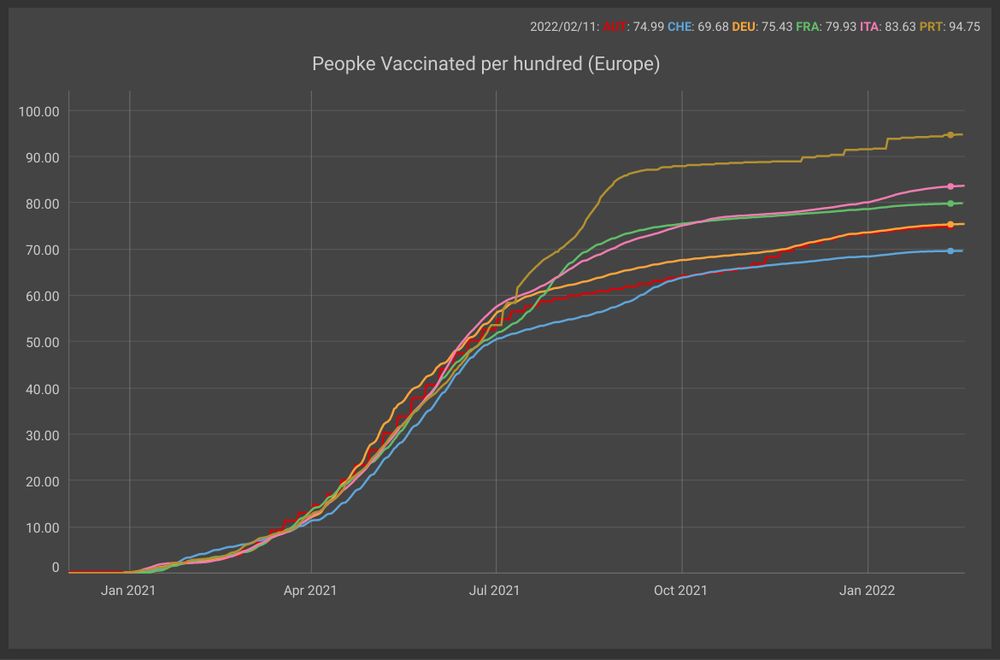
It is true that vaccination rates have reached important levels in most of these countries, that COVID cases have decreased significantly, and that fortunately Omicron-related cases have been milder than previous variants, but in any case it feels a bit surreal to enter stores and restaurants without having to wear that mask that has been part of the essential accessories during these long months of the pandemic.

Fingers crossed that the situation continues to evolve so positively!
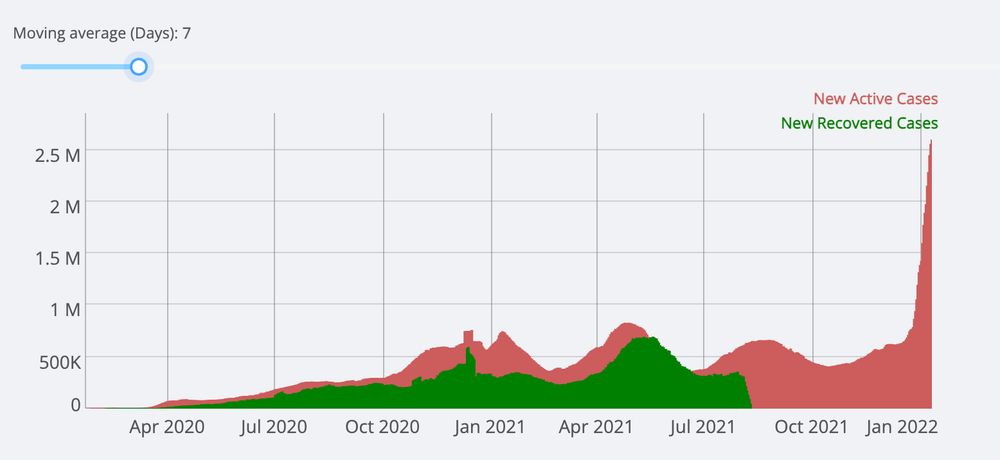
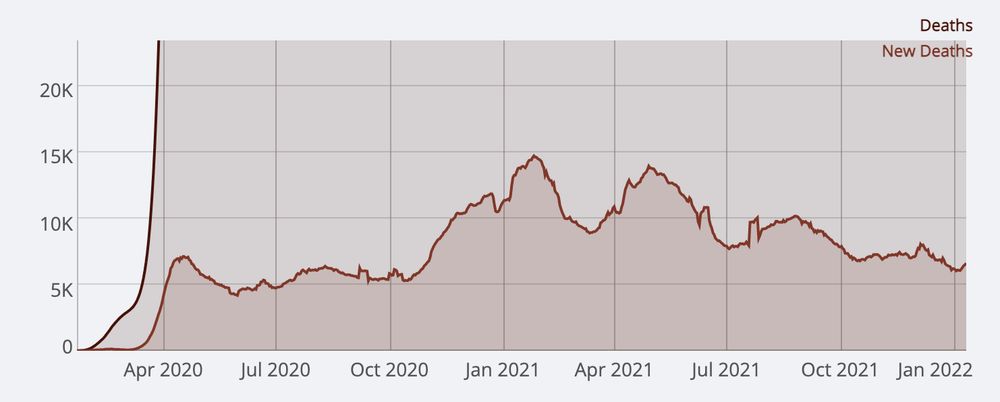
Omicron is spreading like crazy


Almost two years ago I created a dashboard to track the Covid-19 cases based on data provided by the Center for Systems Science and Engineering (CSSE) at Johns Hopkins University. When I deployed that little application, I thought it would only be useful for a couple of months.

Almost two years later, it is still useful for tracking cases in different countries and following trends at the national or global level. In the different podcasts I follow, they have mentioned in the last couple of weeks that the omicron variant is different, in the sense that it is far more contagious, but does not affect the lungs in the same way as the previous variants did.

Last night, I was checking my dashboard, and indeed the number of cases has skyrocketed, more than with any other variant. Fortunately, the number of deaths associated with the virus has remained stable as you can see above. It is still true that this huge number of cases will necessarily add additional stress on health care systems around the world.

Although we are all sick to death of this pandemic, we must continue to get vaccinated and take protective measures to avoid the virus as much as possible.

Covid-19 vaccination uptake in Europe


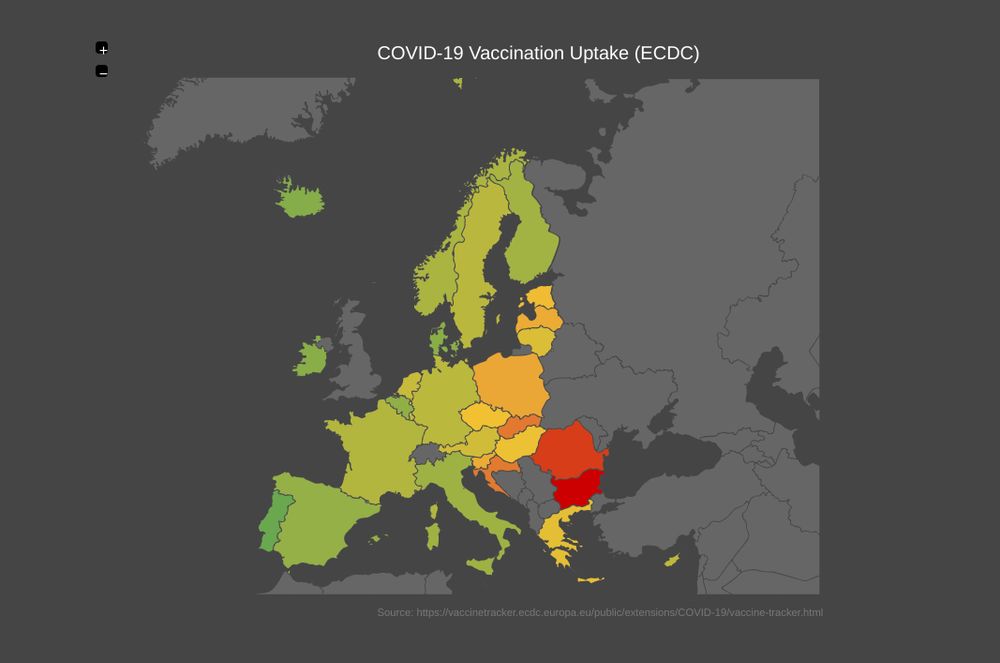
Yesterday I met a couple of colleagues from the university here in Basel and we discussed various topics. One of my colleagues is an epidemiologist and the topic of increasing hospitalization rates due to covid-19 was part of our conversations. One of the causes of this phenomenon is that vaccination rates in Europe are still low. According to the ECDC, the cumulative complete vaccination rate in Europe is 64.9%, with Portugal being the country with the highest rate (81.3%).

Countries like Germany and the Netherlands, which are breaking daily records with the number of cases, have relatively low vaccination rates (67.1% and 64.8% respectively). We cannot let our guard down and more work must be done to prevent the continent from becoming again the epicentre of this never-ending pandemic.

Covid-19 Vaccination in the world


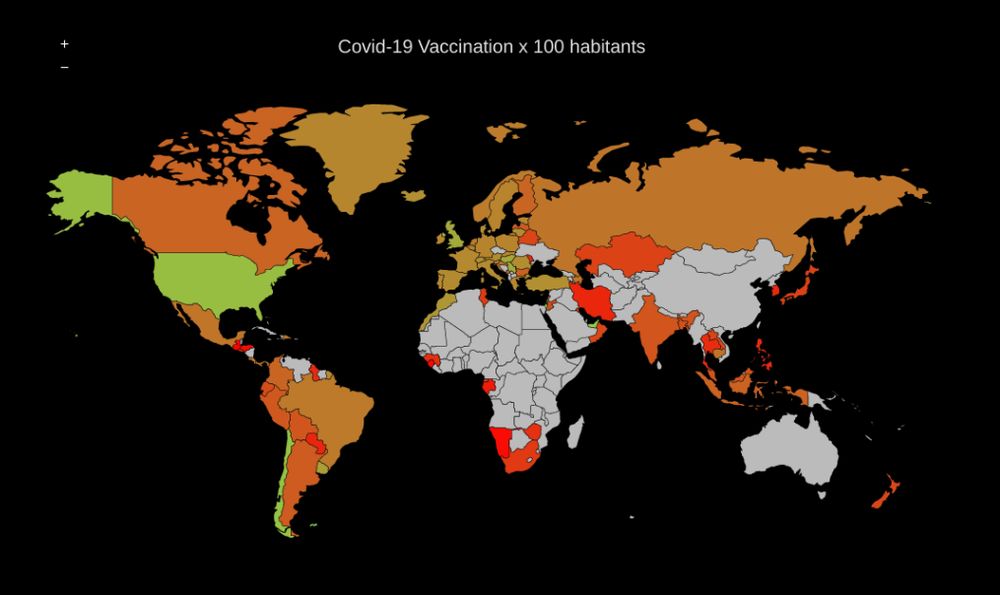
After a long wait, I was finally able to get an appointment today for the first dose of the covid-19 vaccine. I still need to wait another month, but having a spot in the queue is such a relief! I was curious about which countries have the highest vaccination rate (using data from Our World in Data) and I realized that Gibraltar has almost all the adult population inoculated.

I know the situation is bad in India nowadays, so I really hope that at some point most of the countries will be able to have the same numbers as Gibraltar, or the USA for that matter. The new administration definitely did wonders there!

COVID-19 Situation in Switzerland in November


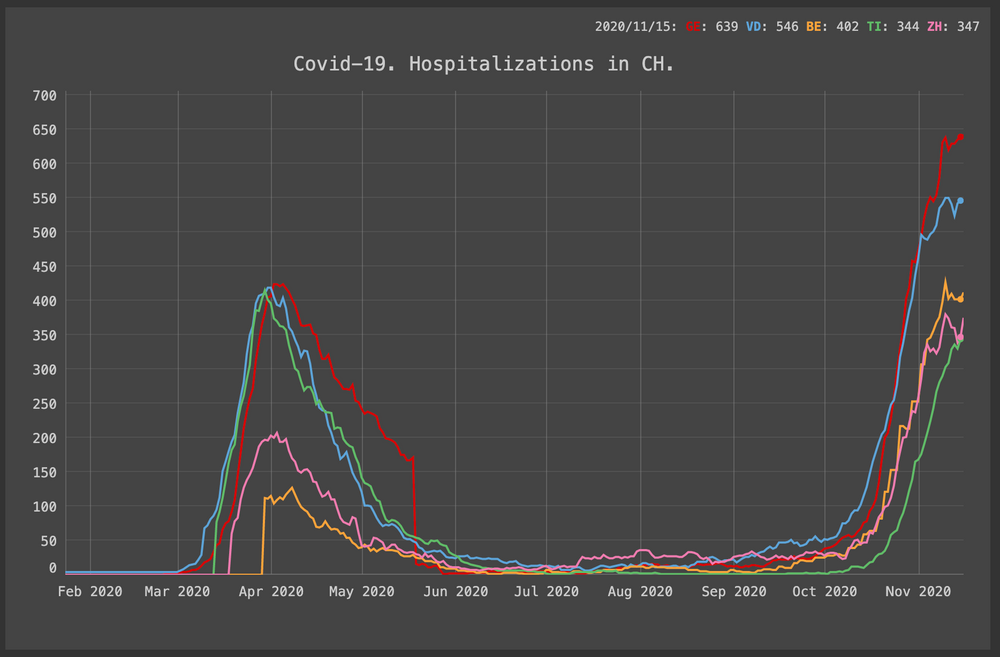
The number of cases of covid-19 in Switzerland increased dramatically in November, reaching more than 10,000 at the beginning of the month, which forced the cantonal and federal authorities to take strict measures to prevent contagion.

One of the main differences with respect to the wave that occurred during the spring time is that the number of hospitalizations has increased significantly as can be seen in the graph above. We hope that those measures taken by the authorities will help to control this new peak. Of course everybody has to do their part: #wearamask.

COVID-19: Cases increasing across Europe


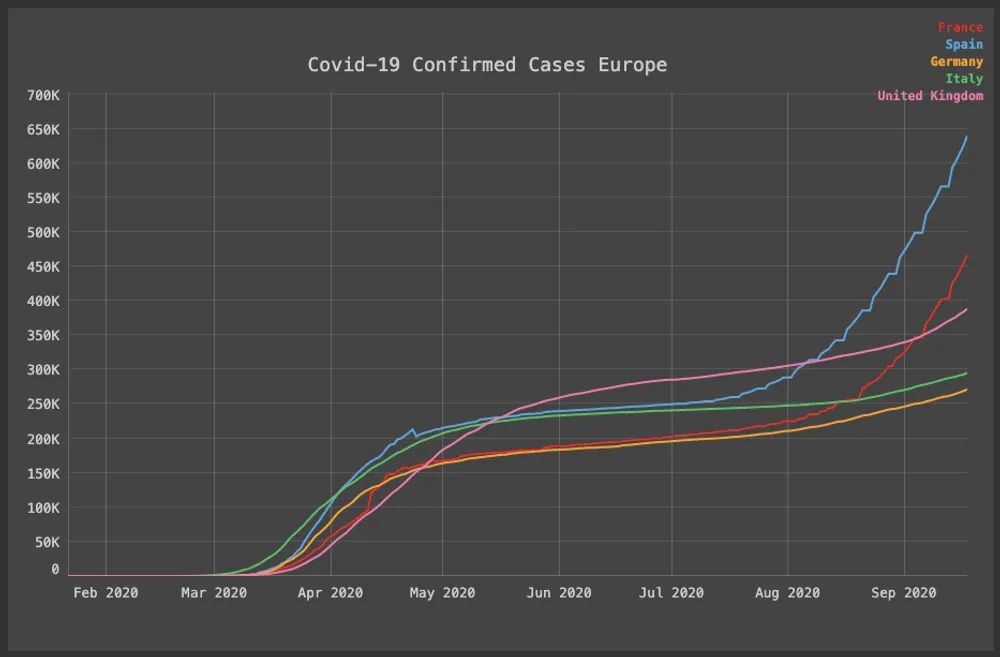
According to the EDCD website, in many countries across the EU/EEA and the UK, an increase of COVID-19 cases is being observed following the lifting of lockdowns and the relaxation of preventive measures such as physical distancing.

This new "wave" has been reported regarding countries such as Spain and France where the timeseries graph of confirmed cases shows a clear sigmoid curve. I personally understand the "COVID-19 Fatigue", but the virus is still there, and it's not possible to forget about it.

COVID-19 in Switzerland


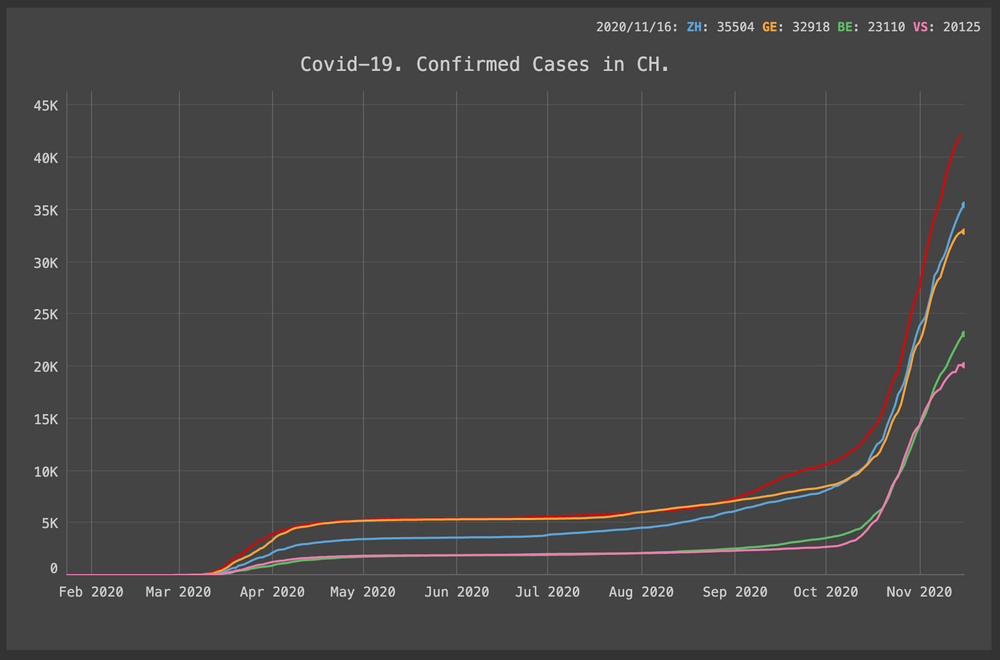
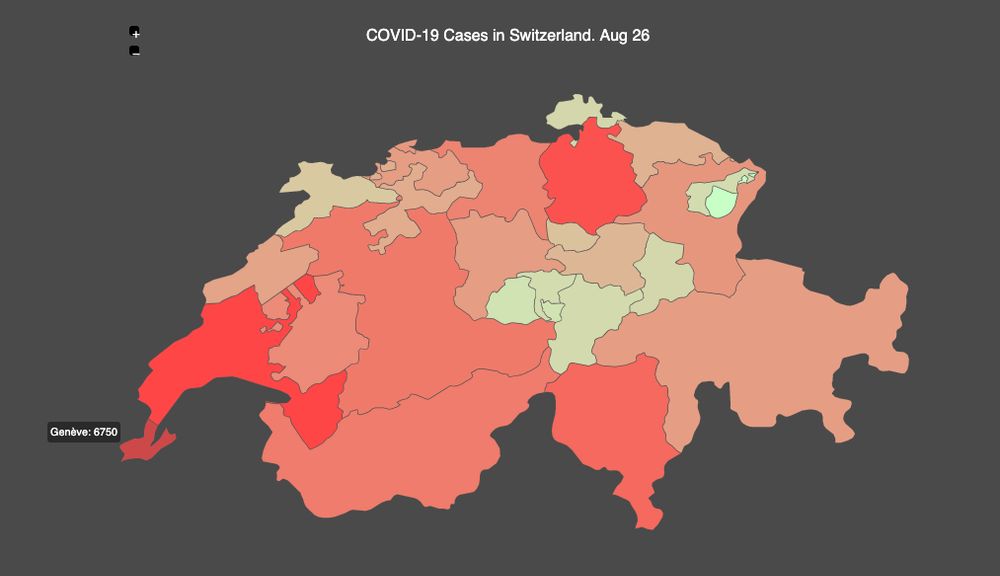
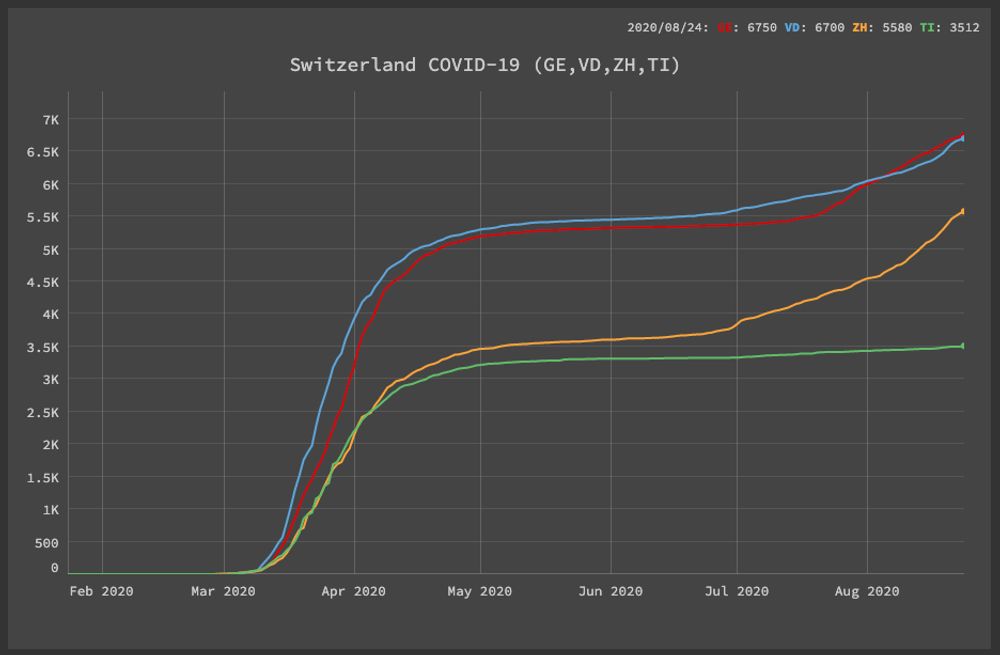
Both in Basel city and Zurich, it is required to wear a face mask with the objective of reducing COVID-19 transmission. The country flattened the curve but as soon as it began to reopen, the cases started to go up again. The cantons of Geneva, Vaud, and Zurich are the most affected as can be observed in the previous graph.

GDP and COVID-19 in Europe


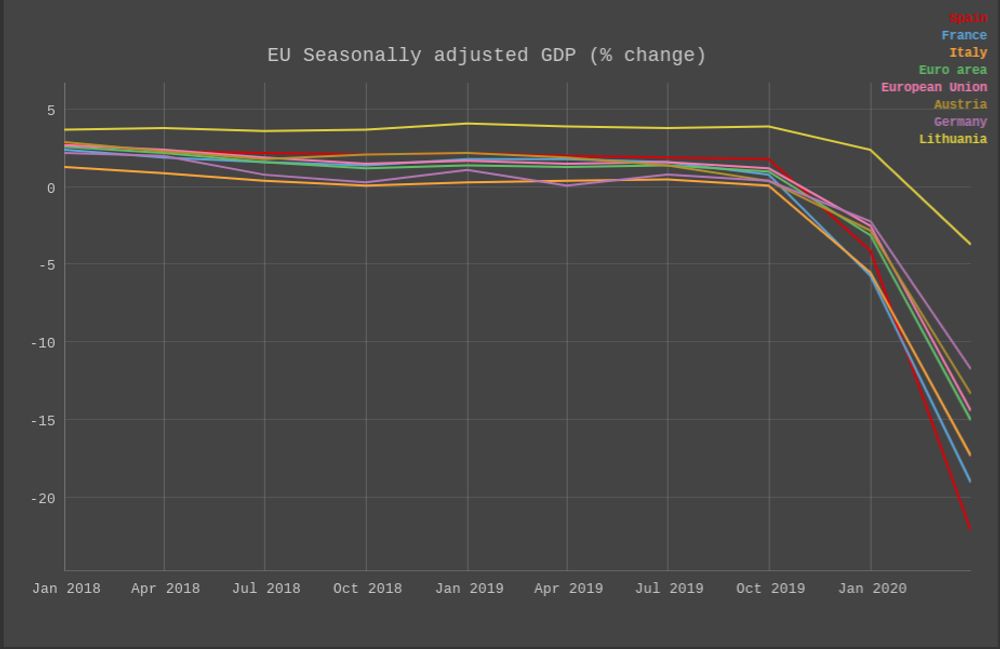
A couple of days ago Eurostat released a preliminary report of the GDP growth rate in the EU and Euro zones. It's not surprising, but the COVID-19 situation and the required mitigation measures have taken a toll on the economy in Europe. The report discussed how "Seasonally adjusted GDP decreased by 12.1% in the euro area and by 11.9% in the EU, compared with the previous quarter,". The graph above shows this dramatic trend.

COVID -19: Brazil uncontrolled spread


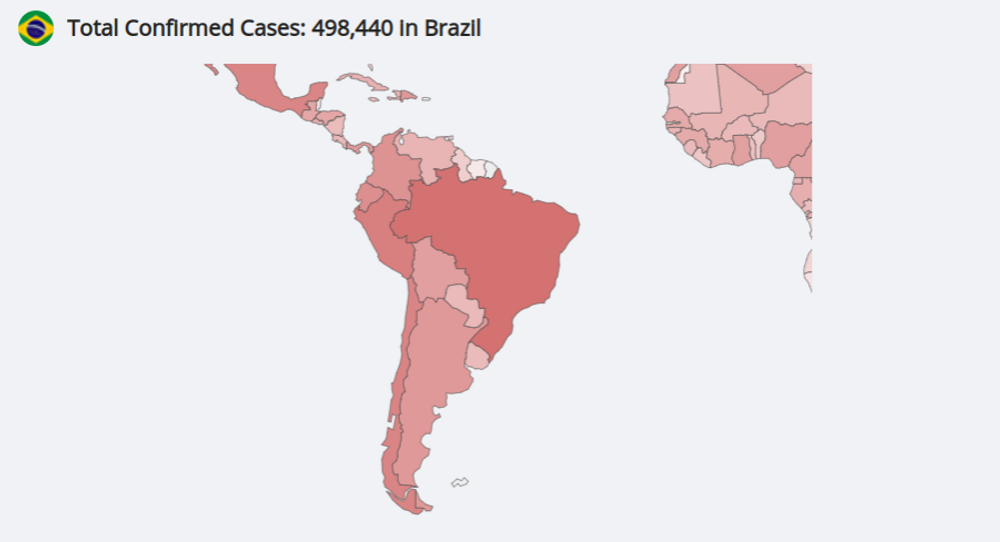
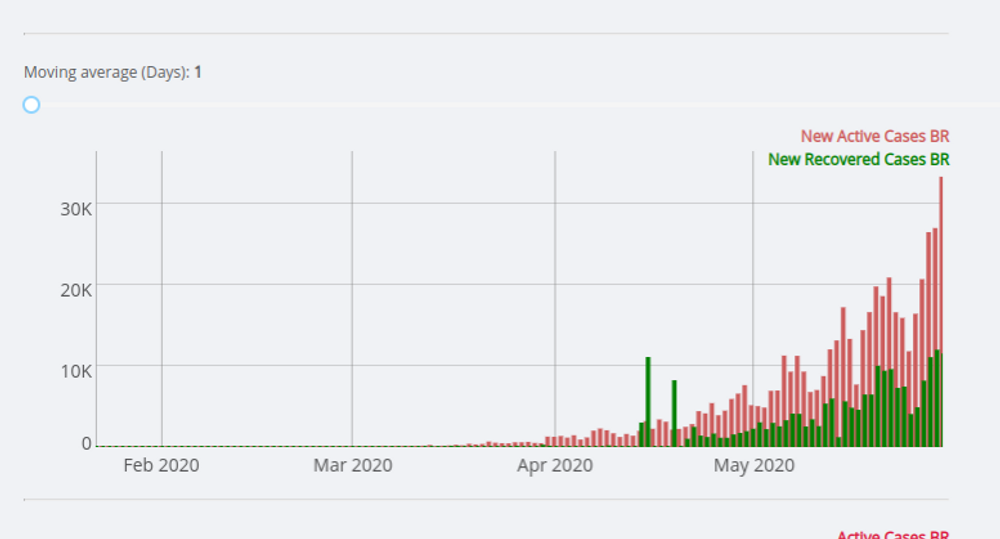
Brazil has unfortunately become one of the new epicenters of the COVID-19 pandemic in the world. A recent editorial at The Lancet describes how Brazil is the country with the highest rate of transmission (R0 of 2·81), based on the data compiled by a study conducted at the Imperial College of London.

The title of the editorial ("So what?") summarises the biggest problem the country faces dealing with this disease, and that is the response (or lack thereof) of its president Jair Bolsonaro. His disdain for a vast proportion of the population suffering from this disease is outrageous, but not surprising.

Boa sorte Brasil, você vai precisar!

COVID-19: 4m Cases Worldwide


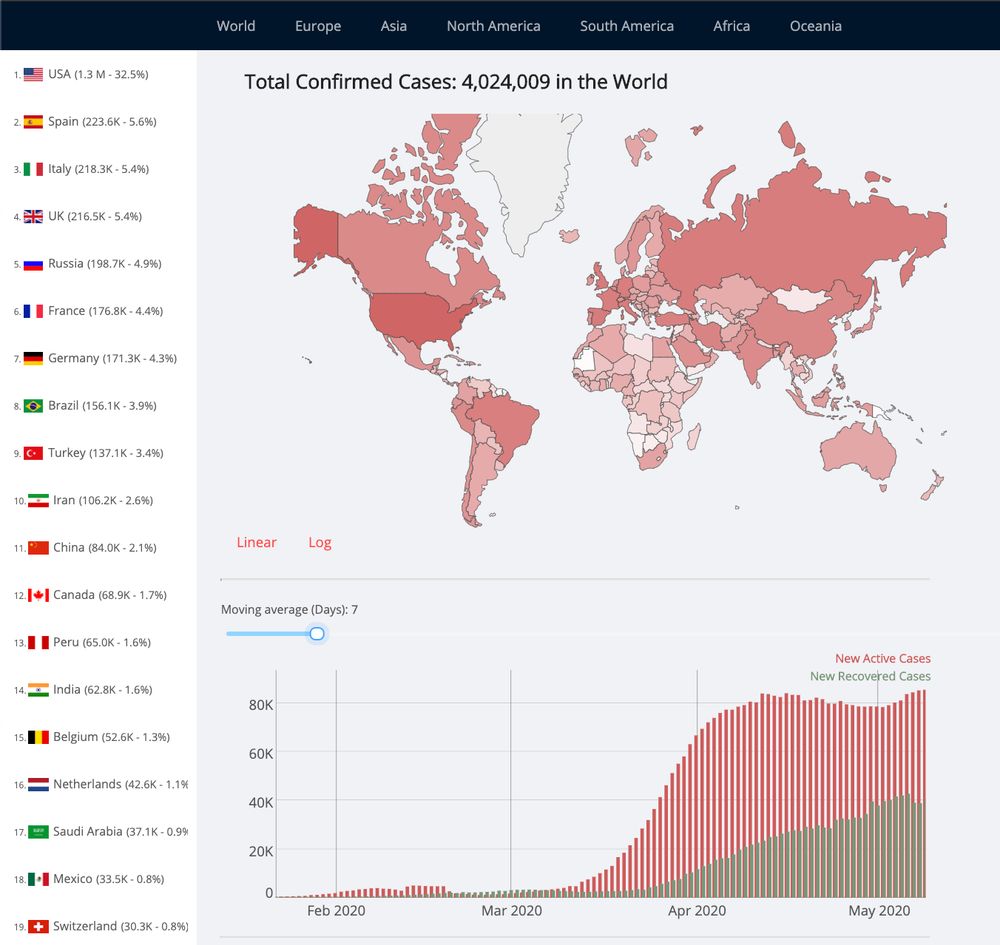
Last Easter holidays I set up this COVID-19 dashboard in one of my personal domains to follow the cases around the world, particularly in Europe. I used the data provided by the Johns Hopkins University, in particular their daily cases, deaths, and recoveries time series. Using those data points and doing some data wrangling it’s possible to get a lot of insights about what’s currently happening in the world.

The last time I blogged about this topic was exactly one month ago and there have been a lot of developments since then:

  • In April I mentioned the US has become the new epicenter of the COVID-19 pandemic and that’s still the case, but on a different scale. With over 1.3 million active cases, the United States accounts for 32.5% of all cases worldwide today. The situation in New York City is much better than it was then, but there are now multiple cases in rural areas, particularly in towns with meat processing plants
  • The situation in the United Kingdom is dire as well. As of yesterday they have reported 31.3k deaths and 216.5k active cases, and they have less than 1k patients recovered from the disease. Famously, Boris Johnson got infected himself, requiring hospitalization and even ICU admission for a couple of days.
  • In contrast, Germany has been recognized as one of the countries that has dealt with the pandemic in a responsible way using a science-based approach. They are still in the list of the Top 10 countries most affected by the disease but the death rate has been really low during the evolution of the pandemic.
  • The Kiwi strategy has been one of the most successful ones in the world. A headline in the prestigious Lancet magazine summarises it all: New Zealand eliminates COVID-19. The administration of Jacinda Ardern couldn't be more proud of their decisions!

Peaceful sunrise


I have been waking up quite early these days. A couple of days ago I was lucky to get this beautiful and peaceful sunrise.

83k COVID19 Cases in the US


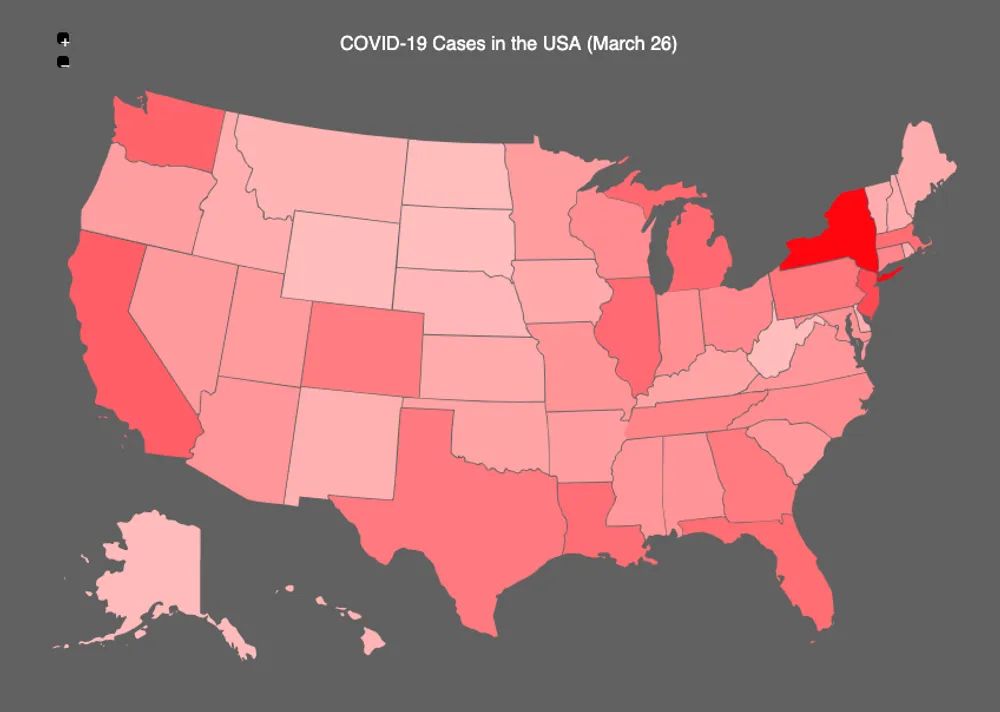
The COVID-19 cases continue to climb in the world, and the United States of America clearly have become the new epicenter with 85,991 confirmed cases, 18,050 more compared with the previous day. They really need to set up a working national policy!

COVID-19 307k Cases World Wide


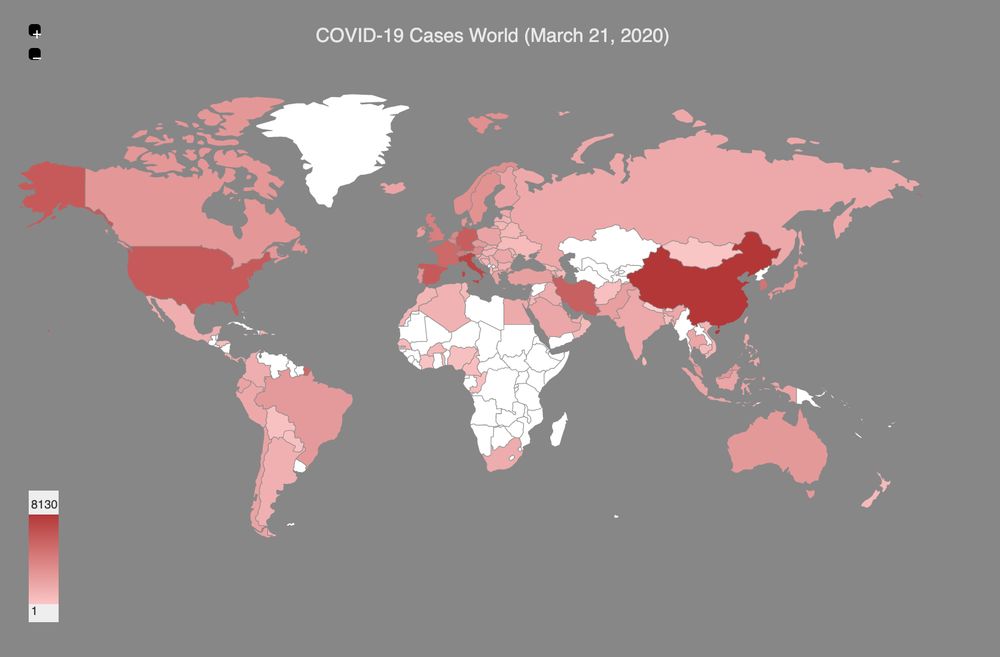
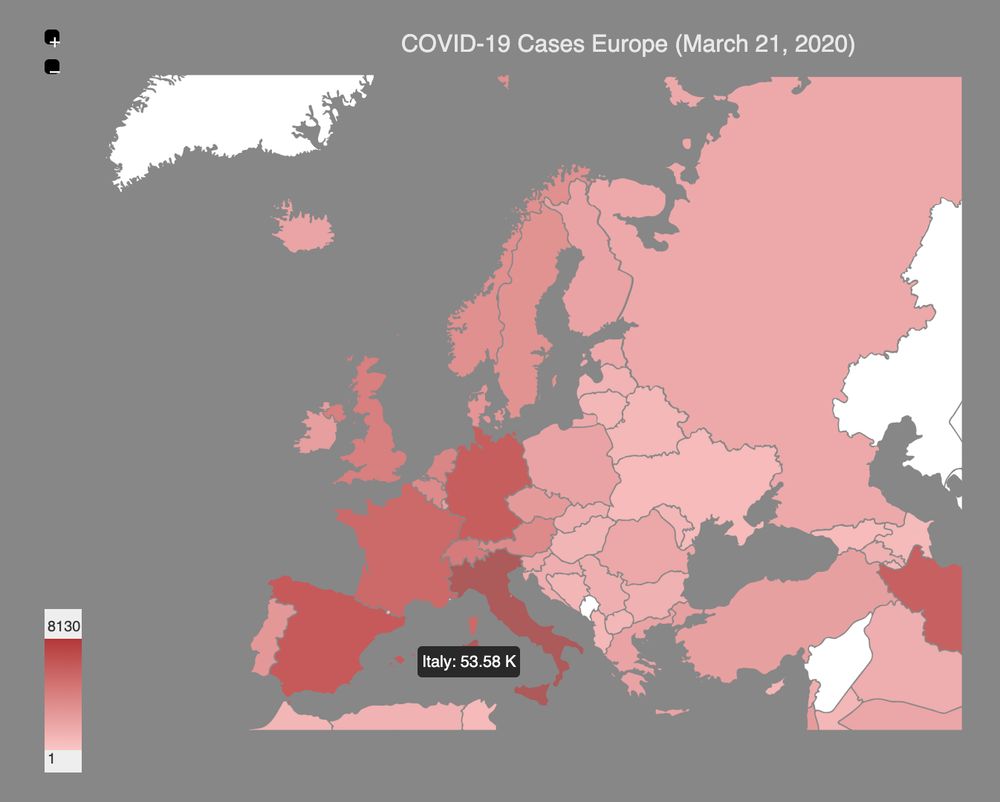
According to the latest data aggregated by the Johns Hopkins University world cases dashboard, there are 307277 COVID-19 confirmed cases in the world. Europe is still an epicenter of the disease with more than 50k cases in Italy, but also more than 10k cases in France, Germany and Spain.

There are more deaths reported in Italy (4825) than were reported in China (3265). The US has the highest number of active cases (26747) after Italy.

In many places of the world there are measures in place to encourage or force people to stay home. Please stay safe!

COVID-19 Cases in Europe


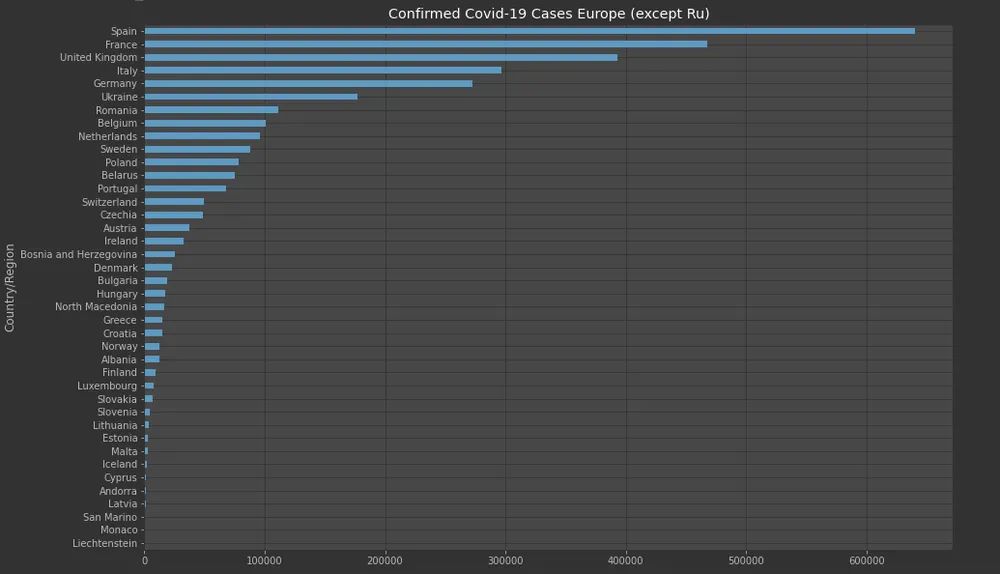
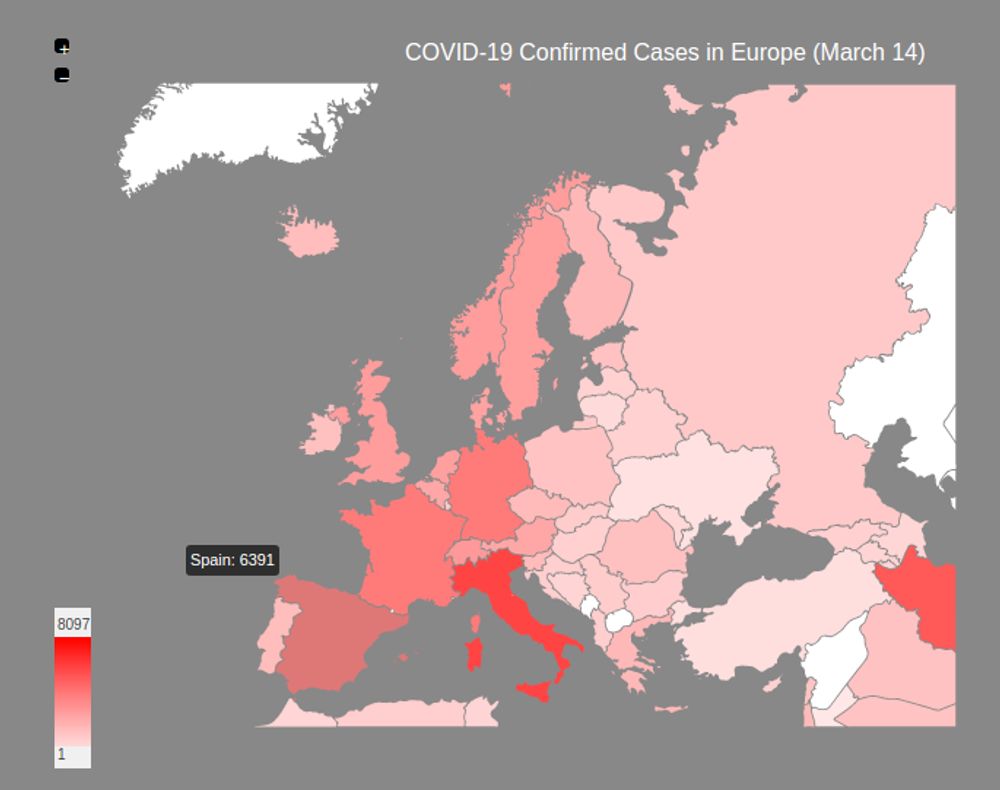
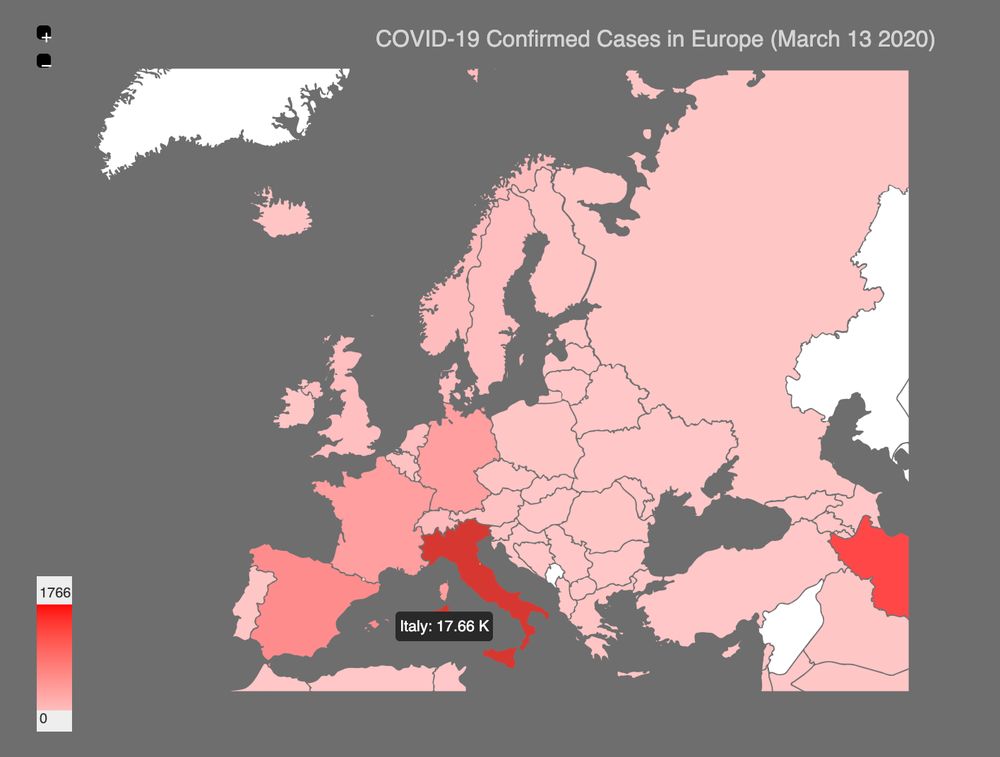
According to the WHO, Europe has become the new epicenter of the COVID-19 pandemic as the deadly coronavirus runs through Italy and nearby countries including Germany, Switzerland, and France. It's the same situation in Spain where the total number of cases increased dramatically during the last 2 days, leading the government to put in place drastic measures to slow down the transmission of the virus.

COVID-19 Worldwide Cases


One month ago I was blogging about how the 2019-nCoV coronavirus had been in the news lately because of the human-to-human transmission and its rapid spread both in China and outside its borders.

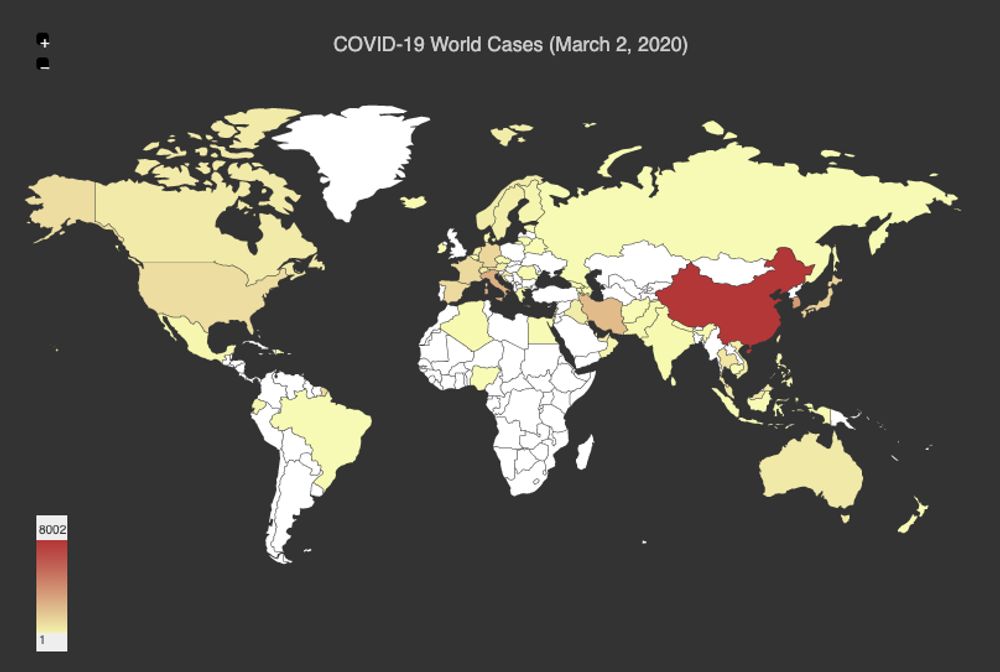
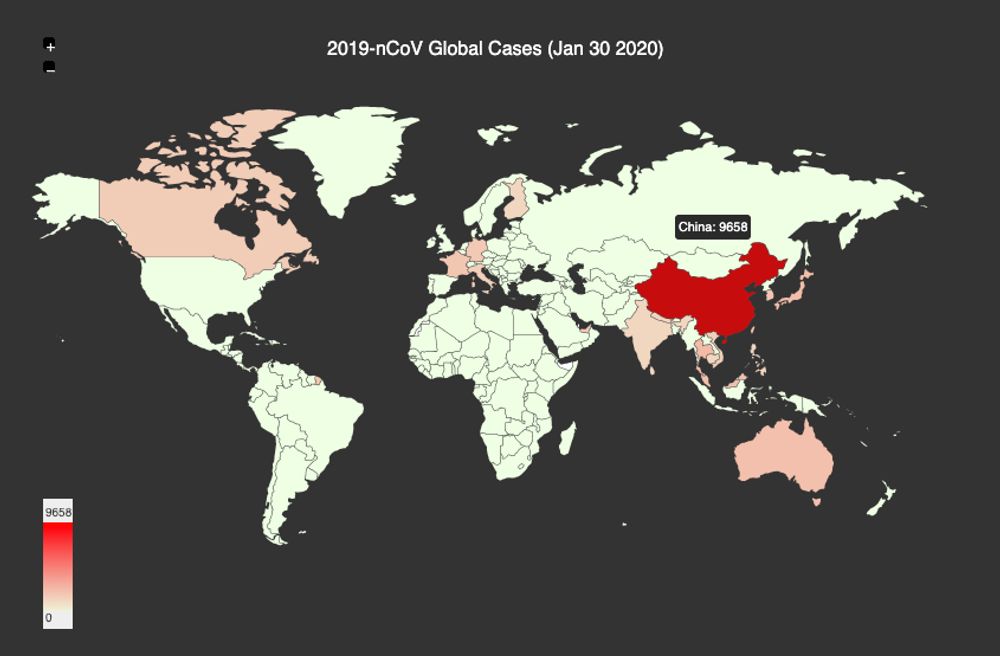
At the end of January there were 9776 confirmed cases in China, but one month later this number was around 80k, and Iran, South Korea, and Italy had become additional geographical points with more than 1k cases.

The COVID-19 virus, as it's called now, is a public issue all around the world, and preventive measures will have to be in place to slow down the spread of this disease.

The following animation from Wikipedia shows how the virus has been spreading fast in a couple of months.

Again for reference this is the Johns Hopkins University world cases dashboard, using the most recent data available.

Corona Virus (2019-nCoV) Cases


The 2019-nCoV coronavirus has been in the news lately because of the human-to-human transmission and its rapid spread both in China and outside its borders. This virus apparently originated in animals, and it was first identified in seafood and animal markets in Wuhan, China.

As of yesterday, there are 9776 confirmed cases affecting 20 countries already, with the vast majority in China. Johns Hopkins University is maintaining this world cases dashboard, using the most recent data available.