Juan Convers

Tourbillon and Valère in Sion


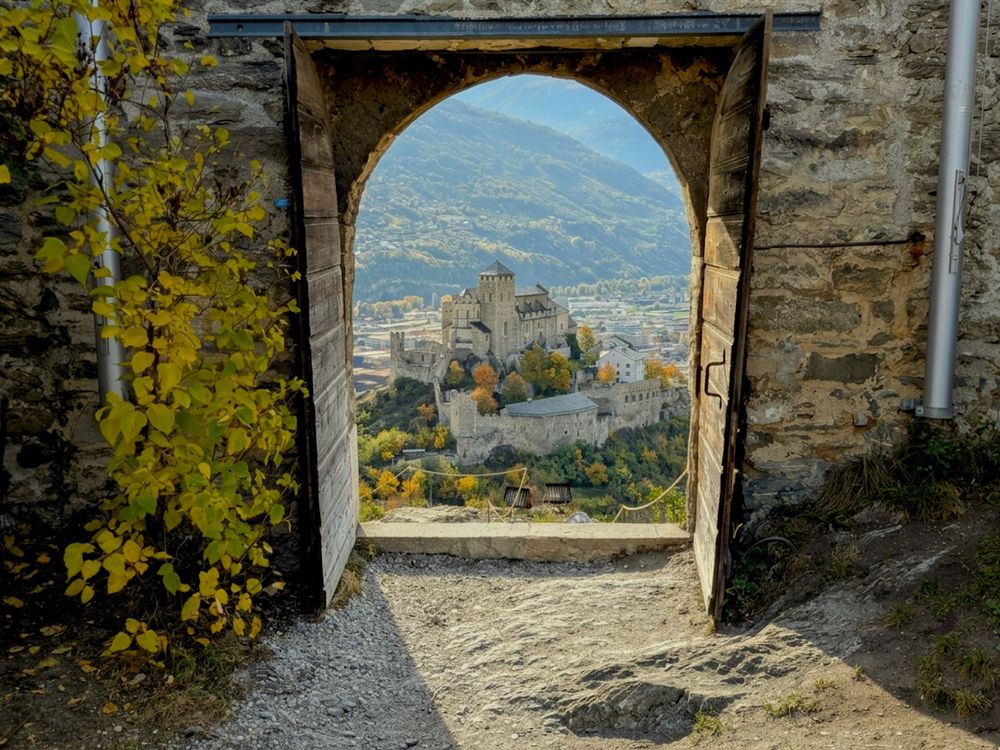
Some days ago I visited Sion, the capital of Valais, and climbed up to the Château de Tourbillon, the castle ruins on top of one of the two hills that rise above the old town.

The photo above was taken from one of its arched doorways. Framed in the arch you can see the Basilica of Valère on the neighboring hill, with the town of Sion below and the Alps fading into the haze behind it. The yellow leaves on the wall make it a very autumn picture.

According to Wikipedia, Tourbillon was built between 1297 and 1308 by Bishop Boniface de Challant and was the residence of the Bishops of Sion for a long time, until a fire in 1788 destroyed most of it. Valère is even older, with its first parts dating back to the early 12th century, and its organ, from around 1435, is one of the oldest working organs in the world.

Two hills, two old fortresses, and they have been looking at each other for more than 700 years!
Yvoire


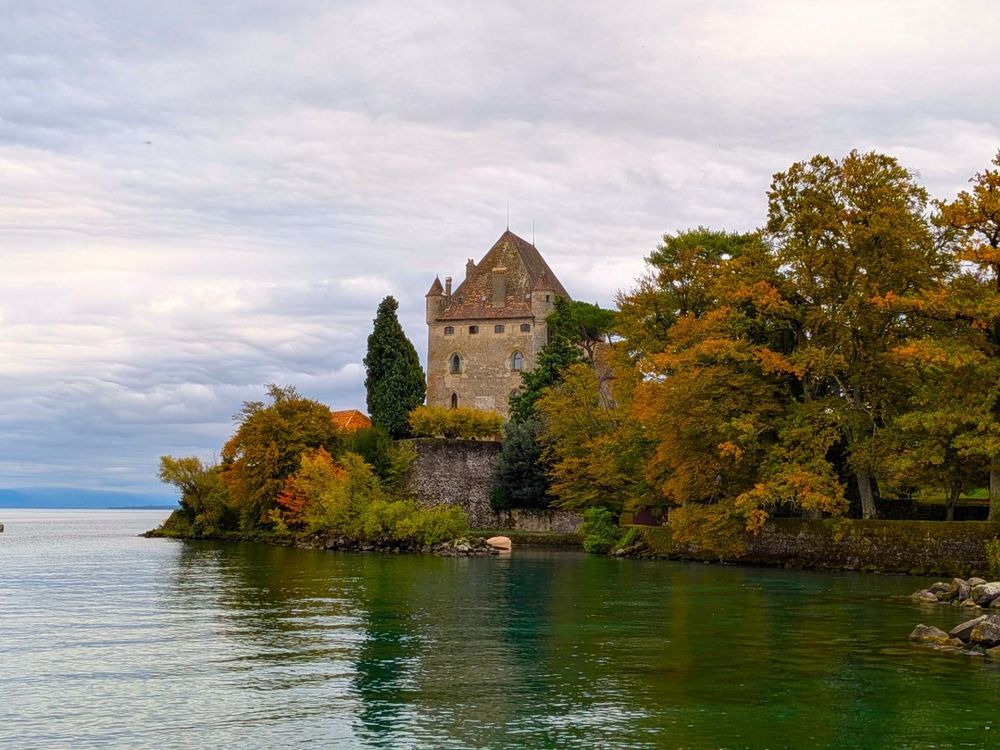
Some days ago I went back to Nyon, the town I wrote about in my post on Noviodunum, but this time I didn’t stay. I walked down to the harbor and took the ferry across the lake to Yvoire, on the French side.

Getting there is very easy. The boat leaves from Nyon and the crossing is short, about twenty minutes, so you barely have time to enjoy the view of the lake before you arrive.

Yvoire is small, and you can walk around the whole town in no time, but it is beautiful. It still has its medieval walls, gates and a castle by the water, and its narrow stone streets are lovely to wander through. According to Wikipedia, the town was fortified in the early 14th century by Count Amadeus V of Savoy, and today it is listed among the “Plus Beaux Villages de France”.

It is amazing how such a short boat ride takes you to a completely different and beautiful clplace.

EU Residents Travel Destinations


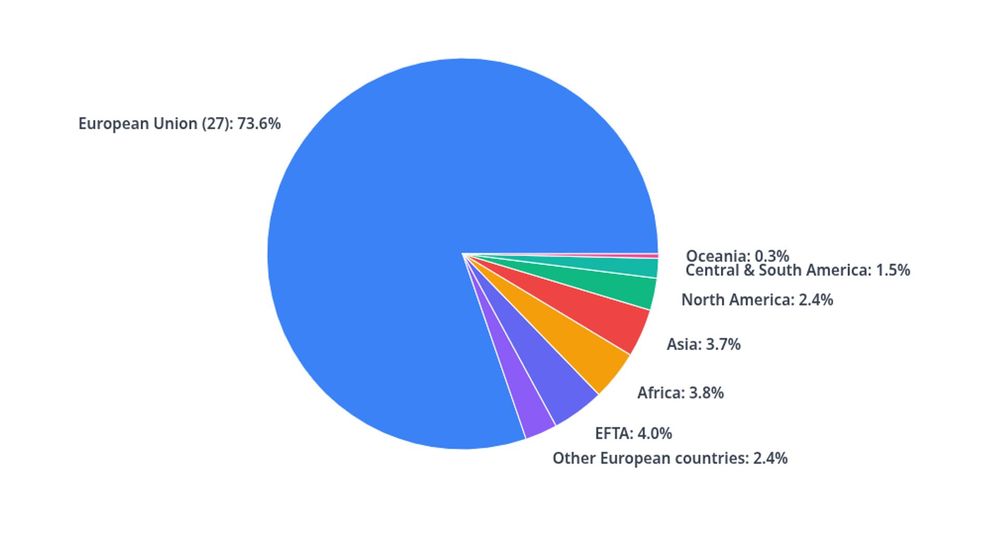
Eurostat provides an interesting dataset about how EU residents travel, including where people go, how much they spend, and how long they stay. The 2023 data show that most Europeans’ foreign trips are still made within the Union.

In 2023, Europeans made over 1.1 billion trips, spending 5.7 billion nights and €555 billion. Nearly three-quarters of these trips (73%) were domestic, though foreign travel accounted for a larger share of nights and expenditure.

Italy and Spain emerged as the top foreign destinations, while France also drew significant numbers of visitors from within the EU. Beyond the Union, the United Kingdom, Türkiye, and Switzerland were the most popular spots, with intercontinental destinations making up just 12% of foreign trips.

Overall, the data show a strong preference for familiar, nearby locations, balanced by the pull of longer journeys that contribute more heavily to tourism spending. You can read more about it here.

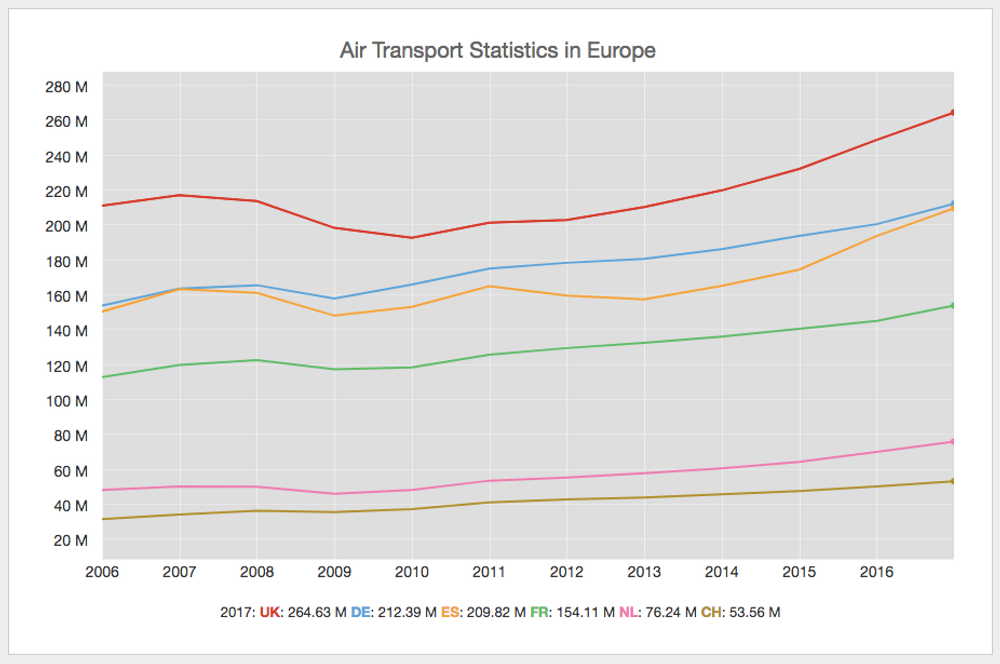
Air travel statistics in Europe


Eurostat offers an interesting dataset about air travel on the continent, including the number of passengers per country. As you can see in the chart above, the United Kingdom, Germany, and Spain had the highest number of air travelers through their airports in 2017.

Update on the Breaksian travel map


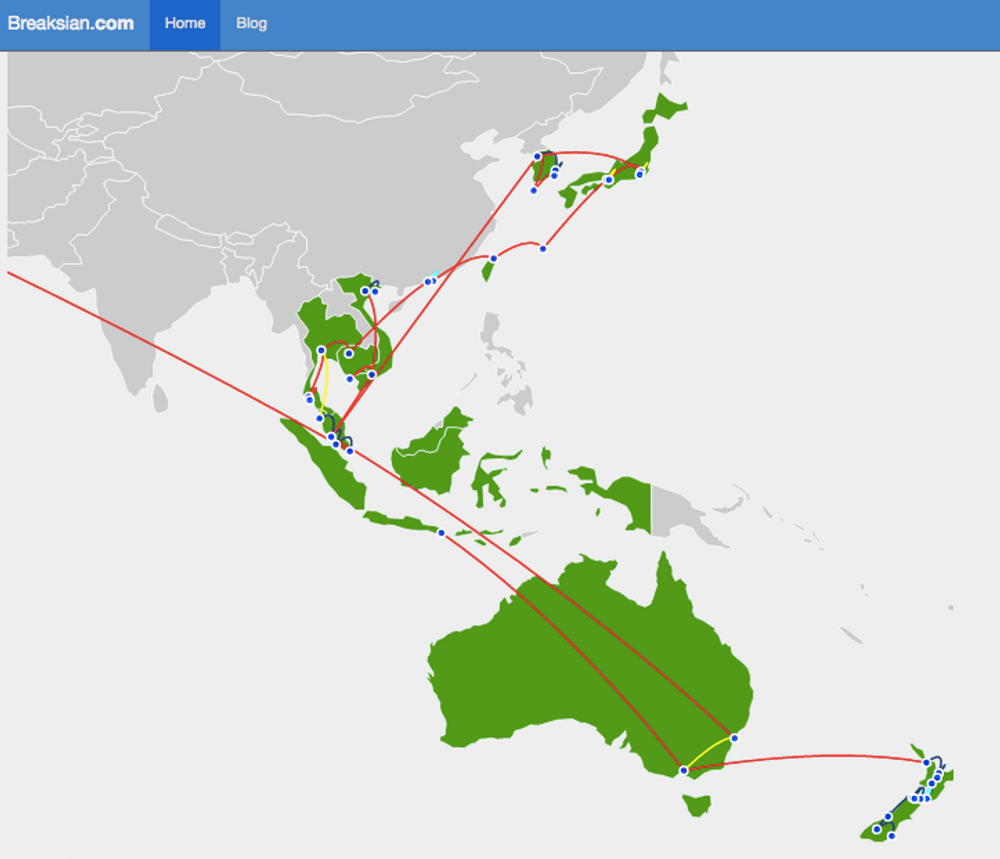
As I mentioned a couple of days ago, I have been working on a project to migrate my Breaksian travel blog to the Node platform where I'm running my applications. I already finished the main blog, but a couple more pieces are still pending. Today I finished one of them: a small map showing the itinerary I followed while I was travelling in Asia and Oceania. I also took the opportunity to update it with the missing data points.

Dusting off the Breaksian blog


My old LAMP hosting is about to expire, and I’m using that account only to host a travel blog of my career break two years ago, called Breaksian. This weekend I migrated the contents to a Node platform, and I took the opportunity to review and publish a post about a week I spent in Ko Lanta, Thailand. Quite a special place.

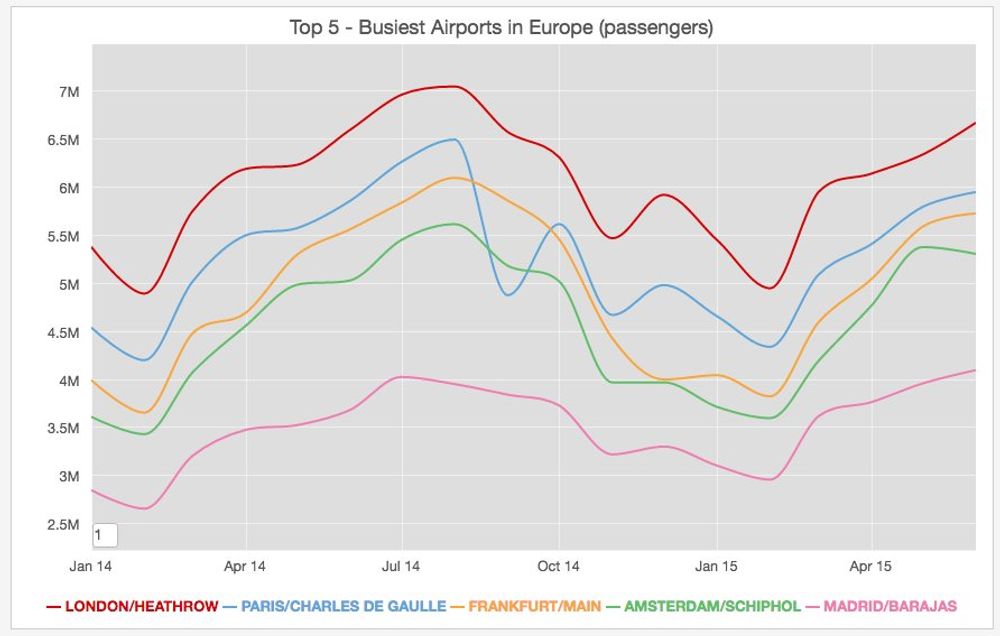
Busiest Airports in Europe


Graph with the busiest airports in Europe based on passenger totals. Data from: Air Passenger Transport Statistics

Most Convenient Passport To Travel.


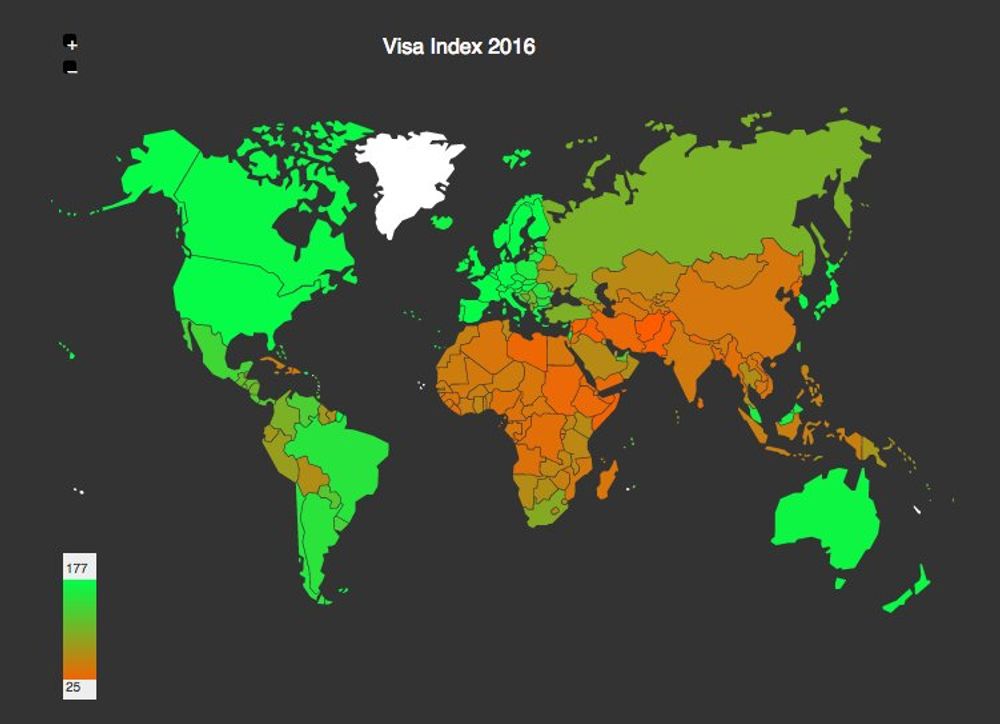
Today, an Irish friend at work shared a very interesting news article describing how the German passport was the most convenient one to travel around the world. There is a visa restriction index that classifies the passports based on the number of countries and territories that a holder can visit visa-free. Germany indeed has the highest score, followed closely by many other European countries. Here is a map of this index worldwide: