Juan Convers

Back in Catalunya


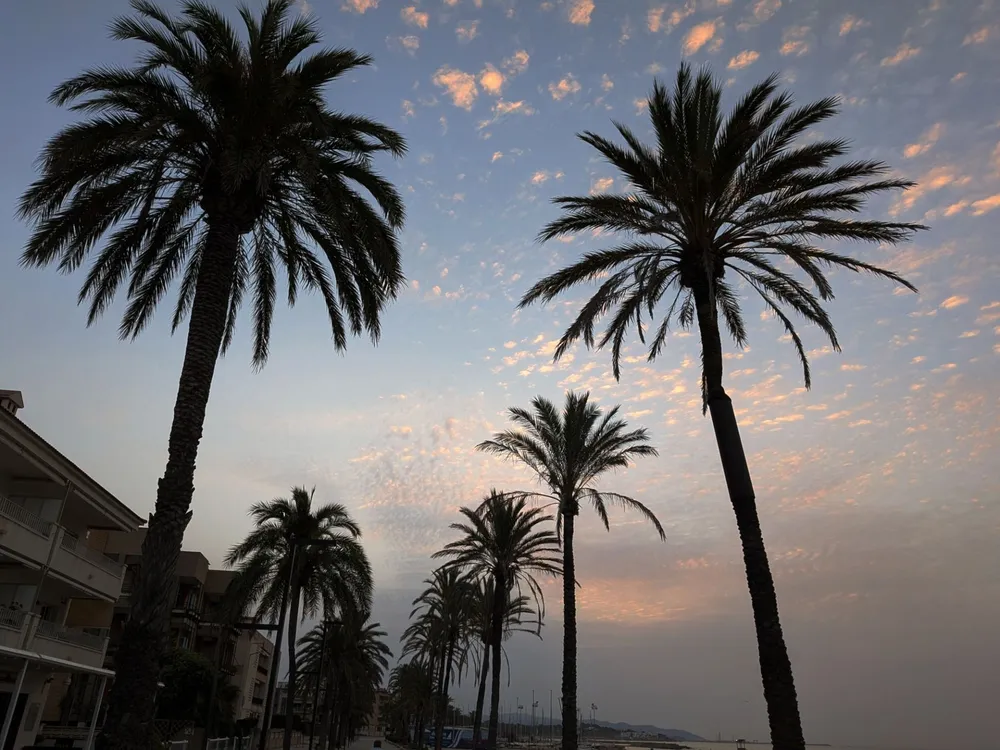
Let’s be honest: European heatwaves are no joke right now. After spending all these weeks bracing against the blistering sunshine and trying to work through the hot weather, it feels refreshing and invigorating to be back on the Catalan seaside.

Three years ago, I walked on this exact stretch of beach in Cubelles — same boardwalk, same view of the Mediterranean stretching flat and blue toward the horizon. I remember staring at the water and reflecting on where I was and where I was going.

Coming back now, the town hasn’t changed much. The same beach restaurants are still serving the same food at lunch. My favorite ice cream parlor has done well, and now it’s even bigger.

And of course, while ordering some splendid “arroz negro” and chatting with a friendly waiter, I remembered why I always feel closest to home when I visit this country.

Today, I’m grateful I have the opportunity to visit this spot once more.

Arepa Reina Pepiada


An arepa is a traditional flatbread made from ground maize dough, enjoyed across northern South America since pre-Columbian times. Interestingly, the word arepa actually comes from Cumanagoto, an extinct Cariban language once spoken by indigenous peoples in what is now Venezuela; it's believed to derive specifically from the word erepa, meaning "corn."

One of my favorite versions is the Reina Pepiada. It’s a simple but delicious savory filling made with guacamole, shredded chicken breast, and fresh coriander.

I made them at home last week alongside air-fried yuca and mazorca (more corn! 😂), and they were a huge hit!

European Heatwave


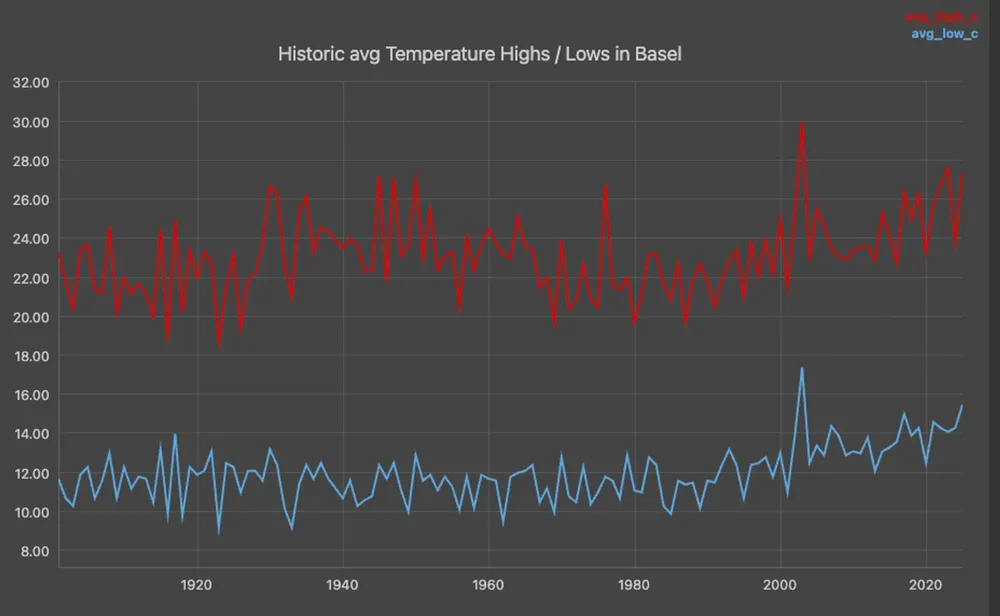
Last week I was strolling through the center of Basel in torrid heat, and when I looked at the clock at the intersection of Blumenrain and Spiegelgasse, I suddenly noticed that it read 37 degrees Celsius! It was then that I realized that in all the years I have lived in or visited Basel, I had never seen such high temperatures, and looking at historical values, that figure is certainly outside the norm.

This blistering reality in Basel is far from an isolated incident; it places Switzerland right at the epicenter of a historic, continent-wide climate anomaly. Across France, Germany, Italy, and Spain, temperatures have skyrocketed to levels between 5 and 12 degrees Celsius above seasonal averages.

This extreme event is being fueled by a powerful, static high-pressure system known as a "heat dome." Acting like a giant lid, it has trapped scorching air over Western Europe while simultaneously pulling an intense plume of hot air directly from the Sahara Desert. Under a relentless, cloudless sky, the ground has baked rapidly, supercharging local temperatures.

Climate scientists looking at this record-breaking week have noted that while the wind patterns themselves are a natural summer occurrence, the sheer intensity of the heat has been massively amplified by the long-term baseline effects of global warming, turning a standard summer hot spell into an unprecedented, dangerous furnace.

Passerelle des Trois Pays


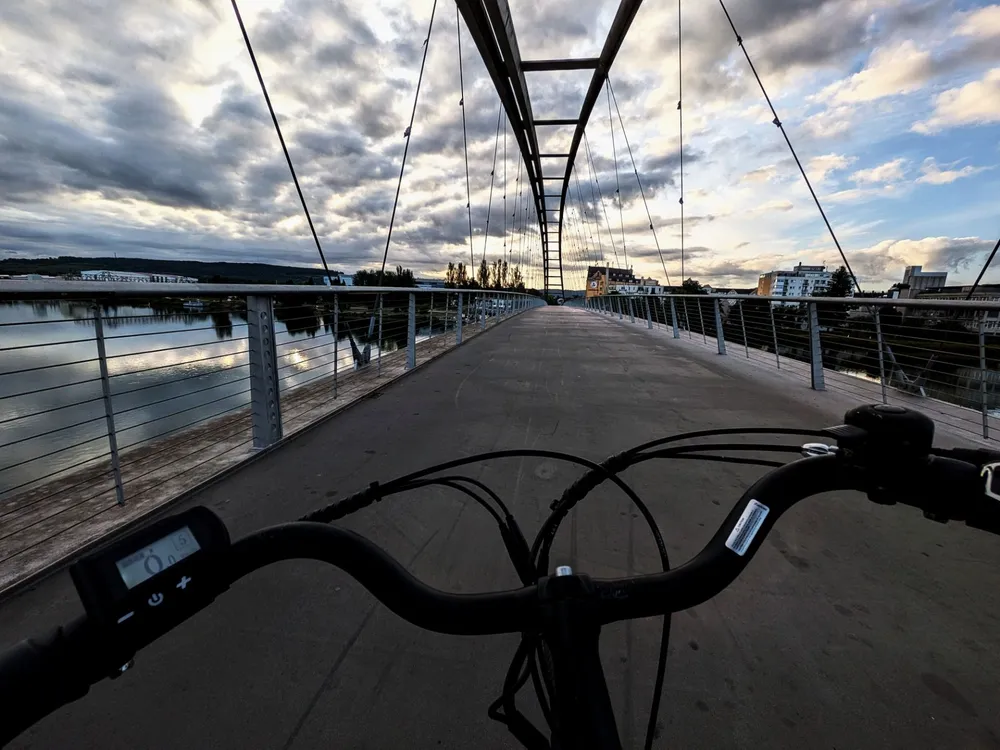
Last weekend I got up early and went for a bike ride, something I do fairly often when the weather starts warming up. I crossed Basel in the morning when absolutely no one was around and you could hear all the birds singing, arrived at Burgfelderhof, and headed over to buy bread in the French town of Saint-Louis. After crossing through the town, I went to Huningue and then over the famous "Passerelle des Trois Pays" bridge you can see in the photo above, to get into Weil am Rhein and pick up some extra groceries before heading back to Switzerland.

This structure, called the Dreiländerbrücke in German, is a beautiful bridge that crosses the Rhine between Huningue (France) and Weil am Rhein (Germany), and according to Wikipedia, it holds the world record for the longest single-span bridge for pedestrians and bicycles only.

Historic Spalentor in Basel


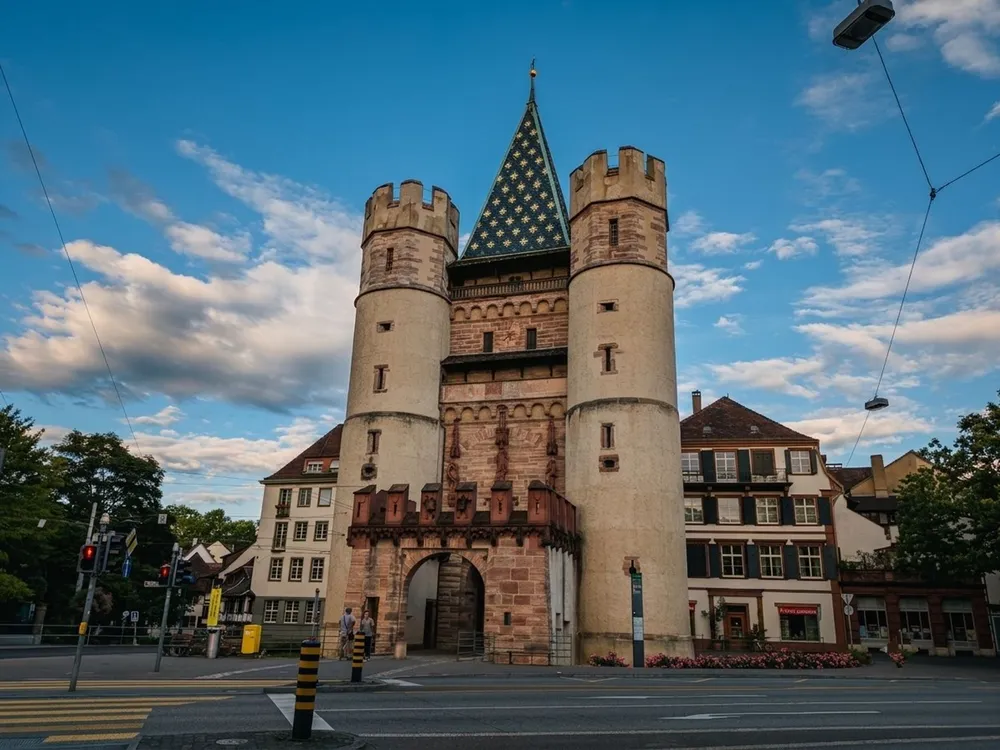
I once read that the Spalentor is one of Basel’s most interesting iconic buildings—it's almost a whole history lesson in a single building! It truly does stand out in the city's old town with its unique architecture. The tower's history is very interesting because it is linked to one of the main events that shaped the city: the earthquake of 1356.

That dramatic seismic event reduced the city to ruins, and when it had to be rebuilt, the city was enclosed by a bigger ring of walls. This included multiple defensive structures, such as seven gate towers, and one of them was indeed the Spalentor. Today, the tower stands as a symbol of the city's history, alongside other historic landmarks like the St. Johanns-Tor and the St. Alban-Tor.

Next page