Back in Catalunya


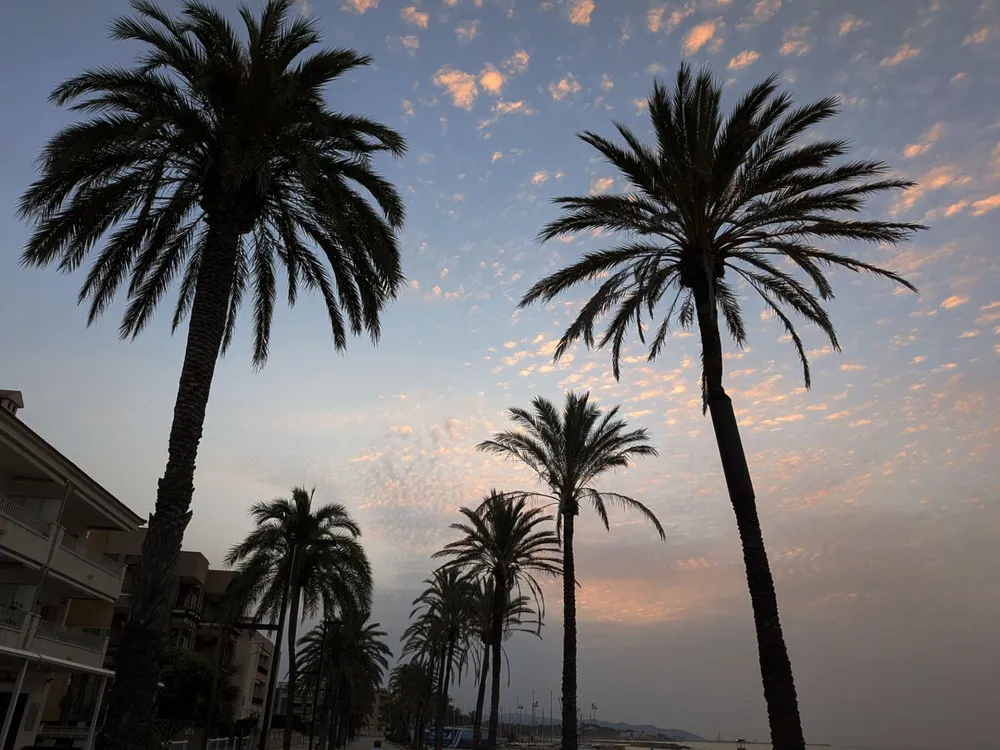
Let’s be honest: European heatwaves are no joke right now. After spending all these weeks bracing against the blistering sunshine and trying to work while beating back the hot weather, it feels refreshing and invigorating to be back on the seaside of Catalunya.

Three years ago, I walked on this exact stretch of beach in Cubelles — same boardwalk, same view of the Mediterranean stretching flat and blue toward the horizon. I remember staring at the water and reflecting on where I was and where I was going.

Coming back now, the town hasn’t changed much. The same beach restaurants are still serving the same food at lunch. My favorite ice cream parlor has been successful, and now it’s even bigger.

And of course, when ordering some splendid “Arroz negro” and chatting with a friendly waiter, I remembered why I always feel closest to home when I visit this country.

Today, I’m grateful I have the opportunity to visit this spot once more.

European Heatwave


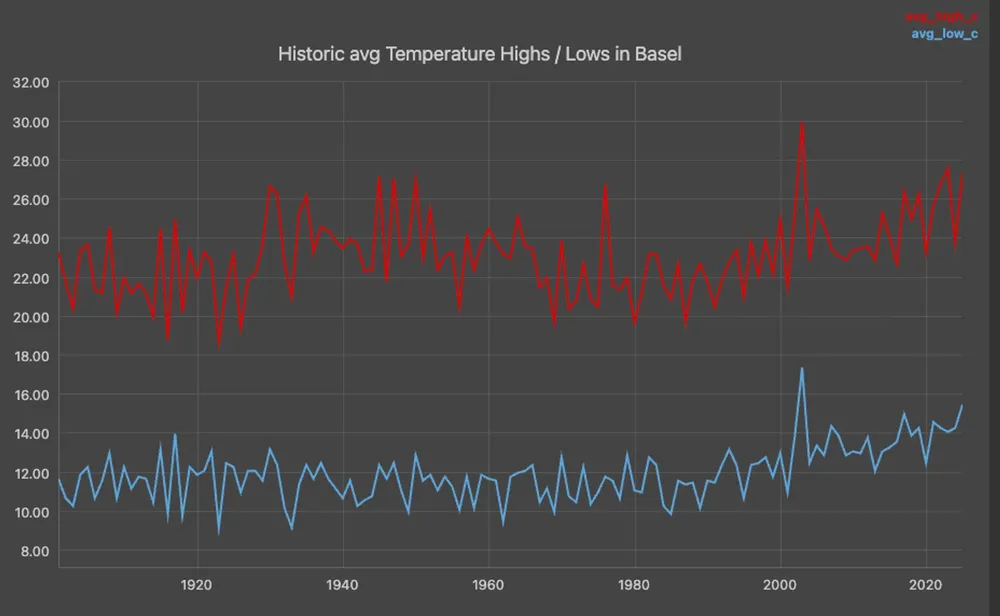
Last week I was strolling through the center of Basel in a torrid climate, and when I looked at the clock located at the intersection between Blühmerein and Spielgasse, I suddenly noticed that it read 37 degrees Celsius! It was then that I thought that never in all these years that I have lived or been in Basel had I seen such high temperatures, and analyzing historical values, that figure is certainly outside of normal.

This blistering reality in Basel is far from an isolated incident; it places Switzerland right at the epicenter of a historic, continent-wide climate anomaly. Across France, Germany, Italy, and Spain, temperatures have skyrocketed to levels between 5 and 12 degrees Celsius above seasonal averages.

This extreme event is being fueled by a powerful, static high-pressure system known as a "heat dome." Acting like a giant lid, it has trapped scorching air over Western Europe while simultaneously pulling an intense plume of hot air directly from the Sahara Desert. Under a relentless, cloudless sky, the ground has baked rapidly, supercharging local temperatures.

Climate scientists pointing to this record-breaking week have noted that while the wind patterns themselves are a natural summer occurrence, the sheer intensity of the heat has been massively amplified by the long-term baseline effects of global warming, turning a standard summer hot spell into an unprecedented, dangerous furnace.

Europe Demographic Shift


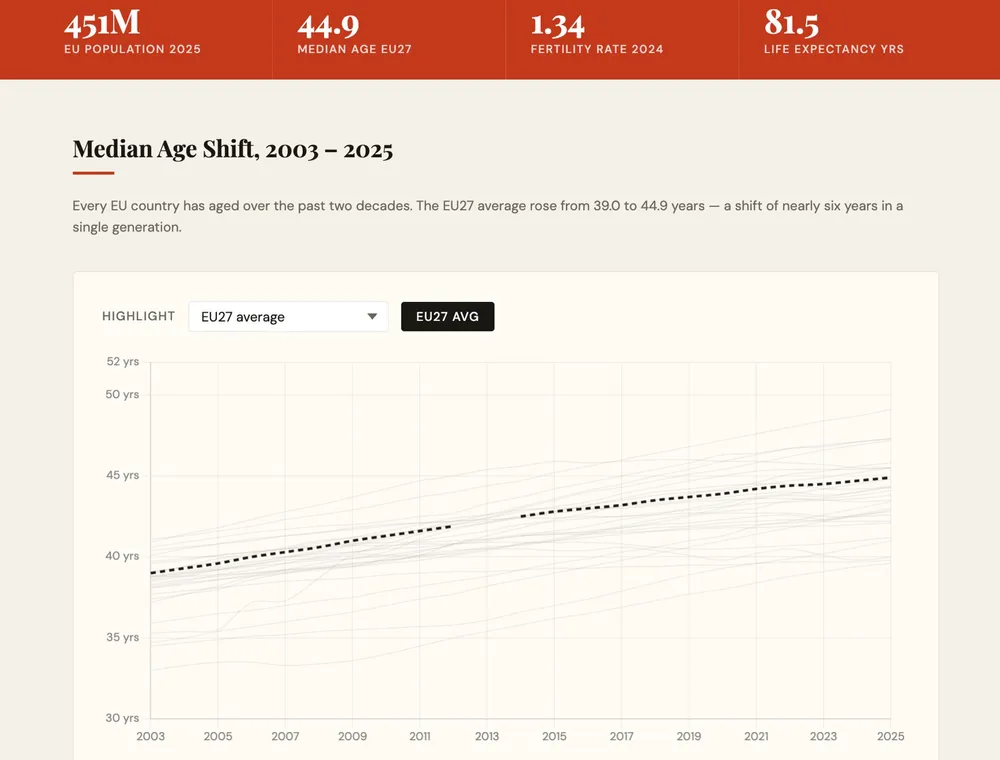
Eurostat just published their Demography of Europe – 2026 edition, an interactive report covering population trends across all 27 EU member states over several decades. It is worth checking if you are interested in demographic data.

The headline is that the EU's 451 million people are growing slowly but ageing very fast. The share of people aged 65 and over has climbed from 17% to 22% in just two decades; the median age now sits at 44.9 years; and deaths have outnumbered births every year since 2012. With a fertility rate of just 1.34, well below the 2.1 needed to sustain a population.

What's keeping the numbers steady is immigration: nearly 6 million people arrived in 2024 alone. A quarter of children are now born to foreign-born mothers. The numbers make it pretty clear that Europe's demographic makeup is going to look quite different in a generation from now.

Historic Elections in Hungary


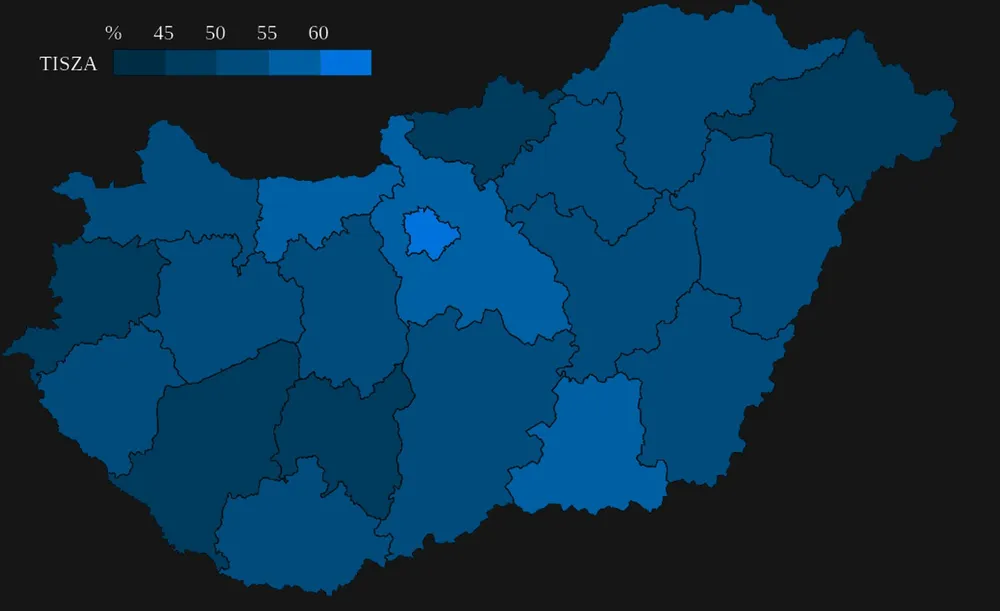
Last weekend Hungary's parliament delivered a dramatic political shift, as Péter Magyar's centre-right Tisza Party swept Viktor Orbán from power in a landslide, ending sixteen years of uninterrupted Fidesz rule. Tisza secured 138 of the 199 parliamentary seats on over 53% of the vote, surpassing the two-thirds supermajority threshold required to amend the constitution. Orbán, who had styled himself as the architect of an "illiberal democracy" and cultivated close ties with both Putin and Trump, conceded defeat, calling the result "clear" and "painful."

Hungary’s election result has major international significance. EU leaders have welcomed it as a sign that the country is realigning with Europe and may restore democratic standards. Orbán’s loss is seen as a stunning setback for the European right and for the system he shaped. It is a badly-needed breath of fresh air in the current climate.

Linienstraße 206: A Defiant Relic in the Heart of Berlin-Mitte


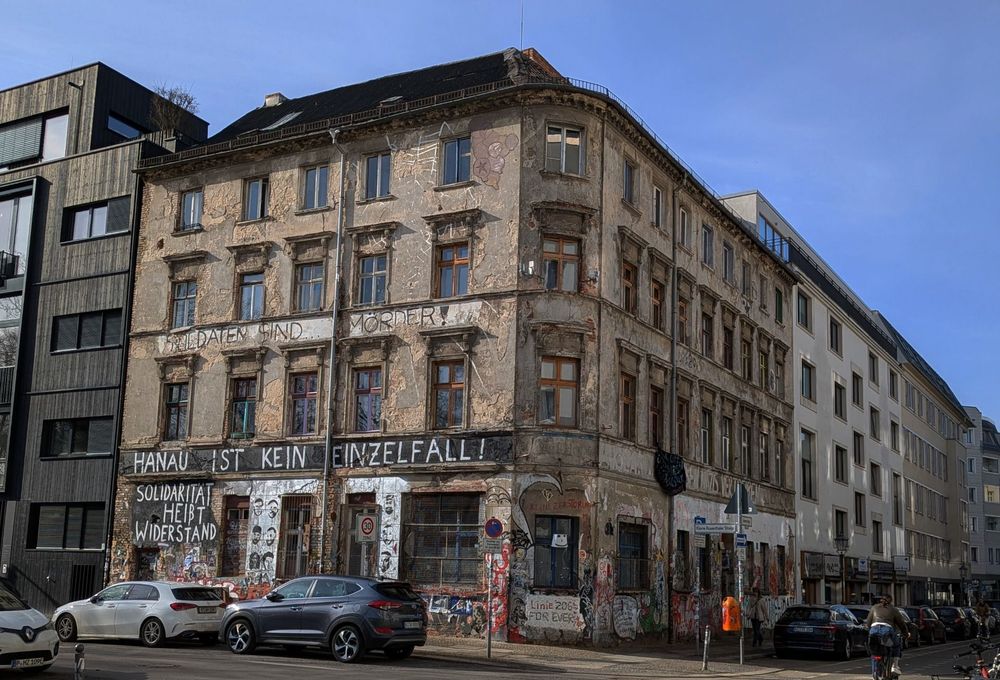
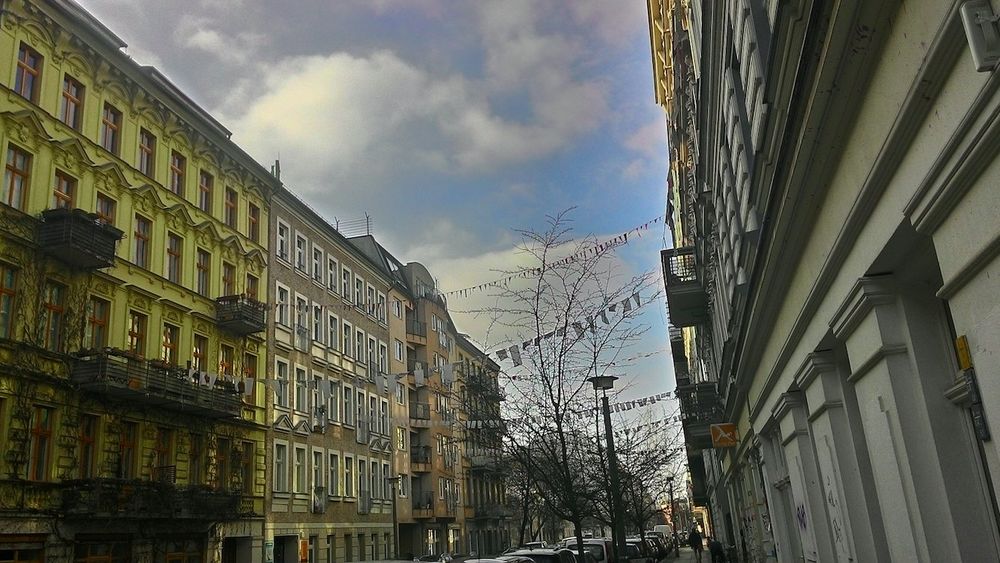
I took this picture while walking through Berlin-Mitte on my way to get my glasses done — way cheaper than in Switzerland! Among the renovated façades, galleries, boutiques and expensive apartments, Linienstraße 206 stands out like a time capsule. Covered in graffiti, street art and banners, it's clearly not a fully modernised luxury building and that's exactly what makes it so unique.

After the Wall fell in 1989, hundreds of empty buildings across East Berlin were occupied by squatters, artists and activists. Most of those squats were eventually evicted or swallowed by gentrification, but Linienstraße 206 is still standing, still defiant. A small piece of Berlin's alternative history right in the middle of all that fancy new East Berlin.

Coffee Consumption in Europe


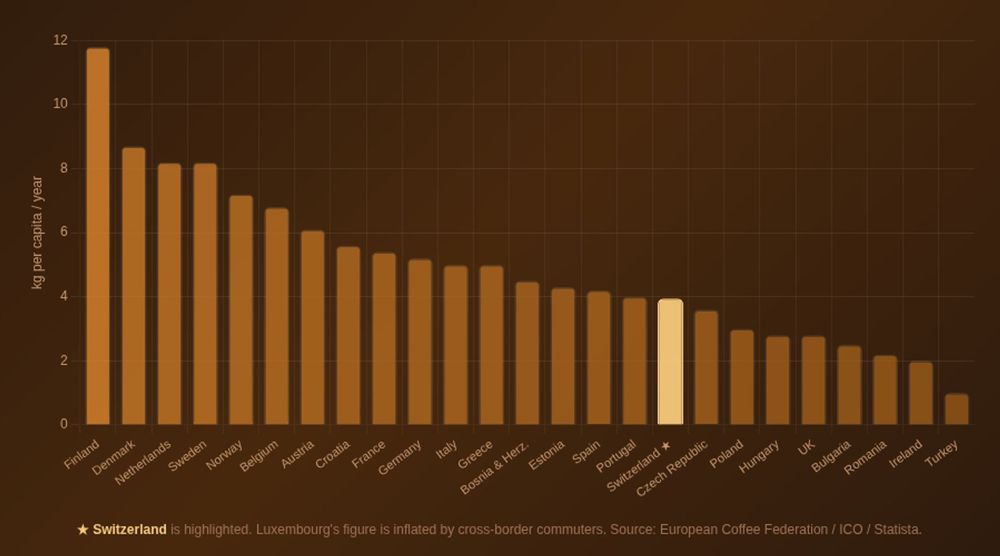
We Europeans are among the most avid coffee drinkers in the world, with several countries ranking at the very top globally. If we’ve ever shared an office, you’ll know I’m definitely doing my part to keep the pot empty.

Interestingly, Switzerland doesn’t top the list for per capita consumption. That honor belongs to the Nordic countries, with Finland leading the way at an impressive 10.76 kg of coffee per person each year.

Luxembourg stands out statistically at 18.98 kg per capita, largely due to its large cross-border workforce, but the Nordics remain the most consistent heavy drinkers overall.

In total import volumes, however, the largest European players are:

  • Germany: 449,000 tonnes annually (5.31 kg per capita)
  • Italy: 363,000 tonnes annually (6.11 kg per capita)
  • France: 346,000 tonnes annually (5.21 kg per capita)

With all this coffee talk, I think it’s time for another cup ☕

EU Residents Travel Destinations


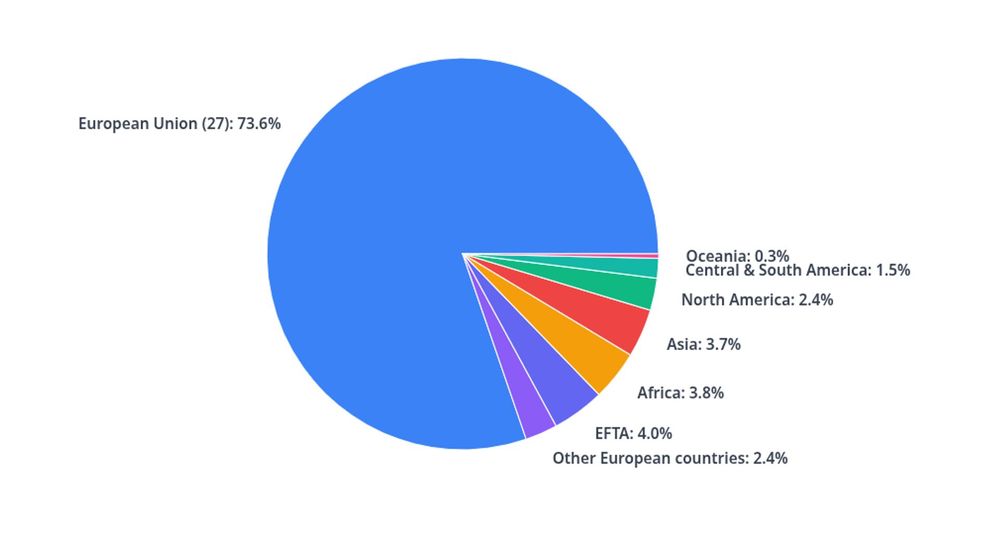
Eurostat provides an interesting dataset about how EU residents travel, including where people go, how much they spend, and how long they stay. The 2023 data show that Europeans’ travel choices still reflect that the majority of foreign trips are carried out inside the Union.

In 2023, Europeans made over 1.1 billion trips, spending 5.7 billion nights and €555 billion. Nearly three-quarters of these trips (73%) were domestic, though foreign travel accounted for a larger share of nights and expenditure.

Italy and Spain emerged as the top foreign destinations, while France also drew significant numbers of visitors from within the EU. Beyond the Union, the United Kingdom, Türkiye, and Switzerland were the most popular spots, with intercontinental destinations making up just 12% of foreign trips.

Overall, the data show a strong preference for familiar, nearby locations, balanced by the pull of longer journeys that contribute more heavily to tourism spending. You can read more about it here.

EU Life Expectancy Post-COVID-19


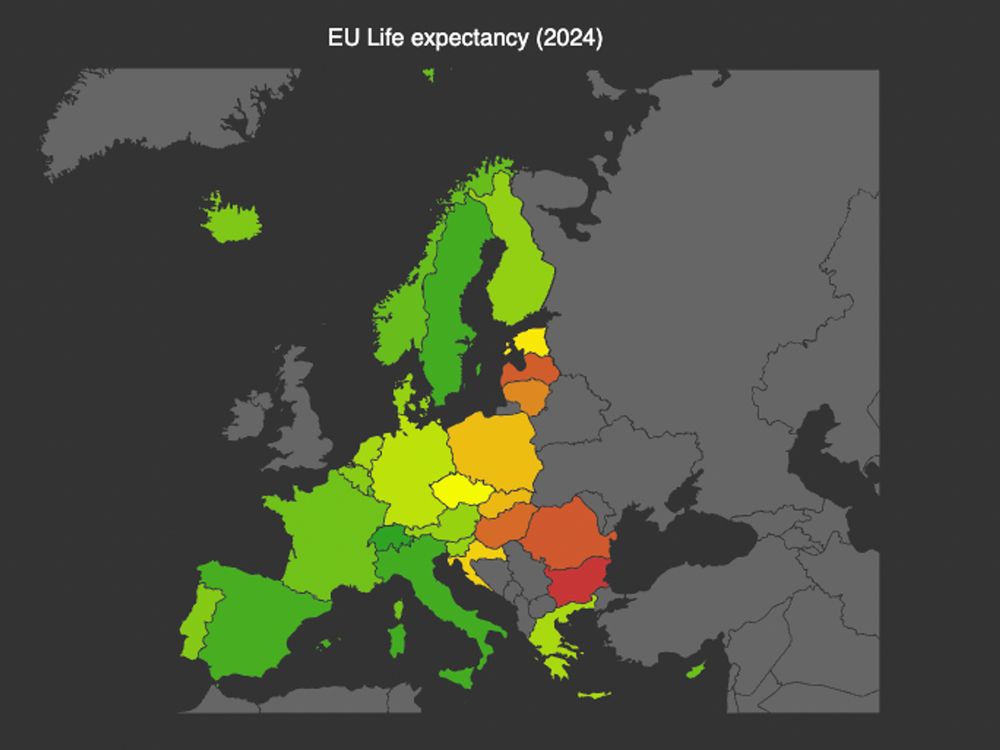
According to some data published recently by Eurostat, life expectancy at birth in the European Union climbed to 81.7 years in 2024, an increase of 0.3 years compared with 2023.

The figures show notable differences across member states. Italy and Sweden are at the top of the rankings at 84.1 years, followed by Spain at 84.0 years. At the other end of the spectrum, Bulgaria (75.9), Romania (76.6) and Latvia (76.7) recorded the lowest life expectancy.

It's interesting how most countries have now surpassed their pre-pandemic levels. Of the 26 EU countries with available data, 24 saw improvements between 2019 and 2024. The biggest gains were observed in Lithuania (+1.1 years), Czechia, Latvia, and Romania (+1.0 each).

These 2024 results suggest that many EU countries have not only recovered from the setbacks of the COVID-19 pandemic but are continuing to make gradual progress in public health and longevity.

Eagle Sculpture on Lac Léman


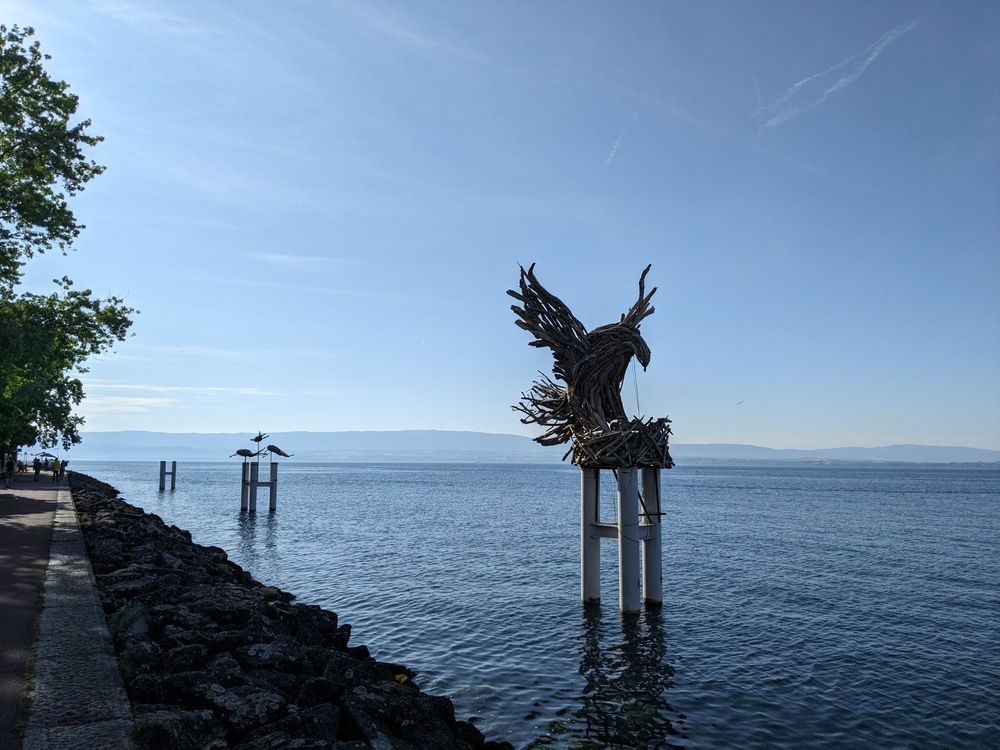
Last week, with summer weather in full swing, I took the ferry from Ouchy to Évian. Once there, I took a nice walk along the Rives of Évian-les-Bains. Maybe I had always missed it before, but this time I noticed something in the lake—a massive eagle perched on one of those metal platforms near the ferry terminal. The statue is quite realistic.

Curious, I looked it up later and found out the sculpture is called L’Atterrissage (“The Landing”), created by Vanly Tiene. The eagle and its nest together span nearly five meters and weigh around three tonnes. It was installed just after Christmas.

I also learned that this piece now stands where a swan sculpture once floated—until it was destroyed by a storm. It’s really quite a beautiful sight.

Syrene statue in Thonon


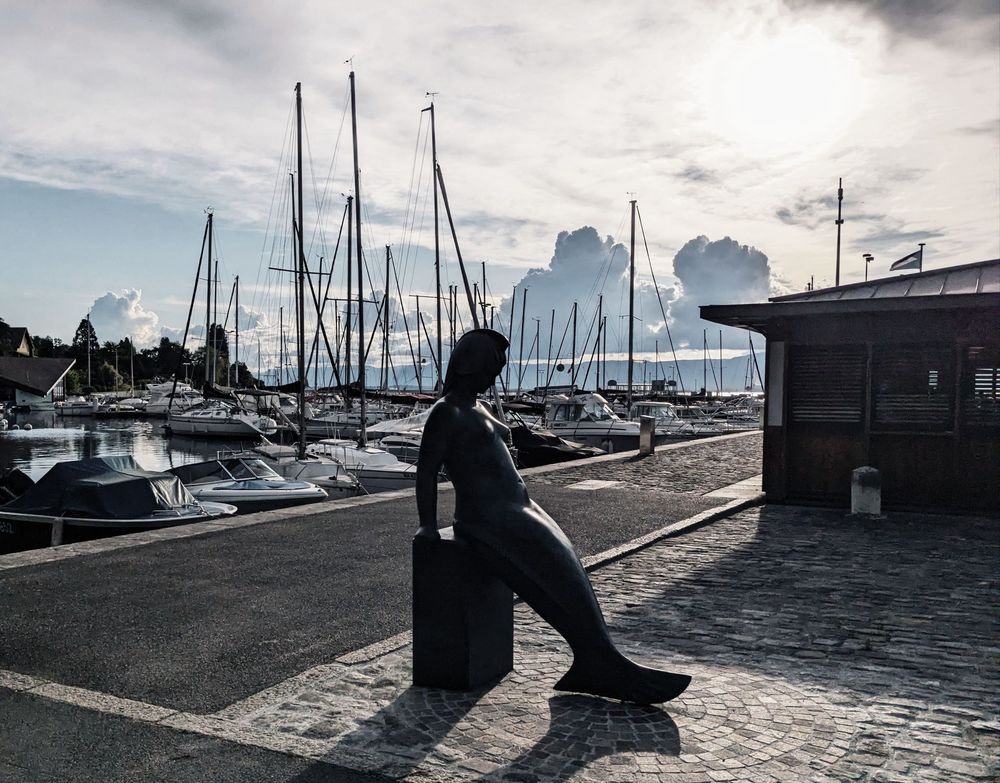
Earlier this week, on my way back to Lausanne, I took a quick walk by the port in Thonon and stumbled upon an interesting bronze sculpture of a mermaid. I was curious, so I took a picture, but I wondered about its story. Soon I discovered on the internet that this piece is called La Sirène, a reproduction of a work by Marguerite Peltzer, a Belgian-born artist who made Thonon her home.

The original sculpture has been available at the Town Hall patio since the 1960s, but this new bronze version now stands on the lakefront, bringing Peltzer's art into public view. I was very lucky to stumble upon it!

Daytrips to Bern


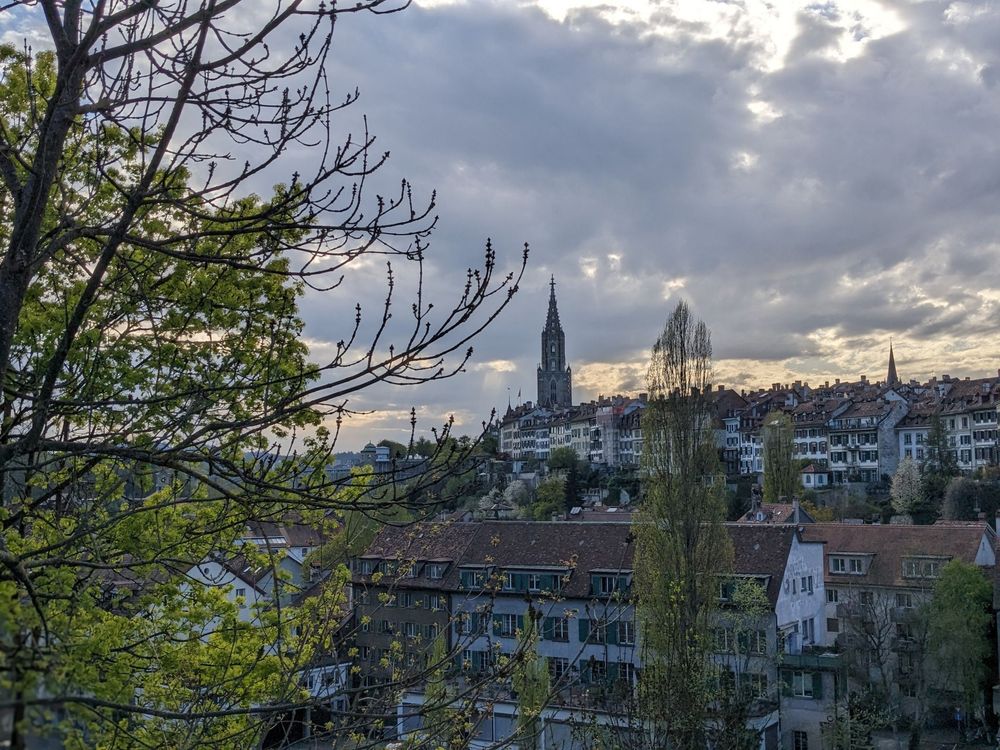
Bern has become one of our favorite destinations for weekend day trips. The fact that it's only an hour from Basel, with plenty of connections throughout the weekend, makes it incredibly easy to just hop on the next available train without much planning at all.

Our usual routine is to get off at the central train station and walk straight to the BärenPark, passing by several iconic Bernese landmarks like the Zytglogge and the Einsteinhaus, and crossing the Nydeggbrücke bridge over the Aare River. The walk always ends at the Gelateria Eiswerkstatt, tucked inside the old tram depot, where we treat ourselves to some ice cream.

It was right there at the BärenPark where I took the photo you see above—on a day when the weather was perfect and the light couldn’t have been better for capturing the moment.

Life expectancy in Europe 2022


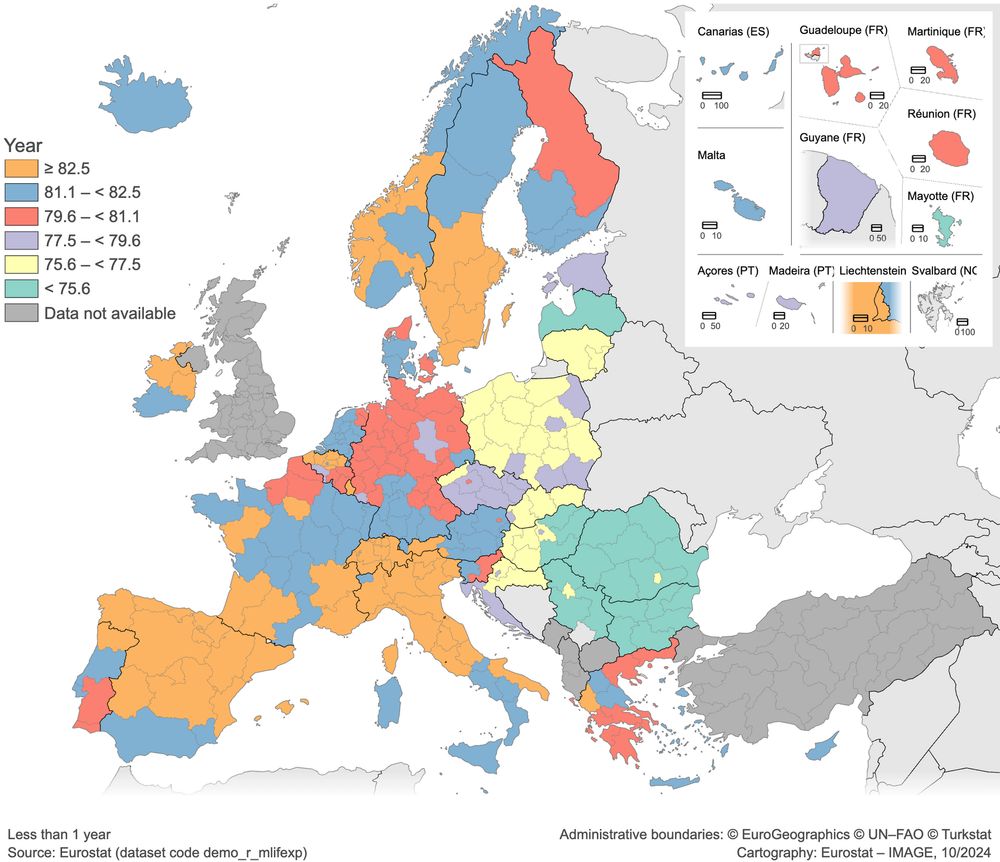
Europe's Eurostat (European Statistical Office) offers a really useful tool called IMAGE, which allows users to create professional thematic maps using NUTS (Nomenclature of Territorial Units for Statistics) boundaries and statistical regions. The tool is user-friendly and offers a wide range of customization options, including color schemes, data classification methods, and labels.

Using this tool, I created the image above, highlighting stark contrasts in life expectancy across European regions. Switzerland and Spain lead with impressive numbers, with some Spanish regions reaching a life expectancy of up to 85.2 years. Swiss citizens also enjoy longevity, with most regions reporting life expectancies between 83 and 84.6 years. In contrast, Bulgaria presents a different picture, with life expectancy as low as 72.3 years in some regions – revealing a gap of nearly 13 years compared to the highest in Europe.

Even within countries, significant variations exist. Take Belgium, where life expectancy ranges from 79.2 to 83.2 years across different regions. Germany shows similar regional disparities. The map also highlights the relatively low life expectancy in Eastern Europe, with most regions in Romania, Bulgaria, and Hungary reporting figures below 75 years.

A Day Trip to Tabarca Island


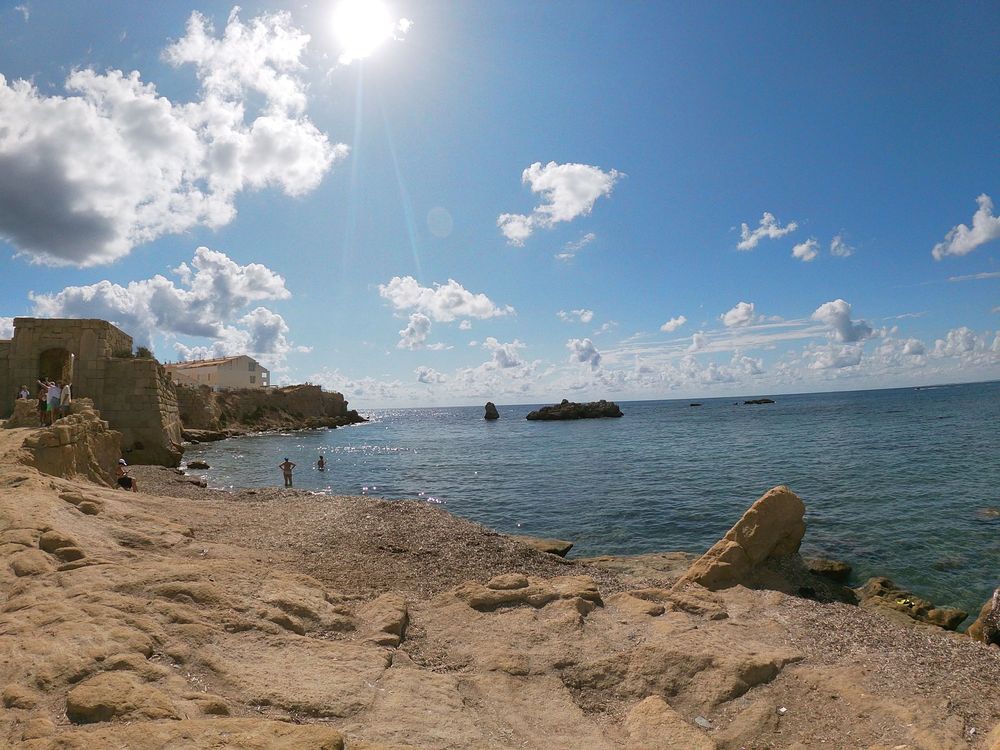
As I mentioned in my last post, a couple of weeks ago I had the opportunity to visit the Valencian city of Alicante. One of the most interesting experiences during this trip was spending a day on Tabarca Island, located just an hour's ferry ride from Alicante (the journey can take only 20 minutes from the town of Santa Pola).

The island is tiny but incredibly beautiful. It has been declared a marine reserve due to its diverse aquatic life and is surrounded by stunning, crystal-clear blue waters. One of the activities I enjoyed during this visit was walking from the port through the small town to the end of the main street, which leads to "Porta de la Trancada" (Trancada Gate).

There, I stored my clothes, put on my goggles, and easily spent an hour exploring the various fish species that can be observed, as well as swimming to the "Ilot de la Cantera" (Quarry Islet) where, at that moment, there was absolutely no one else around. I have a beautiful memory of being in this amazing place, enveloped by total peace.

Later in the day, I wandered through the town, crisscrossing its narrow streets until I stumbled upon a truly authentic restaurant. There, I enjoyed the 'Menu del Día,' which included a fresh salad, crispy fried sardines and shrimp, followed by an authentic Valencian paella. The meal was so satisfying; it kept me full for the rest of the day!

Frankly, I'm very eager to return there someday.

Castle of Santa Bárbara in Alicante


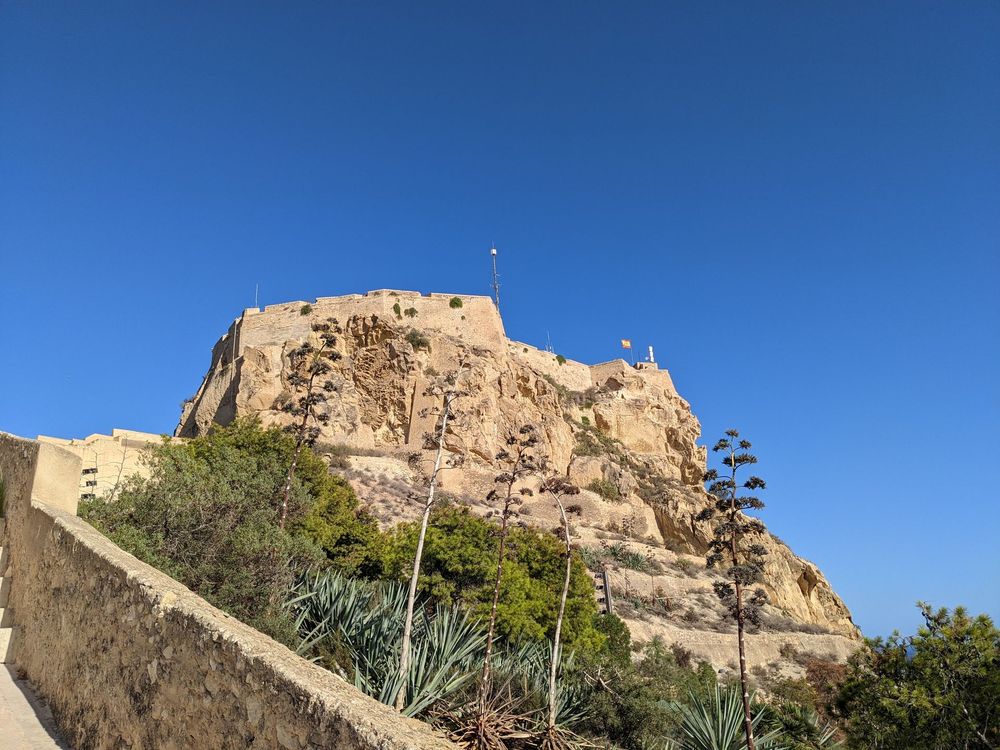
The Castle of Santa Bárbara in Alicante is a historic fortress located on Mount Benacantil, a hill overlooking the city and the Mediterranean Sea. Today, it is one of Alicante’s most prominent landmarks and a popular tourist destination.

A couple of days ago, I had the opportunity to visit this interesting place. There are different ways to reach the castle, including taking an elevator, but I decided to walk all the way up. I passed through the beautiful ancient neighborhood of Santa Cruz, with its picturesque houses, then crossed the Parc de l'Ereta, and finally reached the castle. This huge complex is quite fascinating, offering plenty of information about its origins, significance, and successive renovations, destruction, and restoration. I spent a couple of hours exploring the castle, and it was totally worth it.

Castle in lovely Lublin


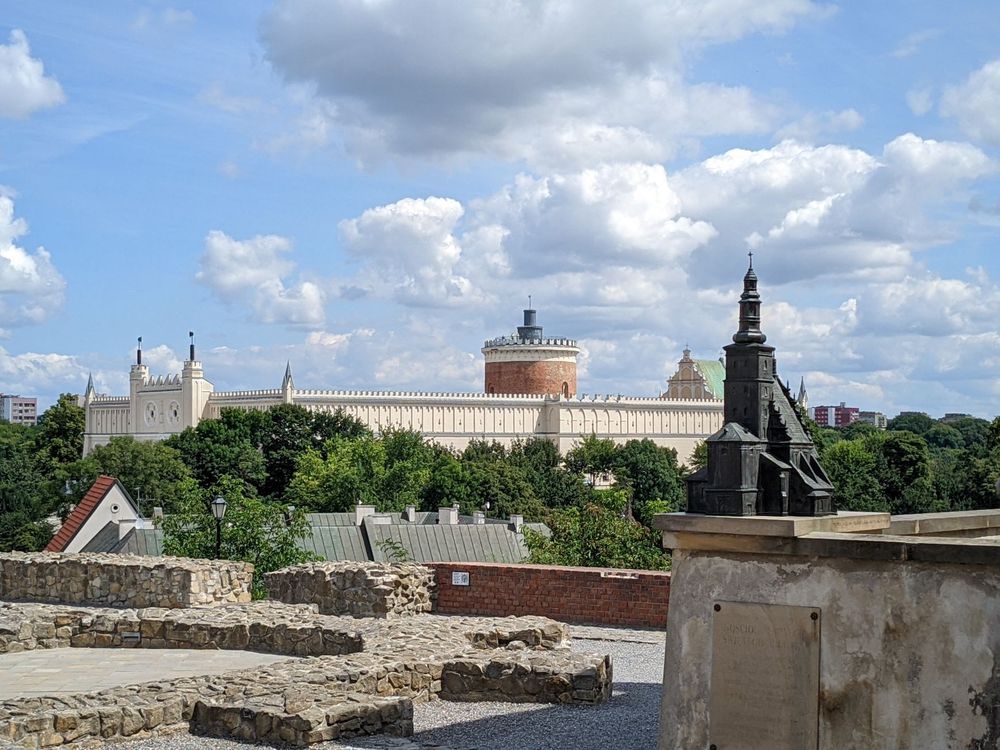
I have been fortunate enough to visit the Republic of Poland on several occasions, allowing me to explore fascinating cities such as Gdańsk, Warsaw, Poznań, and Kraków. On this particular trip, however, I had the opportunity to discover a new destination: Lublin, a city that is clearly underrated and boasts some truly remarkable sights.

One of the most impressive features is the beautiful castle perched atop a high hill, which can be clearly seen from the ruins at Plac Po Farze. This square, whose name translates to 'Former Parish Square,' contains the remnants of the old parish church. Although the church no longer stands in its entirety, the site provides a perfect vantage point to admire the panoramic view of the city and the castle. Reaching the hill where the castle sits is relatively easy, and we were rewarded with a stunning view of the inner courtyard. There, one can find comfortable seating areas where you can replenish your energy with a small snack and some refreshing water. En route, we paused beneath the iconic Grodzka Gate to get some amazing sorbets.

This castle holds great significance in Polish history, as it was here that the Union of Lublin treaty between the Kingdom of Poland and the Grand Duchy of Lithuania was signed in 1569. This momentous event led to the creation of the Polish-Lithuanian Commonwealth, one of the largest and most influential states in 16th-century Europe.

Lublin's rich history, combined with its architectural beauty and cultural importance, makes it a city well worth exploring. After experiencing its charm, I'm determined to return if possible to discover more of what this nice Polish city has to offer.

Christ the King Church in Świnoujście


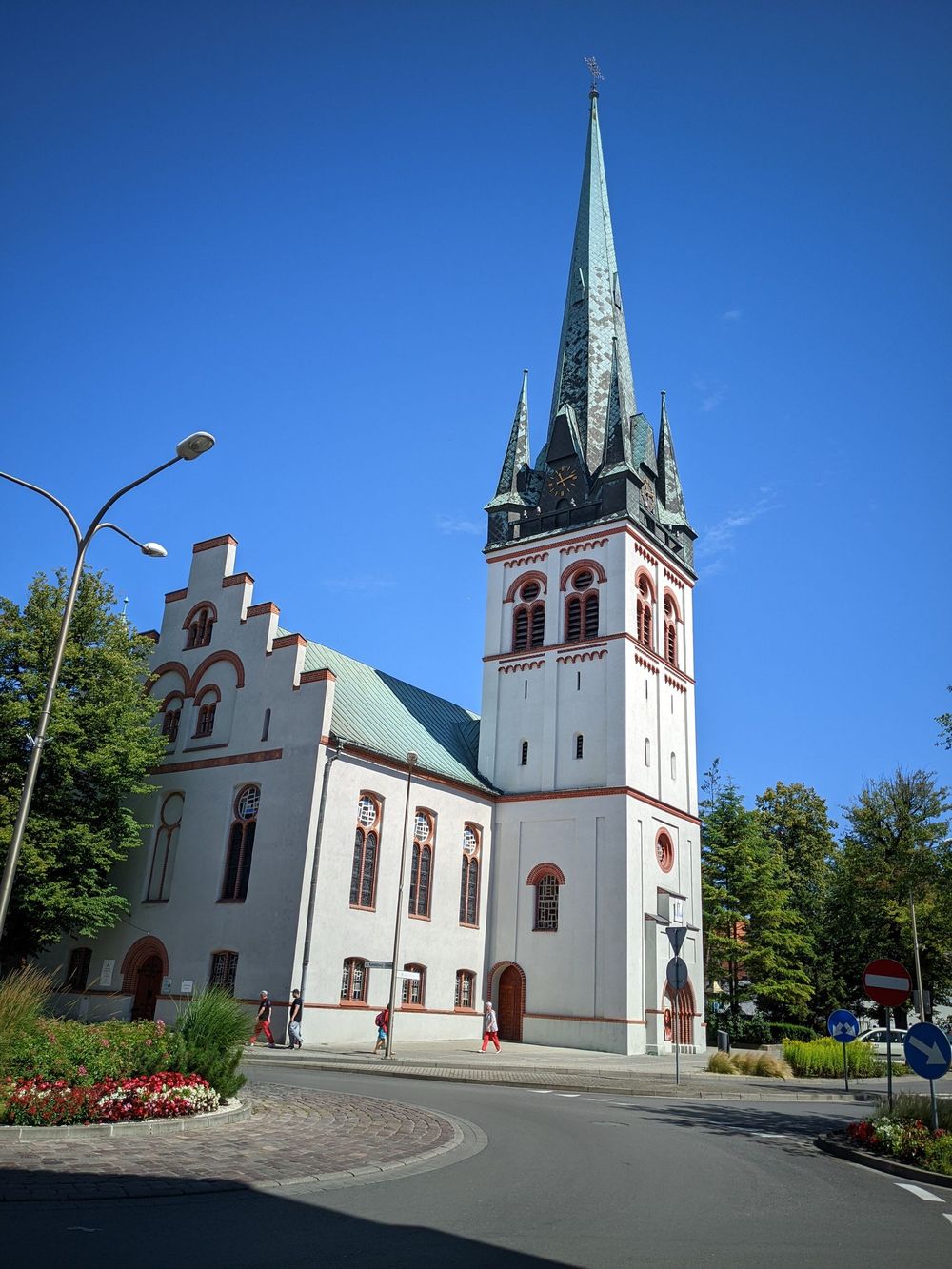
Last week we had the opportunity to spend a few days on Usedom Island, in the Polish city of Świnoujście. This is the third time I've visited this region, and this particular town has a fascinating history. It turns out that before World War II, Swinemünde, as it was known back then, was a popular seaside destination that attracted tourists from Germany and other parts of Europe. Its beautiful beaches and spa facilities made it an extremely attractive location.

However, the charm of this resort town was brutally interrupted at the end of the war. Świnoujście became a military target and was virtually obliterated during an intense bombing campaign on March 12, 1945. Among the few structures that survived this terrible event was the Christus König (Christ the King) church. Although damaged by the bombings, it was immediately repaired after the war.

Today the city is still a popular tourist destination in Poland, but the place looks very different from it did back then. During our visit, I had the opportunity to photograph this iconic church. It remains one of the remnants of what the city once was.

Back again in Berlin


A few days ago, I once again had the pleasure of visiting Berlin, a city that holds a special place in my heart, as I've mentioned a couple of times on this blog. This particular trip was made even more memorable by reuniting with some former Spanish colleagues from my Google days in Dublin. Together, we spent a few days exploring this very interesting German capital, solidifying why Berlin remains one of my favorite European cities. Though I'm happy with my current life, a part of me will always miss this fascinating place.

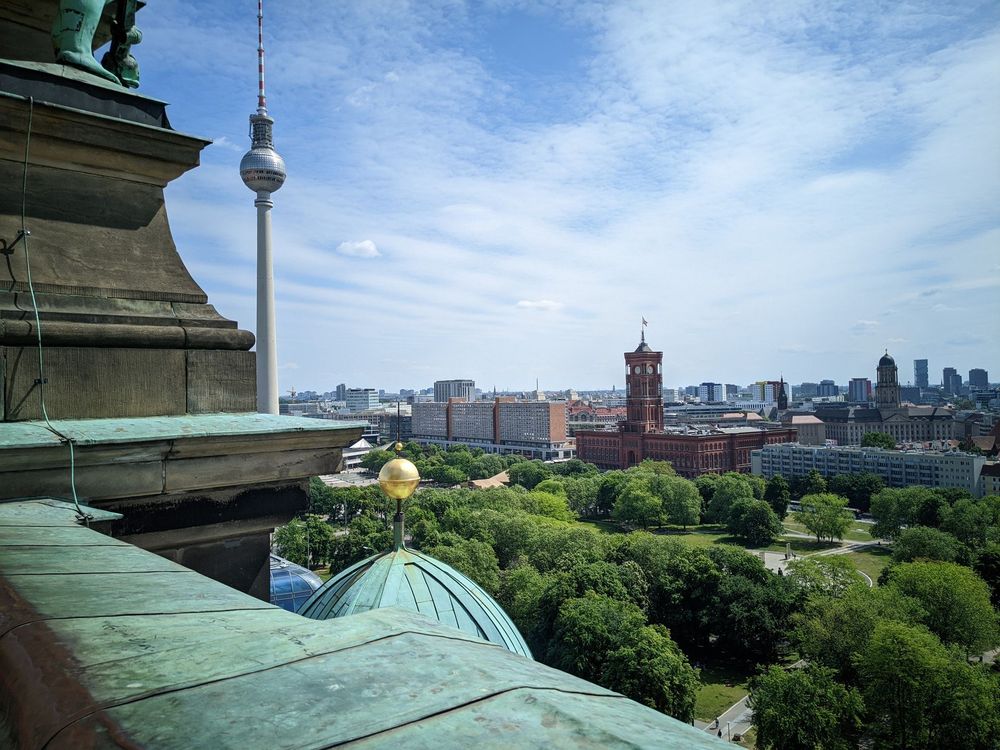
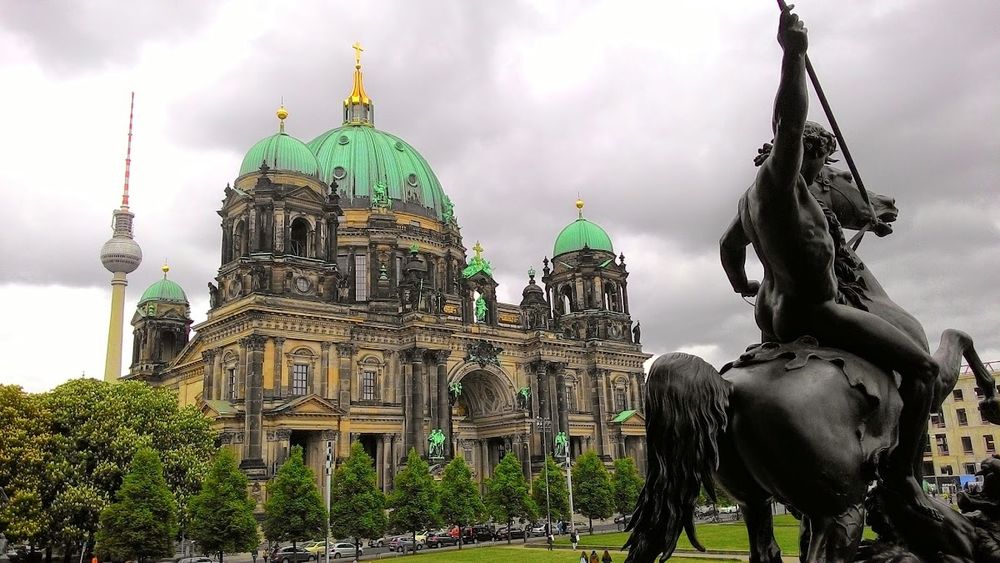
One of the highlights of my trip, besides having great conversations and reminiscing about old anecdotes, was finally doing a couple of activities I'd always wanted to experience but never had the chance to before. First on the list was climbing the stairs to the top of the Berliner Dom. This morning's cardio workout rewarded us with some beautiful panoramic views of the city, which you can see in this picture: the TV tower and the Berliner Rathaus in the background, bathed in the sunny sky we were lucky to have.

Again, this city full of living history with endless exploration possibilities and such a diverse culture will always hold a special place in my heart. Auf Wiedersehen, Berlin!

Augusta Raurica


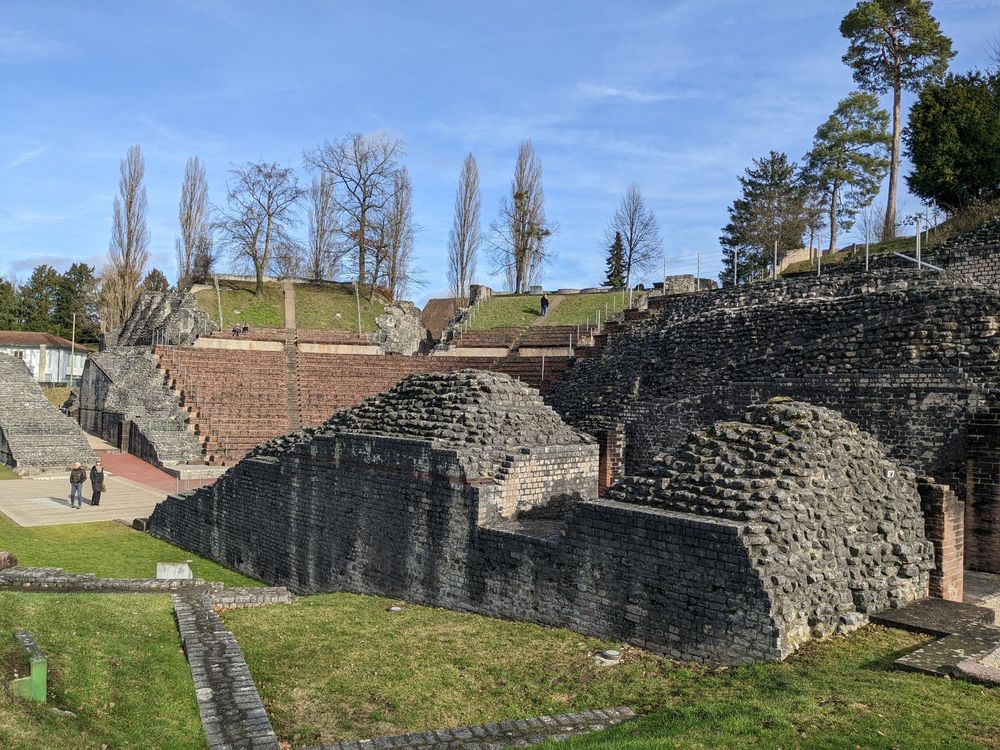
Augusta Raurica is an ancient Roman archaeological site located near the modern town of Kaiseraugst, Switzerland. It was once a thriving Roman settlement and served as the capital of the Roman province of Rhaetia. Augusta Raurica was founded in the 1st century BCE and reached its peak during the 1st and 2nd centuries CE.

The proximity to Basel, along with convenient transportation options, makes this place an excellent destination for a day-trip excursion, especially when the weather is nice. Last weekend we visited this place again and enjoyed a walk around the site. It's interesting because it contains a number of well-preserved ruins, including the theater, the temple, and the forum. It's recommended if you are visiting Basel.

EU Average rating of satisfaction


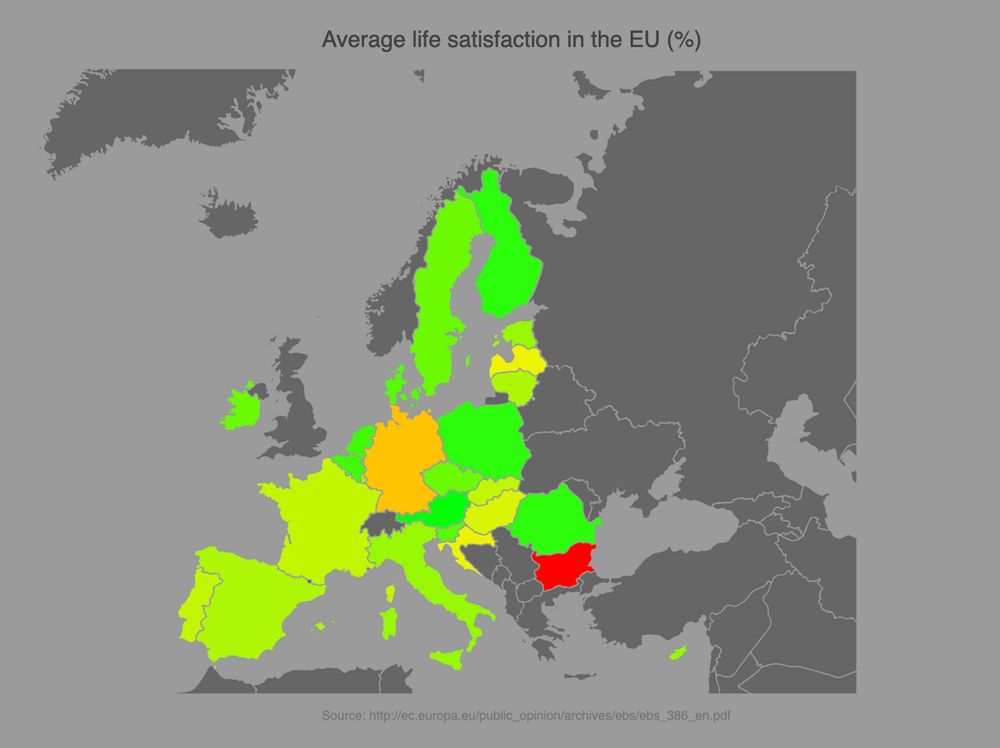
Eurostat, the statistical office of the European Union, regularly publishes data on various social and economic indicators, including satisfaction surveys. According to one of their latest publications, in 2022, the average overall life satisfaction rating in the European Union (EU) was 7.1 out of 10. Across the 27 EU countries, 18 had ratings above or equal to the EU average. Austria had the highest rating at 7.9, followed by Finland, Poland, and Romania, each at 7.7.

It's puzzling how Germany, the economic powerhouse of Europe, has a lower life satisfaction (6.5) rating than the EU average. The article does not explain why this is the case.

Digital Skills in Europe


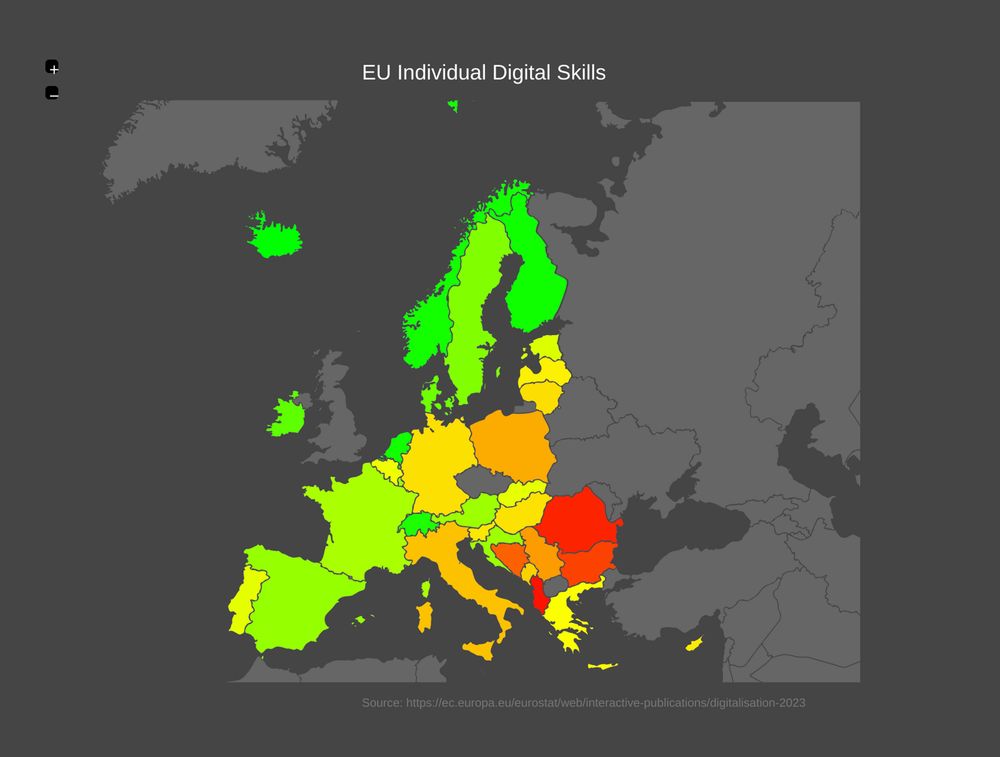
The Eurostats website published an interesting article that emphasizes the increasing importance of digital skills in response to technological advancements. It discusses how the EU aims for at least 80% of adults to have the minimum basic digital skills by 2030.

It also describes how even if around 90% of EU citizens are using the internet weekly, only 54% on average had basic or above basic digital skills in 2021. Finland and the Netherlands led with 79%, followed by Ireland (70%) and Denmark (69%), highlighting disparities in digital proficiency across EU countries.

As more and more of our traditional activities move even further online, investing in digital skills education from an early age would seem to be a wise decision. I hope the EU governments will prioritise it.

Rosy dawn at the Mitterebrücke


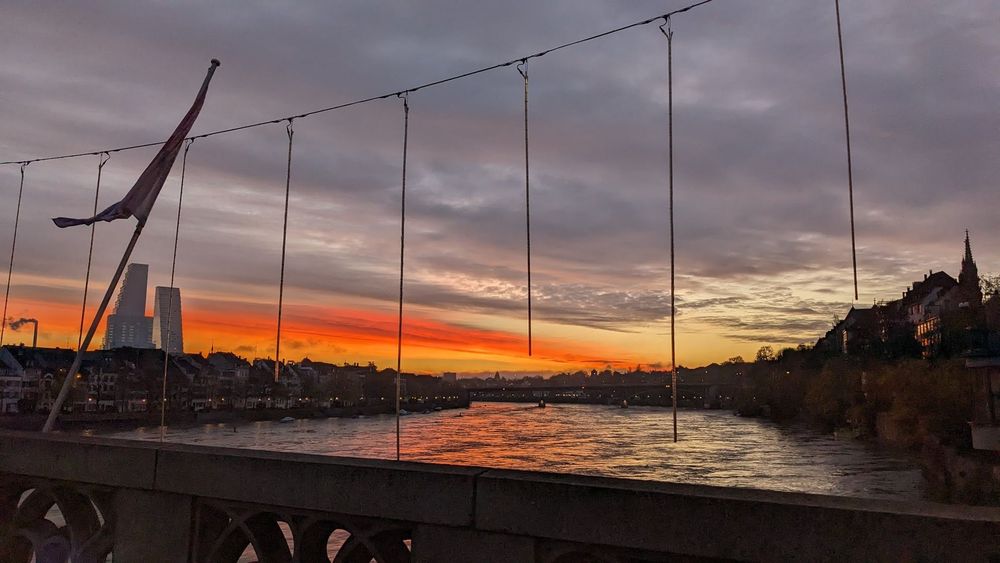
Last Saturday, I started the day very early since I had to catch a train to Freiburg. As I was cycling towards Badischer Banhoff station and approaching the Mitterebrücke bridge over the Rhine River, I noticed that the sky was really beautiful with its pink, multicolored hues. I had to stop suddenly to capture the photo you see above. When I was about to take out my phone, I turned to the right, and there was another cyclist who had done exactly the same thing. With a smile, she said, "We have to take a photo of this, right?" and smiling back, I said, "Yes, indeed, it's a must!"

Inflation in the EU Zone


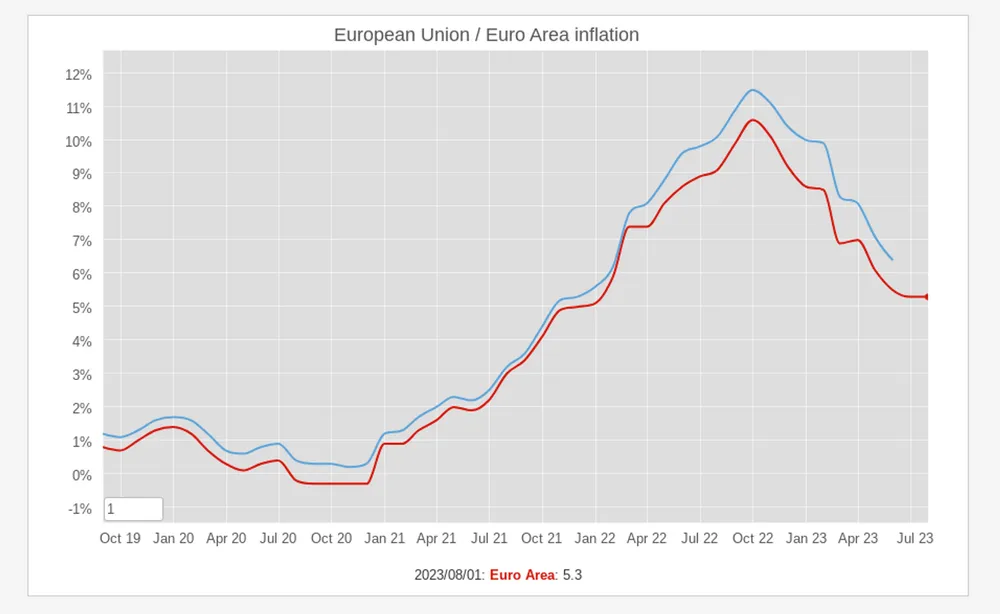
On the Eurostat website, inflation data for the Eurozone and the European Union reveals a decrease when compared to the peak observed nearly one year ago. Nevertheless, as reported by Euronews, the European Commission has revised its economic projections downward, citing that continuously high prices for goods and services are exerting a more substantial adverse influence than originally foreseen.

In 2023 and 2024, it is anticipated that inflation within the nations utilizing the common currency will climb to 5.6% and 2.9%, respectively. However, these figures still fall significantly short of the European Central Bank's (ECB) annual target of 2%, which it aims to attain through interest rate increases.

Ukranian Refugees in Europe in 2023


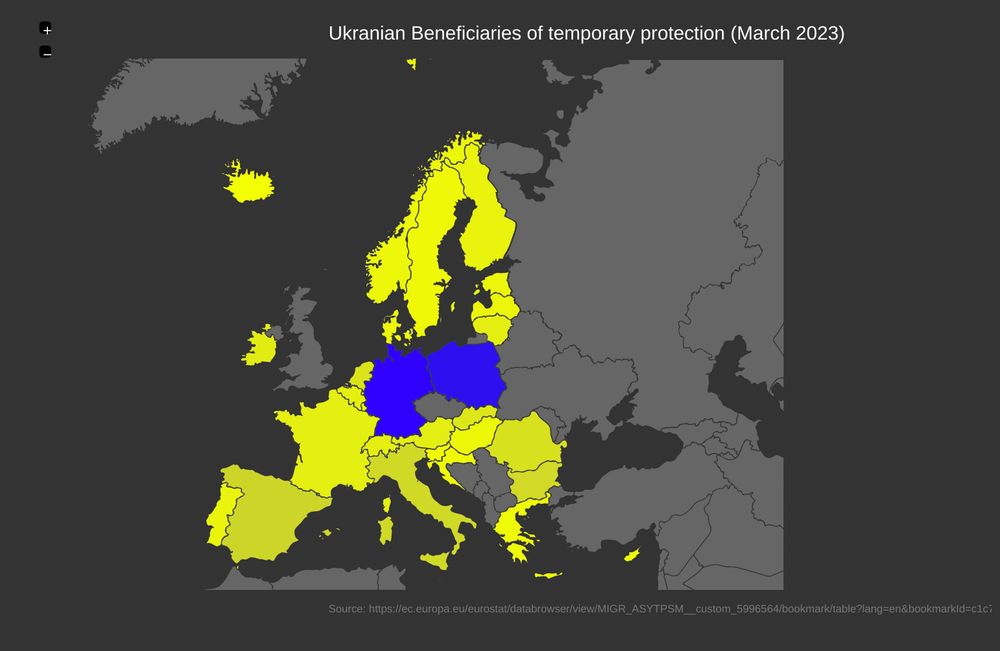
Since the 2022 Russian invasion of Ukraine, the refugee crisis generated by this war has been a major humanitarian challenge. Eurostat tracks data on people granted temporary protection across the Union. The latest data published by the agency shows that Germany has taken in more Ukrainian refugees than any other European Union country except Poland.

As of March 2023, there are over 1 million Ukrainian refugees in Germany. The majority of refugees are women and children, as Ukrainian men are banned from leaving the country based on the mobilization law in place.

Compared to the population of each EU member, the highest numbers of total registered refugees per thousand people in March 2023 were observed in Czechia (30.9%), Estonia (27.8%), Poland (25.9%), Lithuania (24.2%) and Bulgaria (22.5%).

You can find more information about this data on the Eurostat website.

Inflation in Europe 2021 - 2023


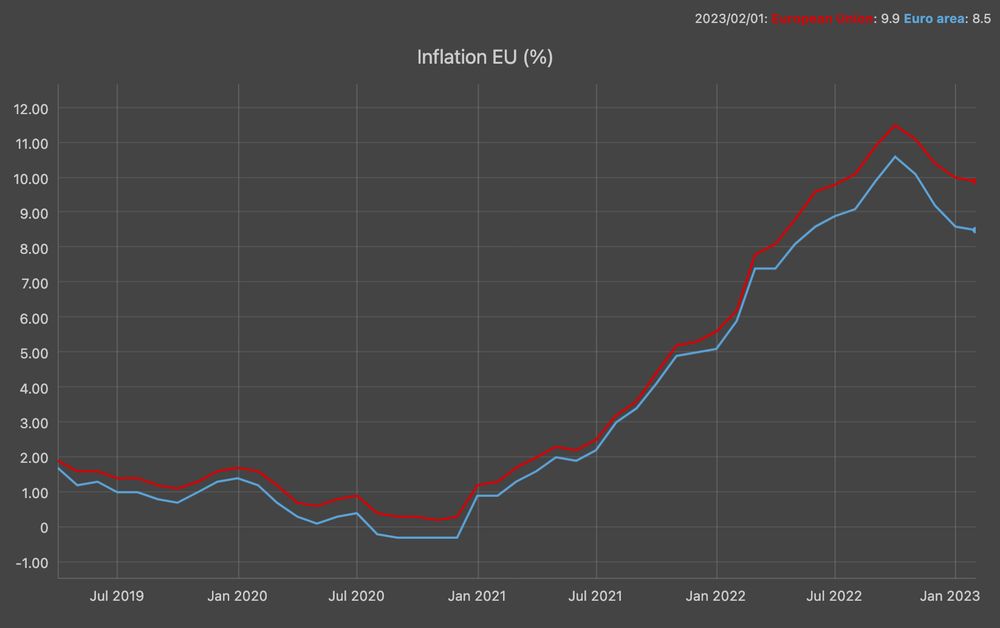
The inflation in Europe has been on the rise since the start of 2021, driven by a number of factors, including the COVID-19 pandemic, the war in Ukraine, and supply chain disruptions. In October 2022, inflation in the Eurozone reached an all-time high of 10.6%. It has since declined slightly, but it is still well above the European Central Bank's target of 2%.

The chart above, generated with data provided by Eurostat, shows this trend, including the October peak and the downwards trend.

Heatwave in Europe


I recently had the pleasure of visiting Cubelles, a beautiful Catalan coastal town near Barcelona. I hit the jackpot when I found an apartment right on the beach! Spending my time there was pure bliss; almost every day was spent soaking up the sea and refreshing myself with waves.

But every time I watch the news, I realize that I was lucky to spend my days there during the heat wave that is hitting Europe. There are roaring fires in many places in southern Europe, and, on the other hand, places where the summer is not particularly strong, like the UK, are experiencing record temperatures.

No comments. The climate change problem is already here :/

Back in Berlin


A few days ago I had the opportunity to visit Berlin again and I spent some very pleasant days in the company of my dear friend C. In those days I remembered why the German capital is one of my favorite cities in Europe, and although I am satisfied with my life at the moment, I will always miss that very interesting place!

One of the things I was always curious about before leaving Berlin was what had happened with the famous Humboldt Forum. I remember the first time I visited that space in 2015: at that time it was a temporary construction, created by the Humboldt foundation, that served as an exhibition space and viewing platform for the Berlin Palace - Humboldt Forum reconstruction project.

Well 7 years later, this project is finished and the palace is back to its former glory (at least the exterior facade) and it has some interesting exhibitions inside. Above you can find a picture of how it looks nowadays. Bis (hoffentlich) bald, Berlin

Slava Ukraini


Slava Ukraini

Freiburg from the top of Schlossbergbahn


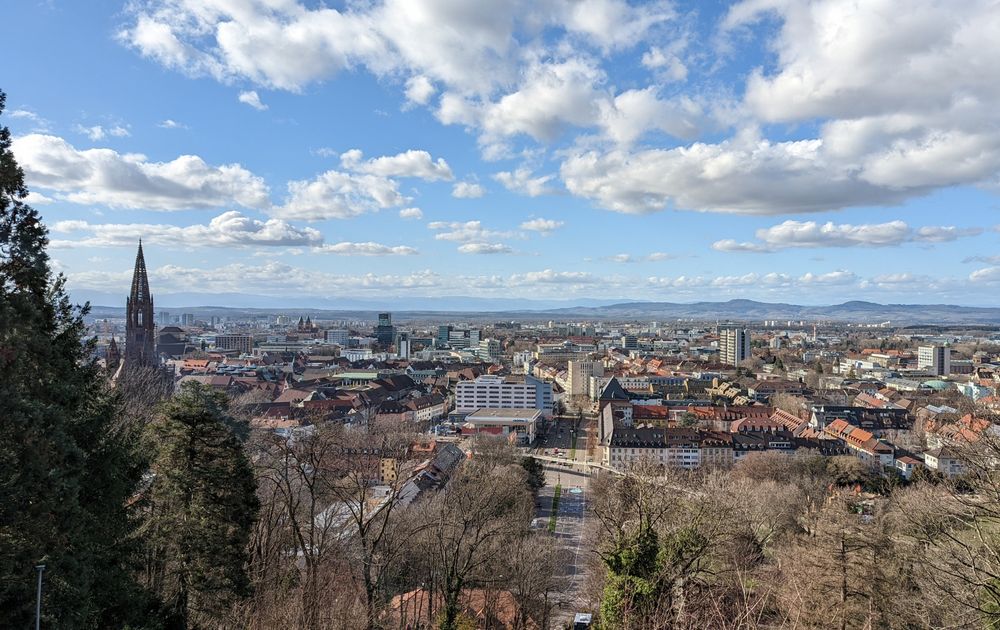
View of the Freiburg im Breisgau city center, including the cathedral from the top of the Schlossbergbahn last weekend.

Ukrainian flag in the Basler Rathaus


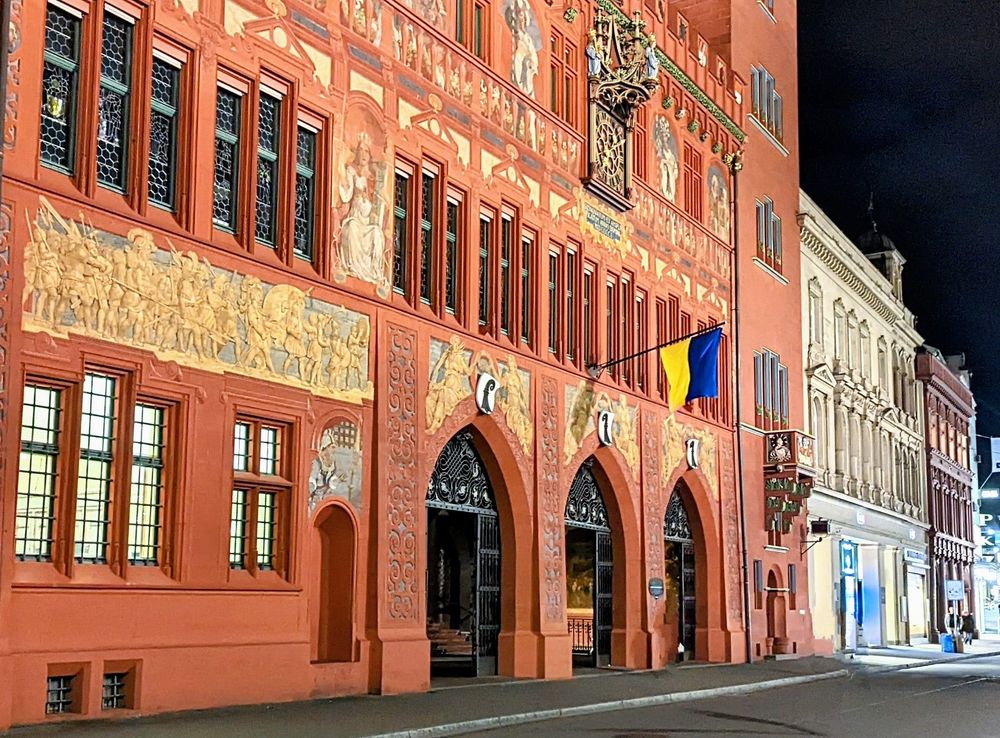
Last night, when I passed near the Rathaus in Basel, I found that a Ukrainian flag had been placed on the flagpole of this emblematic landmark. There was also a group of young people gathered in the square with peace signs and notices imploring an end to the unprovoked invasion of this European country. Sending my love and best wishes to all my Ukrainian friends.

Russia invades ukraine


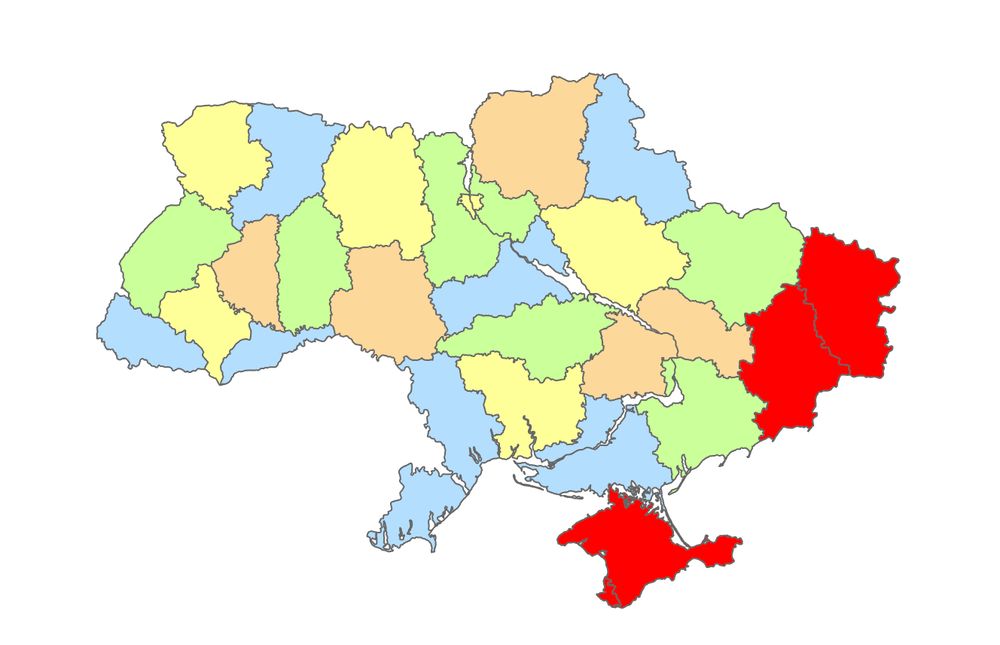
An invasion is defined as 'an instance of invading a country or region with an armed force.' Ukraine has been an independent country since the signing of the Belovezh Accords in 1991, which dissolved the Soviet Union. The news that the Russian president has recognised the independence of two Russian-controlled territories in east Ukraine—territories that call themselves the Donetsk and Luhansk People's Republics—and the subsequent incursion of his military forces into this region of Ukraine, fits the definition of an invasion.

Diplomacy is always the preferred option to avoid a military conflict, but I feel bad for my Ukrainian friends because it seems that the conflict is already there :/, and the world should act accordingly.

European countries starting to relax covid rules


Last Friday I learned that the day before the federal council of Switzerland had reached an agreement to relax the COVID measures, so that the use of masks is limited to public transport and health institutions only. This morning I was reading that also in other European countries, these measures are being adopted in other countries like the UK, Norway, France, Germany, and Austria.

It is true that vaccination rates have reached important levels in most of these countries, that COVID cases have decreased significantly, and that fortunately Omicron-related cases have been milder than previous variants, but in any case it feels a bit surreal to enter stores and restaurants without having to wear that mask that has been part of the essential accessories during these long months of the pandemic.

Fingers crossed that the situation continues to evolve so positively!

Beautiful sunset in Ouchy


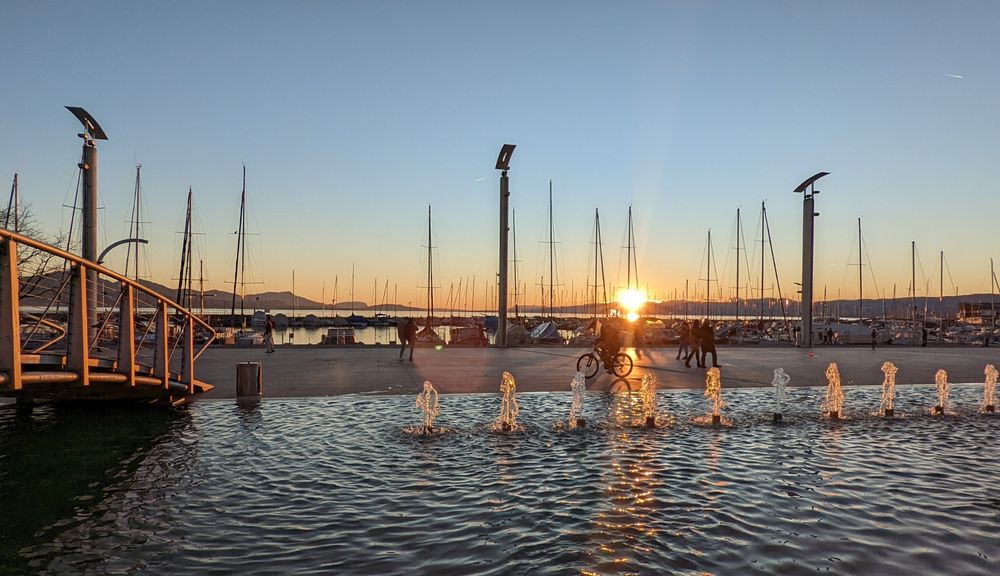
Sometimes you are lucky enough to be in the right place at the right time to capture an interesting photo. This is what happened last weekend in Ouchy, Lausanne: We were relaxing by the fountain in the main square and as the sun was setting, illuminating the bridge and the water, people were passing by, including this cyclist who was captured in the image.

Markplatz last weekend


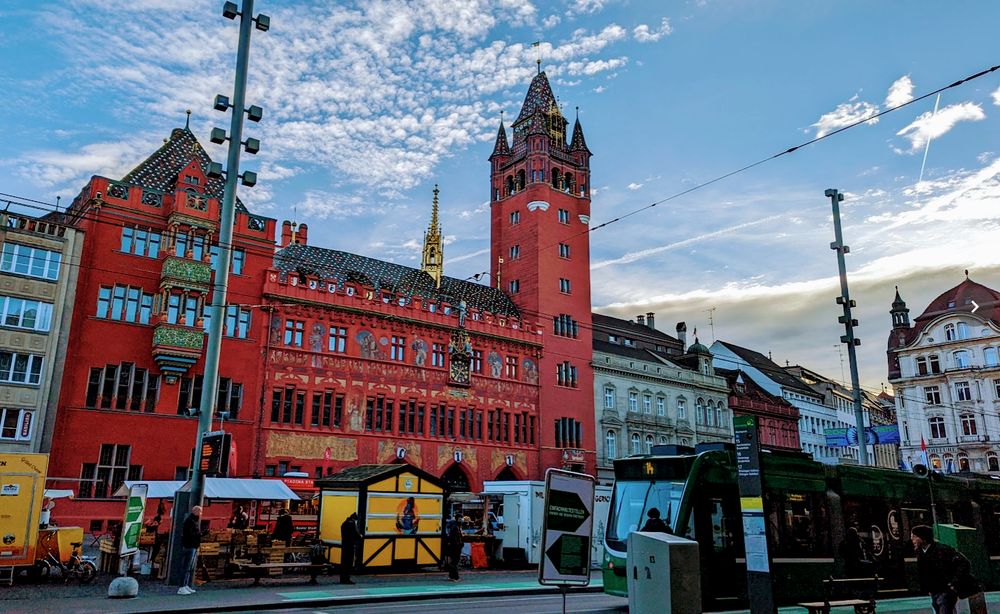
Last weekend when I was walking home after getting a PCR test (which is part of the routine in this pandemic era), I passed by Markplatz where I have walked thousands of times, but from the angle where I was, looking at the clear sky, with the Rathaus in the background, I said to myself: Wow, it really looks beautiful!

Covid-19 vaccination uptake in Europe


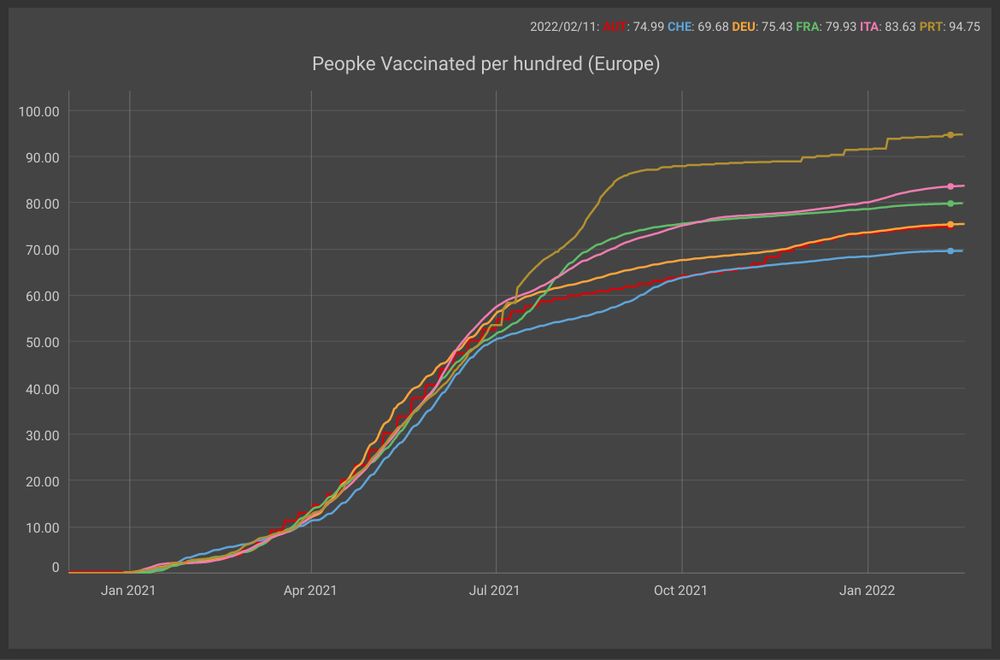
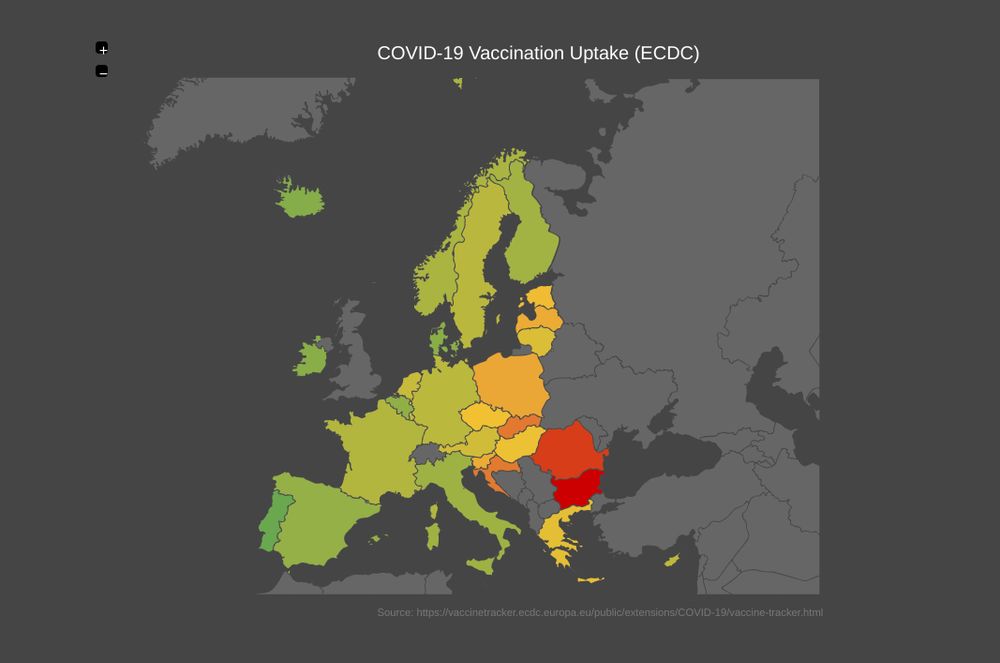
Yesterday I met a couple of colleagues from the university here in Basel and we discussed various topics. One of my colleagues is an epidemiologist and the topic of increasing hospitalization rates due to covid-19 was part of our conversations. One of the causes of this phenomenon is that vaccination rates in Europe are still low. According to the ECDC, the cumulative complete vaccination rate in Europe is 64.9%, with Portugal being the country with the highest rate (81.3%).

Countries like Germany and the Netherlands, which are breaking daily records with the number of cases, have relatively low vaccination rates (67.1% and 64.8% respectively). We cannot let our guard down and more work must be done to prevent the continent from becoming again the epicentre of this never-ending pandemic.

Life expectancy in Europe


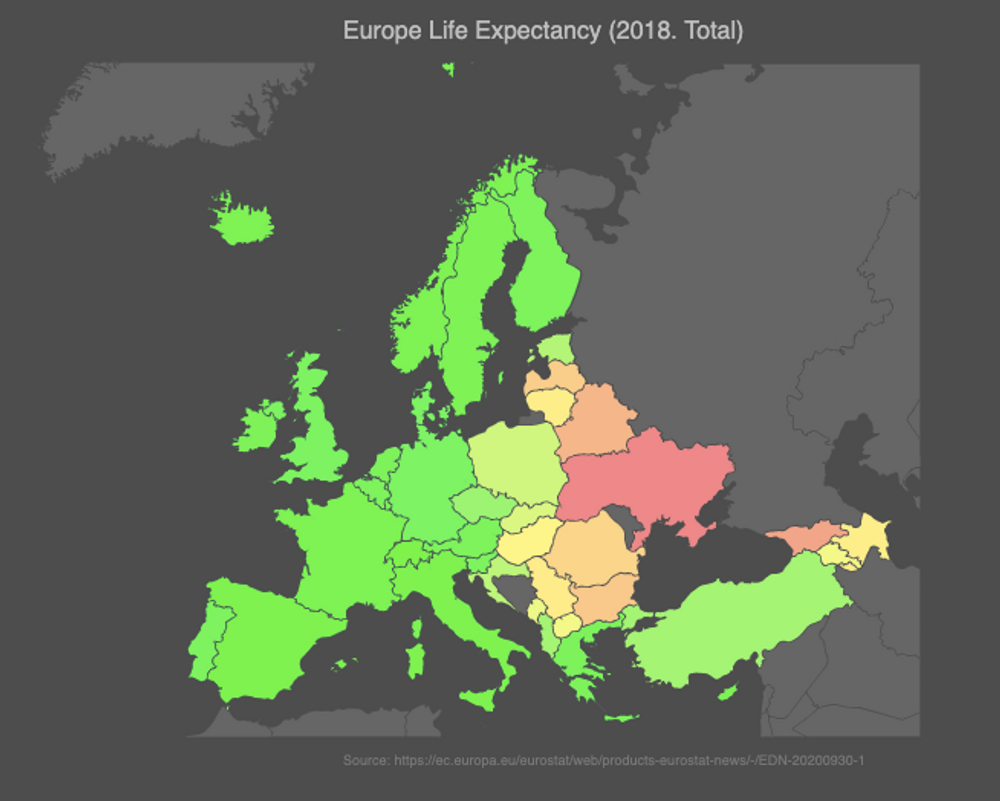
A friend of mine who works at the European Union shared an interesting article about the Life Expectancy in the different EU regions.

The last data available from 2018 shows that Switzerland (83.8), Spain (83.5), and Italy (83.4) had the highest life expectancy, as you can see on the map above.

COVID-19: Cases increasing across Europe


According to the EDCD website, in many countries across the EU/EEA and the UK, an increase of COVID-19 cases is being observed following the lifting of lockdowns and the relaxation of preventive measures such as physical distancing.

This new "wave" has been reported regarding countries such as Spain and France where the timeseries graph of confirmed cases shows a clear sigmoid curve. I personally understand the "COVID-19 Fatigue", but the virus is still there, and it's not possible to forget about it.

GDP and COVID-19 in Europe


A couple of days ago Eurostat released a preliminary report of the GDP growth rate in the EU and Euro zones. It's not surprising, but the COVID-19 situation and the required mitigation measures have taken a toll on the economy in Europe. The report discussed how "Seasonally adjusted GDP decreased by 12.1% in the euro area and by 11.9% in the EU, compared with the previous quarter,". The graph above shows this dramatic trend.

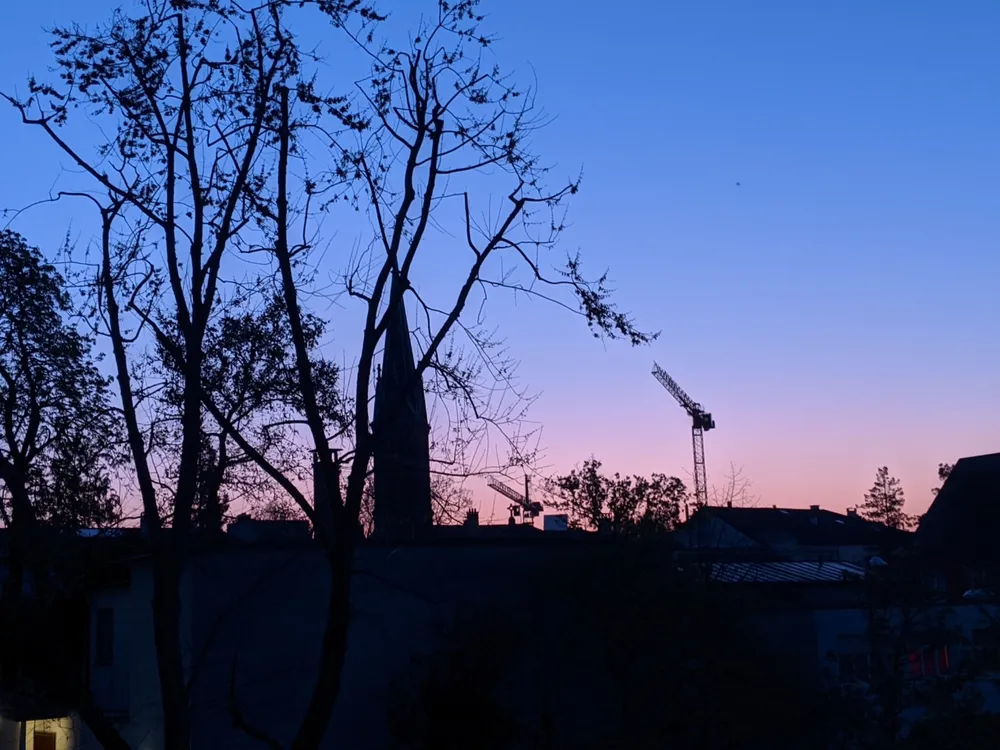
Peaceful sunrise


I have been waking up quite early these days. A couple of days ago I was lucky to get this beautiful and peaceful sunrise.

COVID-19 Cases in Europe


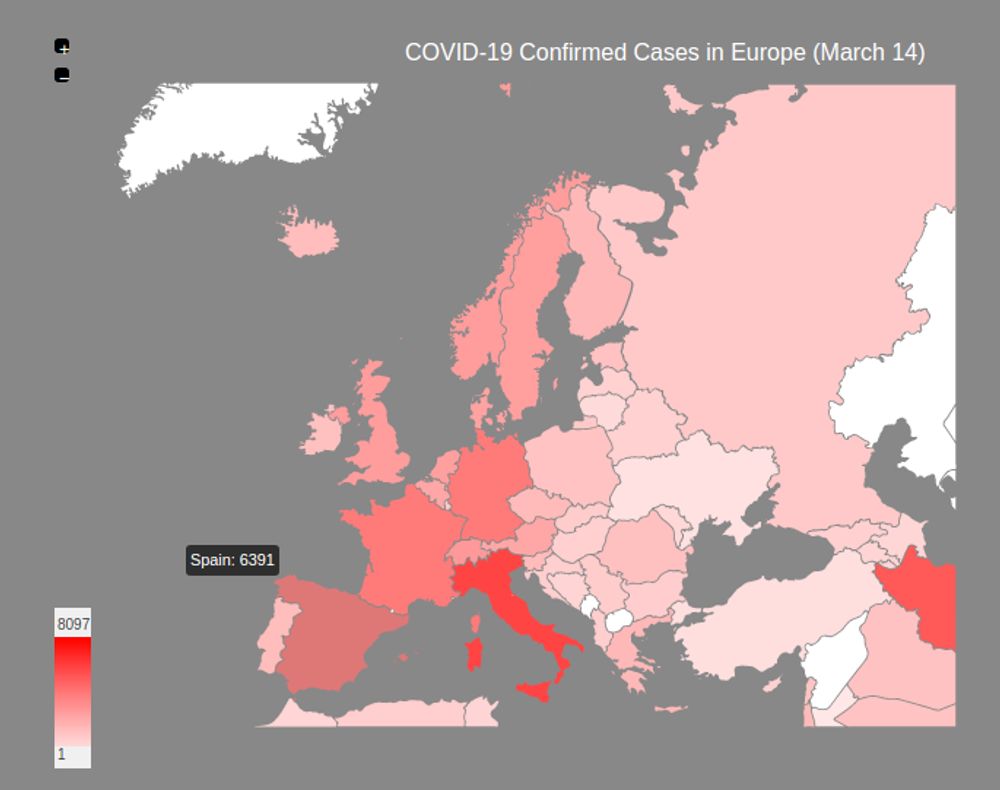
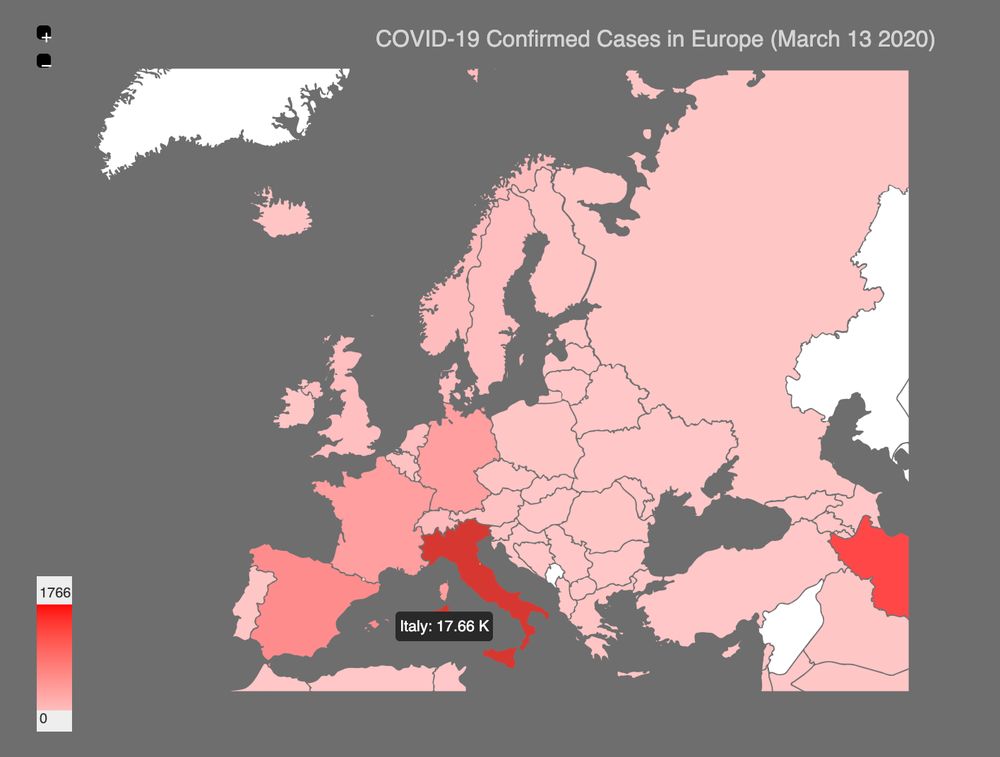
According to the WHO, Europe has become the new epicenter of the COVID-19 pandemic as the deadly coronavirus runs through Italy and nearby countries including Germany, Switzerland, and France. It's the same situation in Spain where the total number of cases increased dramatically during the last 2 days, leading the government to put in place drastic measures to slow down the transmission of the virus.

Unemployment rate in the European countries affected by the 2008 crisis


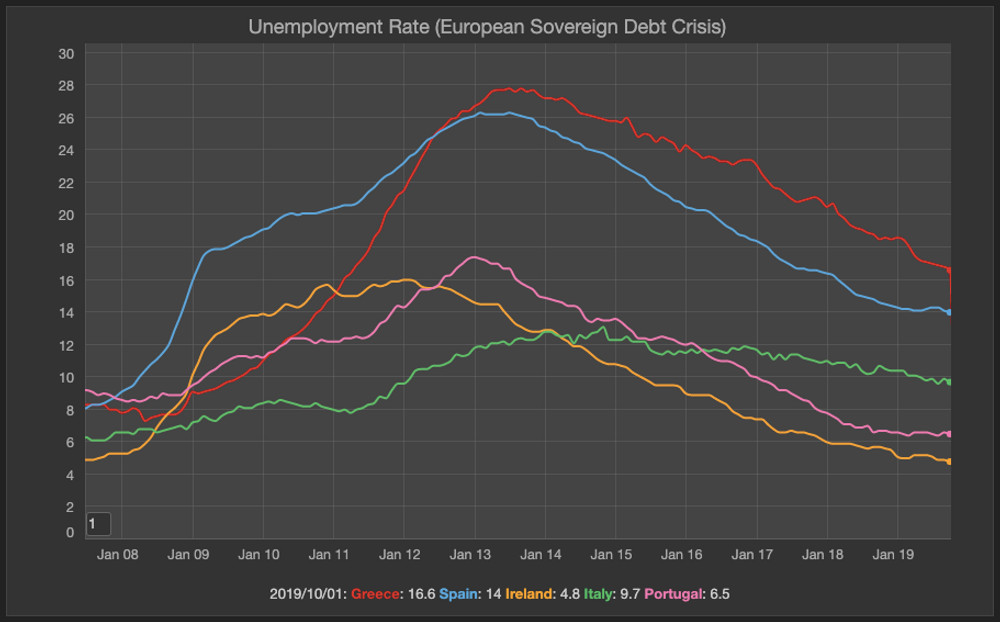
The 2008 Crisis, with the collapse of Iceland’s banking system, spread primarily to Portugal, Italy, Ireland, Greece, and Spain in 2009. 10 years later, most of these countries have bounced back, but unemployment is still high in countries like Greece and Spain, compared to levels before the crisis started.

Windmill in Świnoujście


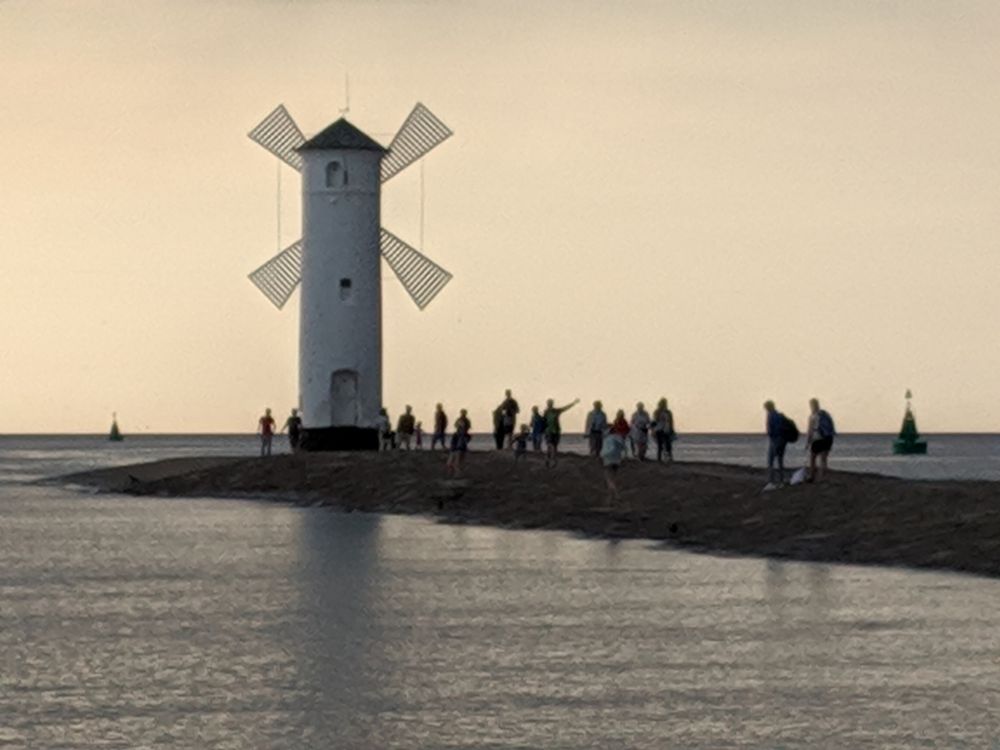
A couple of days ago we were visiting the old windmill in Swinoujscie, and when we were heading back to the car, I looked and saw this amazing view of the mill silhouette and the people walking by, while feeling the fresh breeze of summer in our faces. Nice memory.

Employment rate in Europe


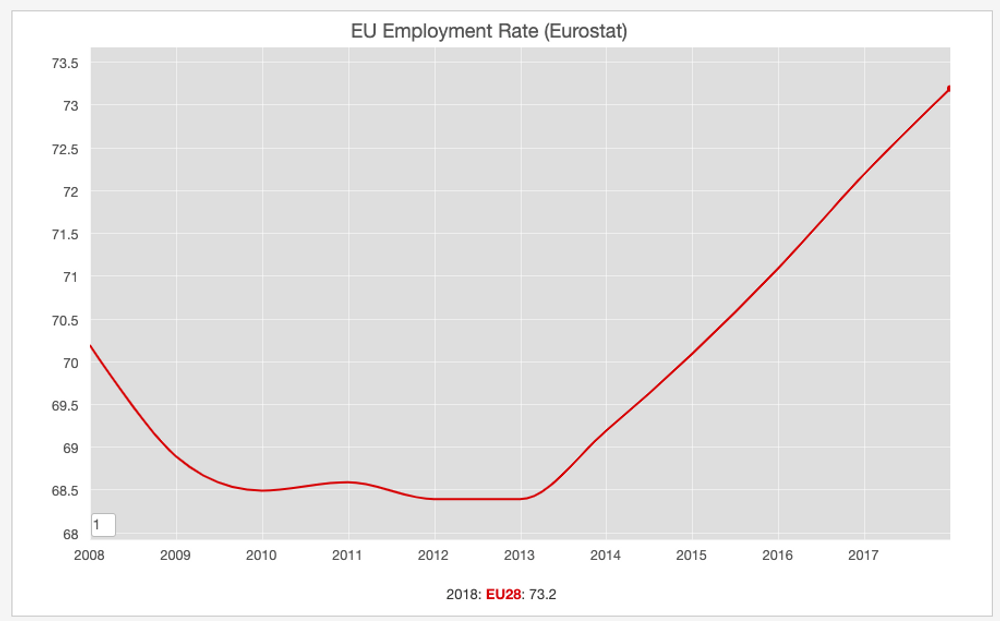
In 2018, the employment rate in the European Union was 73.2%, compared to 72.2% in 2017, as reported by Eurostat. Those results show a continuous growth in the region as can be observed in the chart above. Fortunately, the dip recorded after the financial crisis of 2008 is not present anymore.

Ireland Unemployment Rate


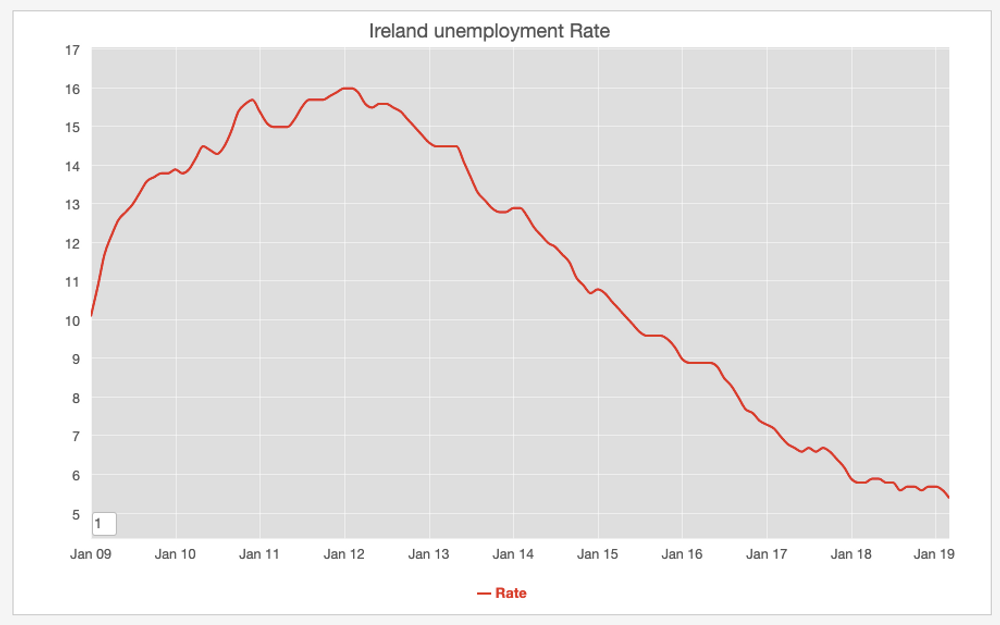
I have been tracking unemployment in Ireland using data from the Central Office of Statistics in Ireland's website cso.ie for some time, and the changes are remarkable compared to the peak of unemployment in 2012. Currently, the figure stands at 5.4% for the month of March 2019.

Countries with a large population of Irish Heritage


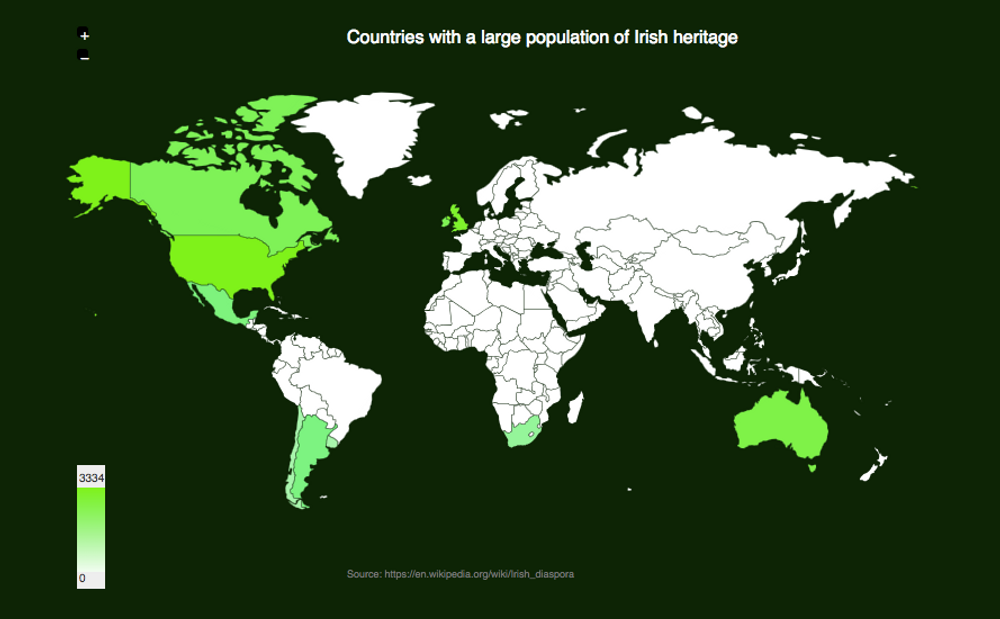
The map above shows the countries with a large population of people claiming Irish heritage, based on the map available in Wikipedia. Assuming the data is correct, the highest population of Irish descendants is located in the U.S. (~33 Million). There are also a considerable number of people with Irish ancestry in the UK, Australia, and Canada. To all of you... belated Happy St. Patrick's Day.

Brexit and GBP


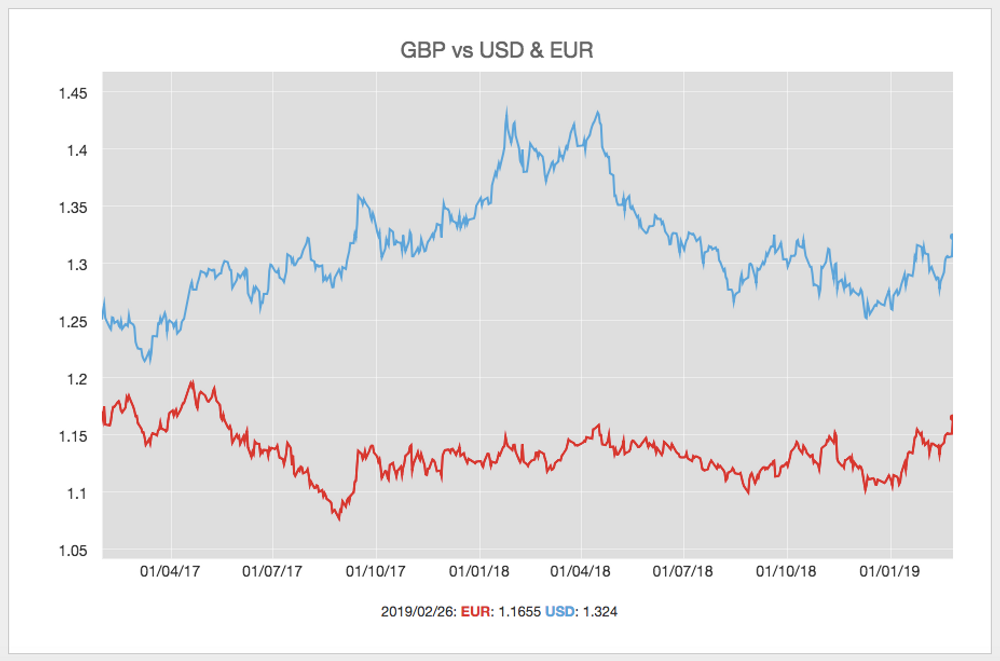
The official FX Data from the Bank of England site shows the changes related to the whole Brexit process. Yesterday it was reported that MPs have voted overwhelmingly to hold Theresa May to her commitment to give them a vote on delaying Brexit if her withdrawal agreement fails to win a majority within the next two weeks.. It's interesting how every time Brexit seems to be further away ... the better the British currency performs.

Alcohol consumption expenditure in Europe


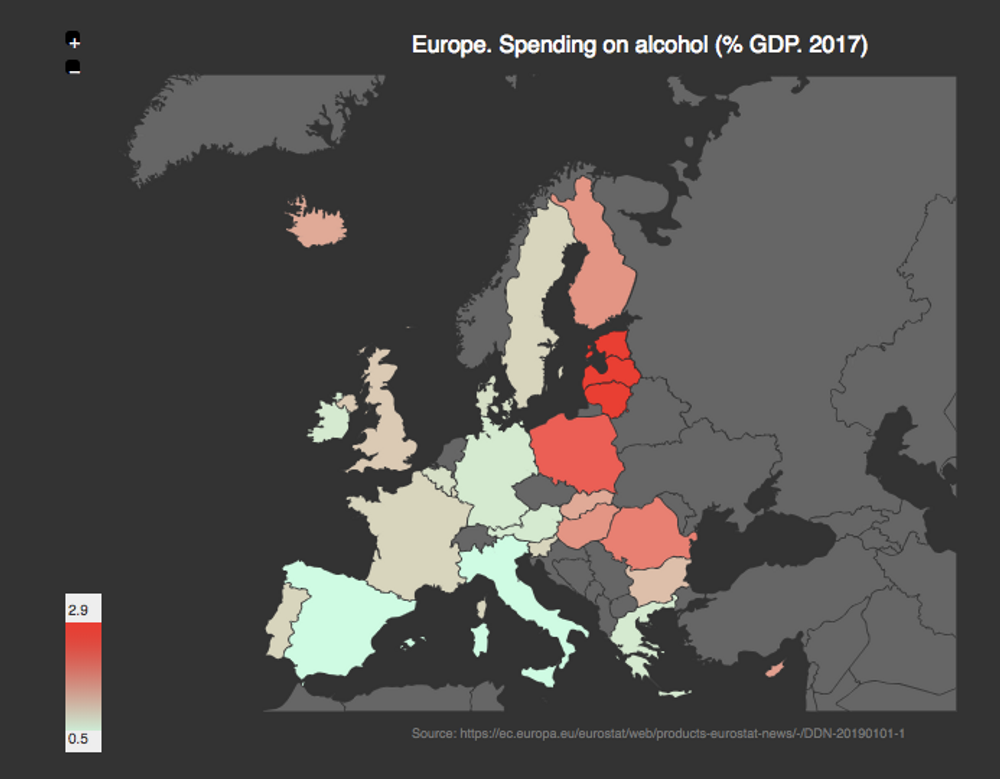
Eurostats recently published a report about the alcohol consumption in Europe. The report states that In 2017, households in the European Union (EU) spent 1.6% of their total consumption expenditure on alcoholic beverages. As you can observe on the map above, the Baltic States have the highest percentage of expenditure related to their GDP.

Amazing Autumn Colors


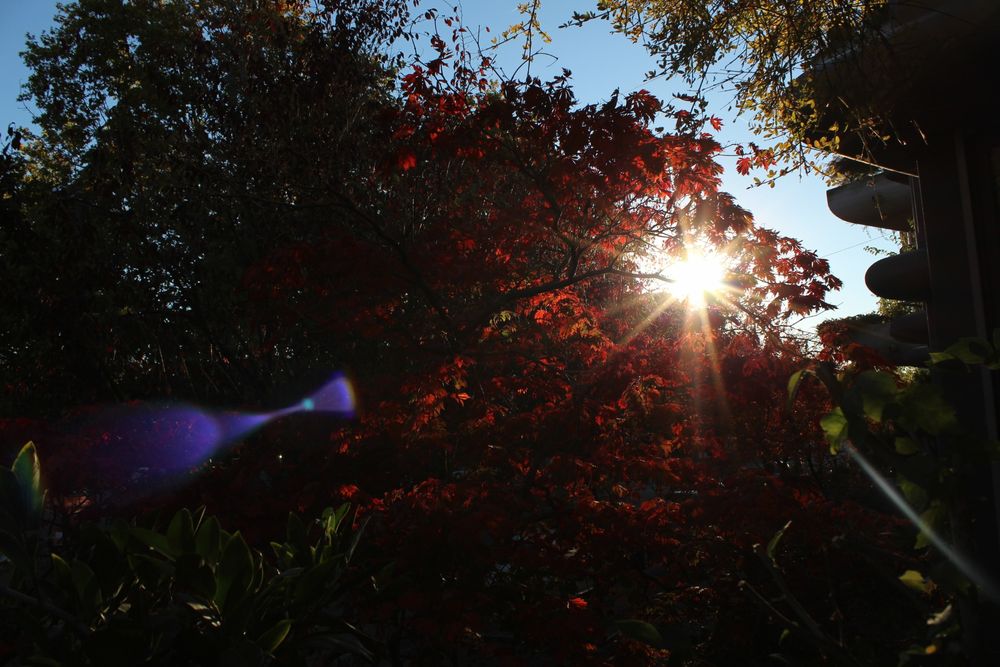
Yesterday I noticed that the autumn colors are already here. It's beautiful, as you can see in the picture above. However, with the crazy weather this year and the temperature going up and down, I barely realized that this season was already here.

Air travel statistics in Europe


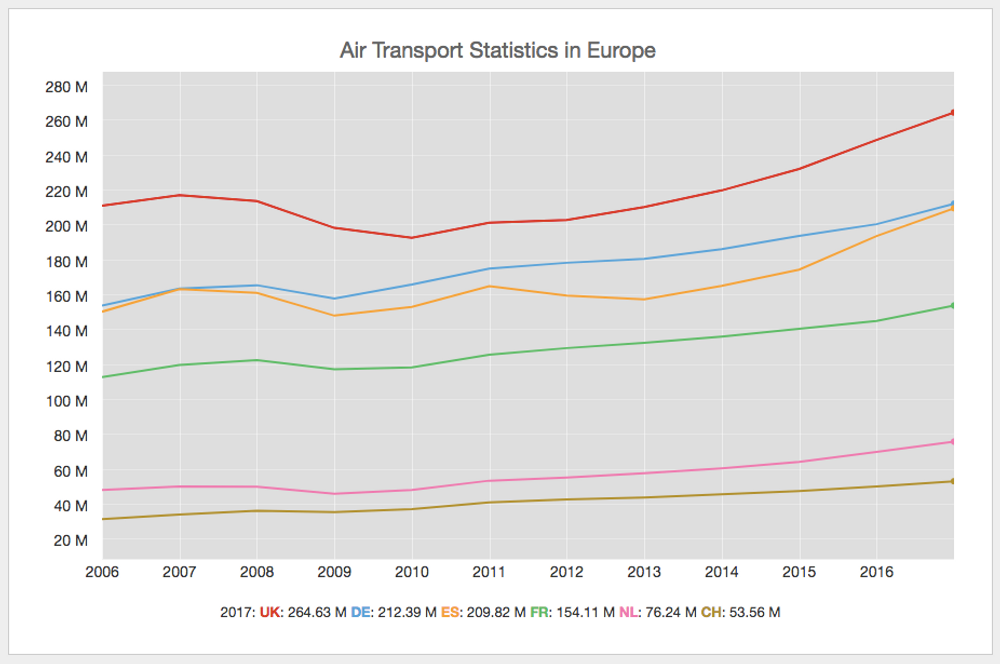
Eurostats offers an interesting dataset about air travel in the continent, including the number of passengers per country. As you observe in the previous chart, the United Kingdom, Germany, and Spain had the highest number of air travelers through their airports in 2017.

Łańcut Castle


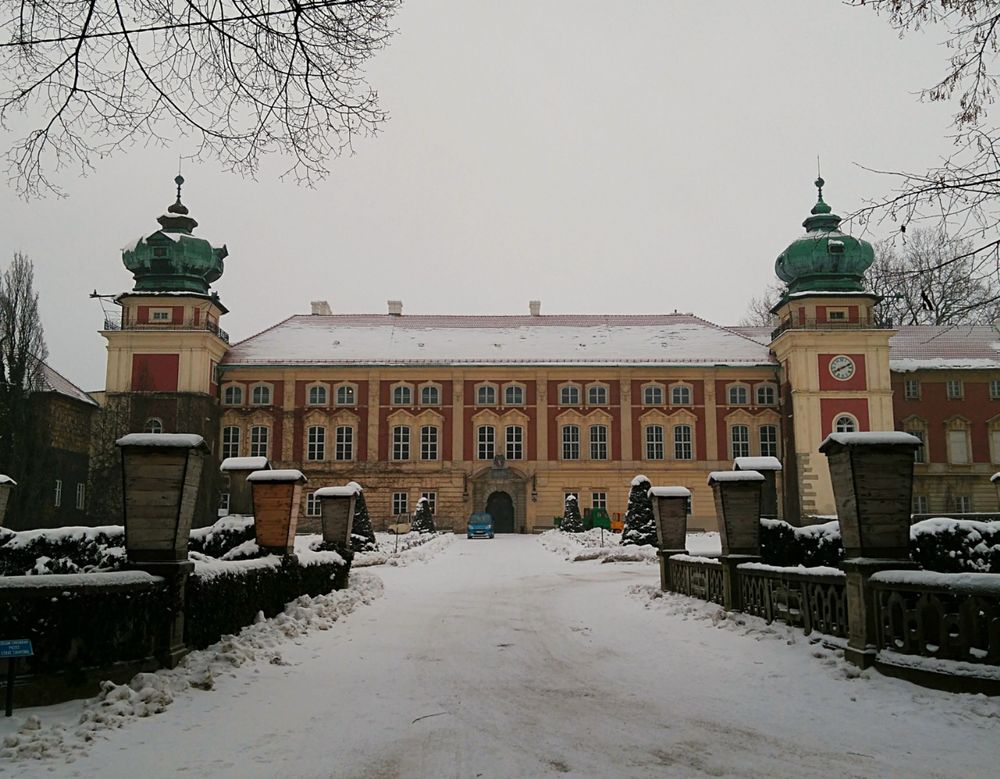
This picture was taken in Łańcut, a Polish city in the southeast of the country. The Łańcut Castle in the picture was completed in 1641. The idea was to build a fortified residence to repel an attack from the Swedes.

Unemployment Rate in the Euro Area


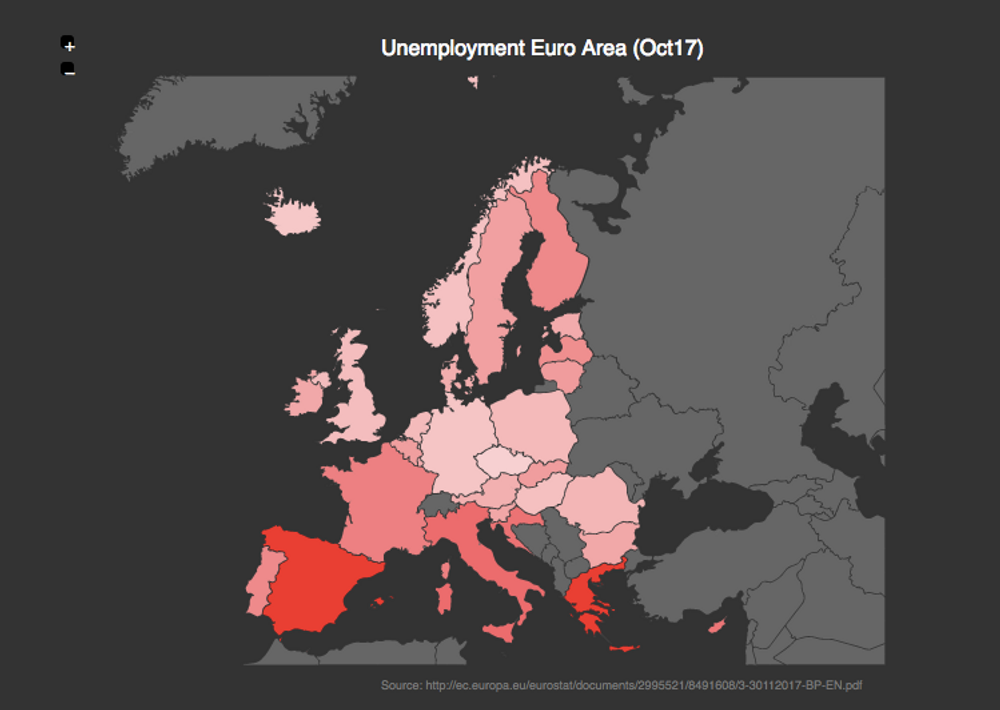
At the end of last month Eurostats published a report with the updated unemployment rate figures across the Euro Area. Overall unemployment was 8.8%. Although the highest rates are still observed in Greece (20.6% Aug. 2017) and Spain (16.7%), they have decreased compared to the previous year.

The lowest rates, on the other hand, were observed in October 2017: Czechia (2.7%), Malta (3.5%), and Germany (3.6%).

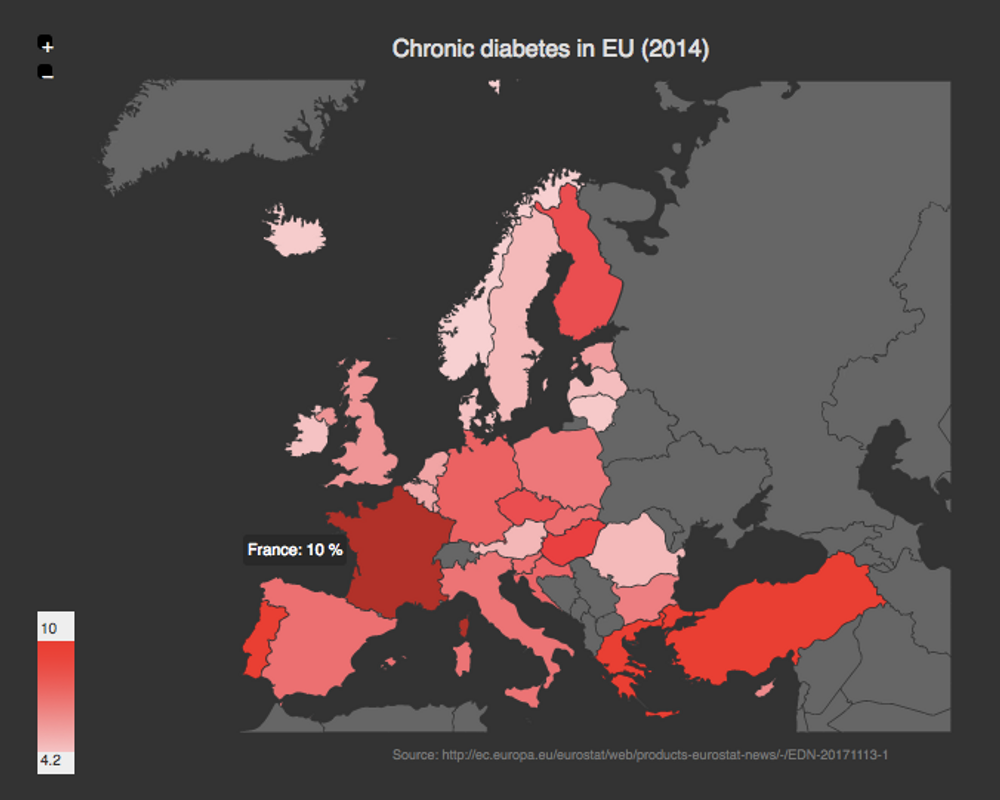
Chronic Diabetes in the EU


Eurostat has an interesting page where they describe how around 30 million people suffer from diabetes in the European Union. It's surprising that France is the country with the highest population of persons suffering the disease.

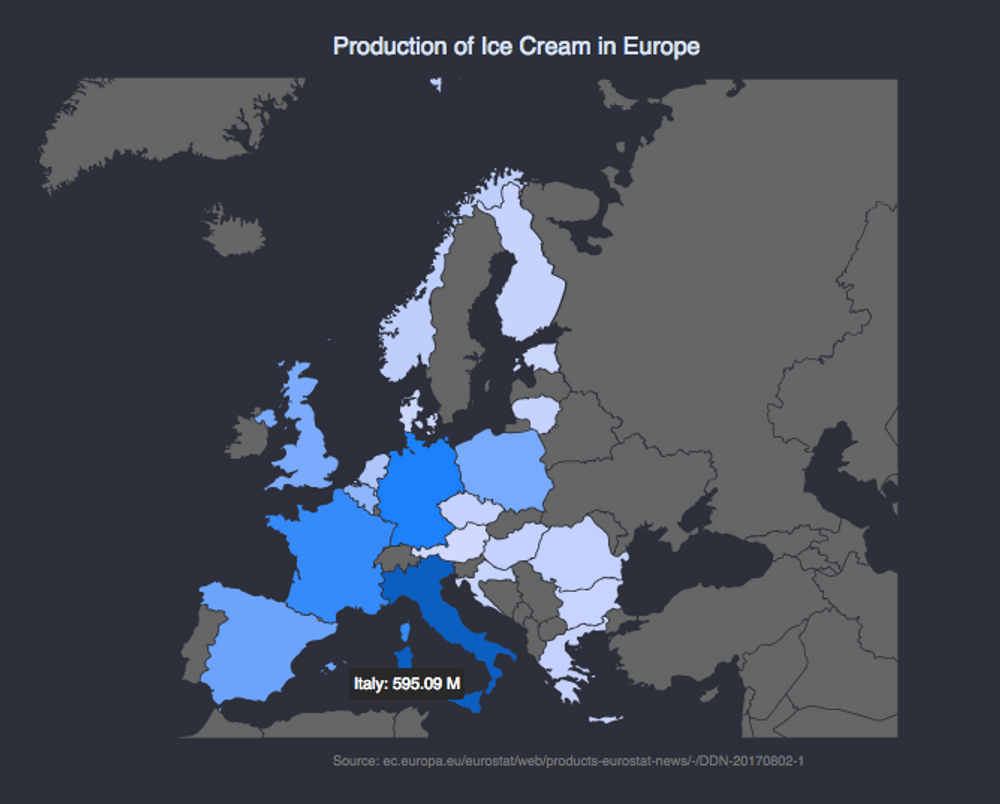
Largest producers of Ice cream in Europe


Currently there is a heat wave named Lucifer that's bringing scorching hot temperatures to southern and central europe. Maybe that's the reason why Eurostat published some days ago statistics about the largest producers of Ice cream in the continent. It's not surprising that the "Gelato" country is on top of the list, but I was surprised to learn Germany was the second one in the rankings.

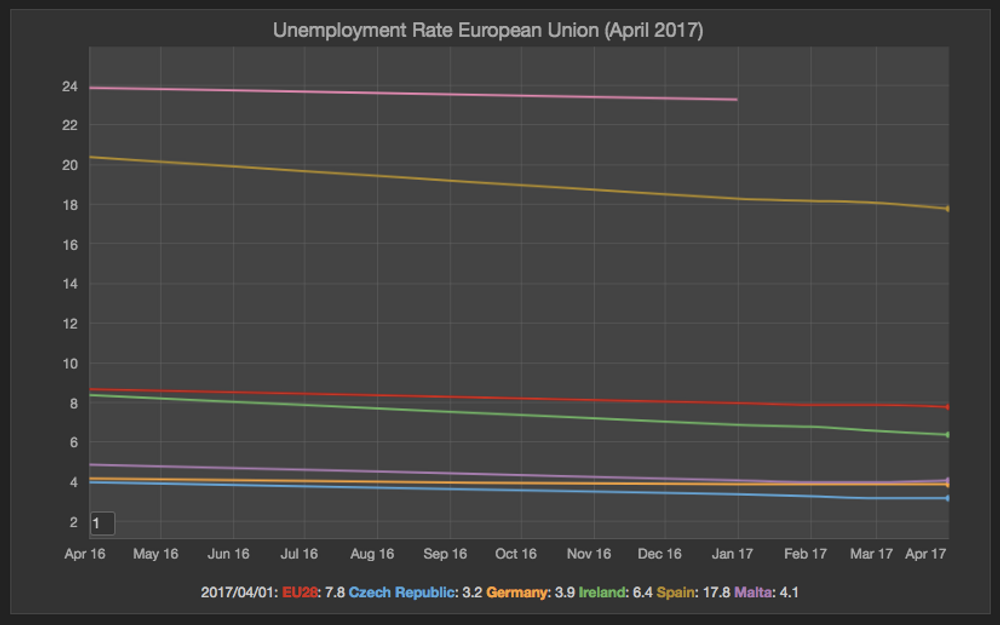
Unemployment in Europe in April 17


At the end of last month Eurostat published a report related to the Unemployment Rate in Europe. This report shows how Germany, Malta, and Czechia had the lowest rates, while Greece and Spain still have the highest. Still, it's remarkable how it has decreased both in Spain and Ireland.

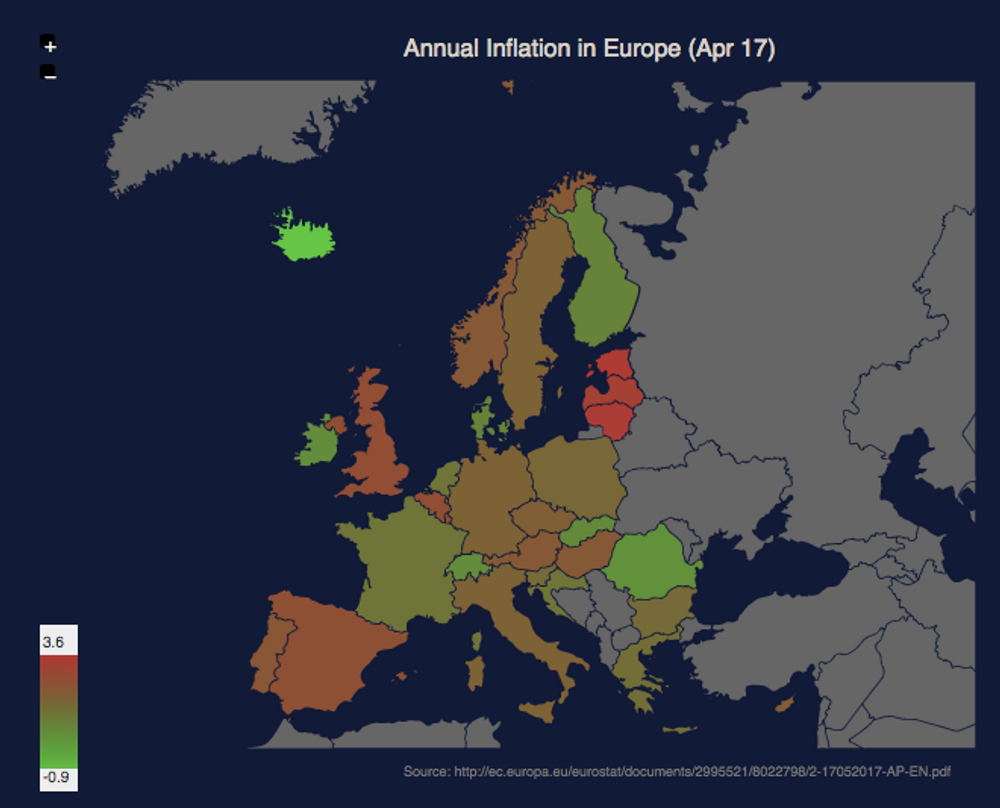
Annual Inflation Rate in Europe


A couple of days ago Eurostats published a report describing the annual inflation rate in the EU area and some other non-EU European countries. As you can observe in the map above, the Baltic countries had the highest inflation rates (Estonia: 3.6%, Lithuania: 3.5%, and Latvia: 3.3%), while Romania (0.6%), Ireland (0.7%), and Slovakia (0.8%) had the lowest ones.

Beautiful sky in BSL


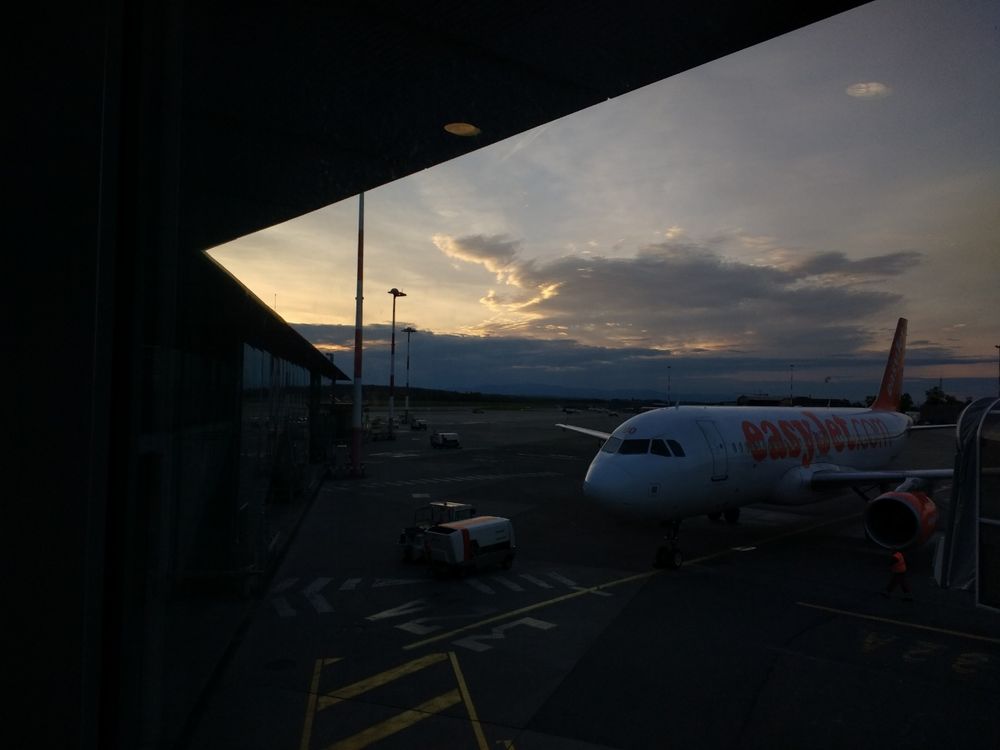
Beautiful sky in the Basel Airport

Nice spring sky in Berlin


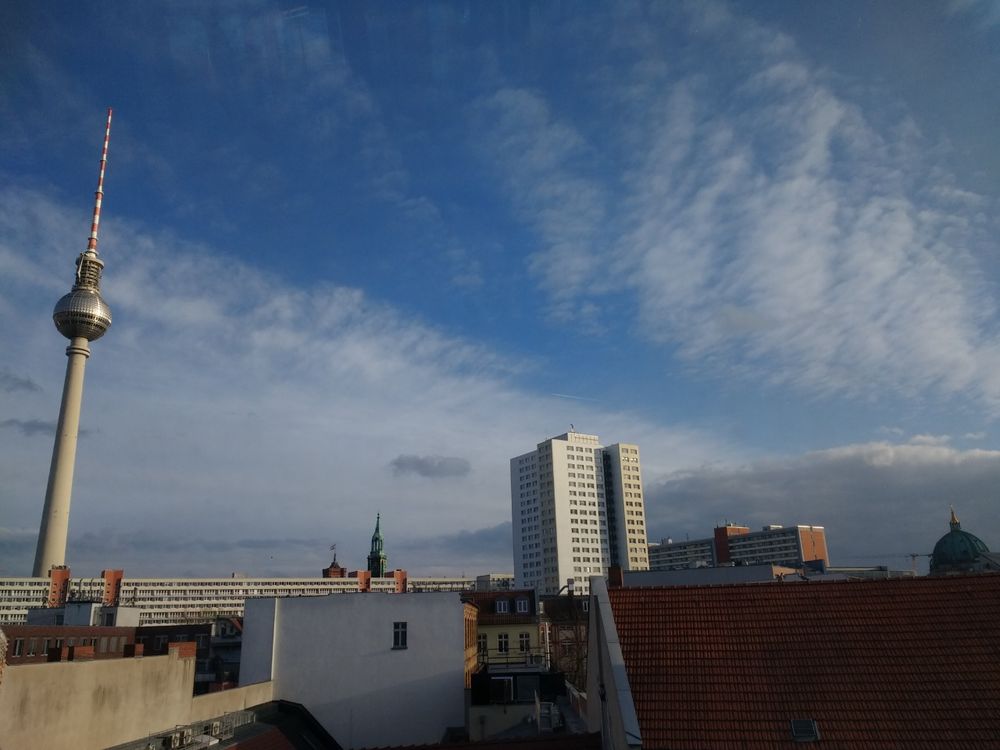
In Berlin, you frequently get the chance to see a nice sky worth taking a picture, as was the case today at the office.

EU Balance Trade


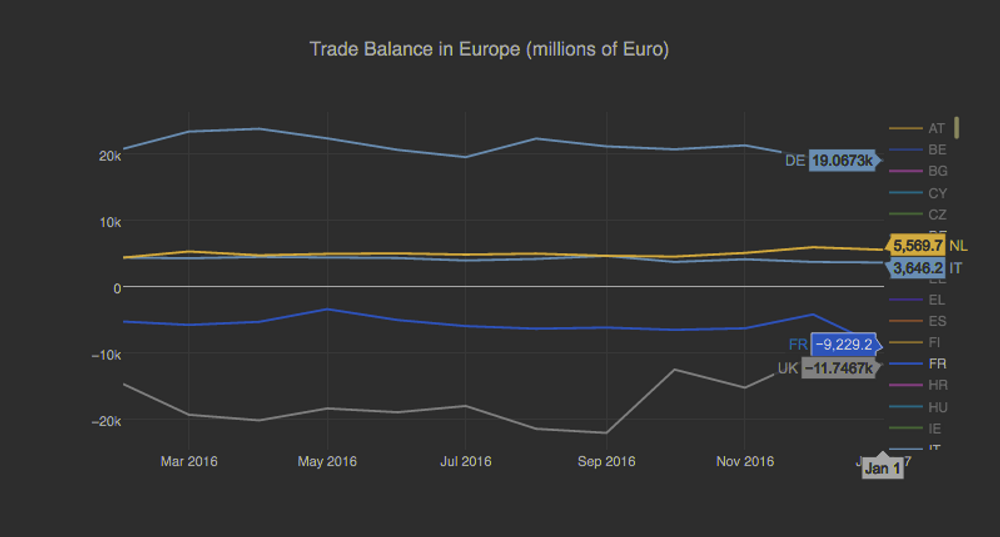
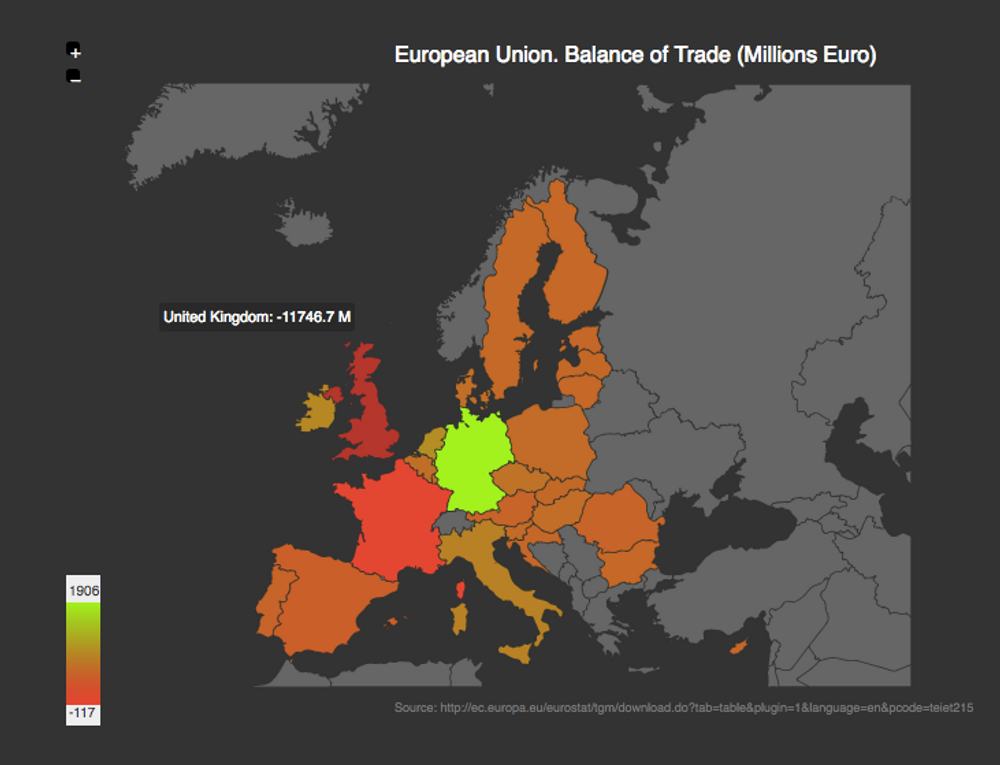
Eurostats offers a balance of trade dataset showing the trade surplus and deficit of each one of the European Union members. Germany is still the country with the highest surplus, compared to France and the UK that have the highest deficits:

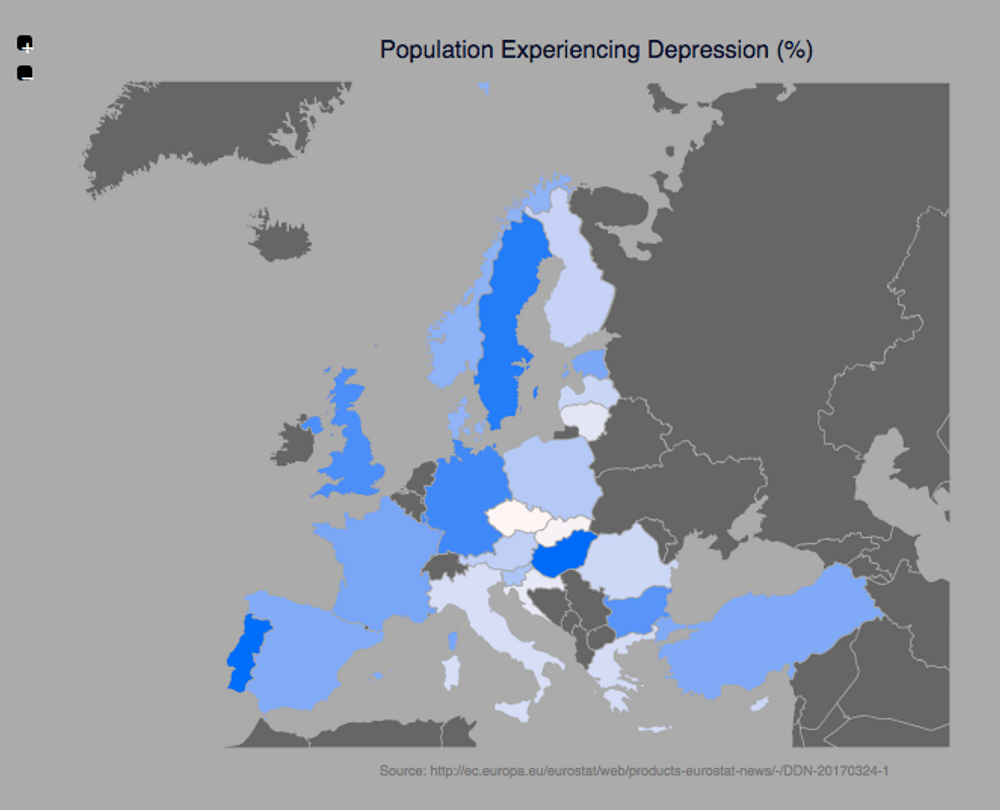
Population in Europe Experiencing Depression


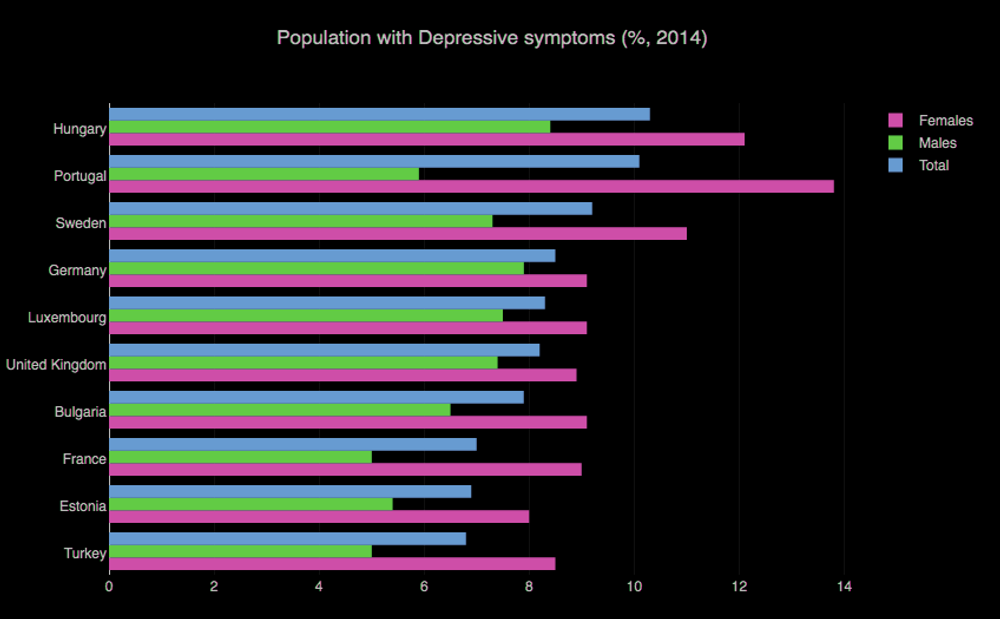
Eurostats has an interesting dataset showing the percentage of the population experiencing depression in Europe. The map above shows that Hungary, Portugal, and Sweden are the countries with a higher percentage of the population experiencing depressive symptoms.

A breakdown by sex shows that Portugal is the country with the highest percentage of the female population experiencing depression.

London


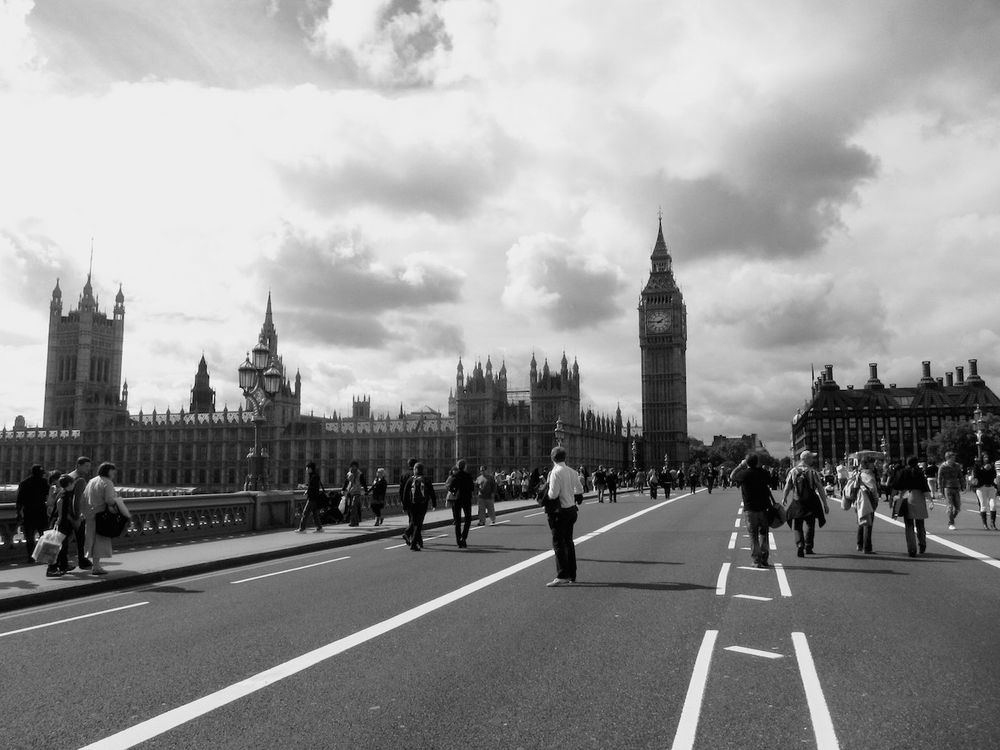
Yesterday when I was working, I received a news notification related to a London Attack, where five people were killed and many others were injured after an attacker drove a car along a pavement near the Parliament. I always enjoyed visiting London, and Westminster near the Thames River is beautiful. As I say when it happened in Berlin: I will keep visiting this amazing city, and no terrorist is going to change that.

Water around Berlin


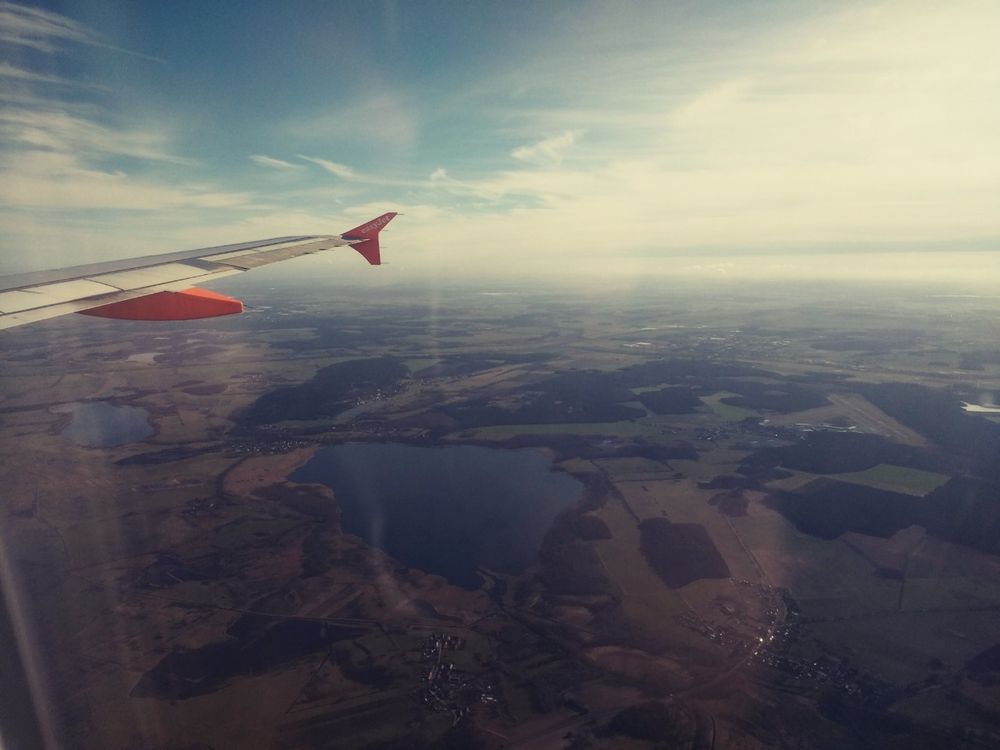
This morning, when I was landing in Berlin, I was staring out the window, and I realised that sometimes I forget how many lakes and water sources there are around Berlin. I shot this picture to remind myself about it.

Pay Gap in Europe


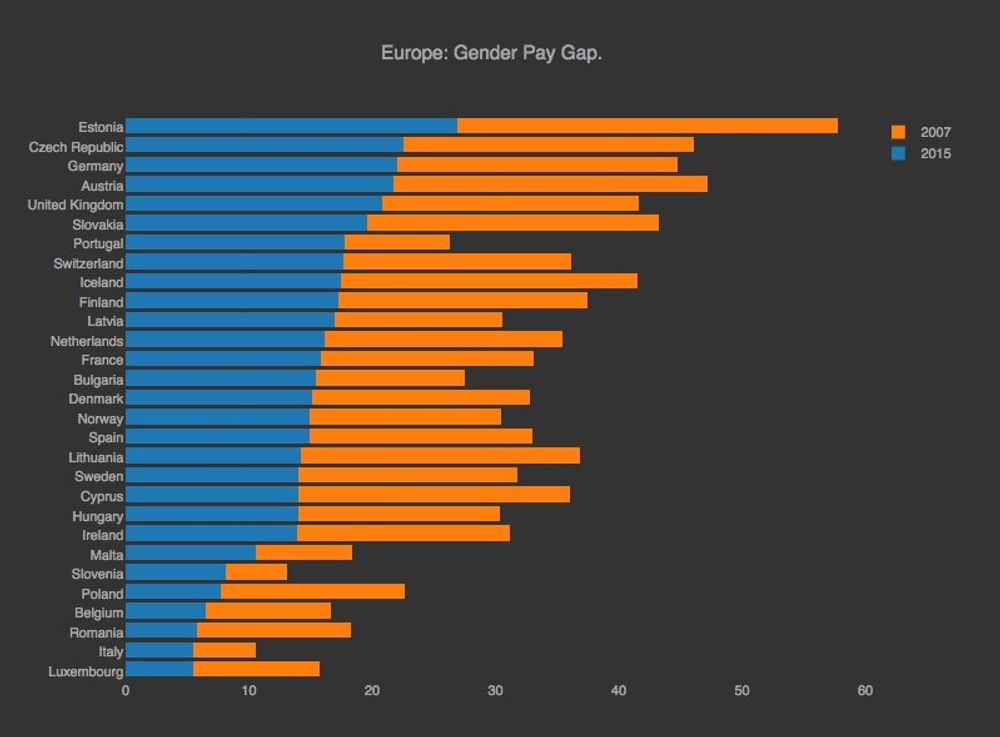
A couple of days ago, on March the 8th, it was the international women's day. I was chatting with some family members about whether this day should exist at all (they were arguing that the day should be every day). I was checking the pay gap between men and women in European countries, and I think there is still a reason to celebrate this day.

Basel Fasnacht 2017 Lanterns


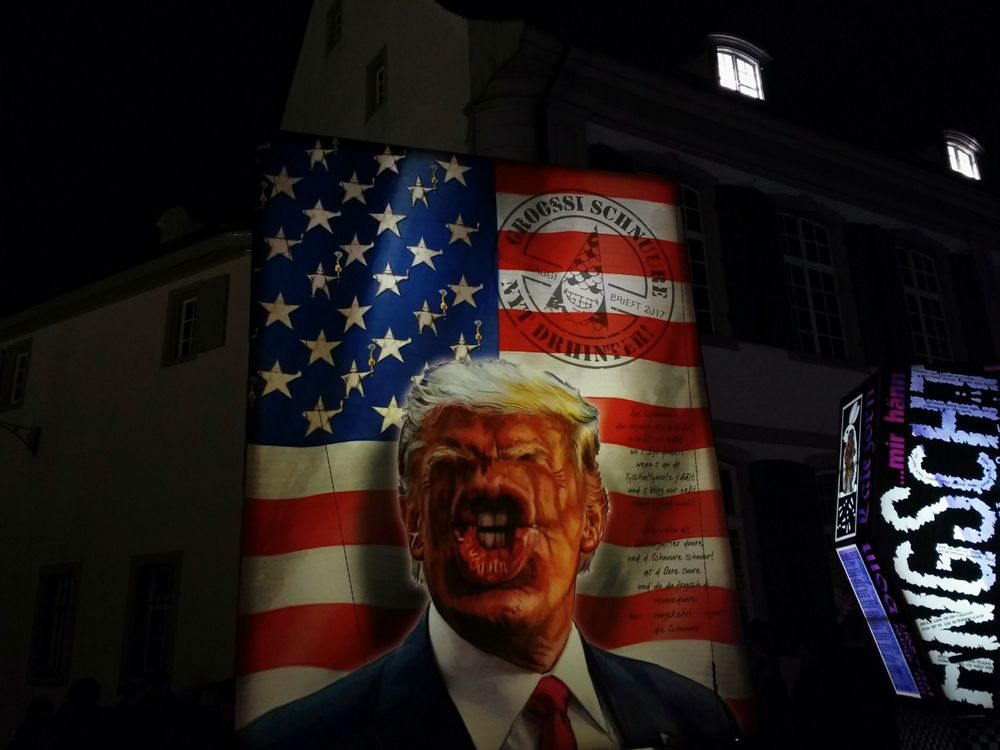
One of the most interesting parts of the Basel Fasnacht is the big lanterns that participate in the parade on Monday morning. On Tuesday they were exposed in Munsterplatz and this year there were a lot of political motifs related to politics and far-right trends. One of the most descriptive ones was this one.

Percentage of Europeans that do excersise


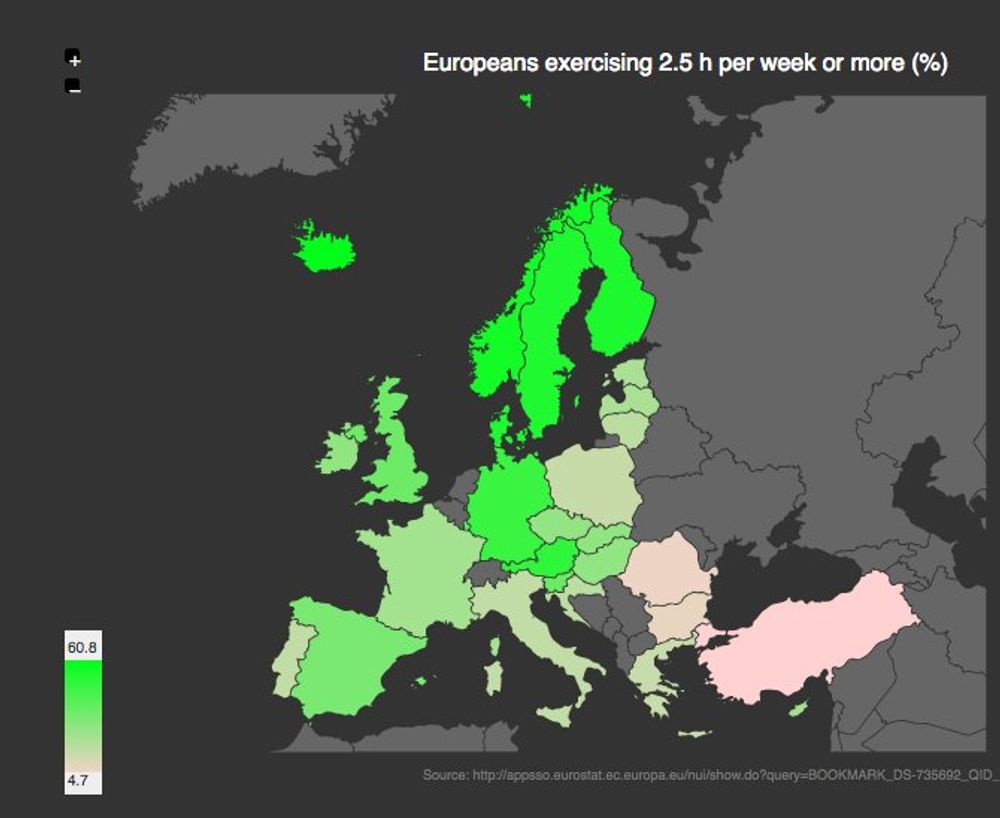
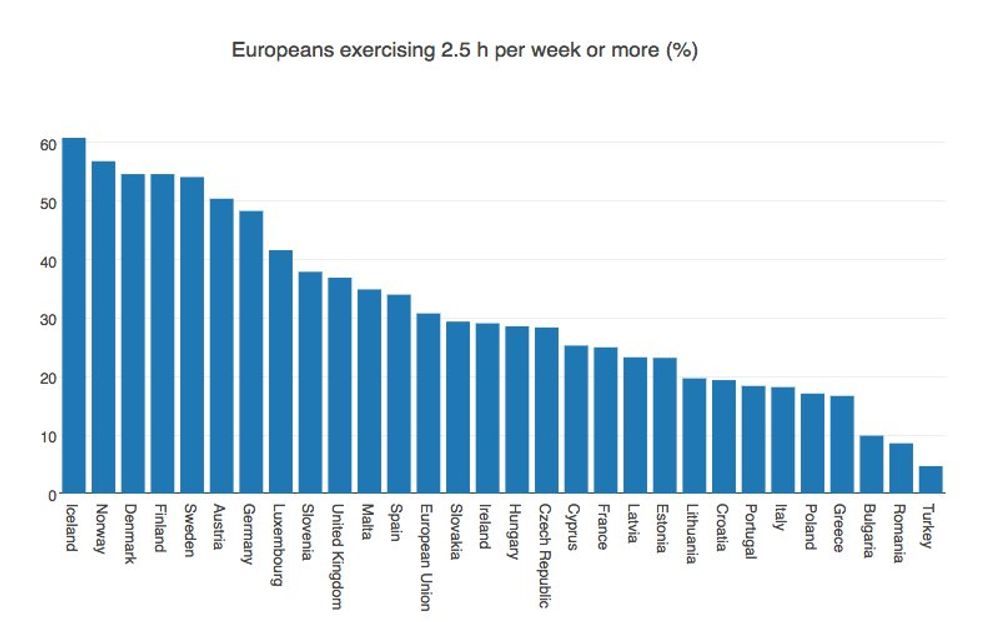
Eurostats has an interesting dataset with the time spent exercising per country in Europe. It's not surprising that the countries that exercise 2.5h or more are the Scandinavian countries: Iceland, Norway, Denmark, Finland, and Sweden. Way to go Scandinavia!

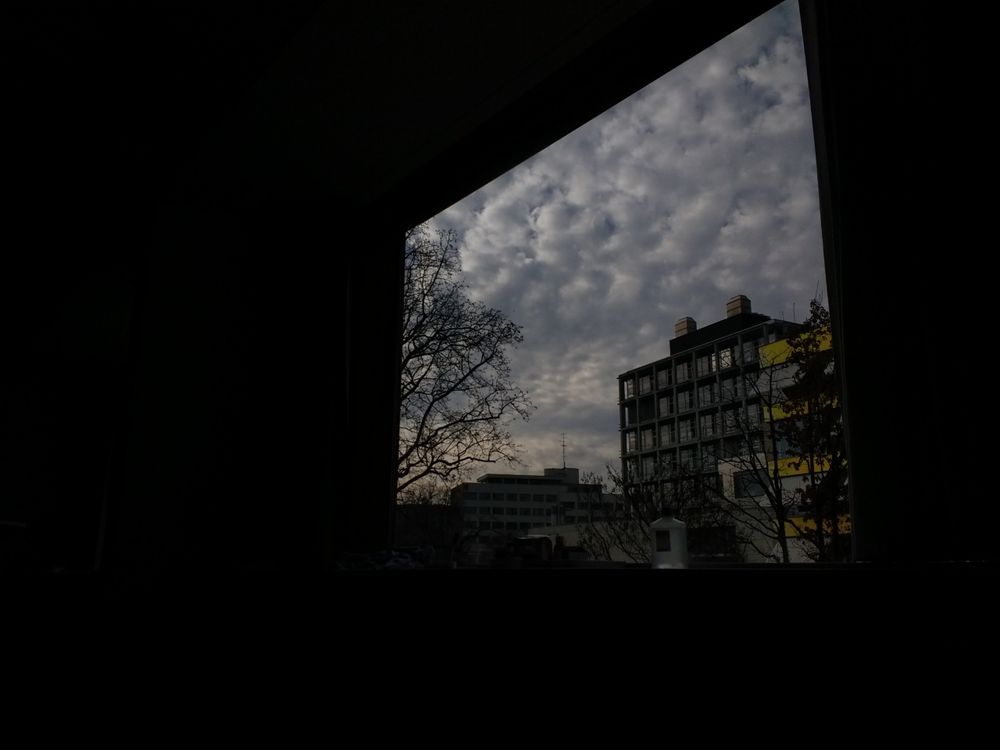
Window Picture


Sometimes you look out the window and the view is so nice that it doesn't look like a normal window but rather as a picture that was presented to you instead. That was the case today.

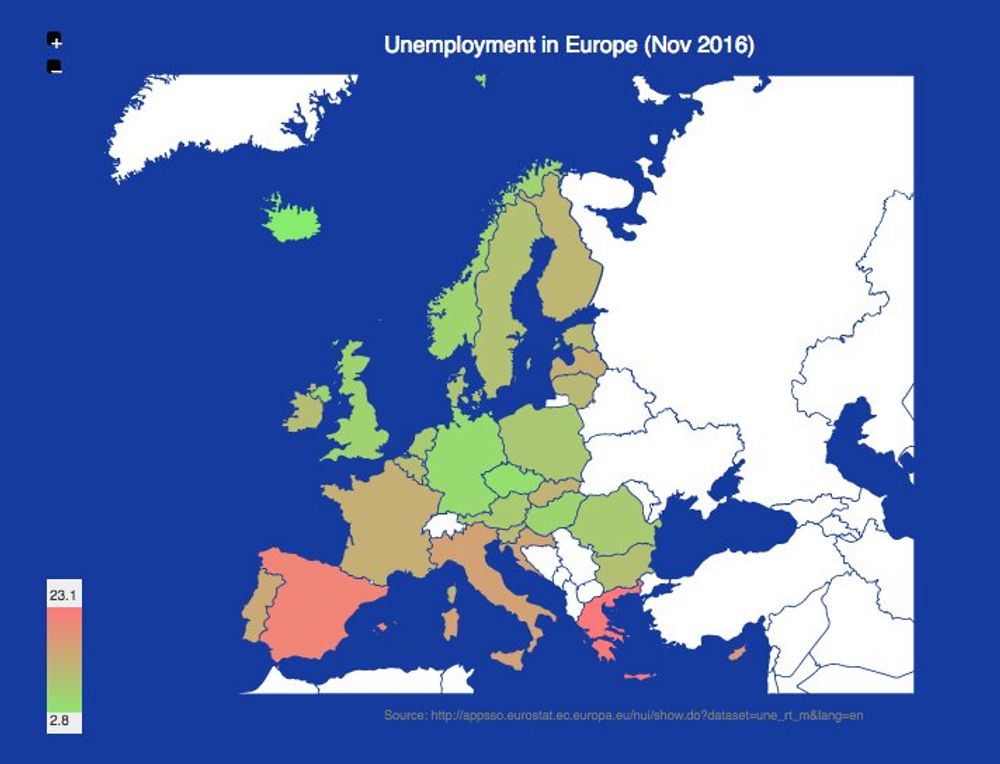
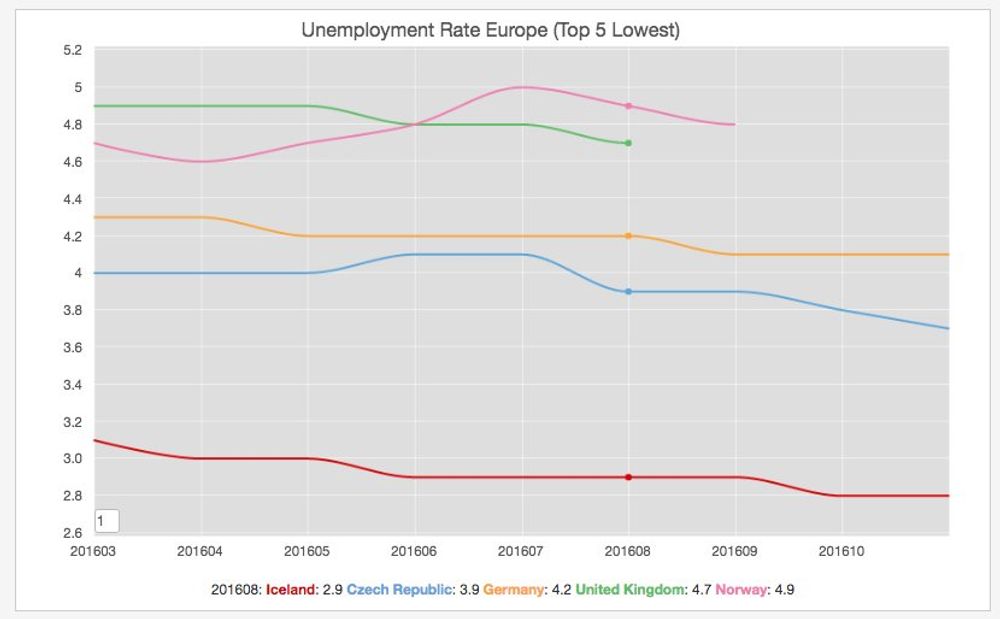
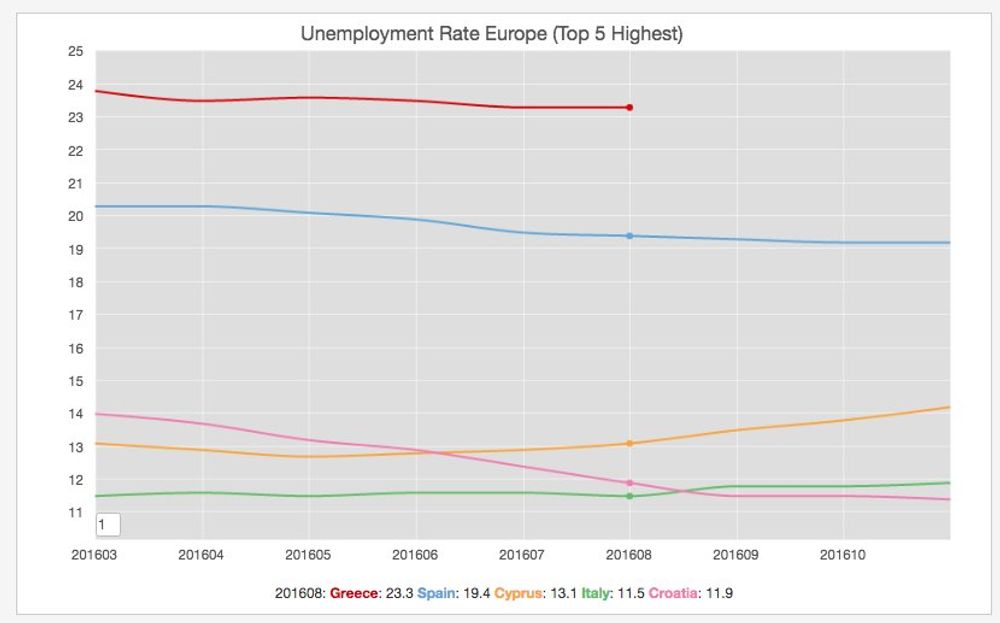
Unemployment Rate in Europe


Eurostat updated its unemployment rates http://appsso.eurostat.ec.europa.eu/nui/show.do?dataset=une_rt_m&lang=en. Iceland has one of the lowest unemployment rates in Europe (followed by the Czechia and Germany), while Greece still has the highest, followed by Spain.

Personal Money Transfers in the EU


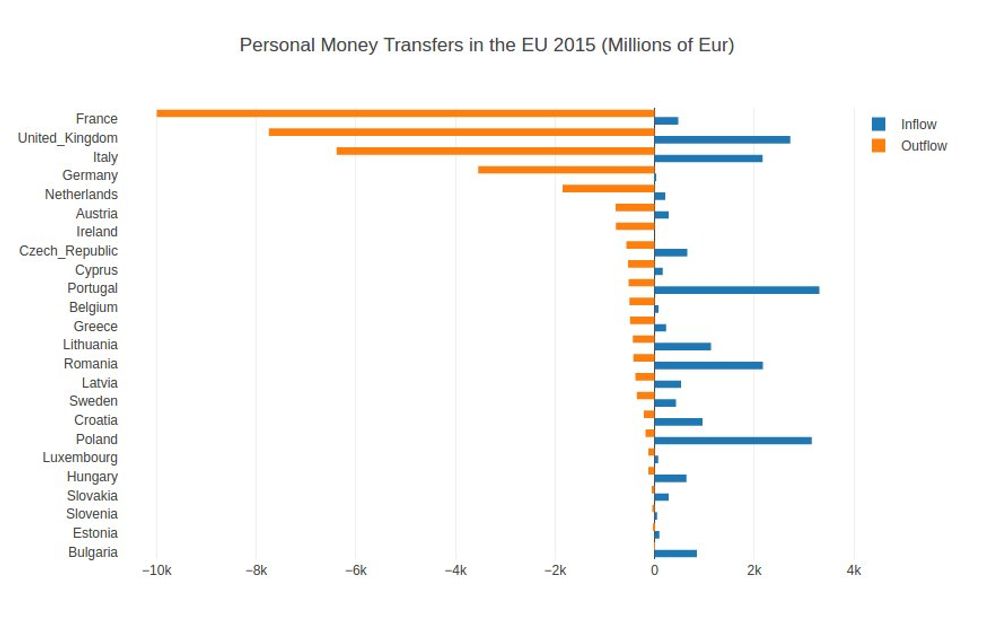
Interesting dataset from Eurostats regarding personal transfer inflow / outflow across the European Union. On one hand, France has the biggest negative balance, and on the other side, Poland has the biggest positive one.

Synagogue in Basel


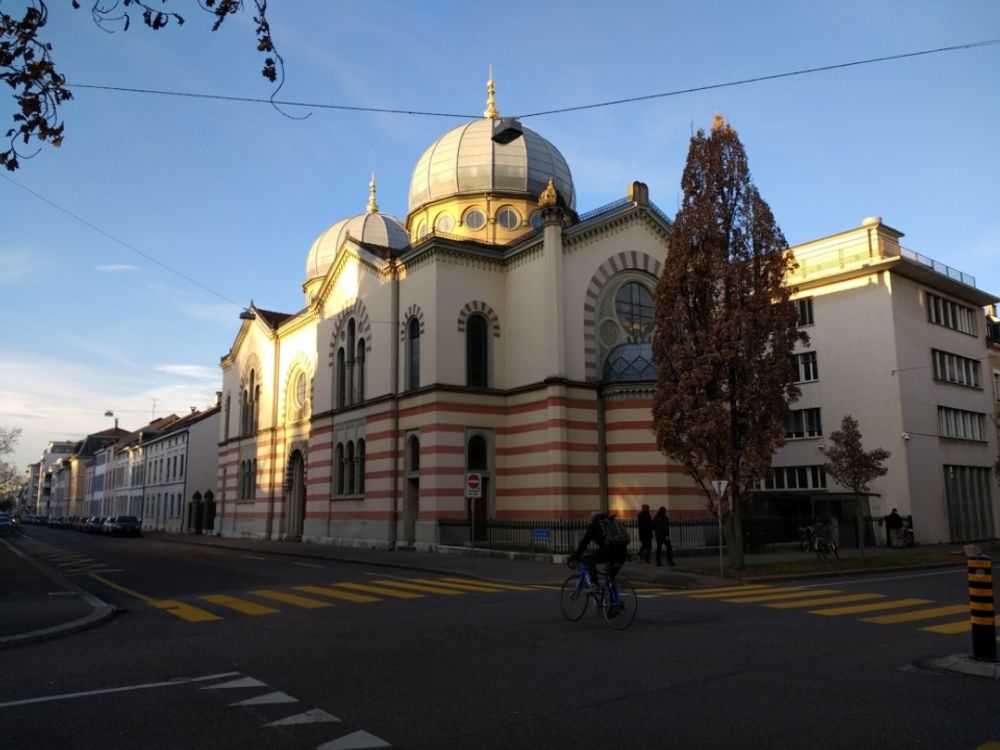
This morning I was talking to my father-in-law and he mentioned he wanted to check out the Synagogue in Basel. I had no idea there was such a building in the city, but I checked online and discovered there is a neo-Byzantine domed structure indeed, originally constructed in 1868 and enlarged in 1892. Above there is a picture of this Synagogue.

First snow of 2016 in Sofia


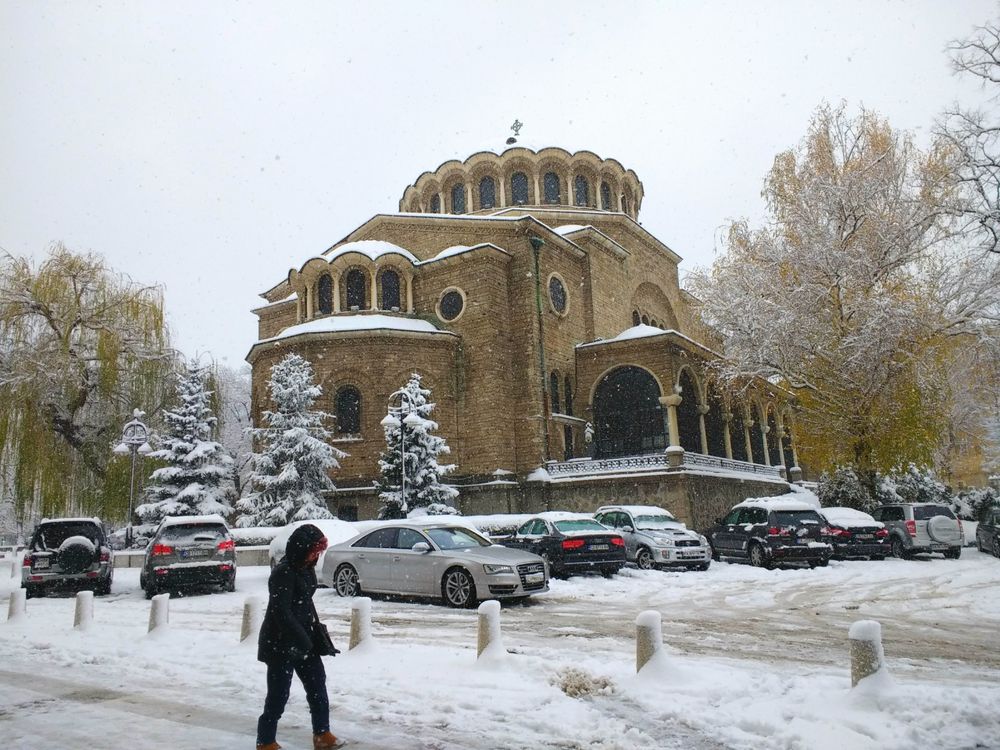
This weekend I did a small city break to the Bulgarian capital. On my last day before coming back to Berlin, I experienced my first snowfall of 2016, and it was quite a big one, as you can see on this picture of the Sveta Nedelya cathedral.

Insane Irish GDP Growth


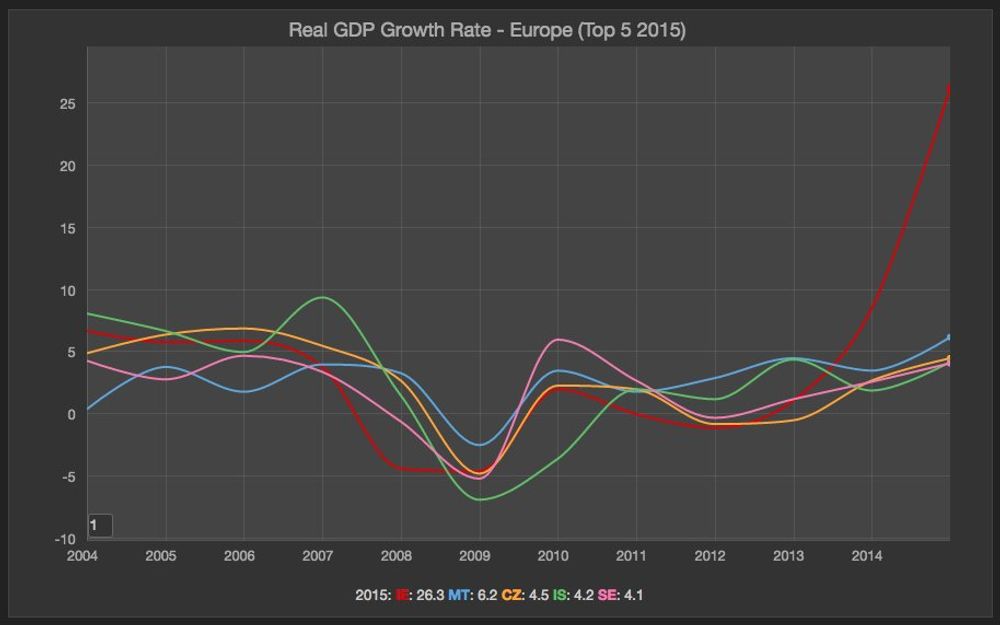
This morning I was checking the GDP growth data in the European nations and I found out that last year it was particularly high in Malta, Czechia, Iceland and Sweden ... but in Ireland it was insane!. An interesting article from The Irish Times explains how despite this number being statistically correct it's due to huge multinational companies moving assets to their Irish branches, for tax reasons.

Sunny Sunday in Freiburg


We enjoyed the sunny Sunday morning by making a quick visit to Freiburg. Last time I visited the city, they were restoring this building, and the result was great.

A week in Tenerife


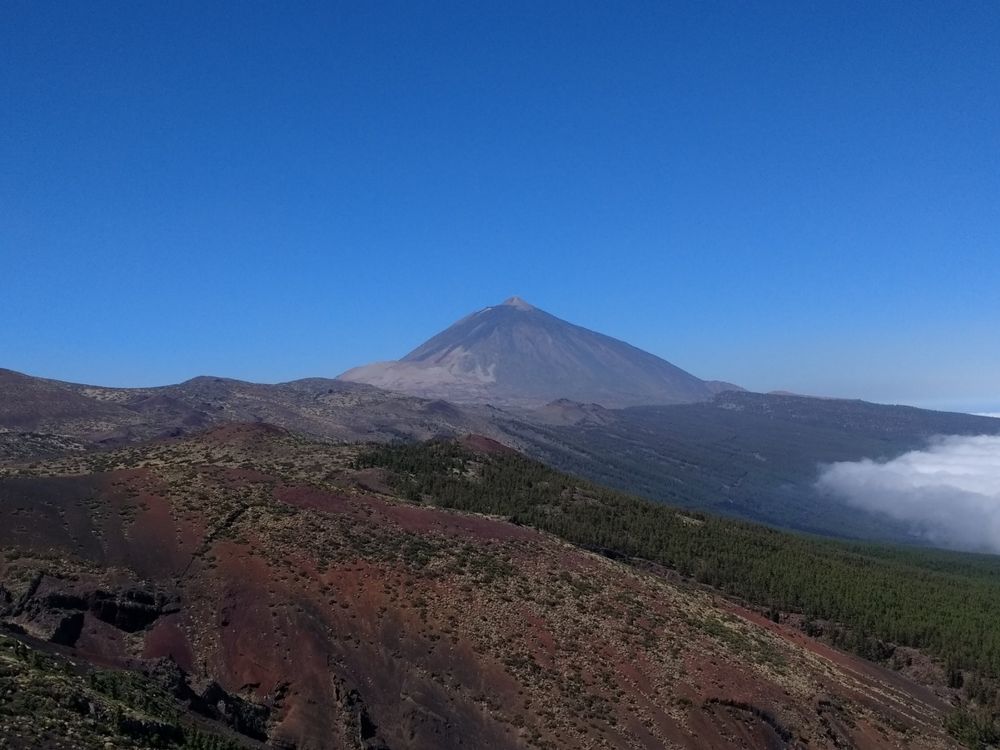
I didn't update this blog in the last week because we went with my GF to Tenerife and I decided to leave this computer back home to unplug for a while. We had a really amazing time in the biggest Canary Island. The weather was warm but not scorching hot; the landscapes were really nice and quite different across the island; the seafood was so fresh and delicious; and finally, the people were extremely friendly. It was just great.

Some of the highlights of the trip were (besides the stunning Teide you see in the picture above):

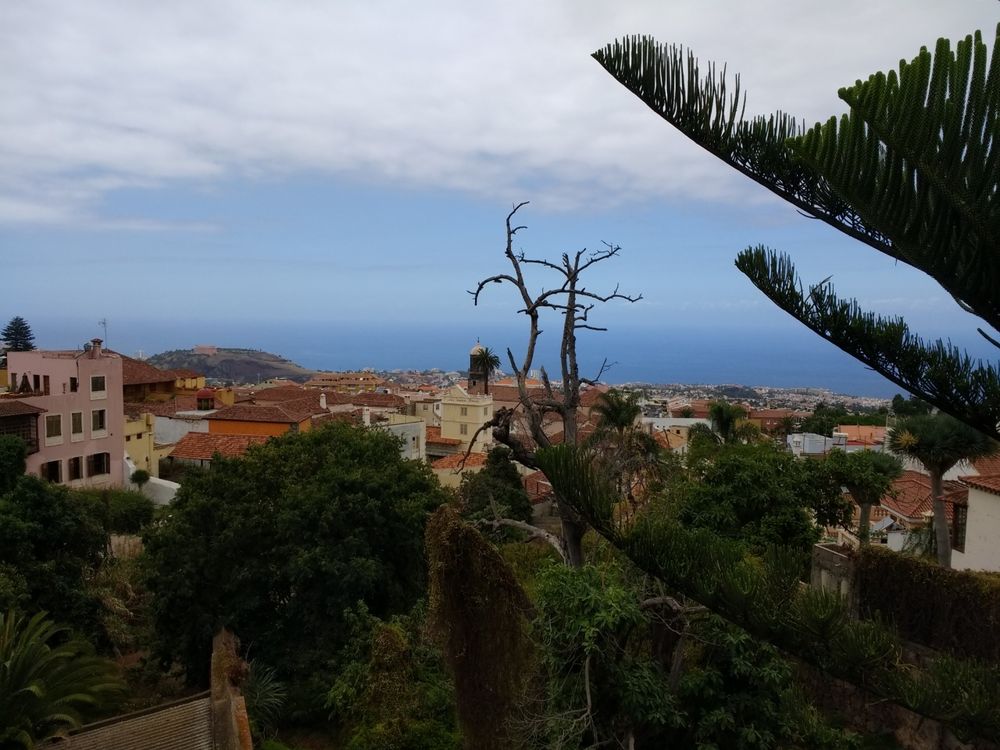
1- The nice town of La Otorava:

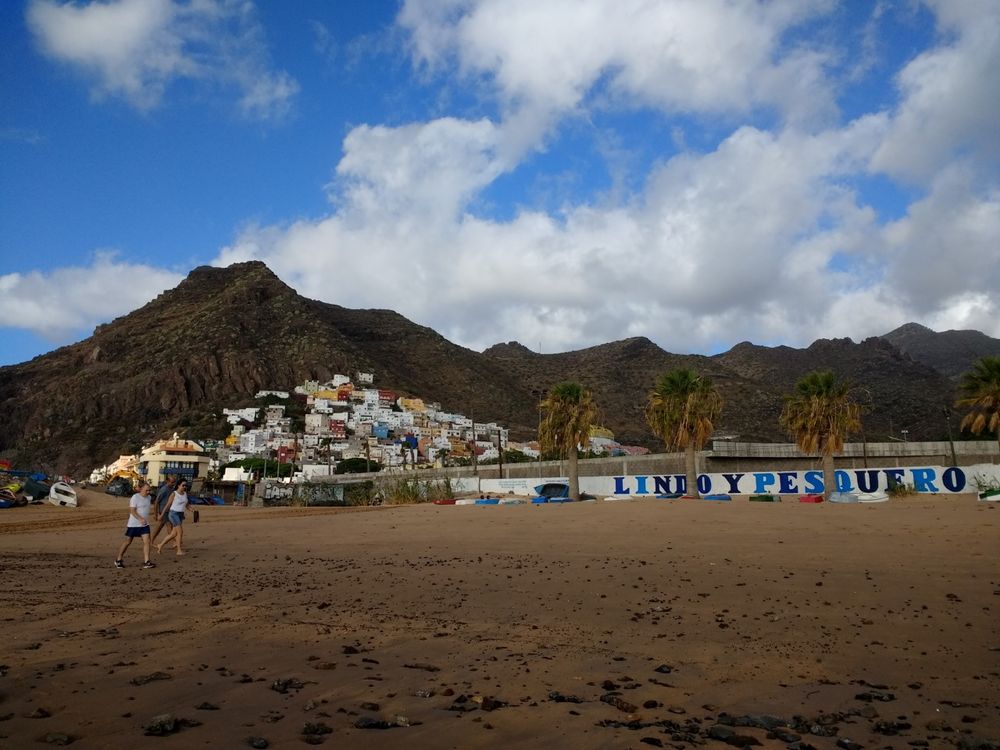
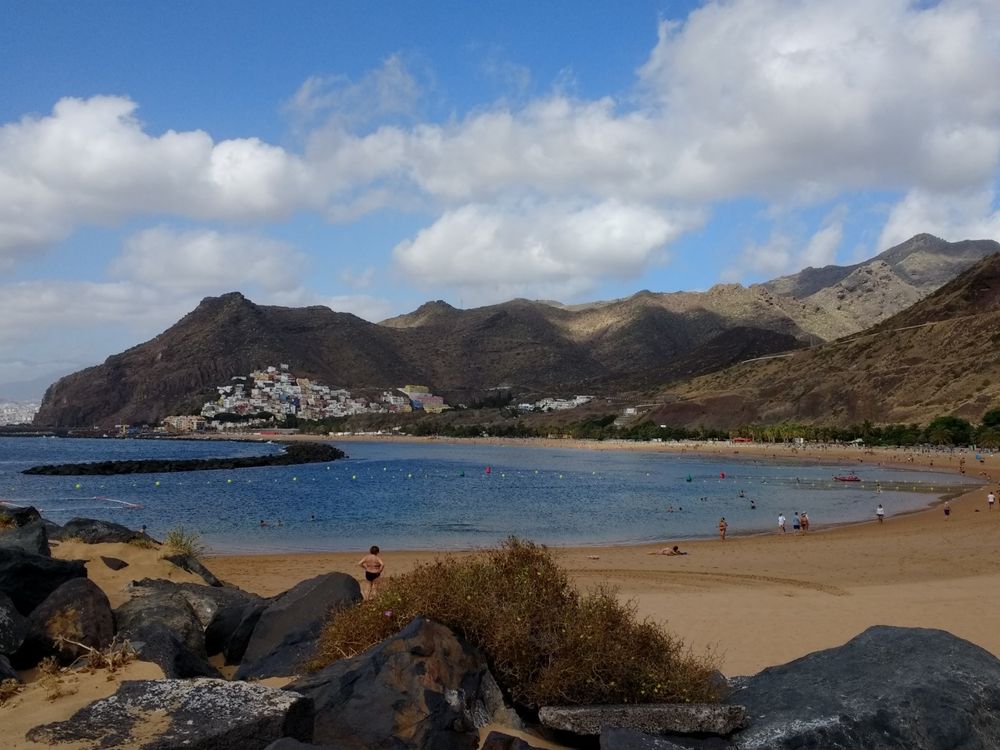
2- The picturesque town of San Andres where we stayed, and the nearby "Playa de las Teresitas":

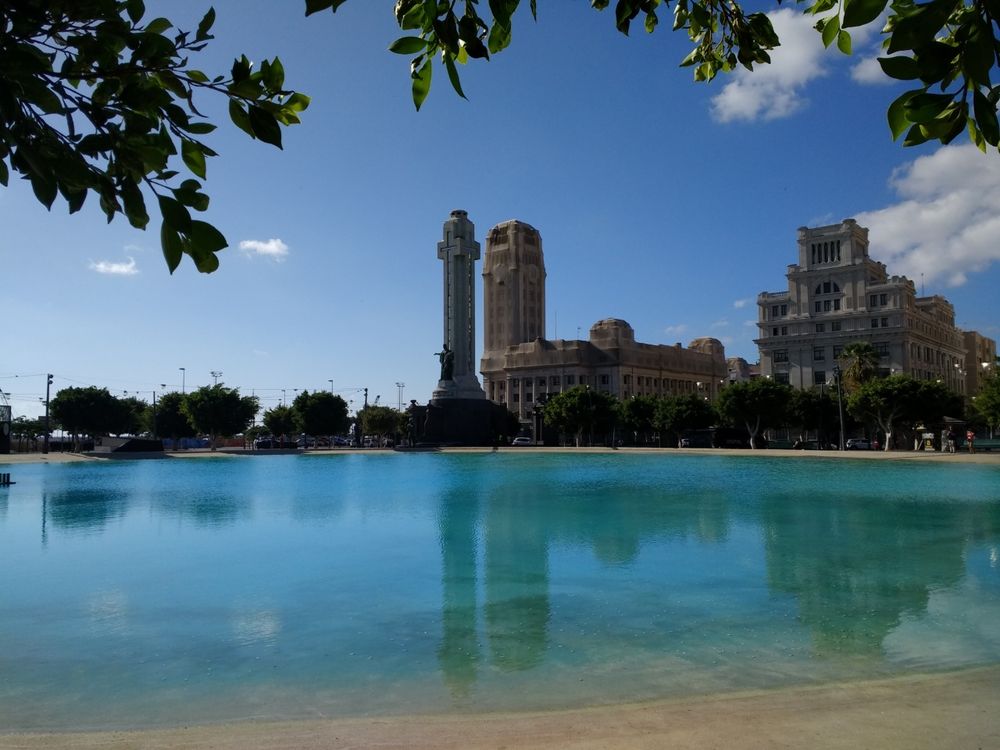
3- Walking around in Santa Cruz:

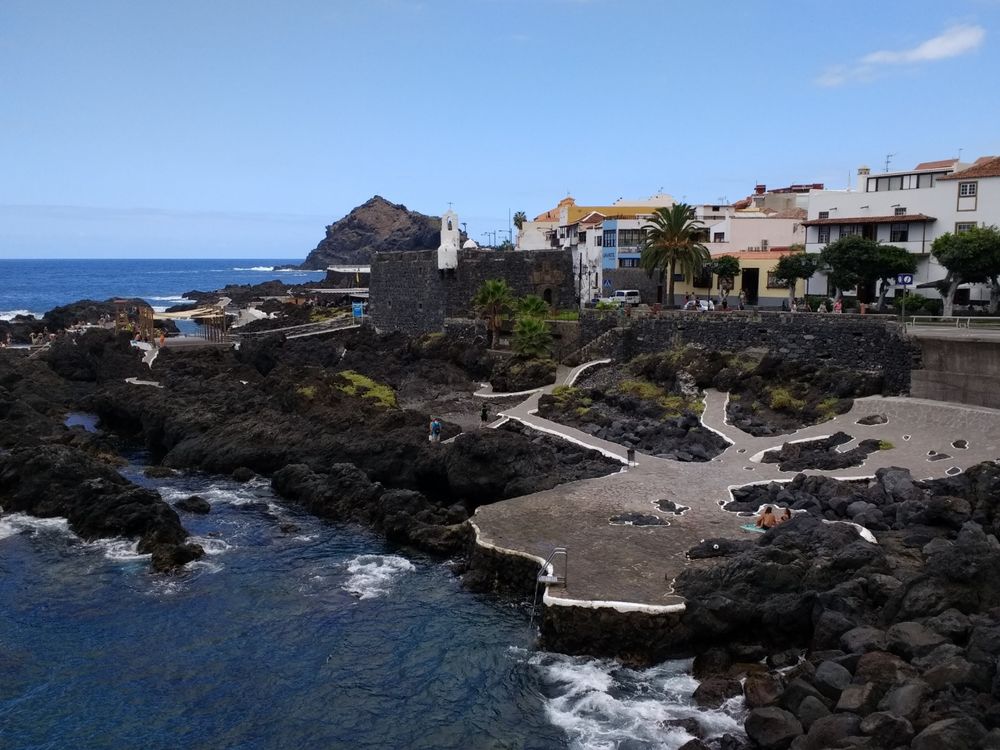
4- The old town of Garachico and its natural rock swimming pools:

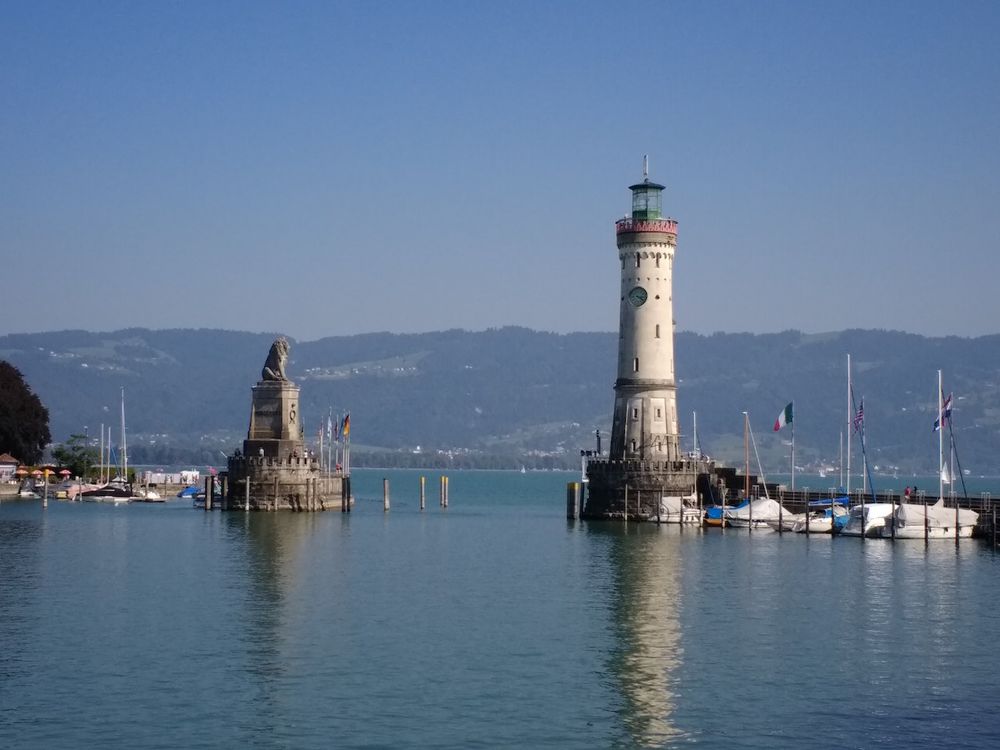
Only lighthouse in Bavaria


A couple of days ago we visited Lindau, a major town and an island on the eastern side of Lake Constance. We stayed at a hotel on the island that is connected with the mainland by a road-traffic bridge. The current harbour of this island was built in 1856 and the iconic Lion sculpture and lighthouse mark the entrance of this port. An interesting fact is that this lighthouse is the only one in Bavaria!

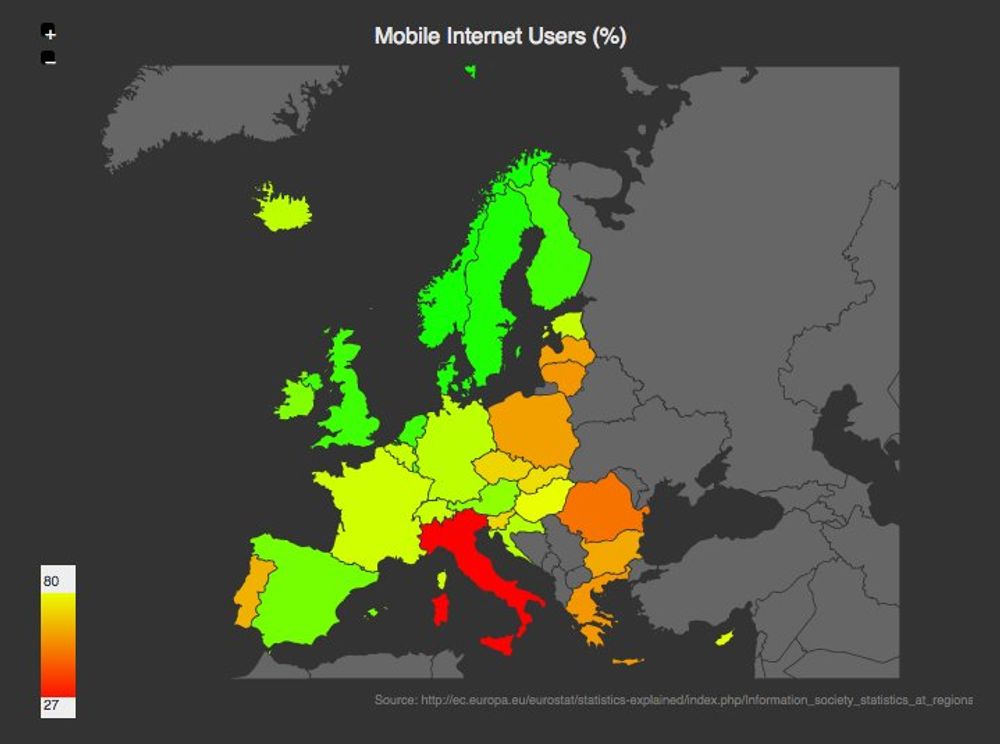
Mobile internet users in Europe


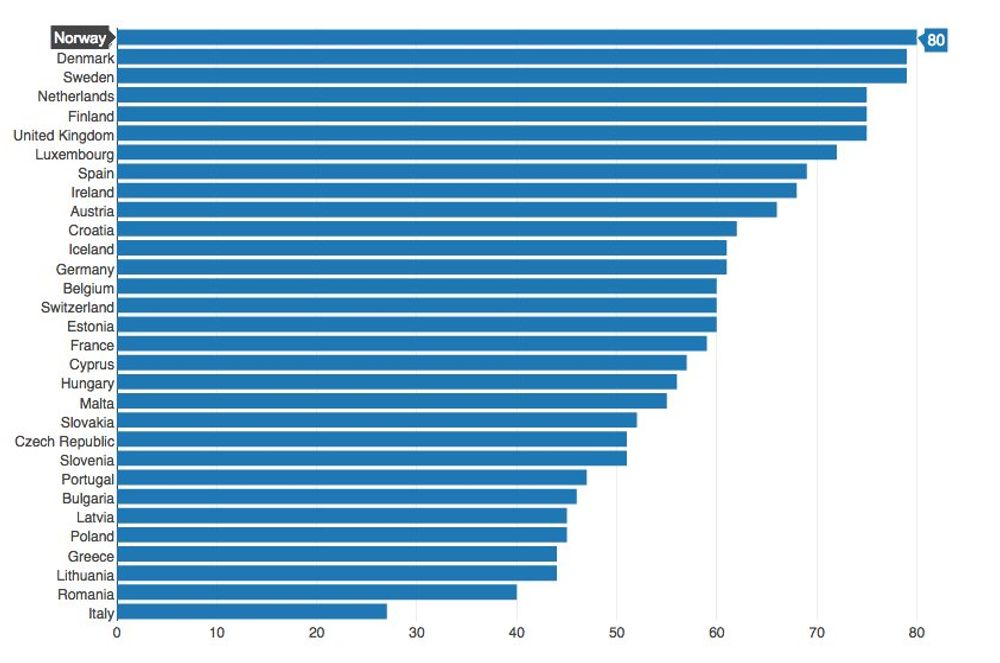
Eurostat published some very interesting stats regarding the mobile internet connectivity of the EU citizens in the Information society section of the Eurostat regional yearbook publication. The map above shows the countries with the largest and smallest percentage of users browsing the internet through mobile devices in cities. It was not surprising to see the Nordic countries at the top of the list, but I wasn't aware Italy was at the bottom.

Here is a barchart with the countries sorted by percentage:

Ludwig and his Neuschwanstein Castle


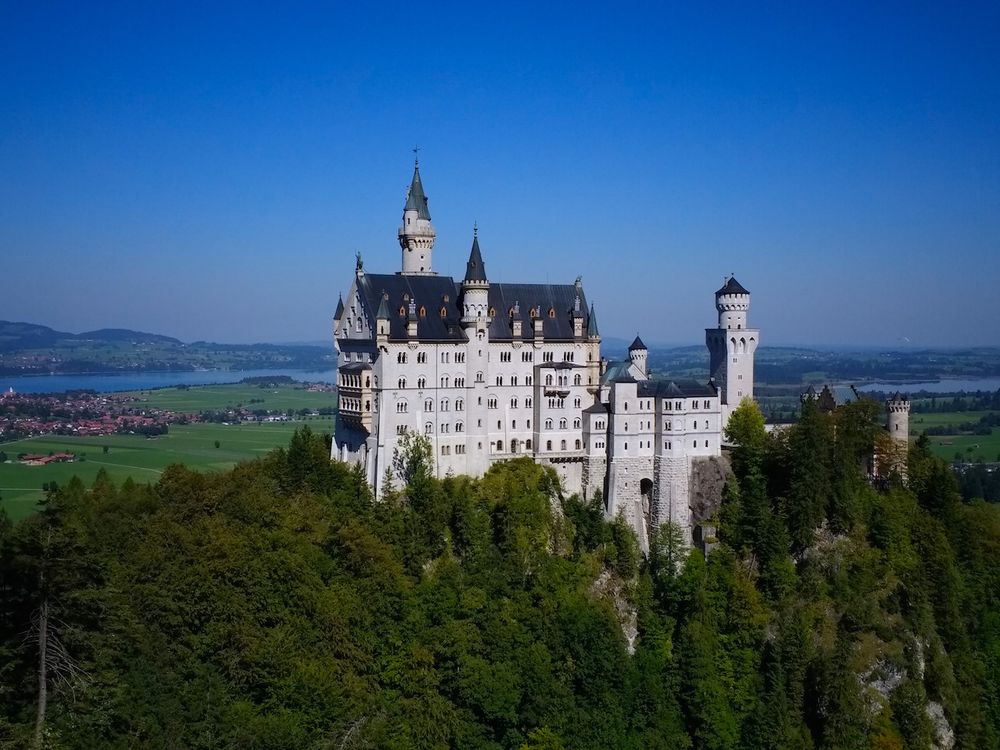
Yesterday I had the opportunity to visit the Neuschwanstein castle in Bavaria and I learned about the interesting history behind this castle. The palace was commissioned by Ludwig II of Bavaria, as a refuge from his constitutional monarchy duties, in order to revive his romantic dreams of the medieval king figures. The guide described how the king was deemed insane; he was arrested and died mysteriously. Yesterday, my GF and I were discussing whether he was insane or not, but he brought good fortunes to this region of Germany for sure!

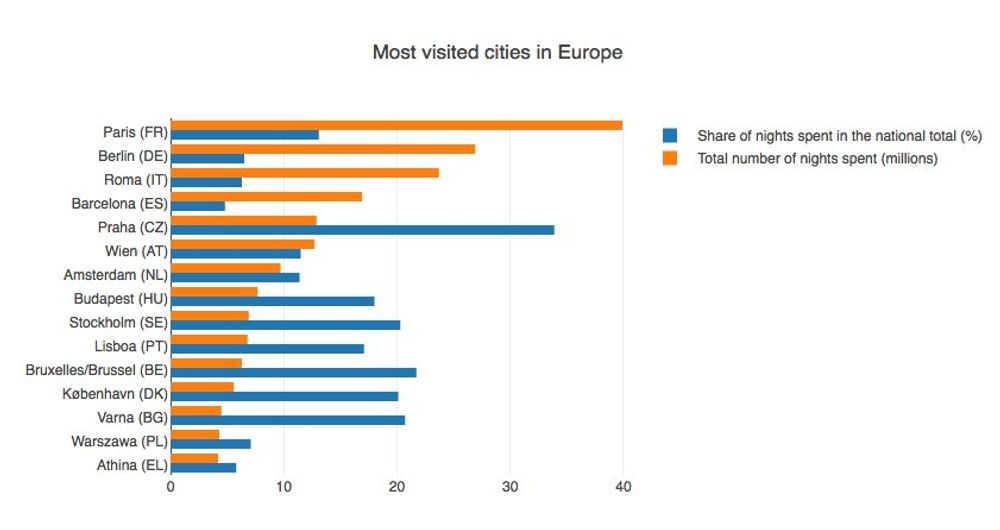
Most visited European Cities


Eurostats have a very interesting article and dataset about tourism in the different European cities. The chart above shows the most visited European cities in terms of millions of nights spent by tourists, next to the percentage of those related to the local population.

Amazing iceland


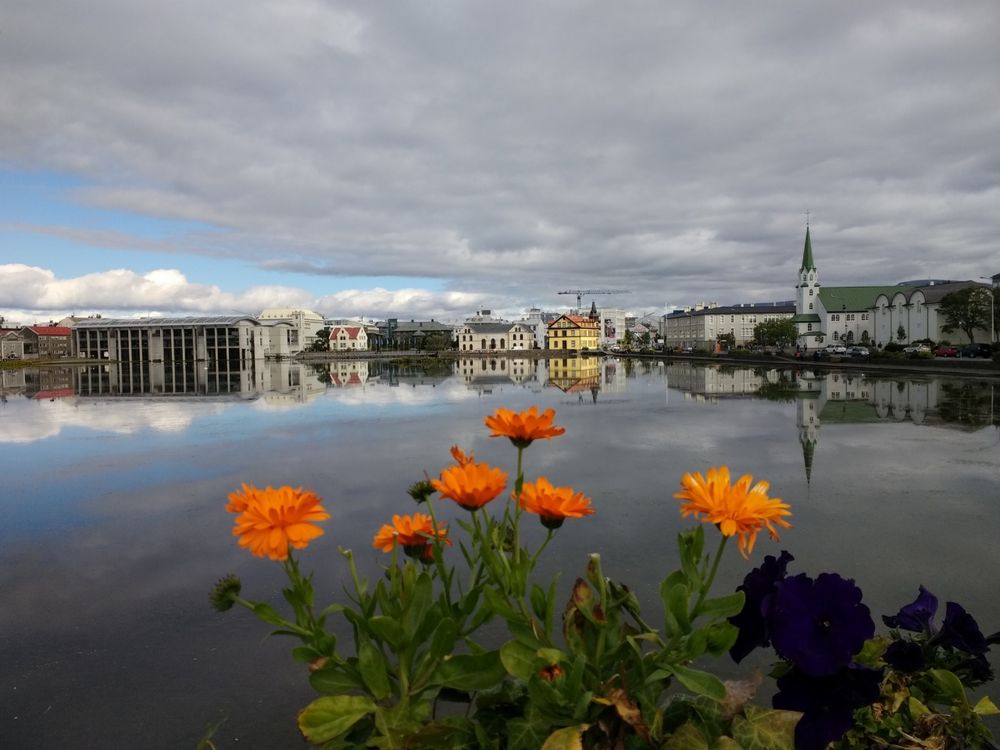
In the last days I had the fortune to visit Iceland for the first time, and I loved the country. The people are very friendly, and the landscapes are just stunning. The capital Reykjavik also has a very cool atmosphere, and it can be quite picturesque, as you can observe in the picture above, taken at the lake Tjörnin with the city hall in the background at the left corner.

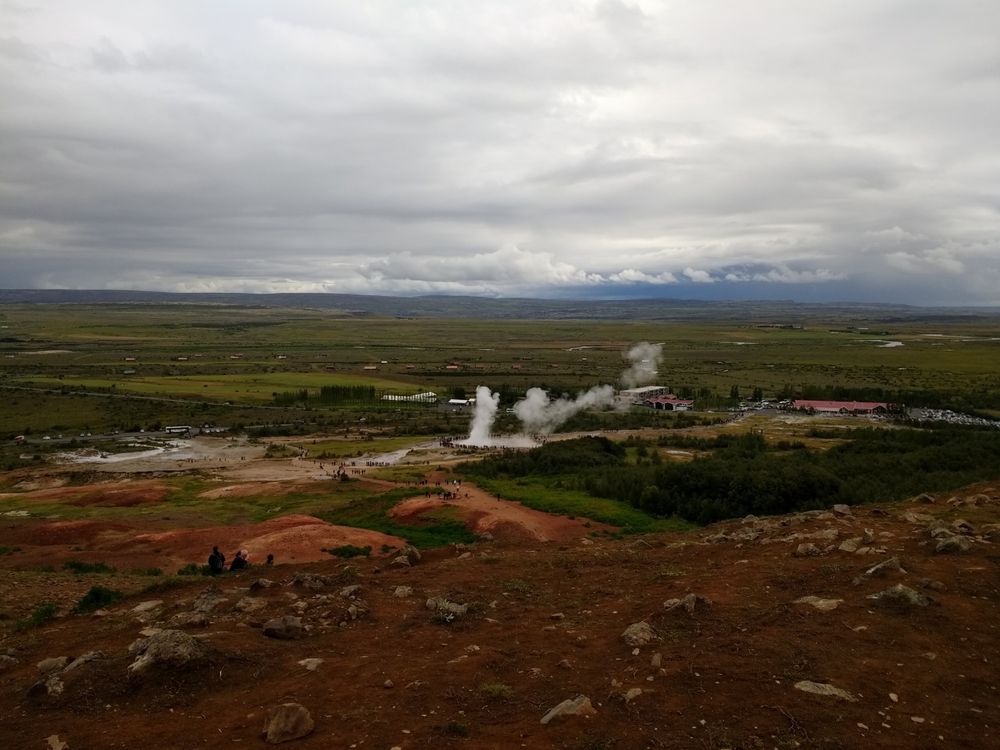
Also look at the Geyser blowing off steam every couple of minutes.

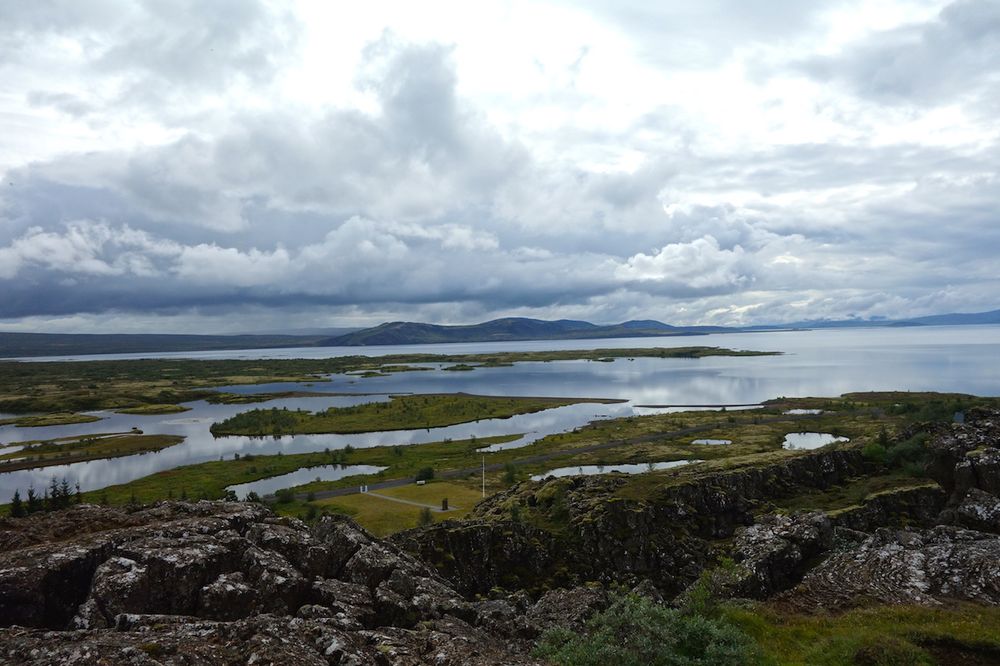
And finally, the Þingvellir National Park has some beautiful landscapes.

Conrad Schumann Statue


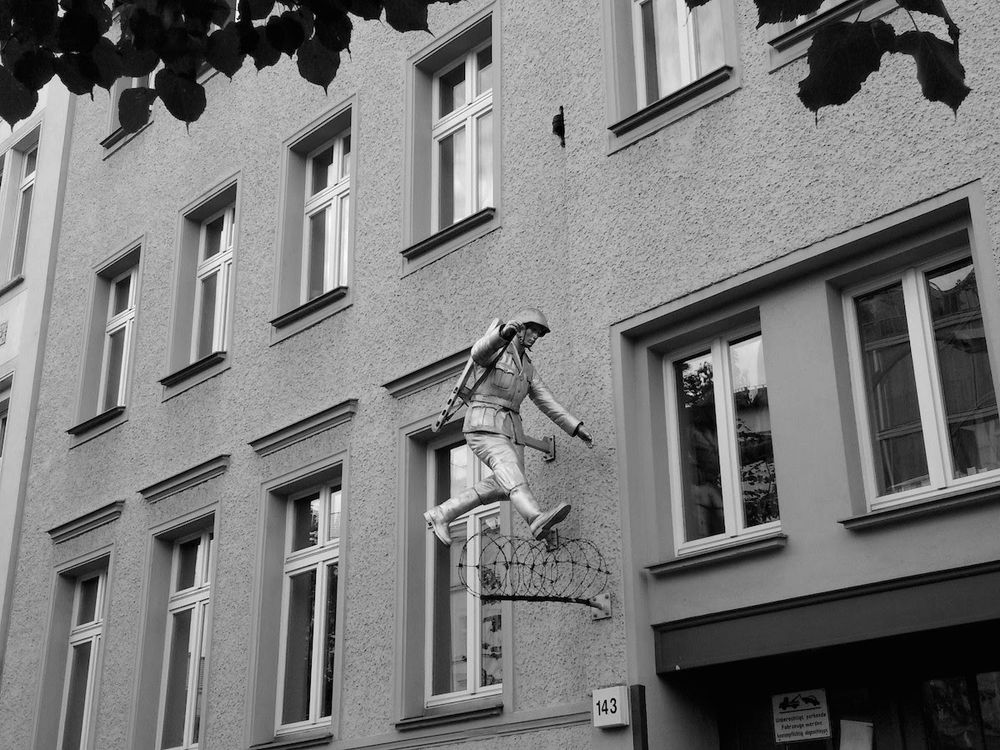
If you have never seen a picture with a soldier like the one in the statue above, then you don't know who Conrad Schumann is. This soldier from the East is one of the first and most famous defectors to West Germany when the border was being built and it was just a line of barbed wire. This statue is located in a building near Bernauer Straße.

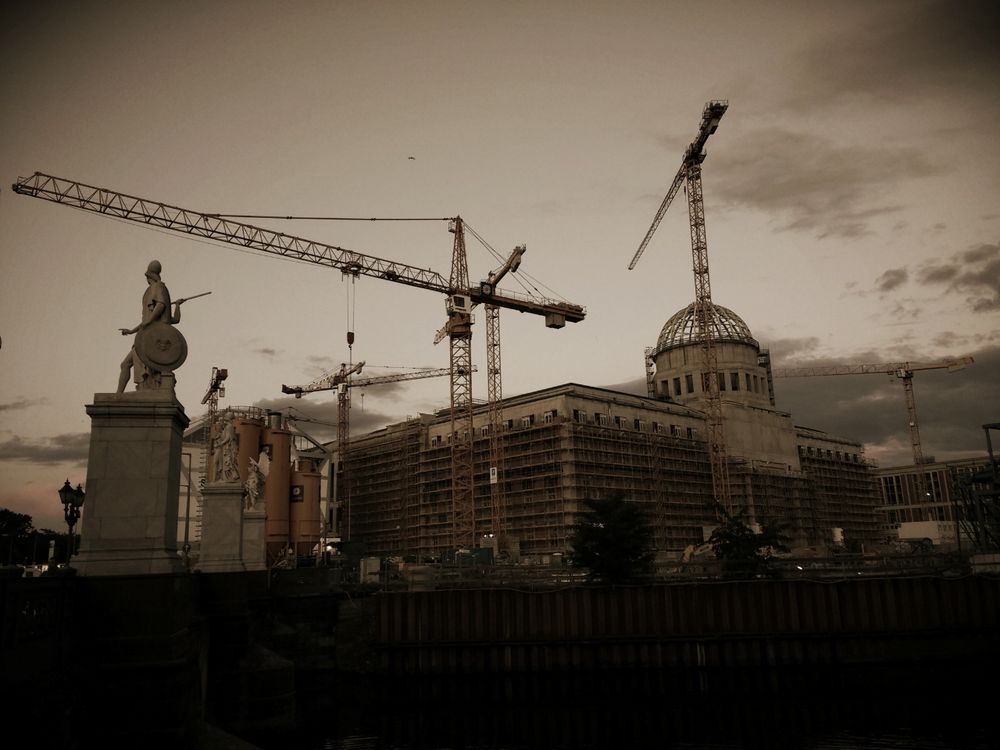
Humboldt Forum Progress


A couple of days ago I was walking by the Berliner Dom and I realised I haven't seen the progress of the Humboldt Forum construction in a while. The project is scheduled to finish in 2019, and, as you can see in this picture, it's definitively moving along.

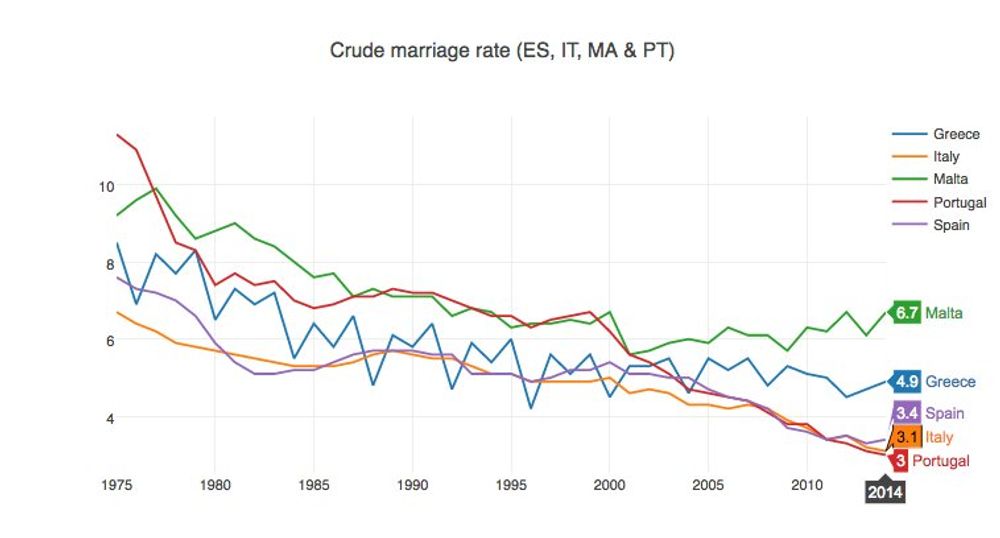
Europe Crude Marriage Rate


The Eurostats office has an interesting dataset containing the crude marriage rate data for the last decades across the EU. It's quite remarkable how even if Portugal has one of the lowest rates in the EU, it used to be one of the highest in the 70's.

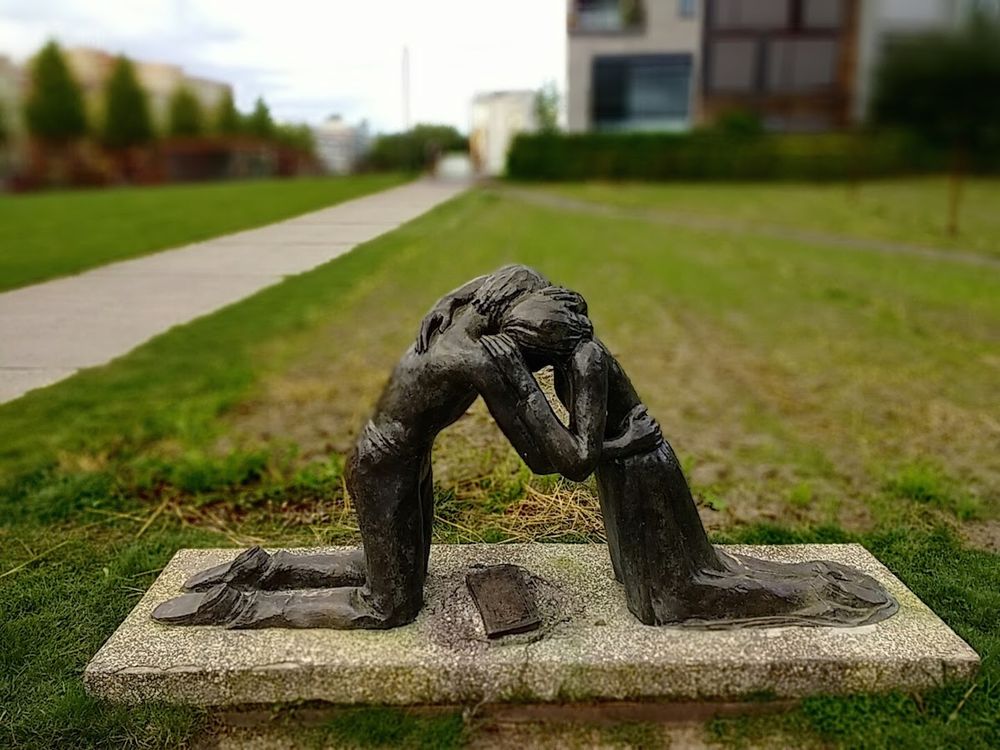
Reconciliation Sculpture


I have walked by the Chapel of Reconciliation in Bernauer St. many times, but yesterday I noticed for the first time the sculpture you see above. It's called Reconciliation and it was created originally by Josefina de Vasconcellos, an English artist of Brazilian ancestry and placed at the University of Bradford. According to Wikipedia, there are copies of this original work in the ruins of the Coventry Cathedral, the Hiroshima Peace Park, and this one here in the Berlin Wall Memorial.

A year ago in Berlin


Time really flies by! One year ago I took this picture in Berlin.

German border in Görlitz


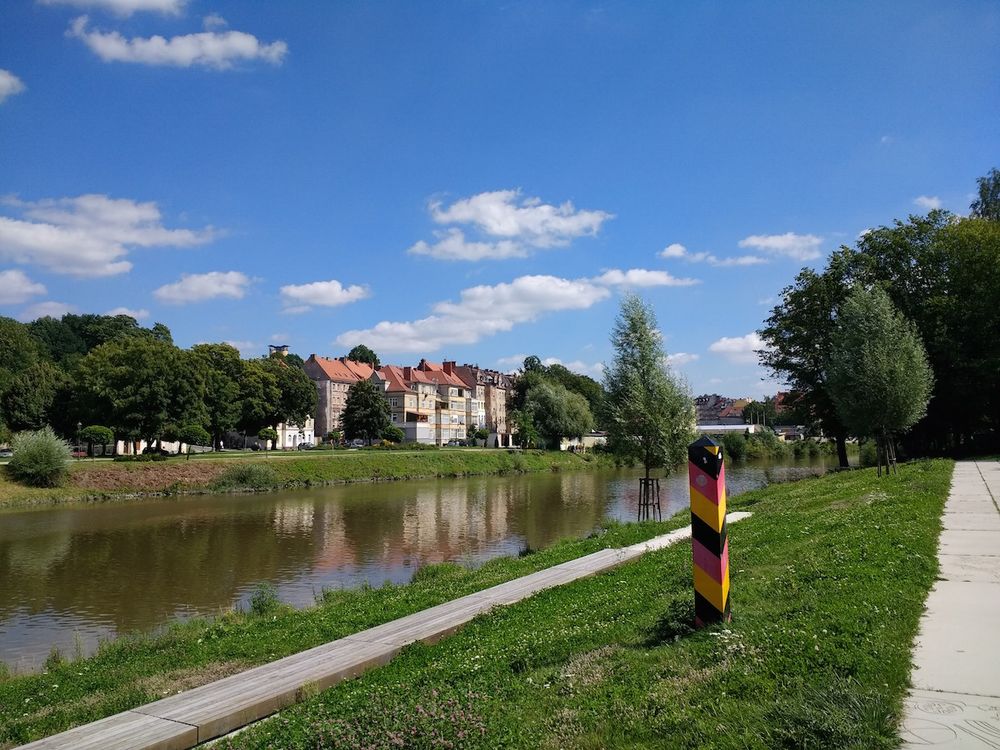
The German border in the eastern part with Poland is located in the town of Görlitz, which before 1945 was a single town. This border post shows the end of the country.

Population Change in Europe


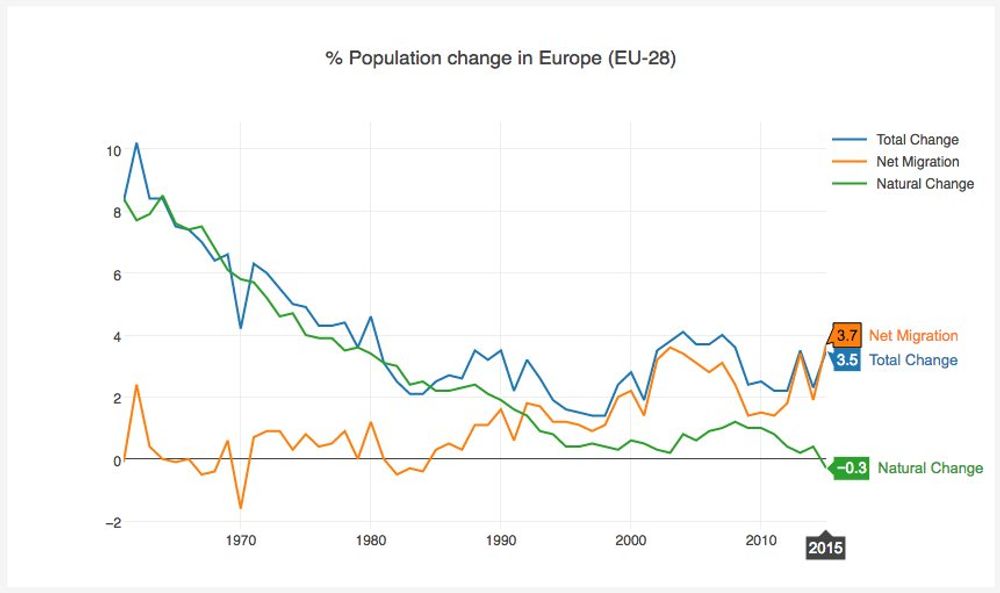
Eurostats has an interesting dataset showing the population change across Europe, including both the natural change and the net migration contribution. The graph above shows how the rapid decline trend is slowly reversing, but migration is the main component of this change.

Unemployment Rate in Ireland


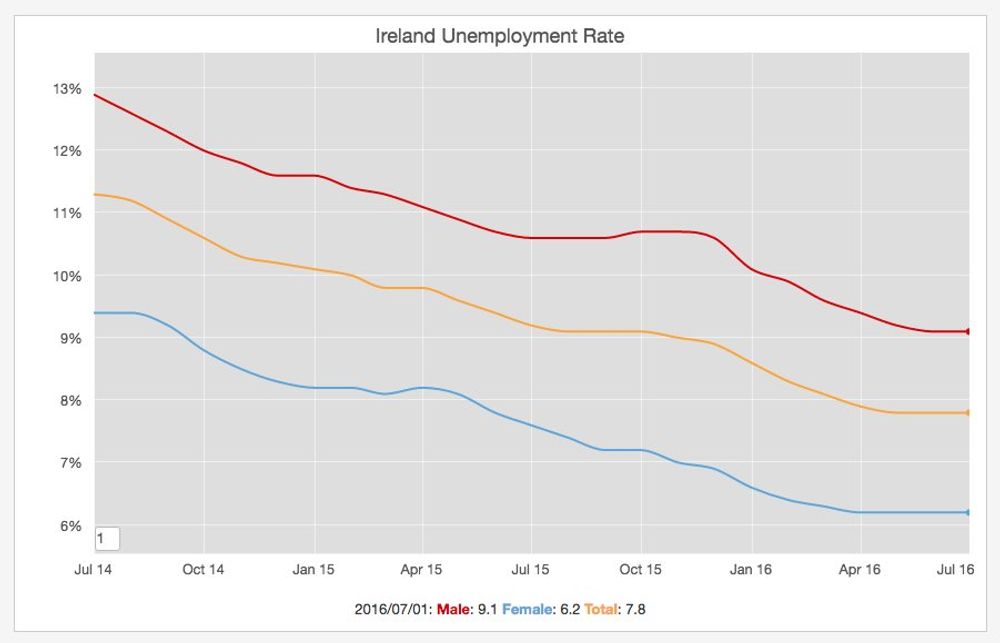
According to the Central Statistics Office of Ireland, the adjusted unemployment rate in the country during the last 2 months has been 7.8%. The trend is definitively going down. I blogged about it in January and it was more than 8% back then.

Nice picture in the Lustgarten


Last weekend on a sleepless night I set up the site pics.inberl.in to check the different pictures I have been taking in the city. When I was browsing through my collection, I found this cool photo I took in my first weeks in Berlin at the Lustgarten. I'm proud of the composition.

Mariastein Abbey


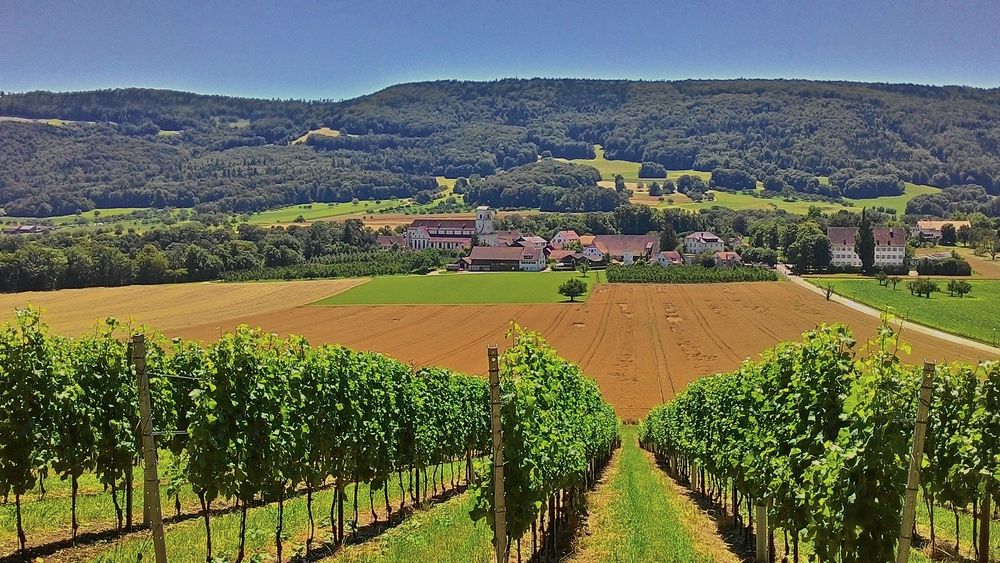
In the Canton of Solothurn, Switzerland, there is a Benedictine monastery called Mariastein, relatively close to Basel. Apparently, this place is a must for the Catholics, but it's also a nice place to walk around in the fields, as you can see on this picture we took yesterday.

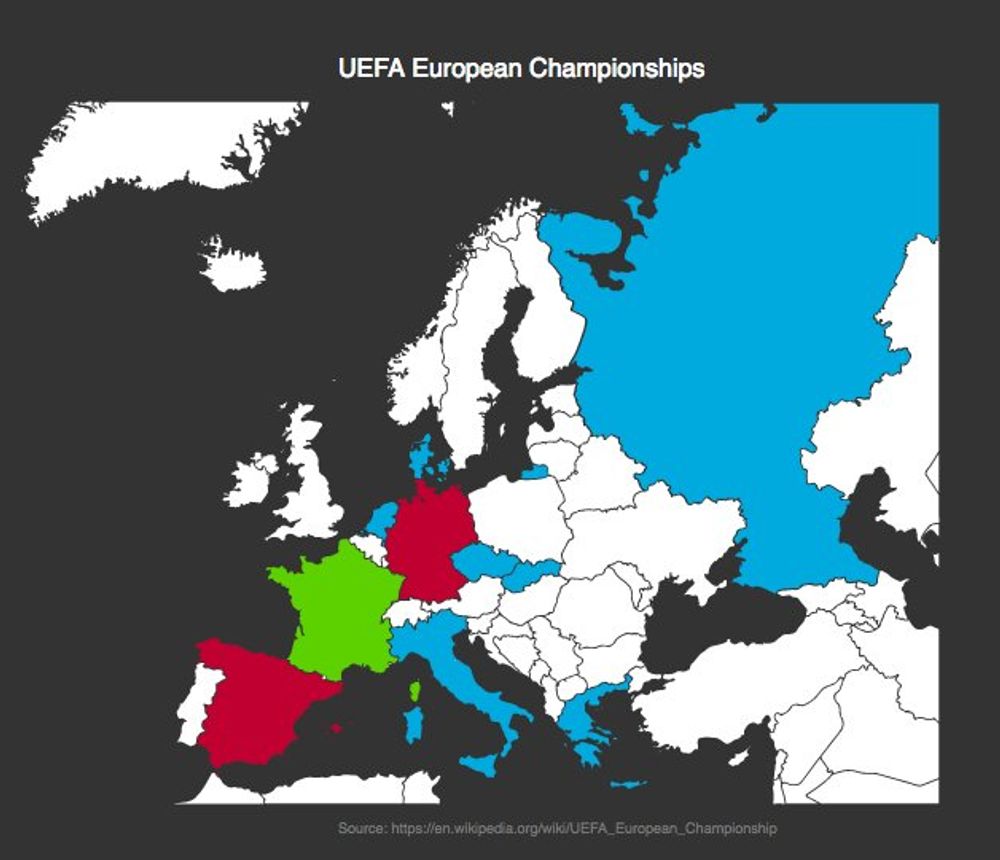
UEFA European Championship 2016 Winners


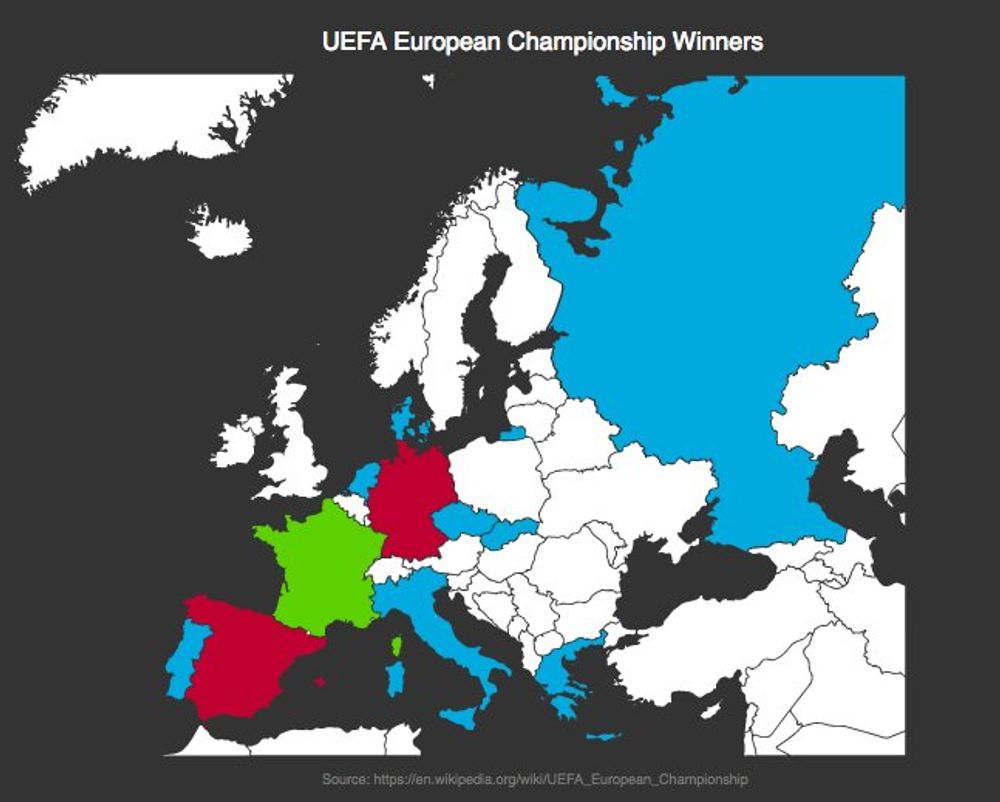
Yesterday Portugal was able to win a Championship title for the first time in an international competition, with an amazing goal from Eder in extra time. Well done, Portugal!

Unemployment In Europe


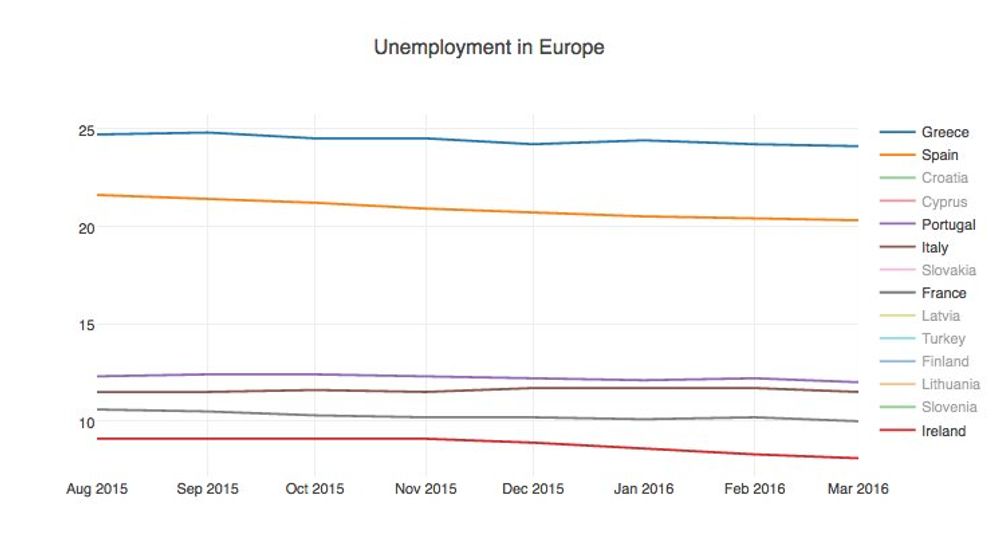
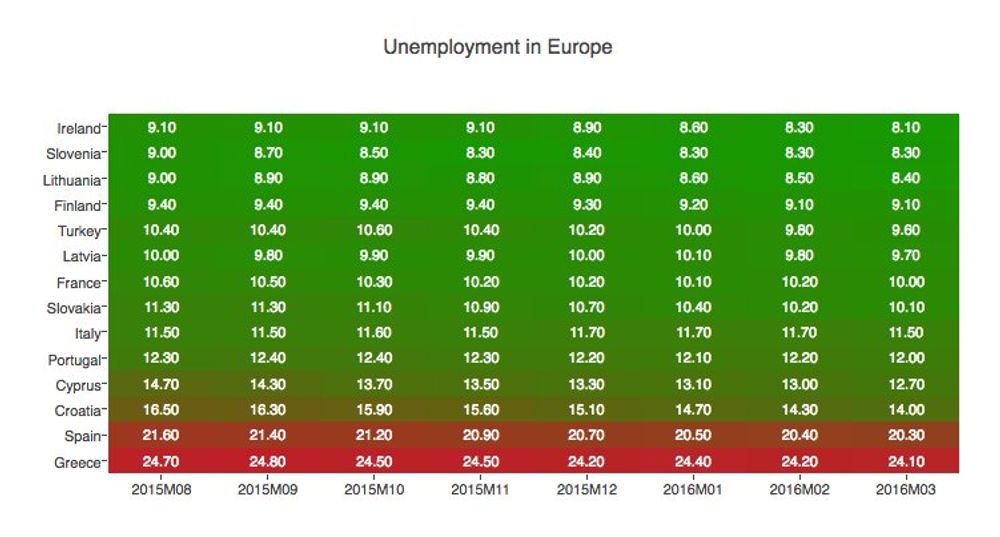
The charts above contain unemployment data extracted from the Eurostat data sources. Even if the trend is going down, it is still quite high in countries such as Spain and Greece.

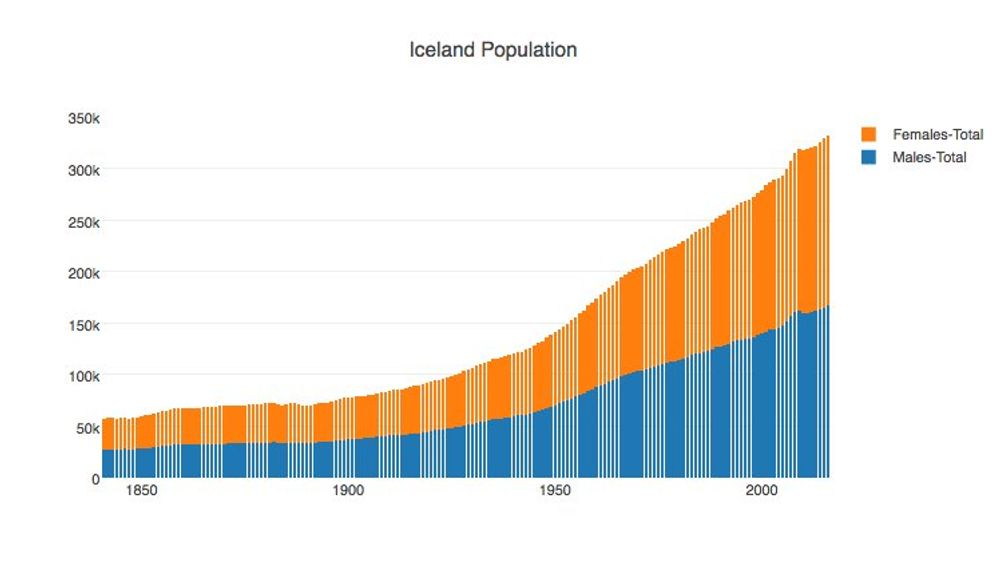
Iceland Population


Iceland Population. It's amazing how such a small country was able to go so far in the Eurocup. Well done Iceland!

Alcohol inflation in Europe


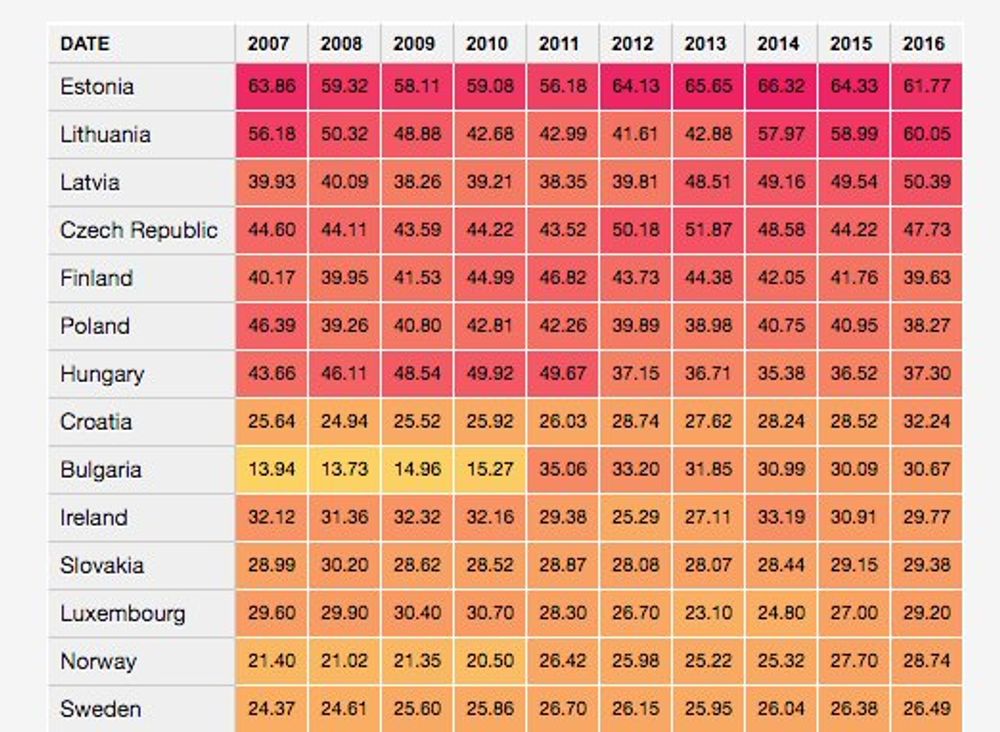
Inflation data from Eurostats. Alcohol is a big item in many of the "vodka belt" countries:

Istanbul


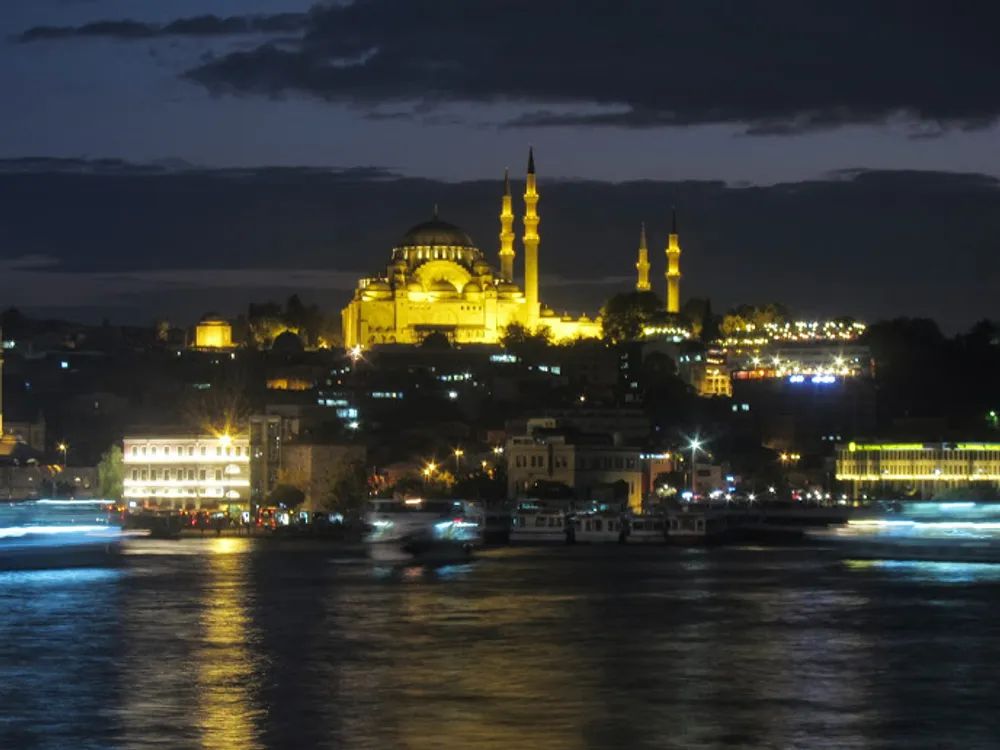
I was reading on the news that at least 36 people were killed in a suicide attack at Istanbul airport. It's pretty sad that this amazing city has been hit by different terrorist attacks this year: the March suicide bombing in Beyoğlu district, the January bombing in the Sultanahmet district, and now this attack at the airport. I had the chance to visit the city in 2013 and I loved it.

Sunday at the Tempelhofer Feld


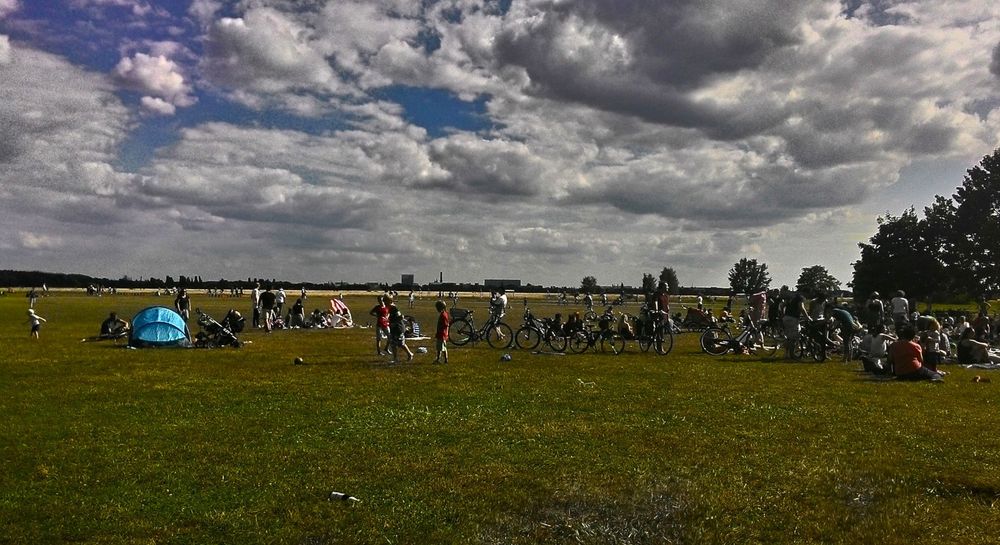
Last weekend I watched the Ireland / France game in the Tempelhofer Feld (pity we were so close to beating les bleus!). When I was leaving the place, I shot this picture with an interesting composition

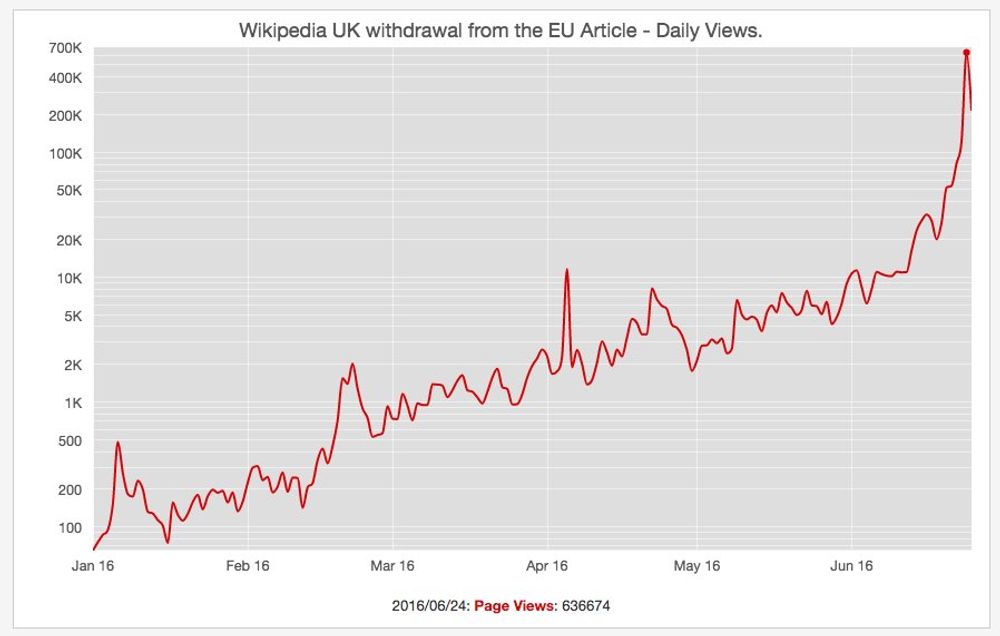
Wikipedia brexit trends


Brexit breakdown results per region


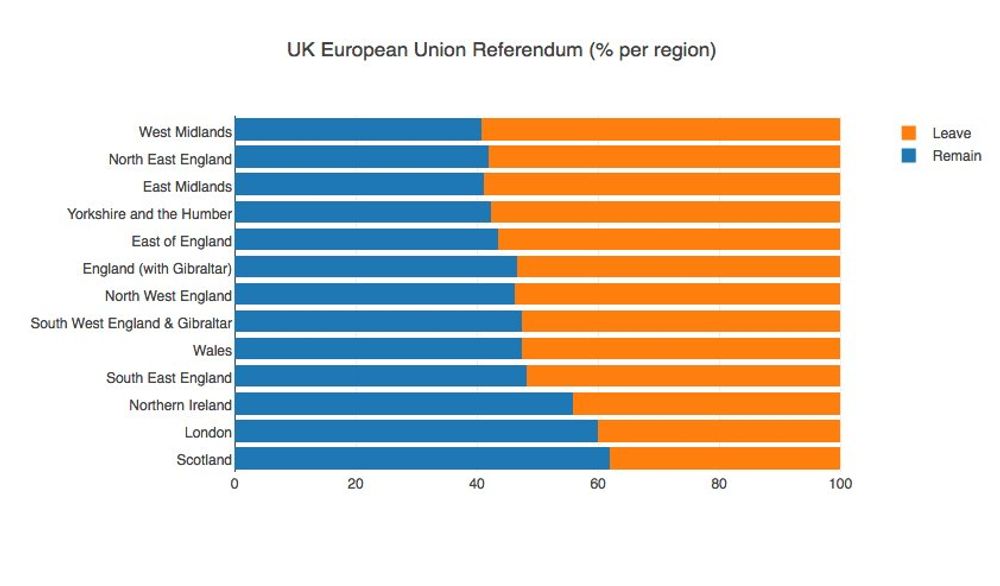
The chart above contains a breakdown per region of the Brexit vote results. In a nutshell England and Wales voted to leave (with the exception of London) and Scotland and Northern Ireland voted to remain.

Scotland voted to stay in the European Union


It's shocking that the UK decided to leave the European Union, but on the other hand, Scotland voted clearly in favour of the UK staying in the EU by 62% to 38%—with all 32 council areas backing Remain. Heading towards a new Scottish independence referendum?

UEFA European Championship Winners


Brexit Polls


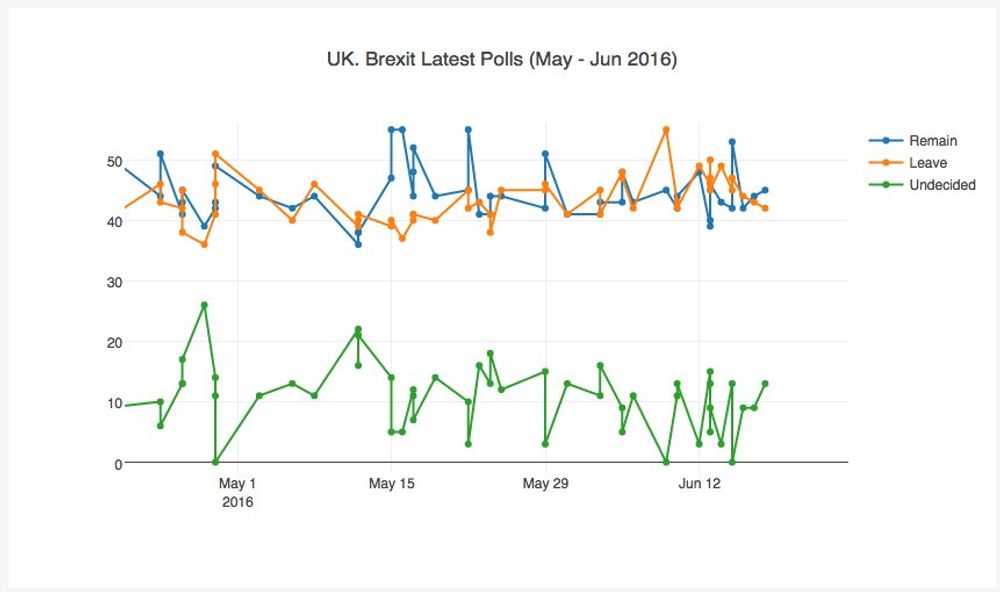
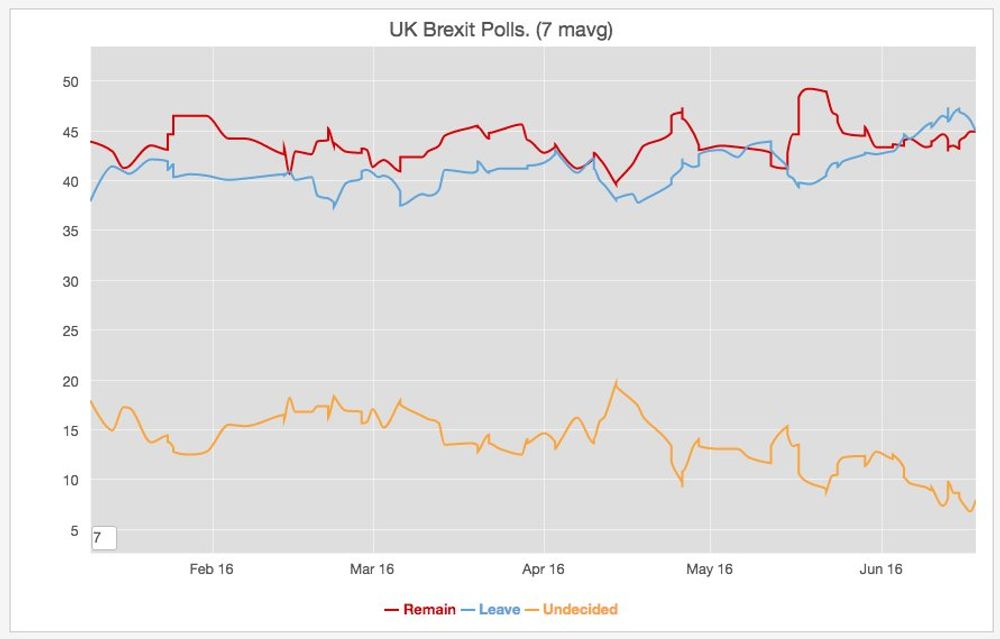
According to this Wikipedia article that tracks all the polls related to the British referendum on the European Union membership (Brexit), it's going to be a close call even if the remain vote has been gaining ground in the last days.

In last week's episode, John Oliver summarised quite nicely why [leaving the European Union](https://www.youtube.com/watch?v=iAgKHSNqxa8) would be such a bad deal for the United Kingdom. Crossing the fingers.

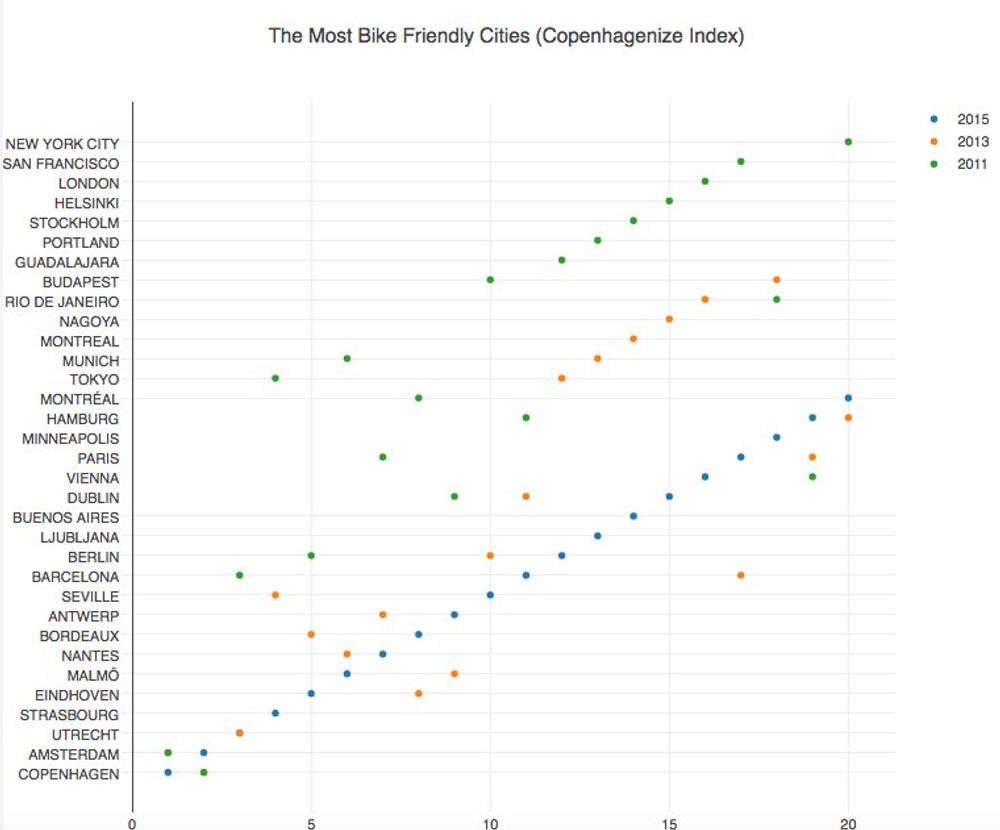
The Most Bike Friendly Cities


Amsterdam and Copenhagen are the most bike-friendly cities in the world based on the Copenhagenize Index

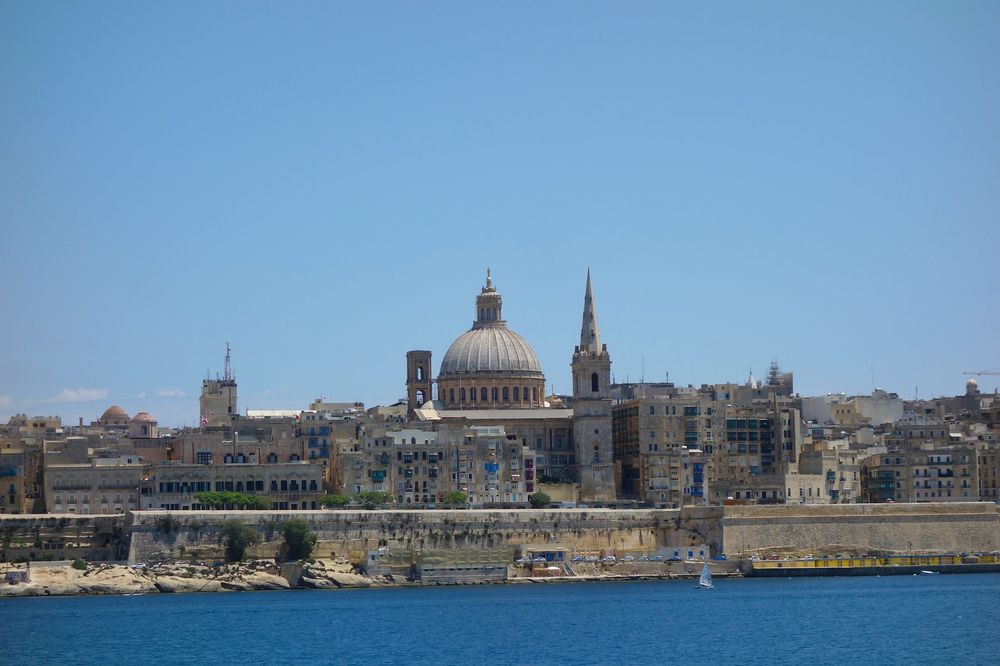
Playing with light in Birgu


Backlight is not necessarily bad. Sometimes you get really nice silhouette pictures like this one I was able to shoot in Birgu, Malta.

Fascinating Malta


The island of Malta is in the middle of the Mediterranean Sea, and it was in the past a crossroads between Africa and Europe. The history of this place is therefore fascinating!

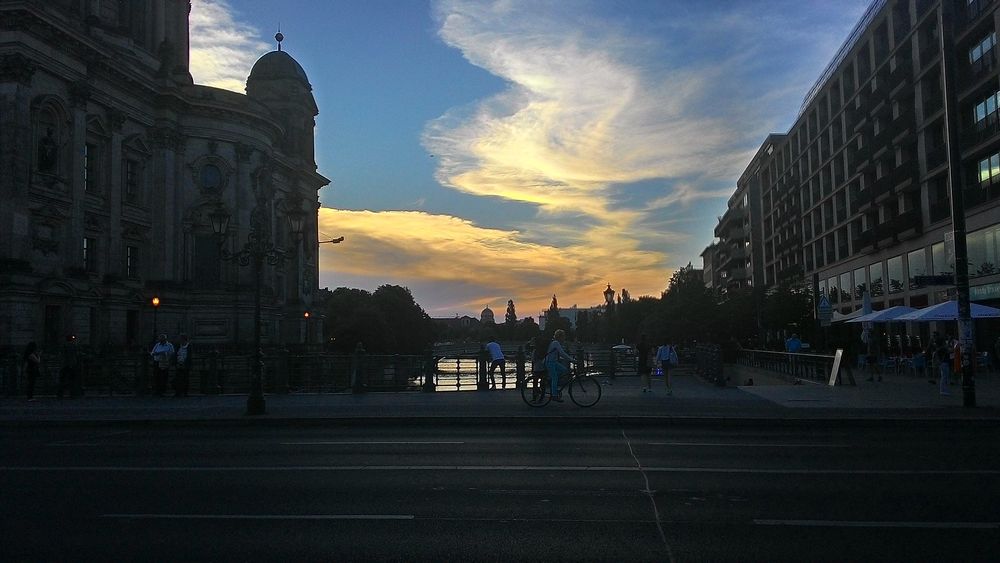
Berliner Himmel


The Berlin sky is so photogenic during springtime!

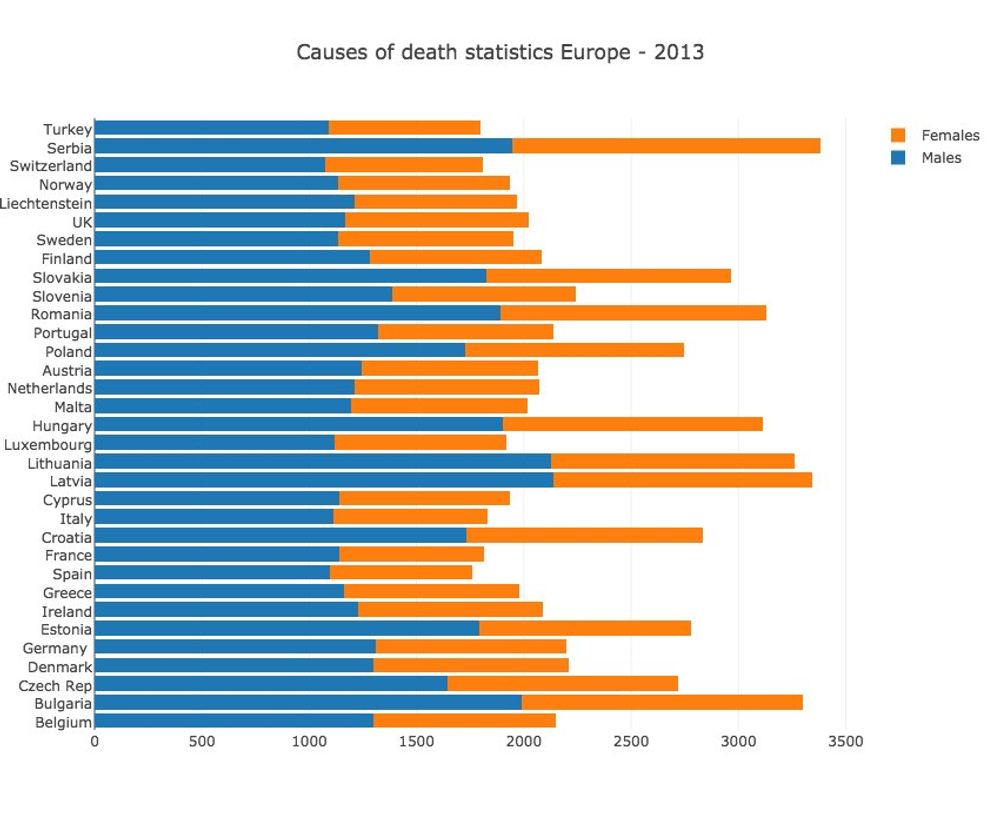
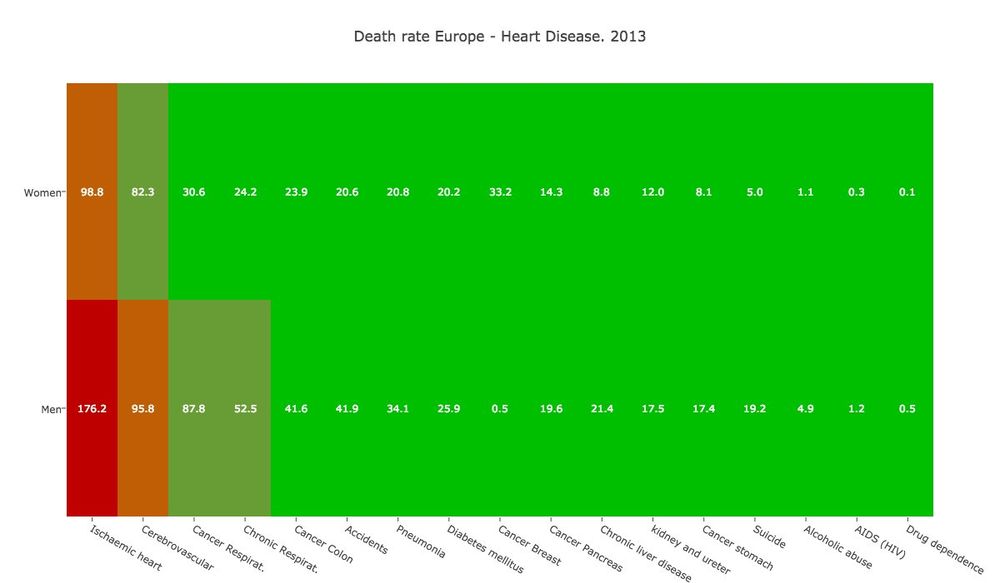
Europe Death Statistics


Eurostat has a dataset with statistics on causes of death in the European Union (EU). The highest rate happened in the Baltic countries of Latvia and Lithuania. Heart disease is the leading cause of death across Europe.

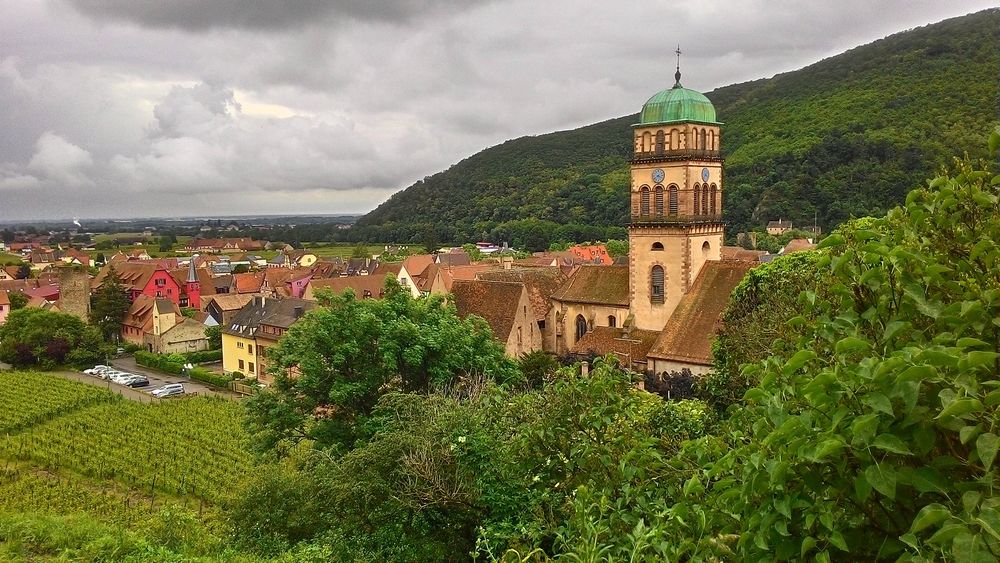
Visiting Kaysersberg in Alsace


Bowie at the Wall of Fame Mural in Basel


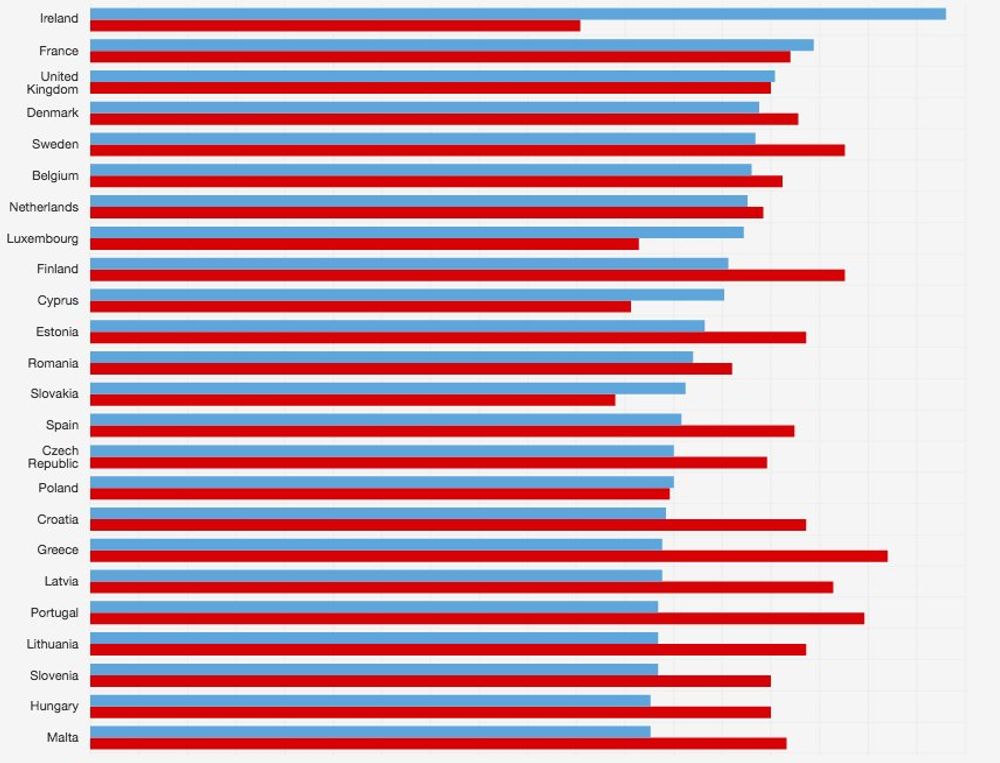
Europe Population Structure


The European Union statistical office has an interesting article related to the impact of demographic ageing within the European Union (EU). One of the data tables shows the breakdown of the population for ages 0-14, 15-64, and over 65. The previous chart shows this breakdown by country for the 0-14 and +65 brackets. It's interesting how Ireland is the youngest country by far.

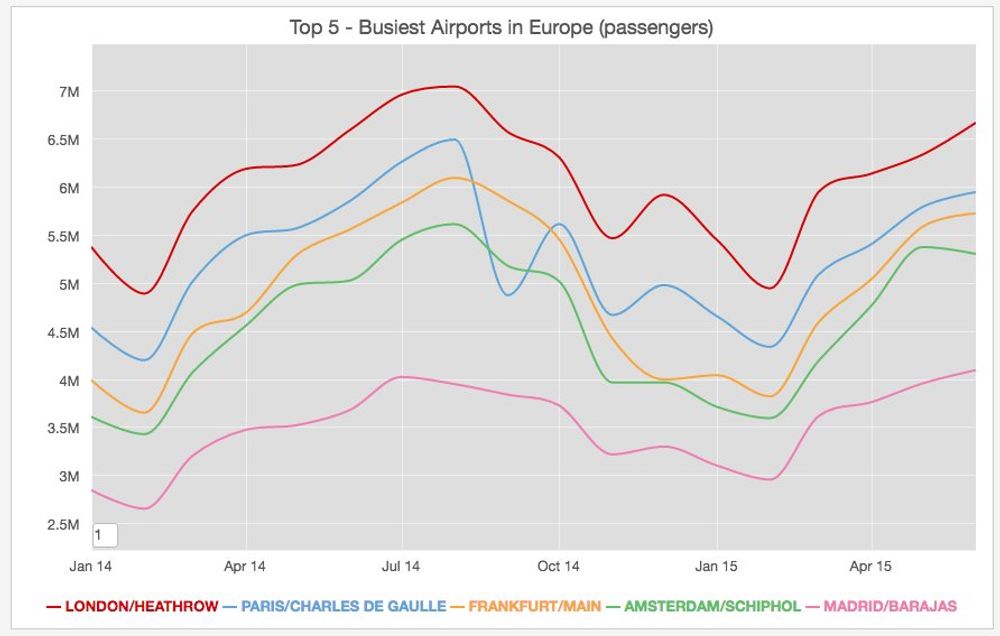
Busiest Airports in Europe


Graph with the busiest airports in Europe based on the passenger totals. Data from: Air Passenger Transport Statistics

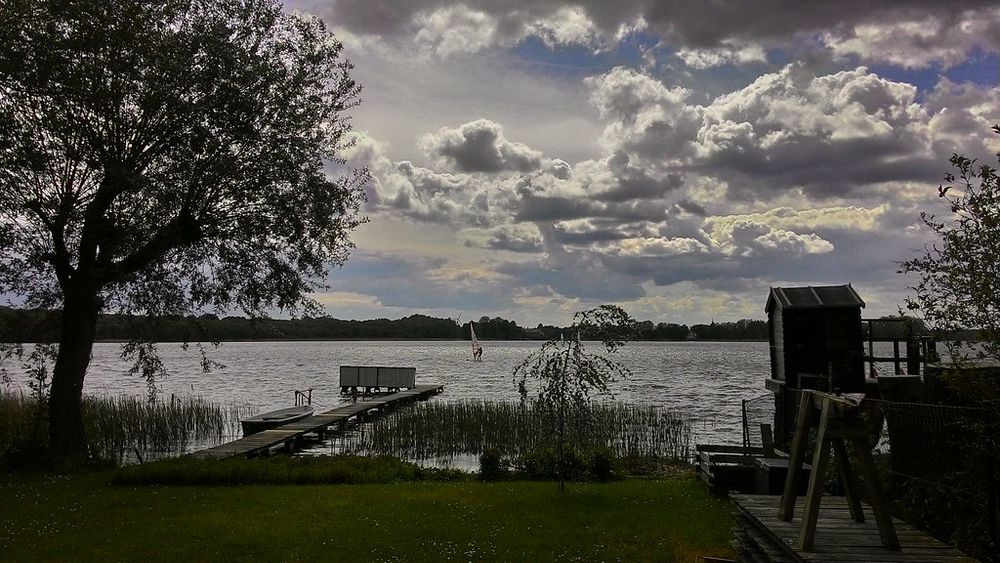
Wandlitzer See


Yesterday I did a nice bike ride from Berlin to the Wandlitzer lake, located some 30 km north of the capital city. The area is really beautiful as you can see in this picture.

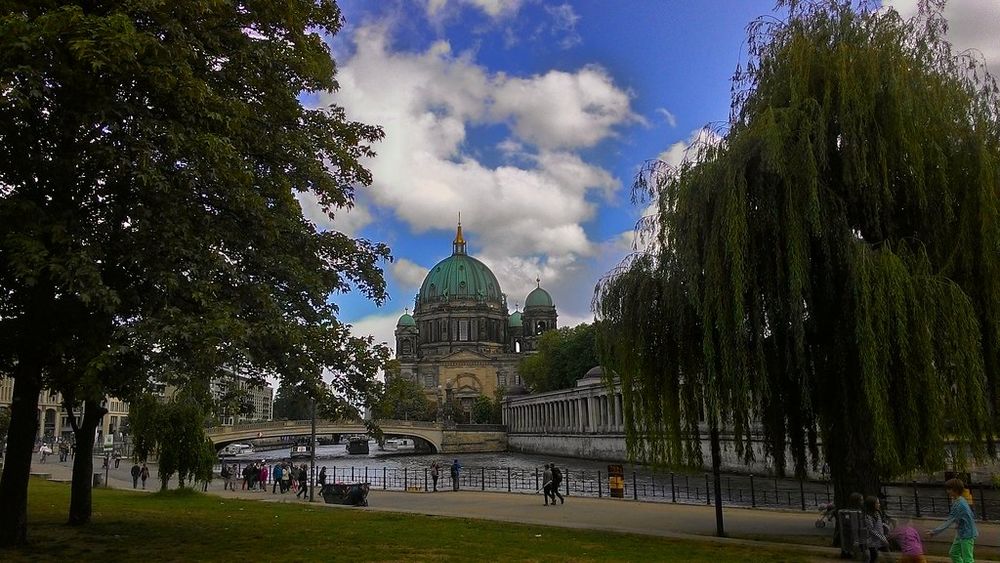
Berliner Dom


Berlin Salary Report


Yesterday, at Jobspotting, the company where I work, we published the very interesting Berlin Salary Report with data and analysis related to the wages in the German capital city. One of the most interesting charts of the report is the treemap above that summarises the salary median based on the years of experience and the area of work.

As you can see on the graph, the people working in Management and Software Development have the highest salaries in the scale, and this is related to the years of experience. Interesting. #BerlinStartupSalaries

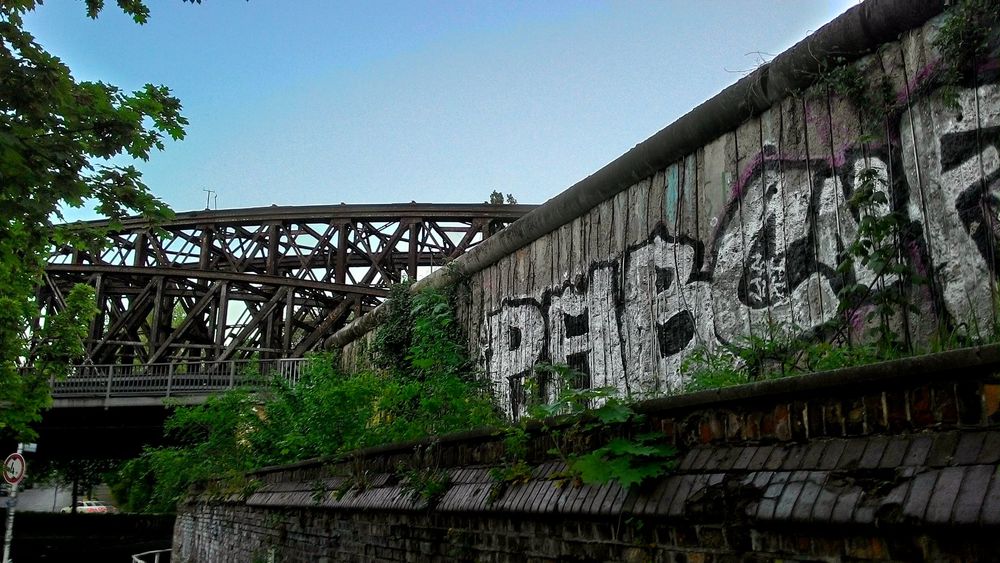
Another brick of the former wall


Walking from the Nordbanhoff through Gartenstraße, you arrive at the roundabout in Liesenstraße where there is a hidden but nice remnant of the former wall.

Nice Berliner Skies


The weather is improving in Berlin and the skies are very nice again. This picture was taken in the colorful street of Oderbergerstraße.

Visiting the hanseatic city of Stralsund


The Hanseatic League was a confederation established by different merchant guilds and the market towns where they operated for the purpose of mutual defense and commercial trading. Between 1400–1800, it dominated trade in the northern coasts of Europe. The German city of Stralsund was one of the most important cities of this confederation.

Yesterday I had the opportunity to visit the city where I took this picture.

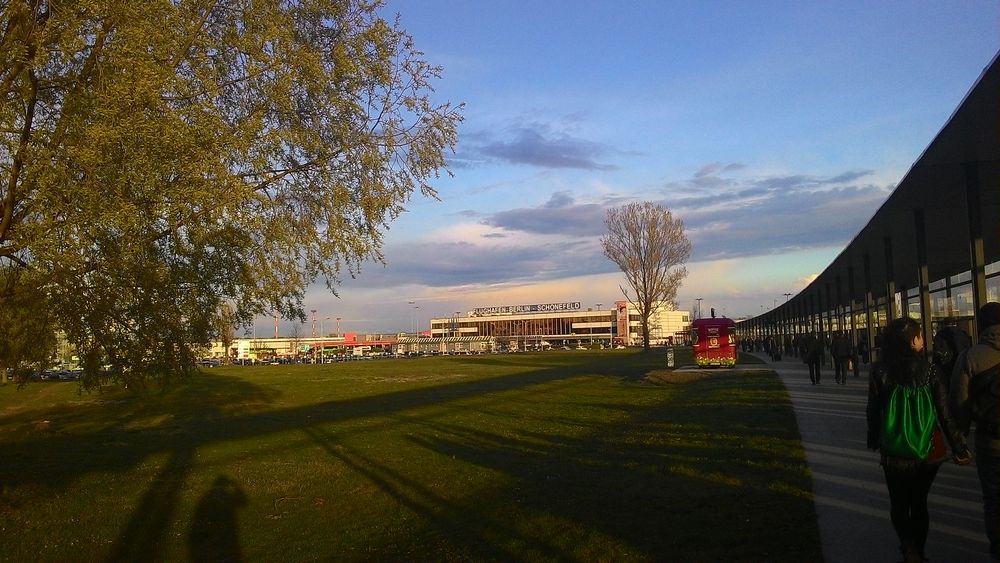
Nice light in Flughafen Berlin-Schönefeld


Last Friday, when I went to the airport to catch a flight, I was able to capture this nice shot of the Berlin airport with the spring sunlight.

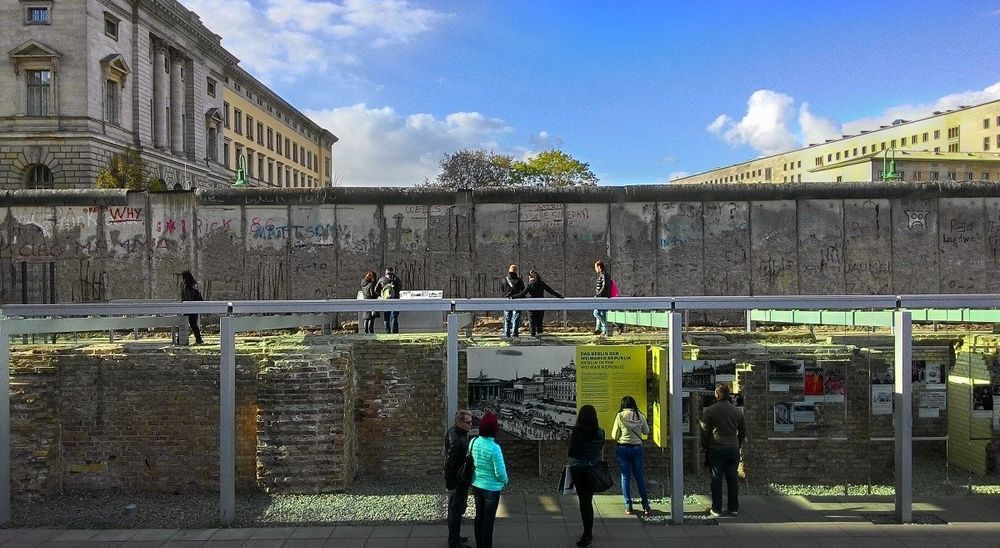
Berlin Wall in Niederkirchnerstraße


One of the last vestiges of the Berlin Wall in the Topography of terror in Niederkirchnerstraße.

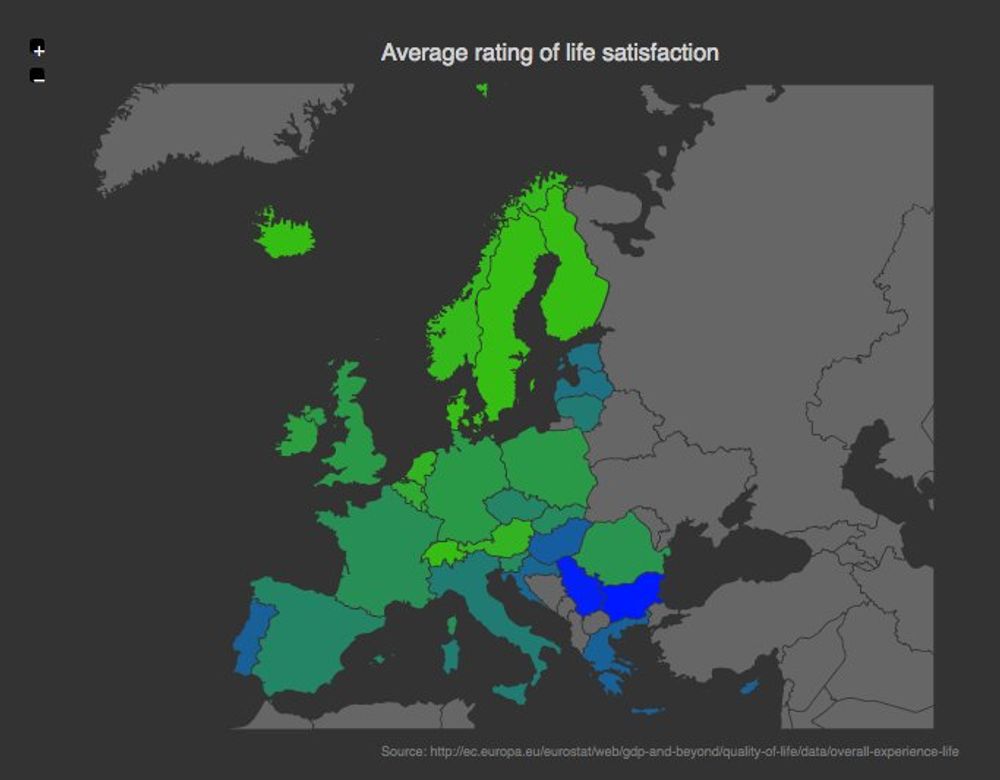
Europe average rating of life satisfaction


Eurostats have a dataset with the average rating of life satisfaction by income quintile, household type and degree of urbanisation. The overall data shows that the Scandinavian countries are the most satisfied, while Bulgaria and Serbia are the least satisfied.

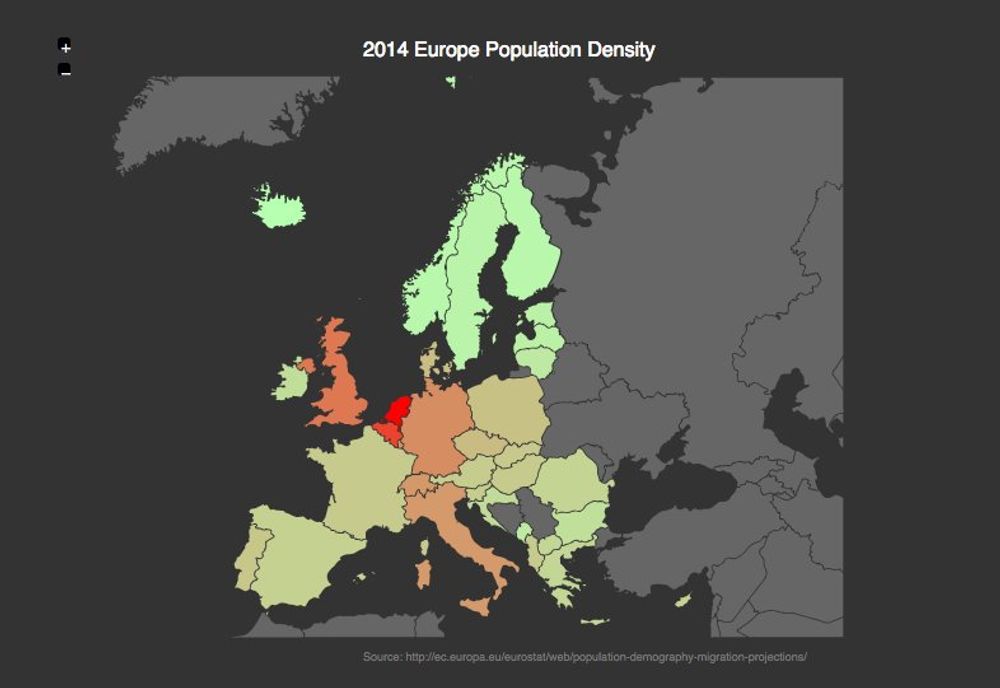
Europe Population Density


The European Union Stats office offers a dataset with the population density per country. The map above shows the latest data available from 2014. It's not surprising that Netherlands and Belgium have the highest density in continental Europe.

Battle of the nations in Leipzig


The spring is back in Berlin


Picture taken in the Görlitzer Park last weekend. It was a sunny and warm Saturday, so the people poured to the Cafes and Parks in Berlin!

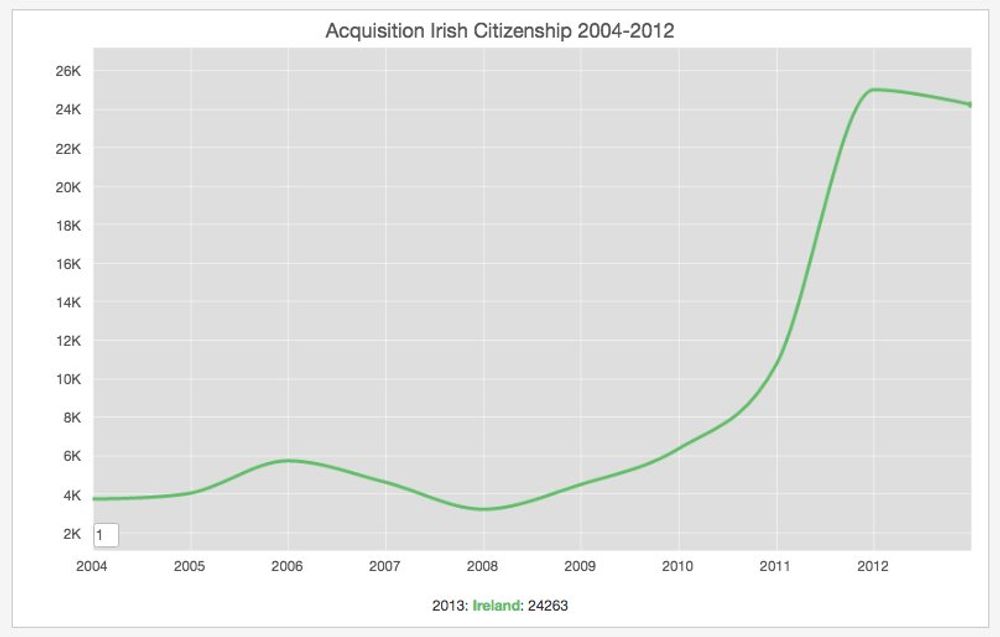
Acquisition Of Irish Citizenship Statistics


The European Union stats office publishes interesting statistics related to the acquisition of citizenship in the EU. Yesterday it was the anniversary of my Irish one, so I pulled out some stats related to Ireland.

The first chart shows the increase in the number of new citizens from 2011, when the government streamlined the process of reviewing the applications, cutting a very important backlog.


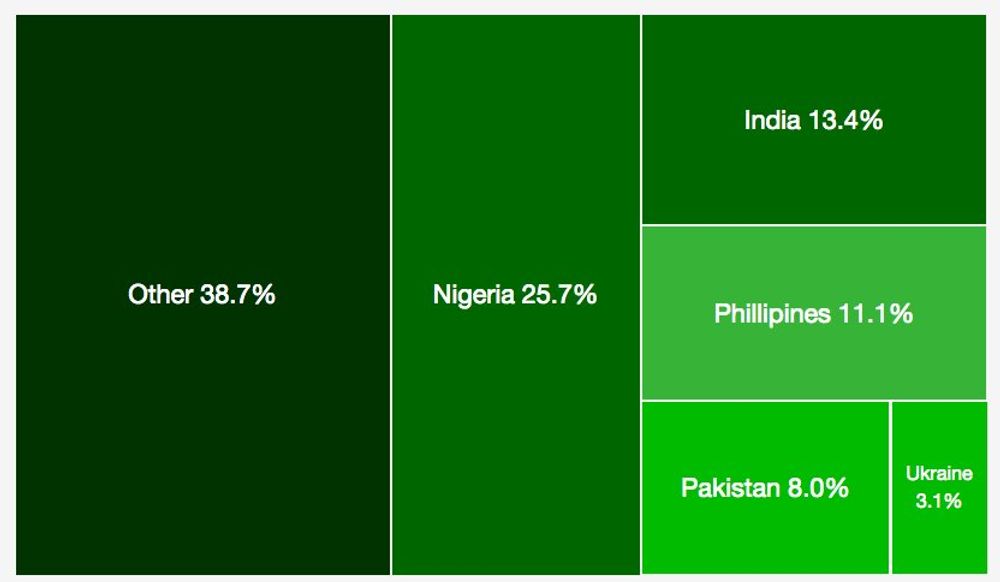
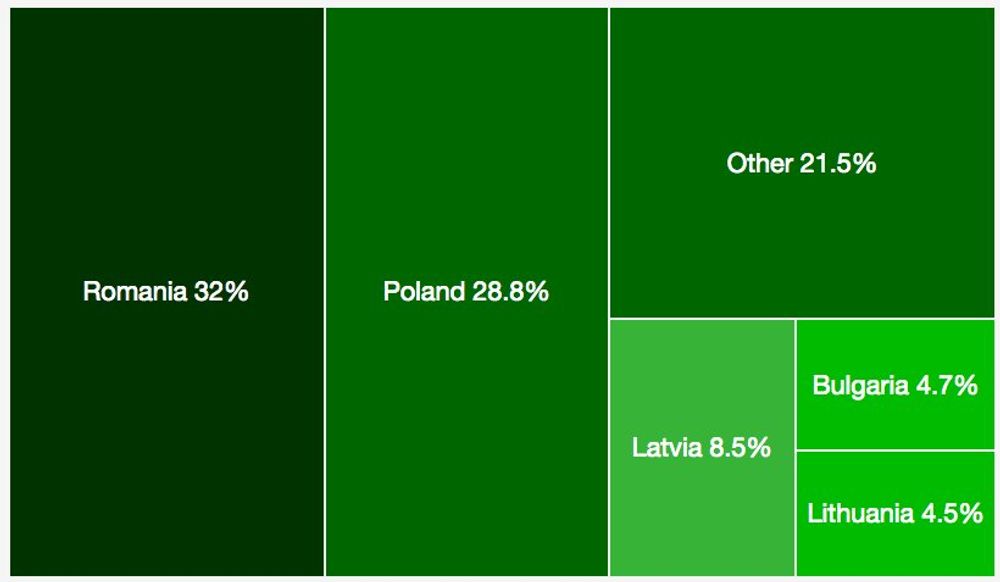
The data contains additional information about the origin of the naturalised citizens both from the EU and Non-EU countries:

Living in Europe with a European passport definitely makes life way easier, so thank you very much Ireland.

100th Anniversary Of The Easter Rising In Ireland


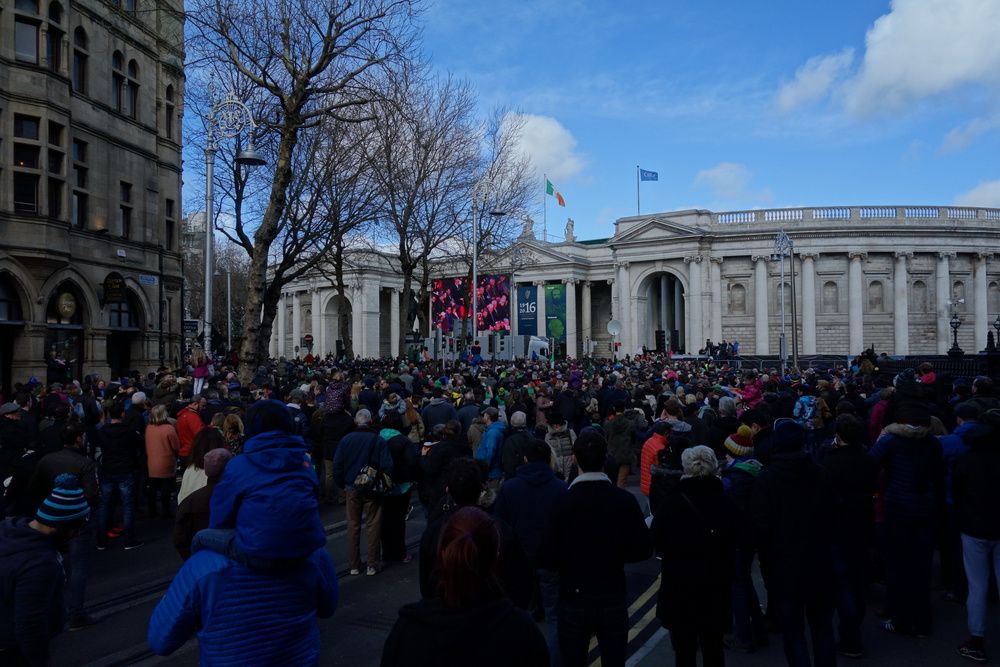
Last weekend I visited Dublin for the 100th year anniversary of the Easter Rising, when Ireland started the process to become an independent republic. The city was absolutely packed as you can see in this picture taken at College Green.

European Union GDP Treemap


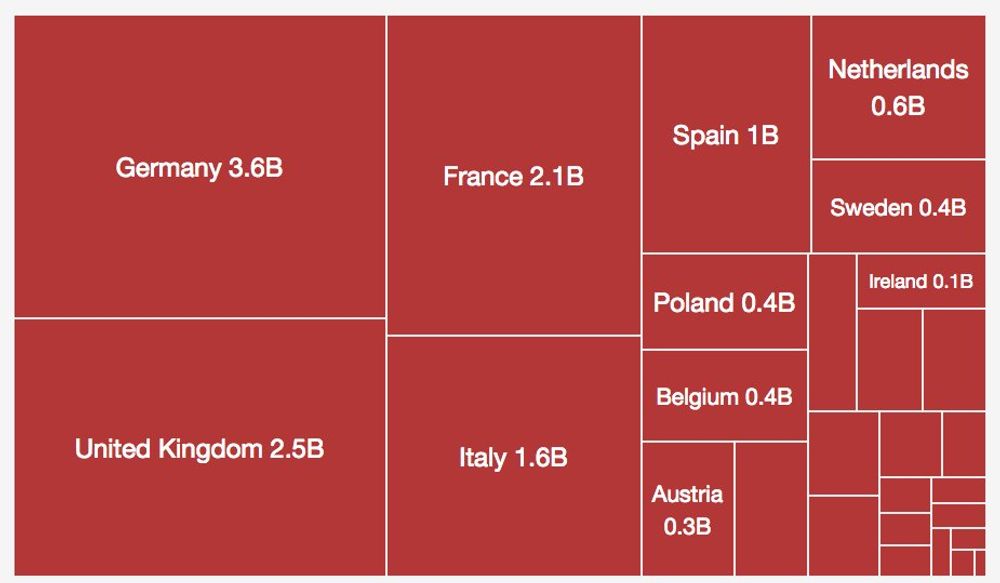
Playing with treemaps. Here is one with the GDP of the countries from the European Union. Germany and the United Kingdom are the biggest ones.

Interesting Picture In Vitra Design Museum


Interesting picture taken today in the Vitra Design Museum when the sun was starting to go down.

Where The Irish Emigrants Live


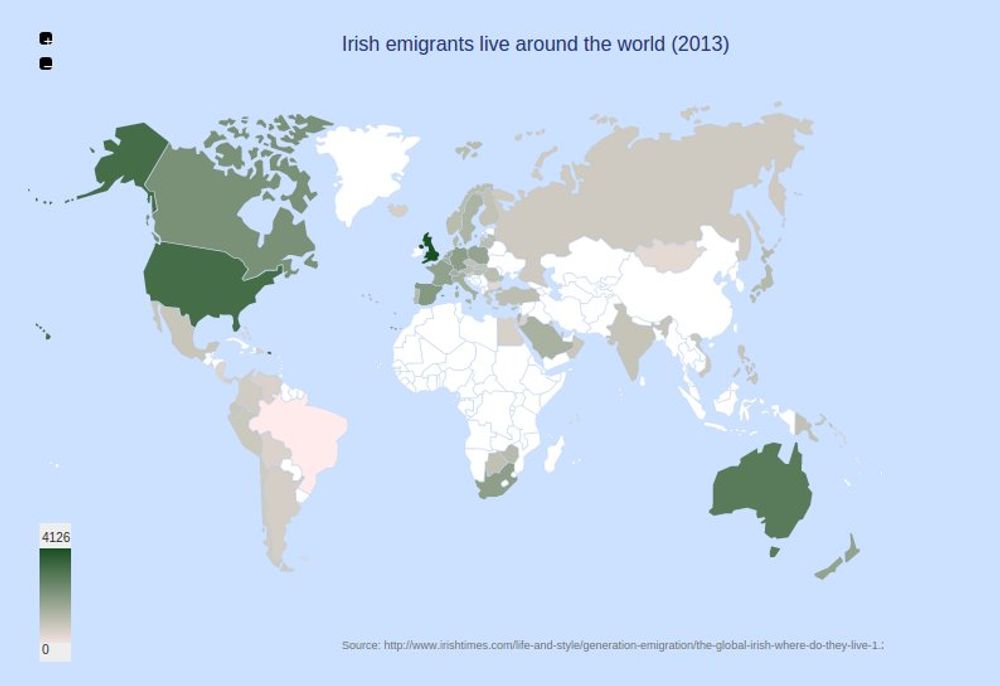
Last Thursday it was Saint Patrick's Day and the Irish pubs were celebrating the occasion in Berlin. I remembered last year I also celebrated it in Dunedin NZ. The Irish Times published an article a couple of years ago with data about where the Irish emigrants live in the world:

The usual suspects are on top of the list: United Kingdom, United States, Australia, Canada, and South Africa.

Beautiful Day In Prenzlauer Berg


Oberbaumbrücke On A Cloudy Day


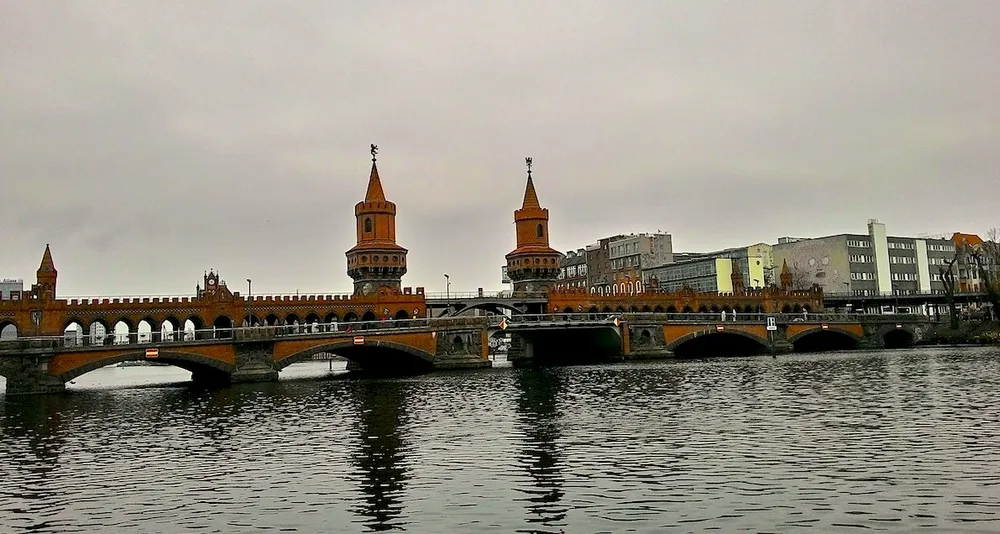
Today we were walking along the East Side Gallery and when we passed by the Oberbaumbrücke, I got this picture of this landmark bridge on a cloudy day.

European Tourists In Berlin 2016


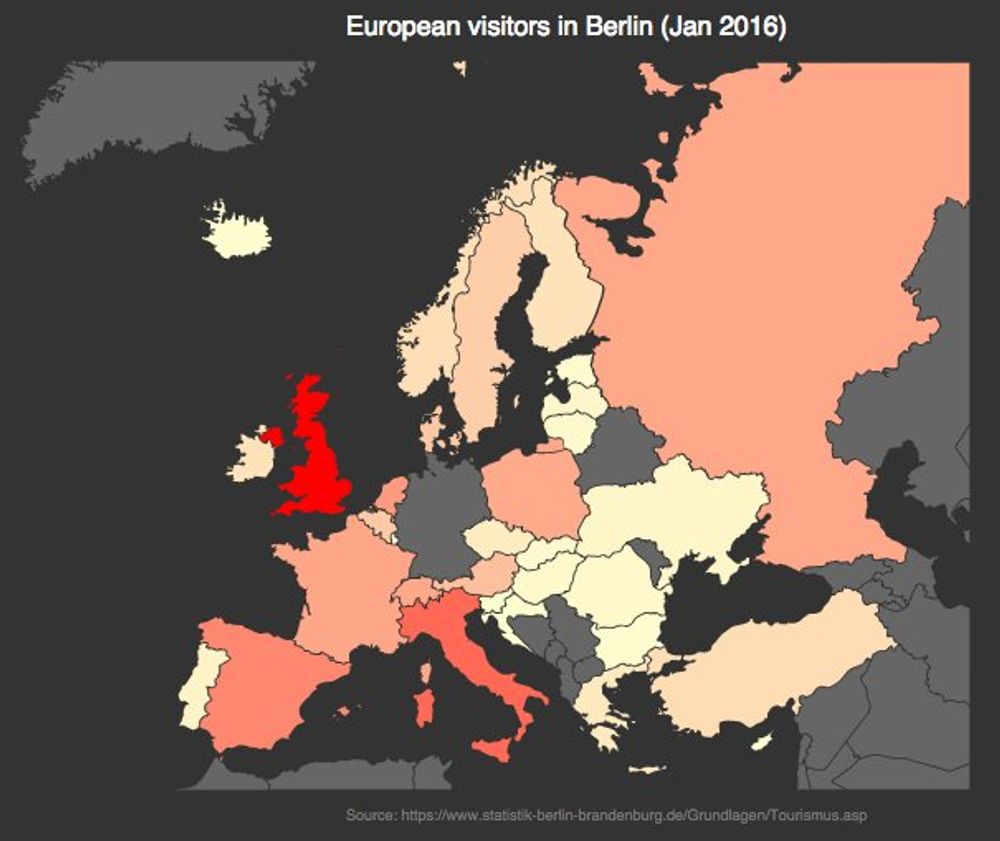
Some weeks ago I wrote about the percentage of foreigners living in Berlin. The office for Statistics for Brandenburg Berlin offers an interesting dataset related to tourism and the foreigners visiting the city. The latest data available is from January 2016 and it shows how the highest number of European tourists comes from the UK:

Women International Day And Gender Gap


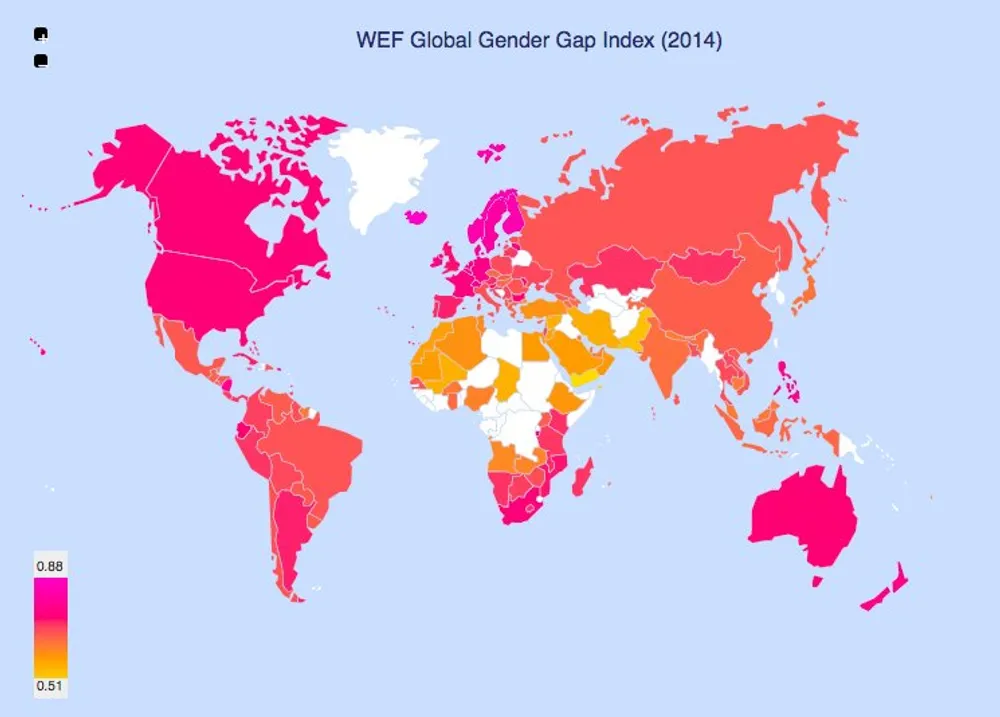
A couple of days ago, the International Women's Day was celebrated. Even if some friends get offended by this day, I believe it's important to highlight how, unfortunately, there are differences between men and women as reported by the WEF Gender Gap Report:

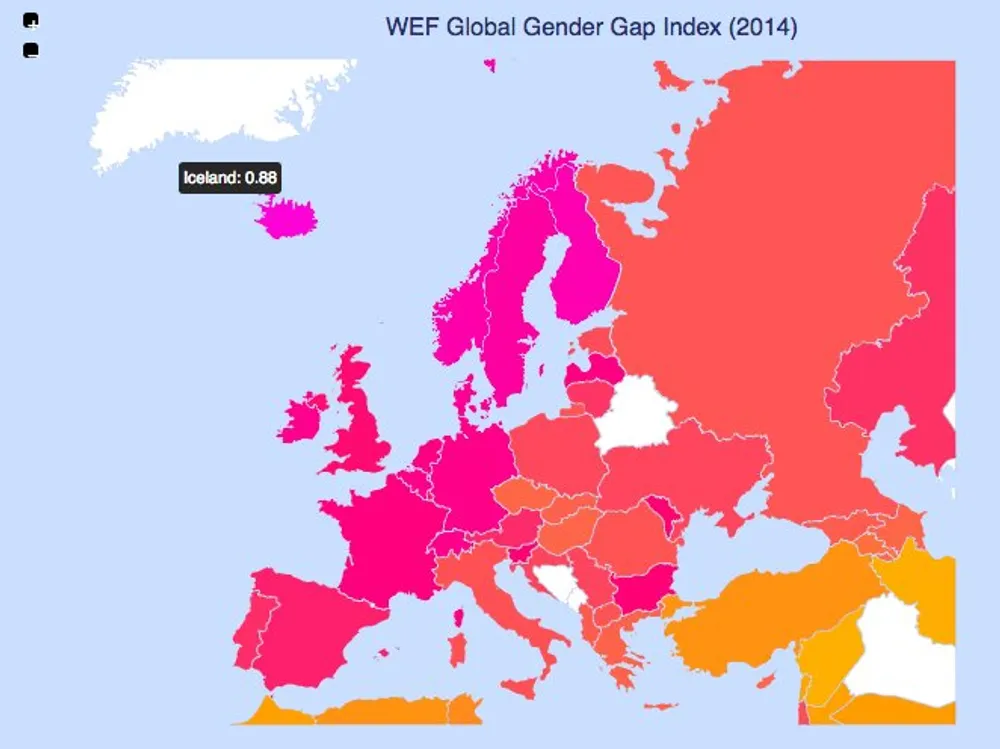
It's nice to see how this index is really good in Europe, particularly in the Scandinavian countries. Kudos to Iceland.

Country200620072008200920102011201220132014
Iceland0.78130.78360.79990.82760.84960.85300.86400.87310.8594
Finland0.79580.80440.81950.82520.82600.83830.84510.84210.8453
Norway0.79940.80590.82390.82270.84040.84040.84030.84170.8374
Sweden0.81330.81460.81390.81390.80240.80440.81590.81290.8165
Denmark0.74620.75190.75380.76280.77190.77780.77770.77790.8025
Nicaragua0.65660.64580.67470.70020.71760.72450.76970.77150.7894
Ireland0.73350.74570.75180.75970.77730.78300.78390.78230.7850
Philippines0.75160.76290.75680.75790.76540.76850.77570.78320.7814
Belgium0.70780.71980.71630.71650.75090.75310.76520.76840.7809

Asylum Seekers In Europe


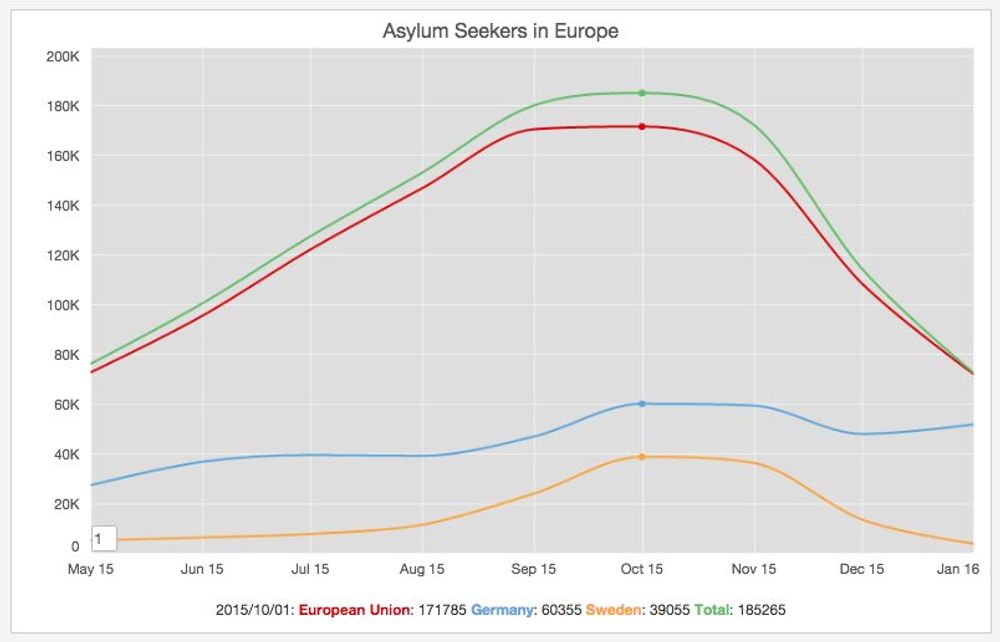
Asylum is defined as the protection granted by a nation to someone who has left their native country as a political refugee, mainly for fear of being persecuted for reasons of race, religion, nationality, membership of a particular social group, or political opinion. Due to the raging conflict in Syria, there has been a sharp increase in the number of refugees coming to Europe.

The last quarterly data report by Eurostat demonstrates this upwards trend. Germany and Sweden have been the countries who have welcomed the highest number of asylum seekers.

Inflation In Europe


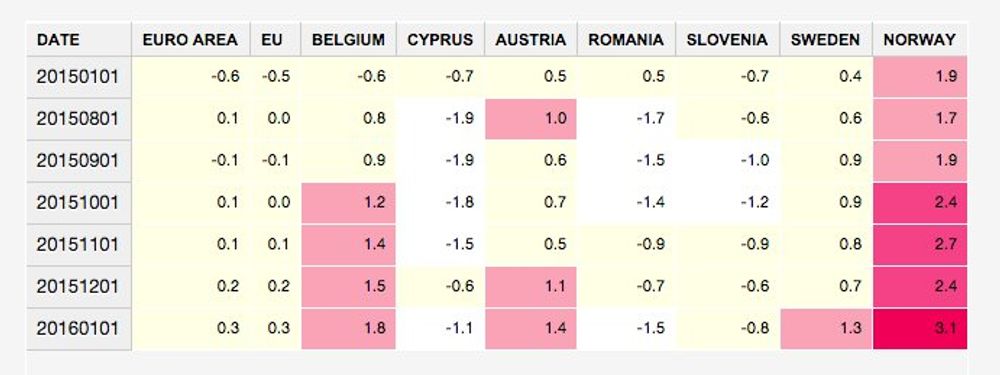
Last Thursday the Eurostats Office published the inflation data for January 2016. Even if those numbers are definitively better than the hyperinflation happening in other regions of the world (cough ... Venezuela), there is always the risk of deflation:

Now it's remarkable how the highest rate in Europe was Norway, a pretty expensive country already. I'm sorry for my Norwegian friends.

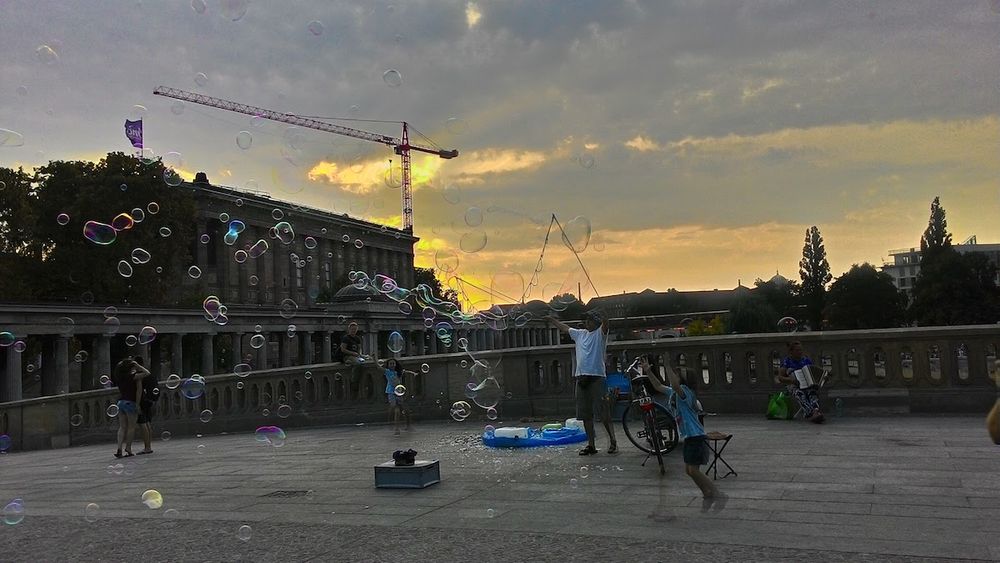
Soap Bubble In Prague


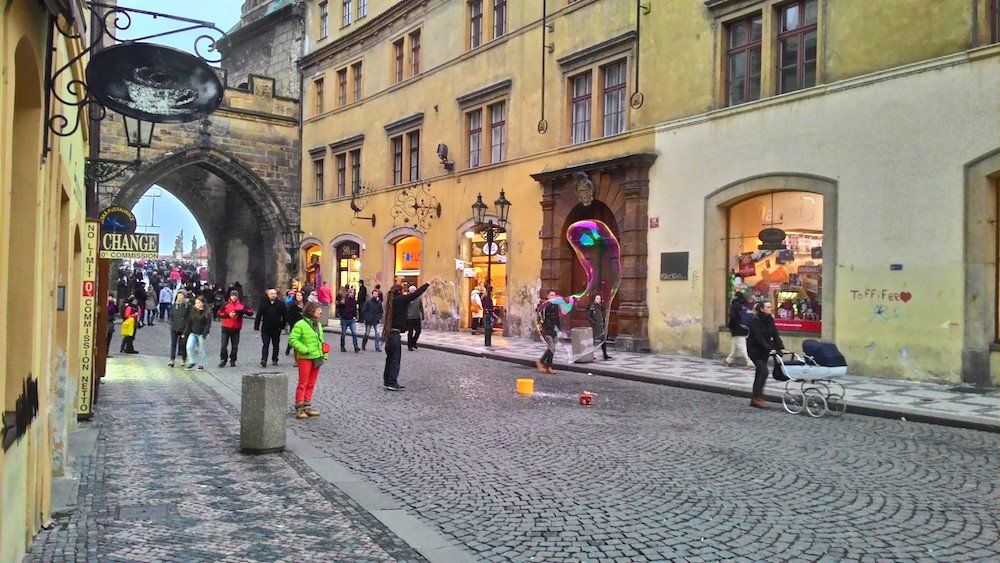
This weekend I wanted to do a small city break and I realised visiting Prague by train was relatively easy (it's only 4.5h by a direct train). I went there met and chatted with a Czech friend and spent the rest of my visit walking around and taking pictures. One of the most interesting ones I was able to get contains a street performer making huge soap bubbles. Here the colorful bubbles make a nice contrast with the people staring and walking around.

Empty O connell Street


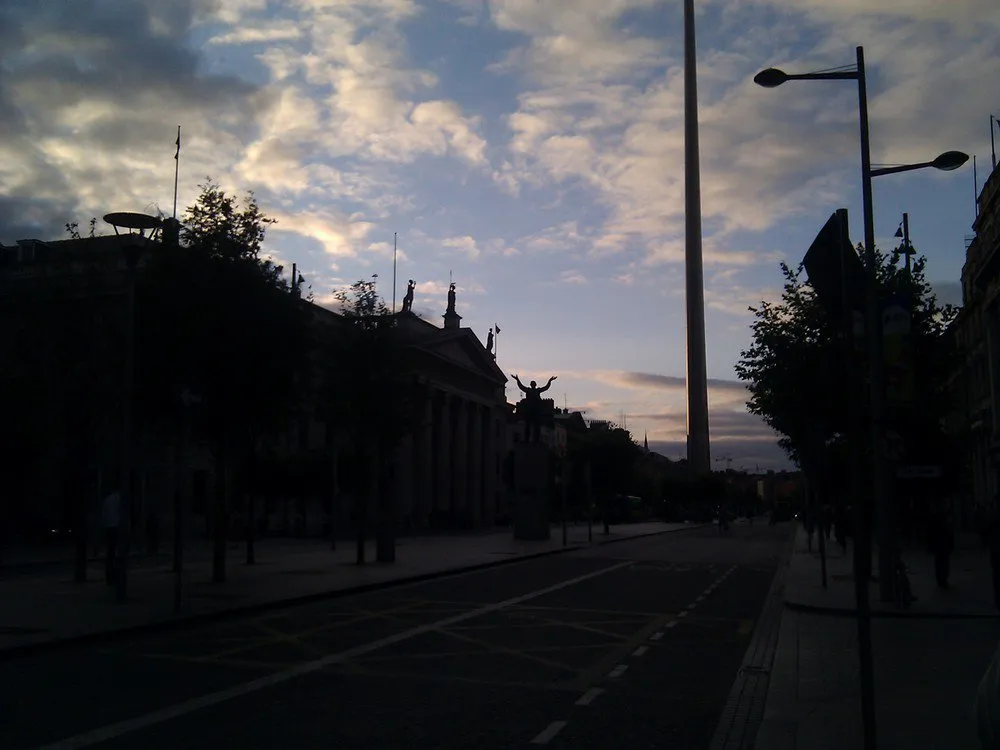
Last week I provided a couple of my pictures at work for the article The Lowdown on Living and Working in Ireland. One of the pictures I selected was a favorite. A completely empty O'Connell street on a Monday morning:

I love this picture not only for the beautiful colors in the sky and the nice contrast they make with the shadows of some of the Dublin landmarks (The General Post Office and the Spire), but also because of the strange feeling of seeing one of the busiest spots in Dublin completely empty.

Brexit And The European Union Membership


Yesterday at the office we were discussing the possibility of the UK leaving the European Union. Actually, we wrote in our company blog what this brexit would mean for European workers, some time ago. But with all this brexit discussion, we forgot the UK is actually one of the oldest members of the European Union (1973).

You can check this map in detail here

European Passenger Train Percentage


Last December I had a slight problem with my ear and unfortunately I wasn't able to fly for a little while. I was glad there was an amazing train system in Europe, so I had an alternative to travel from and to Berlin. Here is a chart with the percentage of train transportation by country in Europe, coming from a dataset published by the European Stats office:

I have been lucky enough to use the trains in all those countries.

Foreign EU Citizens In Berlin By District


I wanted to wrap up this series of posts I have been writing about the people living in Berlin, using data provided by the Statistical Office of Berlin-Brandenburg, with a final post about EU foreign citizens living in the city.

A couple of days ago I was discussing how Poland, Italy, and Bulgaria were the EU countries with the highest number of expats living in Berlin, but the data also contains a very interesting breakdown per district (Bezirk).

I put the totals in a density map:

I also used the specific country data to create a matrix heatmap using the tutorial on how to create a heatmap with jQuery and Tables. See the resulting table below:
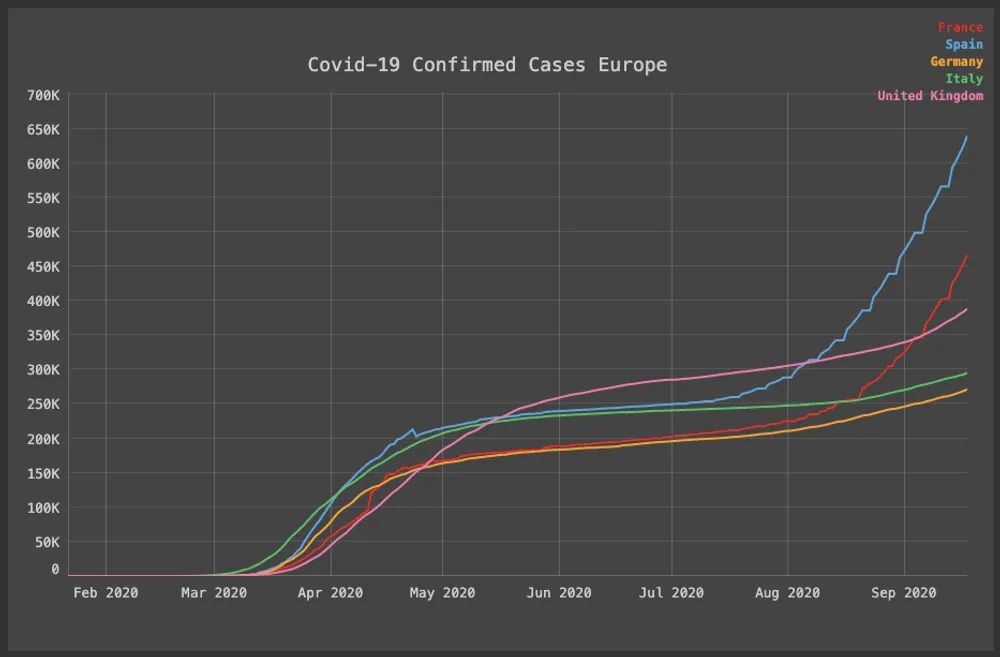
There are a couple of interesting conclusions from the data: The Polish are definitely the largest minority from the EU countries, and this can be observed in every district. Mitte is definitely the most popular district for most of the EU citizens, and finally, Marzahn-Hellersdorf is the least popular overall.

Berlin Picture In Autumn And Winter


Almost the same picture taken near Rosenthalerplatz in two different seasons in Berlin.

Foreign Europeans In Berlin


Following my post yesterday, I kept digging into the data published by the Statistical Office of Berlin-Brandenburg. I wanted to discover where most of the "Foreign" Europeans living in Berlin come from. Since the European Union agreement allows the free movement of people across member states, I was expecting that the number 1 slot would be taken by a country within the EU borders. Actually, it’s Turkey that has the most immigrants living in Berlin, with almost 100k people:
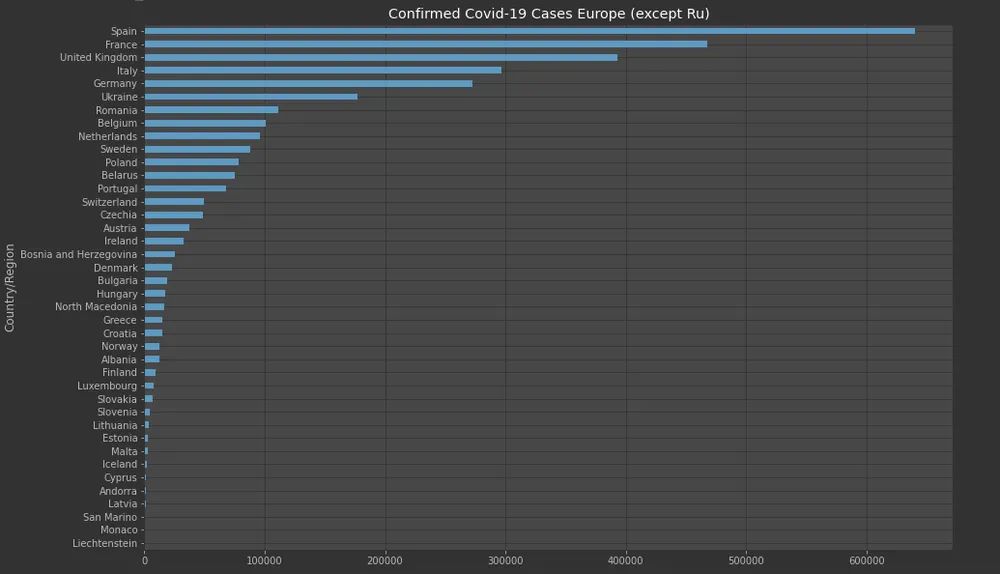
Now the second and third positions are from countries in the European Union: Poland and Italy. This is followed by one of the newcomers in the union: Bulgaria.
Unemployment In Ireland


The Central Office of Statistics in Ireland’s website cso.ie has some interesting data tables that can be downloaded, so yesterday I decided to pull out the unemployment data and plot it.

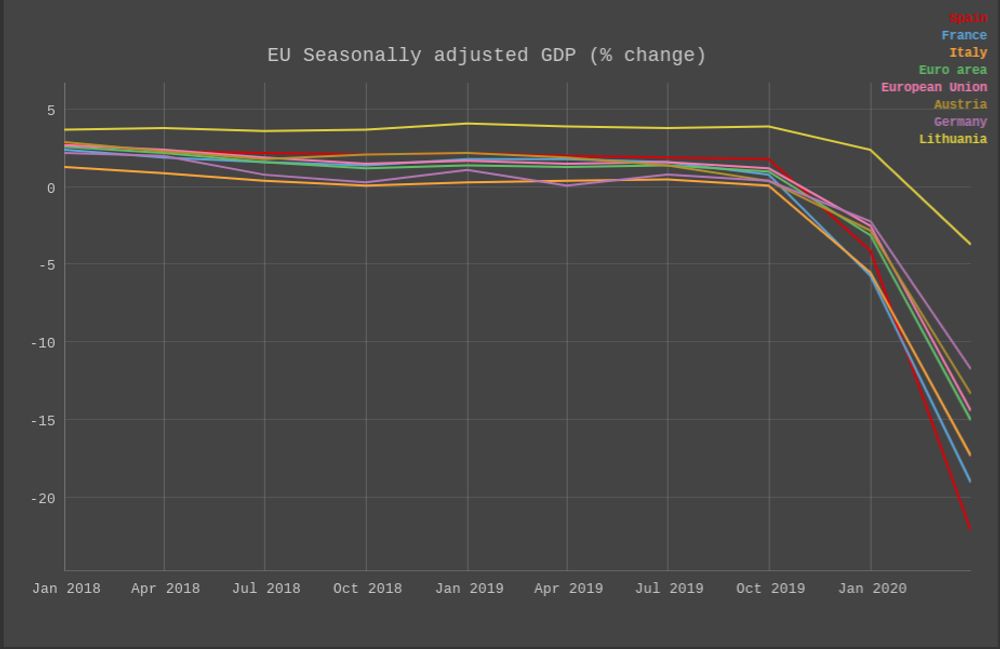
I was curious because when I arrived in the country, the economy was doing really well, but I saw changes during the 2008 crisis. I thought it would be interesting to see what happened in the last few years. Even if the unemployment level hasn't yet reached the levels of 2005, I think the trend is definitely positive.